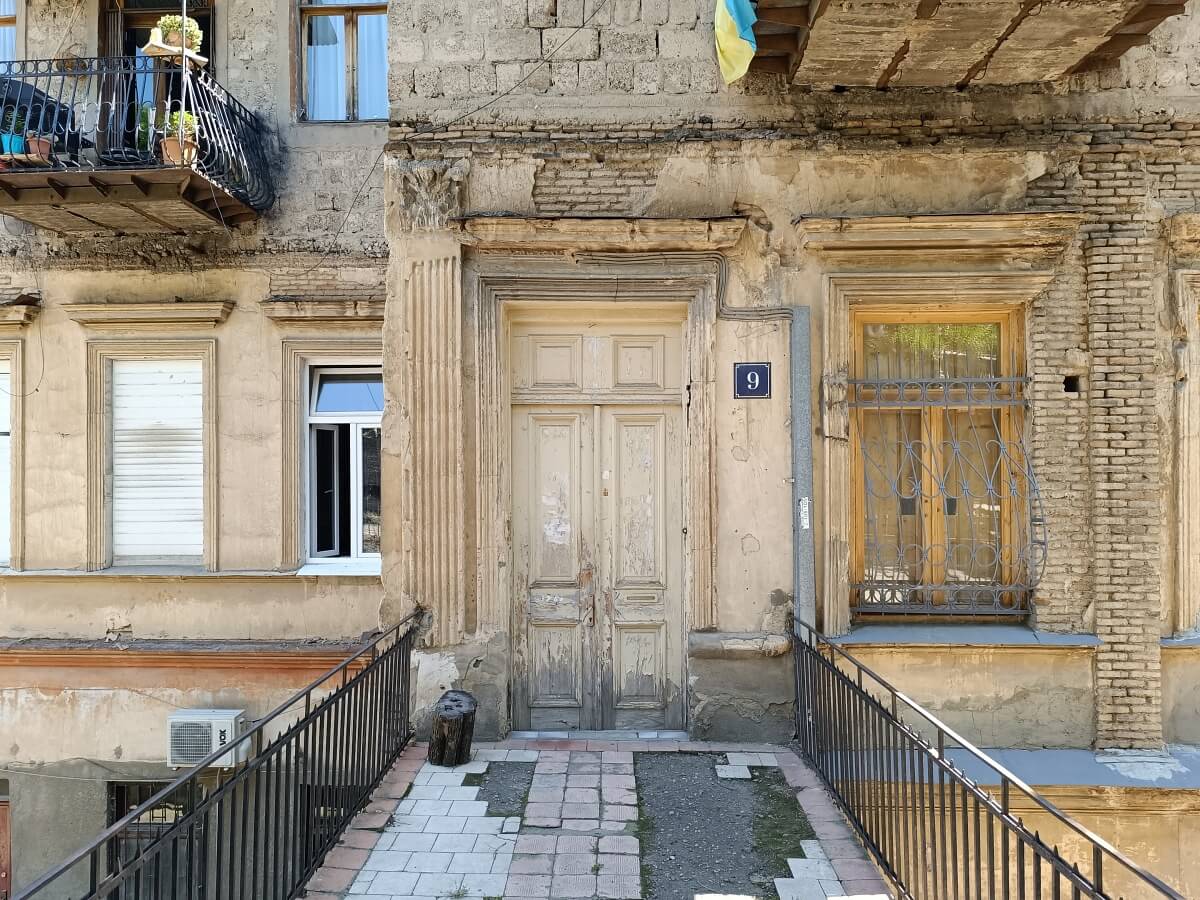
Sololaki - Old Tbilisi
The heart of Tbilisi — its most valuable historic district nestled against the slopes of Mount Mtatsminda.
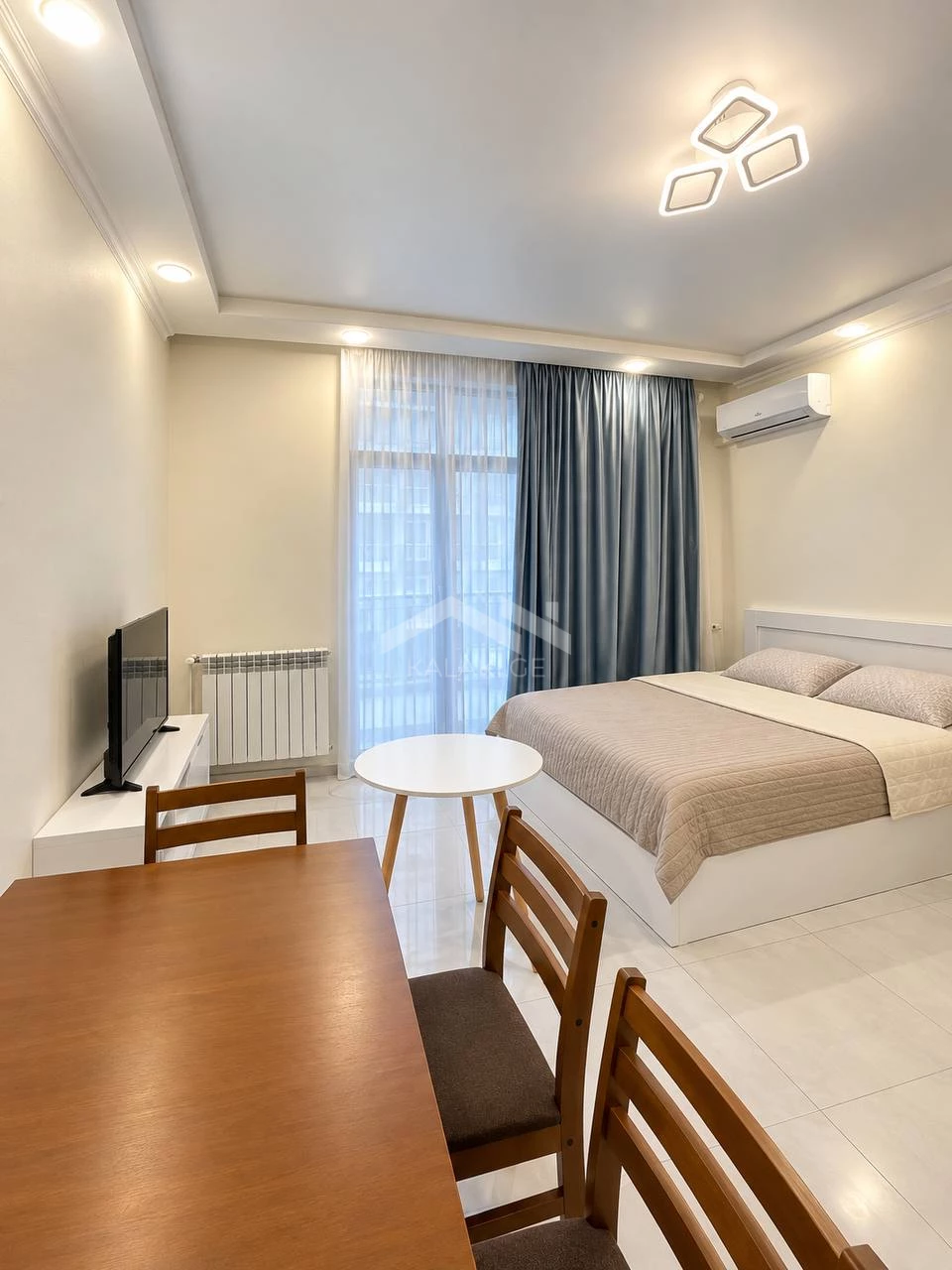
ანგისის ჩიხი, 1
1
30.2 m²
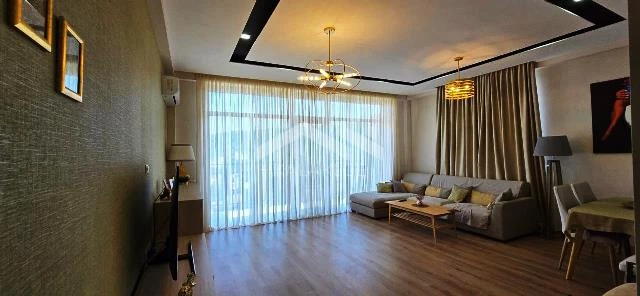
ხომლის ქუჩა, 1
3
130 m²
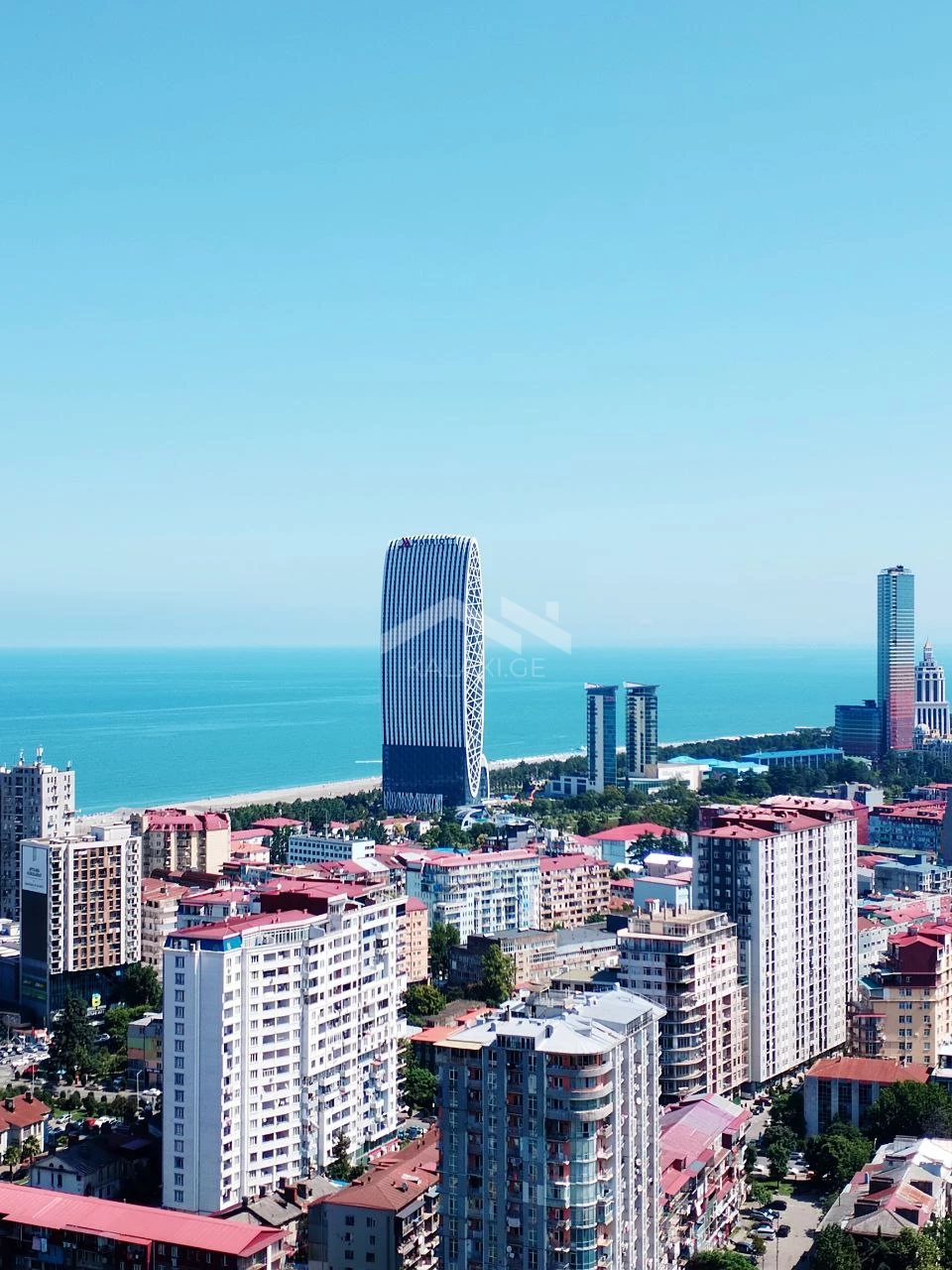
ტბელ აბუსერიძის ქუჩა, 1
1
32.2 m²
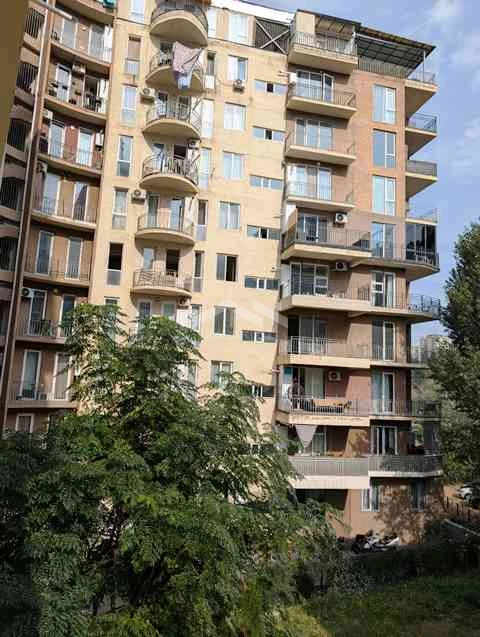
გაბაშვილის ქუჩა, 11
2
81 m²
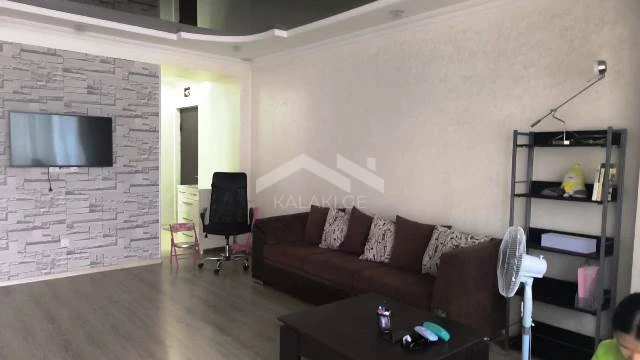
ხიმშიაშვილის ქუჩა, 4
2
110 m²
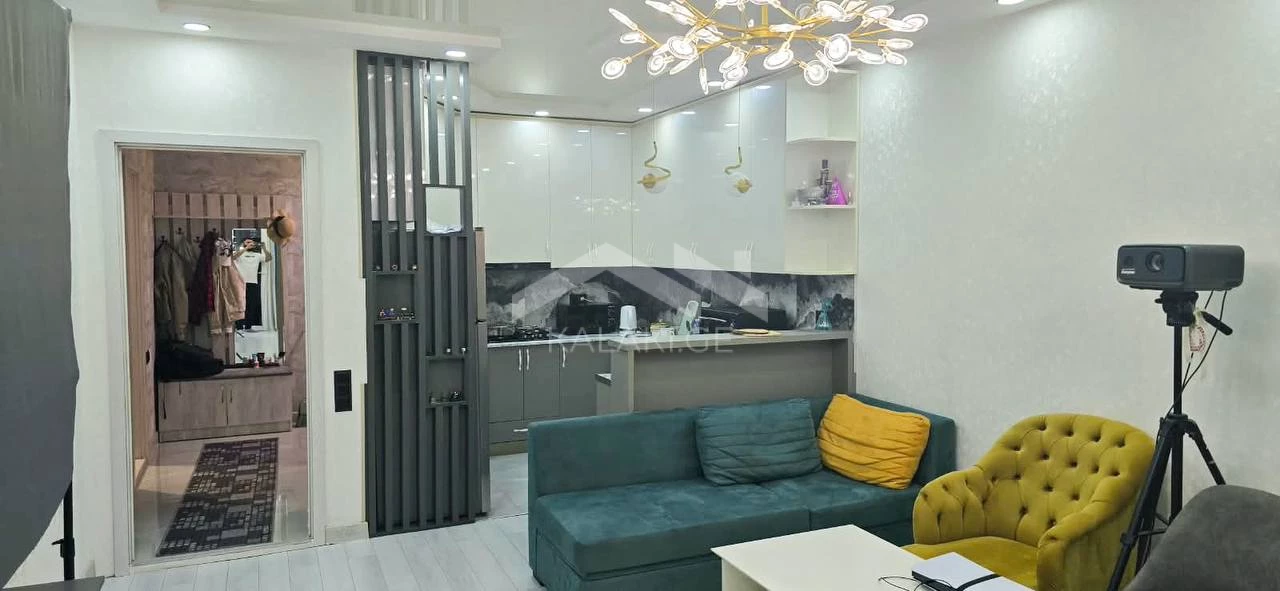
შავშეთის ქუჩა, 1
1
77 m²
The heart of Tbilisi — its most valuable historic district nestled against the slopes of Mount Mtatsminda.
It would be fair to say that Tbilisi, as we understand the modern city today — with its streets, residential quarters, and public spaces — began here, in Sololaki, the Abanotubani bath district, and the old core surrounding Kote Abkhazi Street. Although Sololaki today is known primarily as a tourist destination, many native Tbilisi residents still live here.
Compared to other districts of the city, Sololaki and the Old Town occupy a relatively small area. Even historically significant districts such as Mtatsminda, Chughureti, and Avlabari are larger and more populated. Yet the main square of Tbilisi rightfully belongs to this oldest heart of the capital:
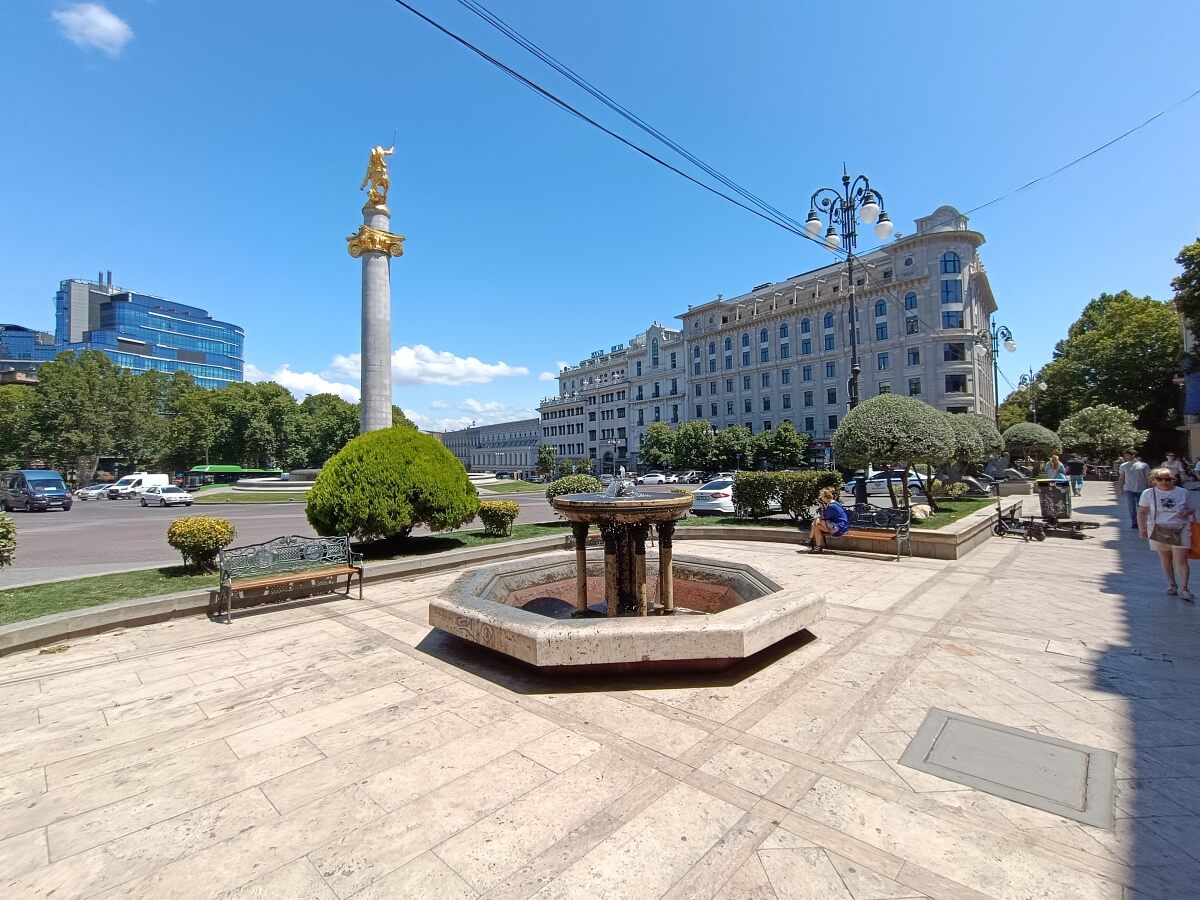
Freedom Square changed its name three times during the 20th century alone. The Lenin monument that once stood here was demolished before the collapse of the Soviet Union, and in the new century replaced with the statue of Saint George by Zurab Tsereteli. Despite these transformations, the square never lost its role as one of the city’s defining spaces.
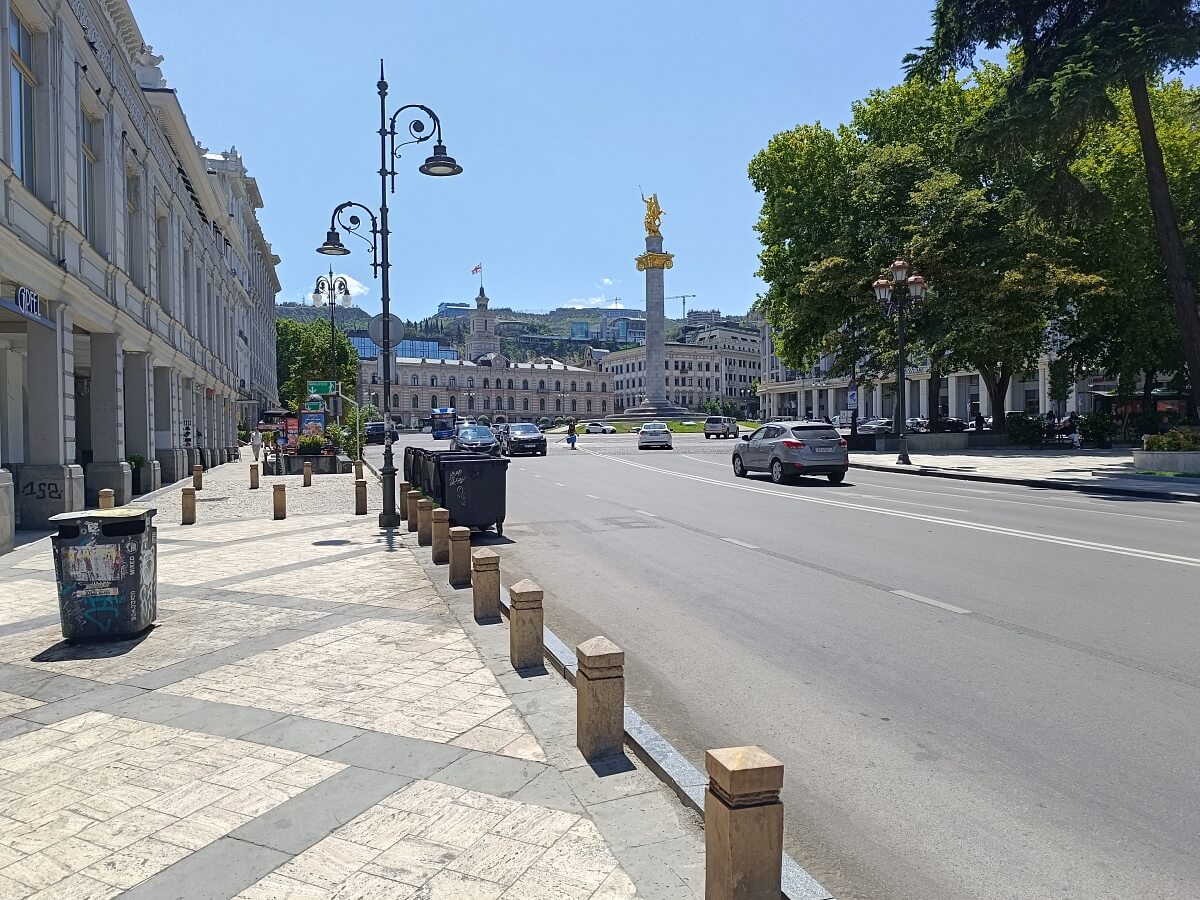
View from Pushkin Street:
View from Galaktion Tabidze Street:
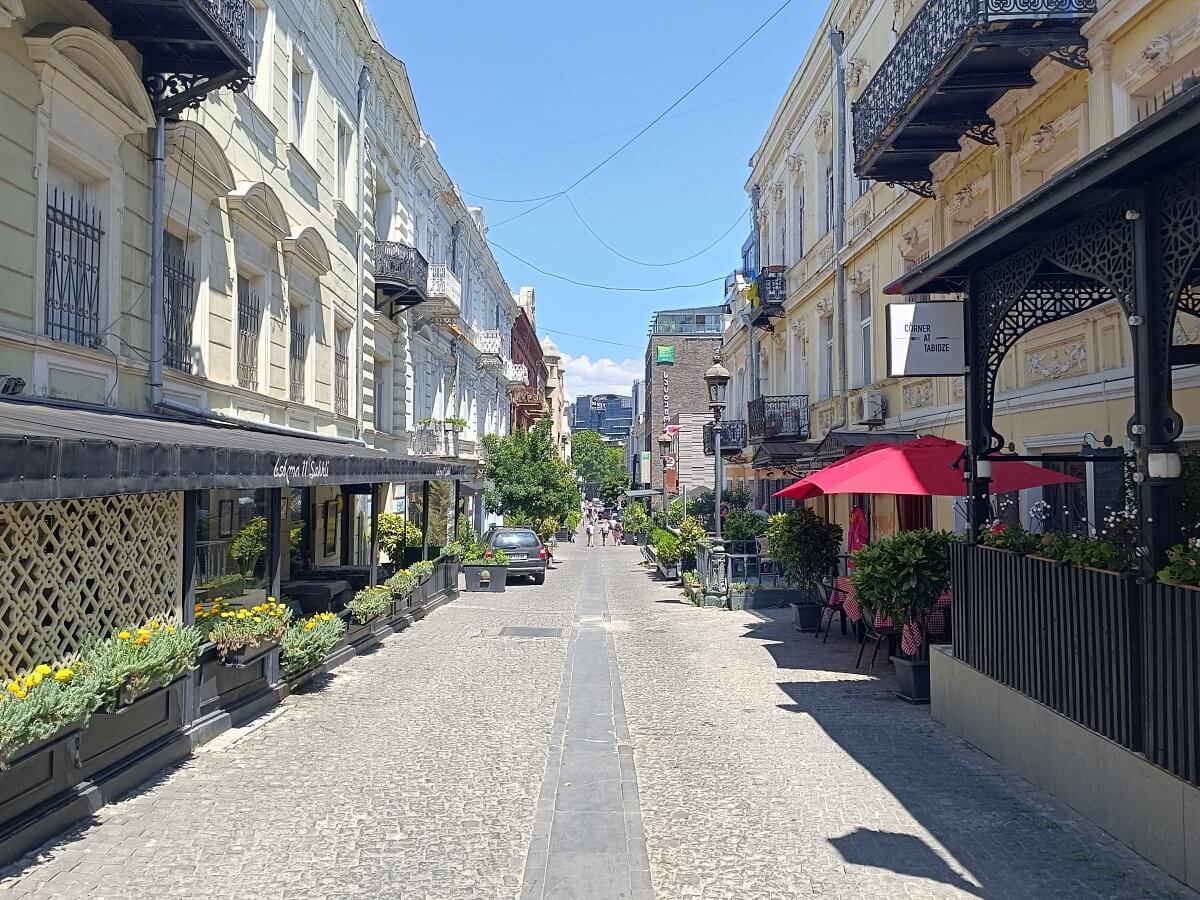
Pushkin Street curves around the western edge of the Old Town and also forms the boundary with the neighboring Tabidze district. It is one of the most picturesque streets in the city and an important transport artery, crossing the river via the Nikoloz Baratashvili Bridge and distributing traffic toward the northern and southern parts of Tbilisi.
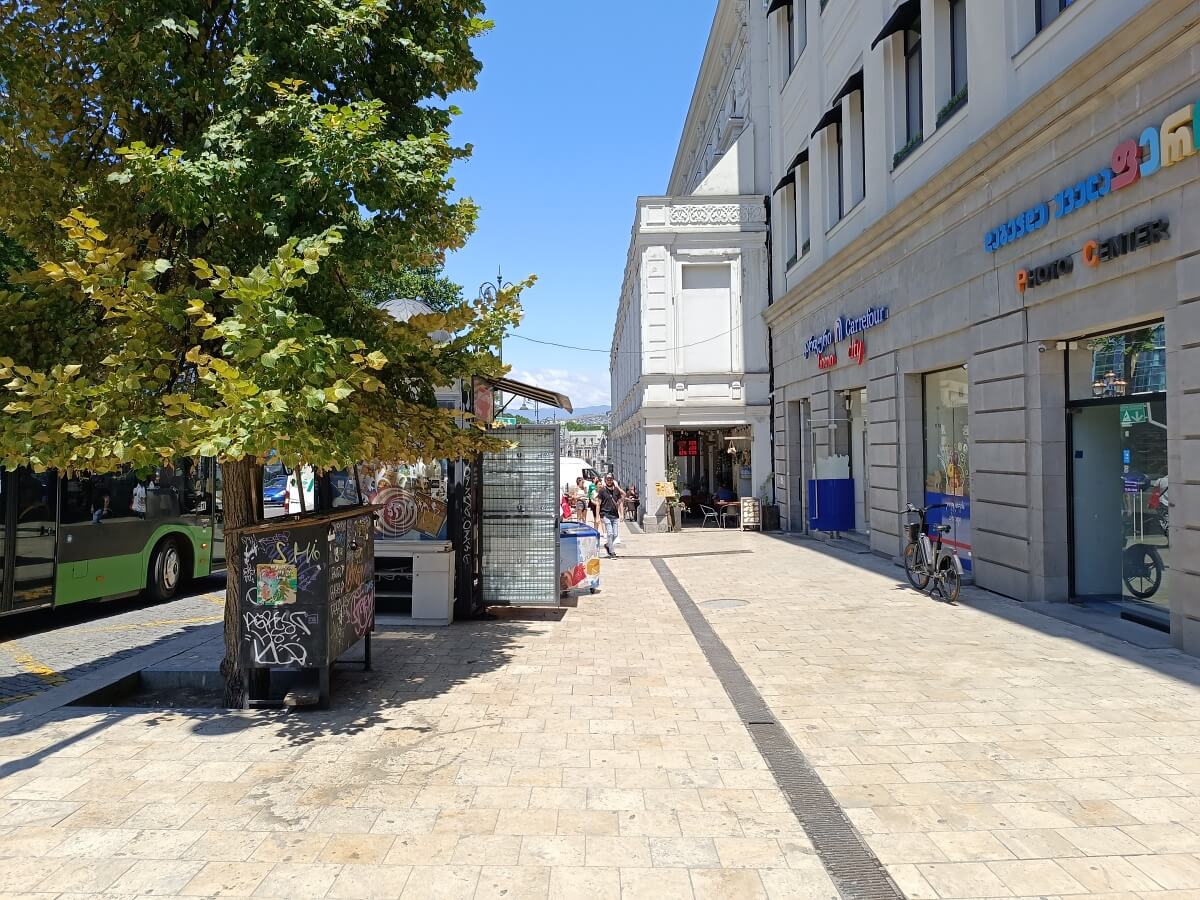
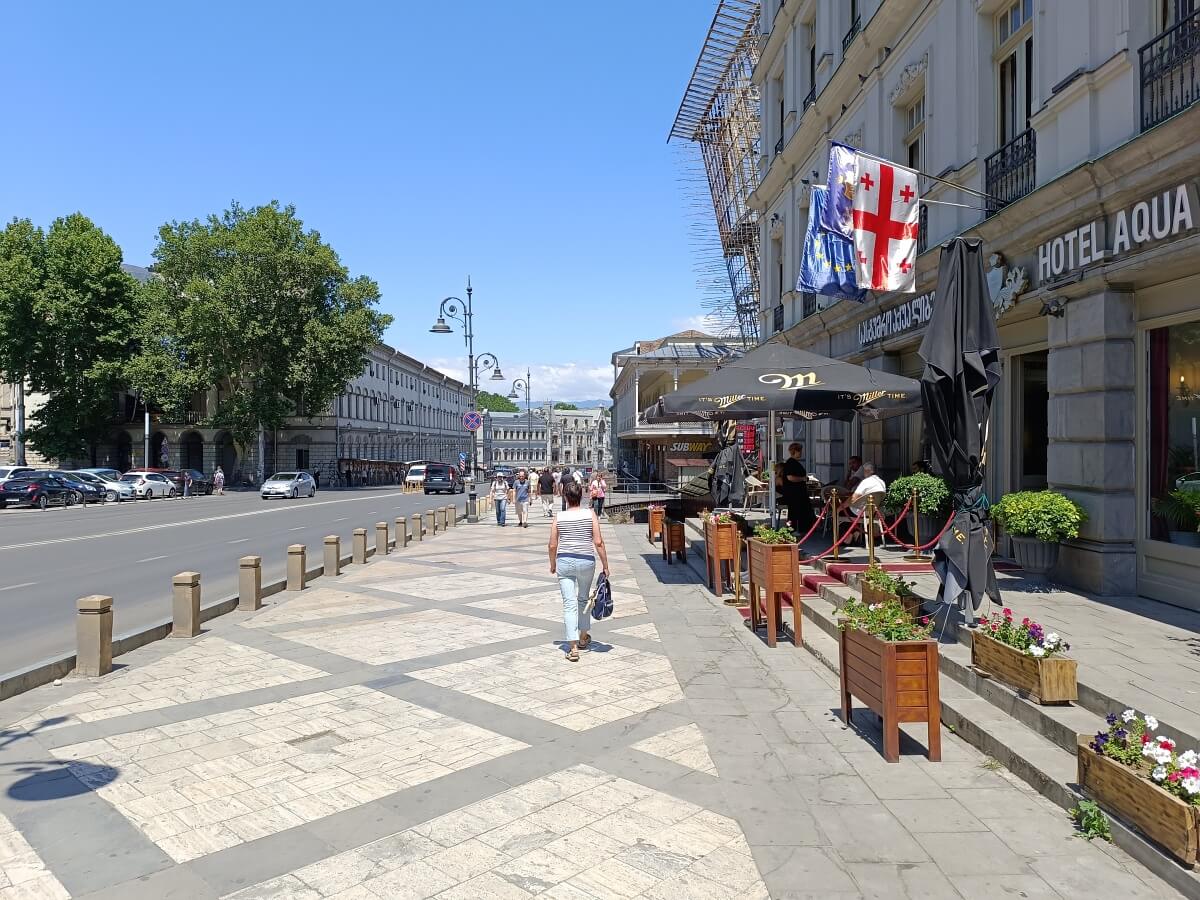
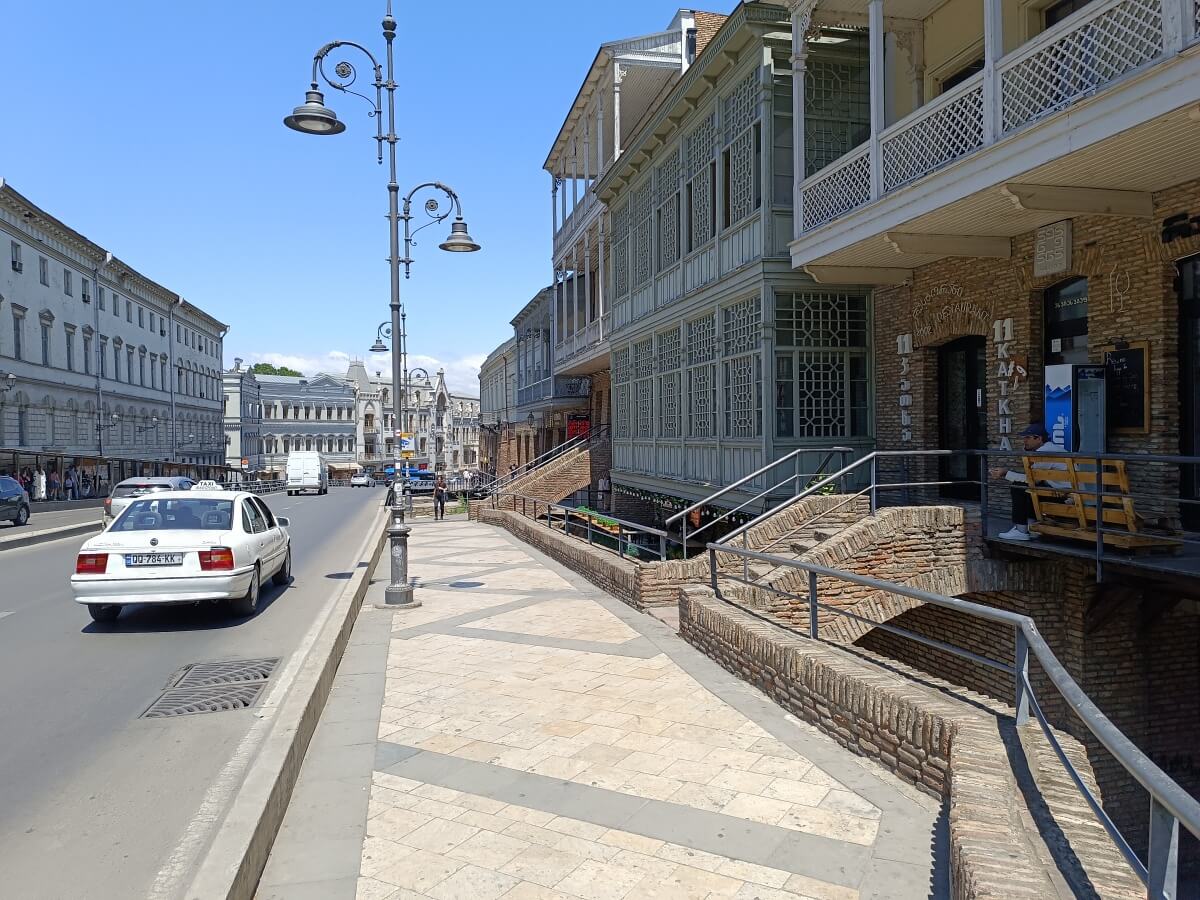
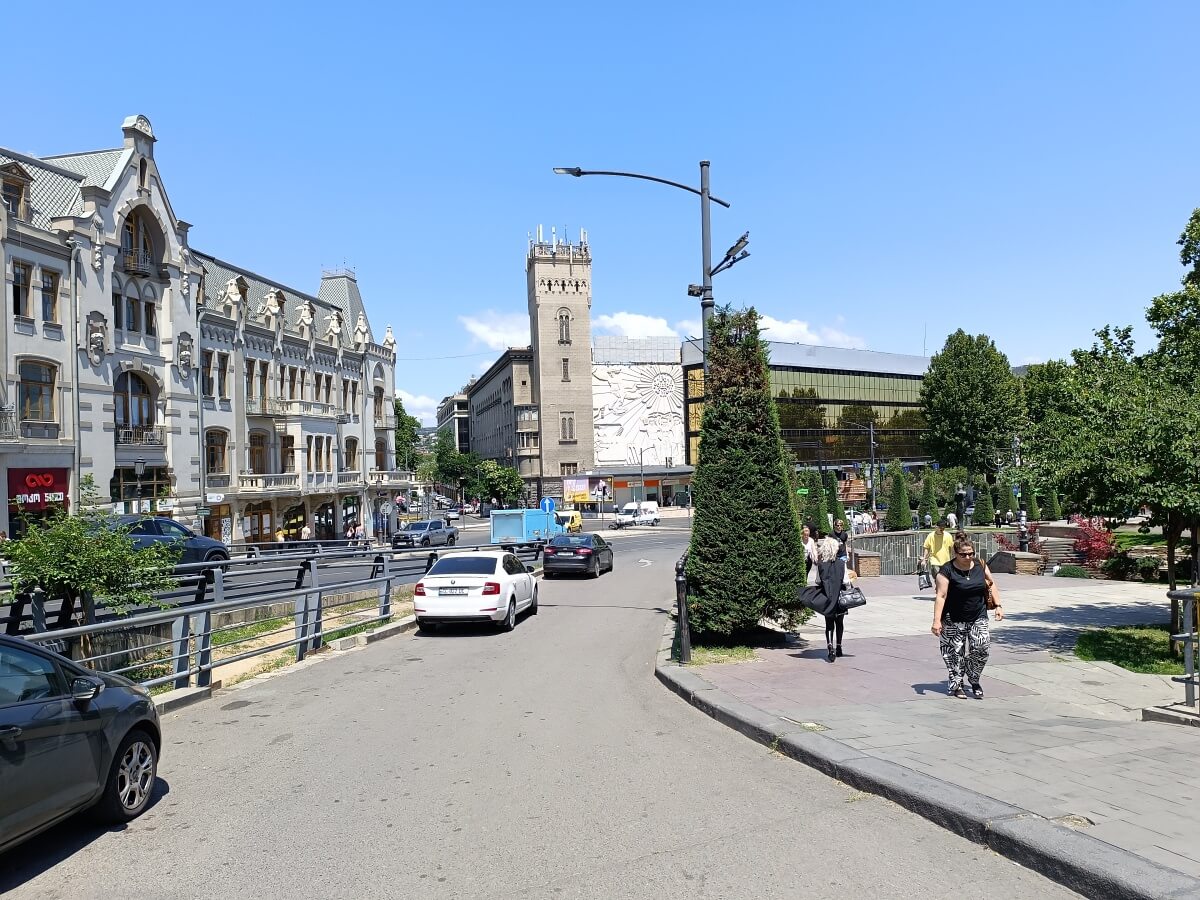
Pushkin Street was constructed on elevated steel structures, allowing archaeological excavations beneath the roadway to remain preserved. These include sections of the ancient city wall with the main entrance gate, as well as public structures dating back to the early and high Middle Ages.
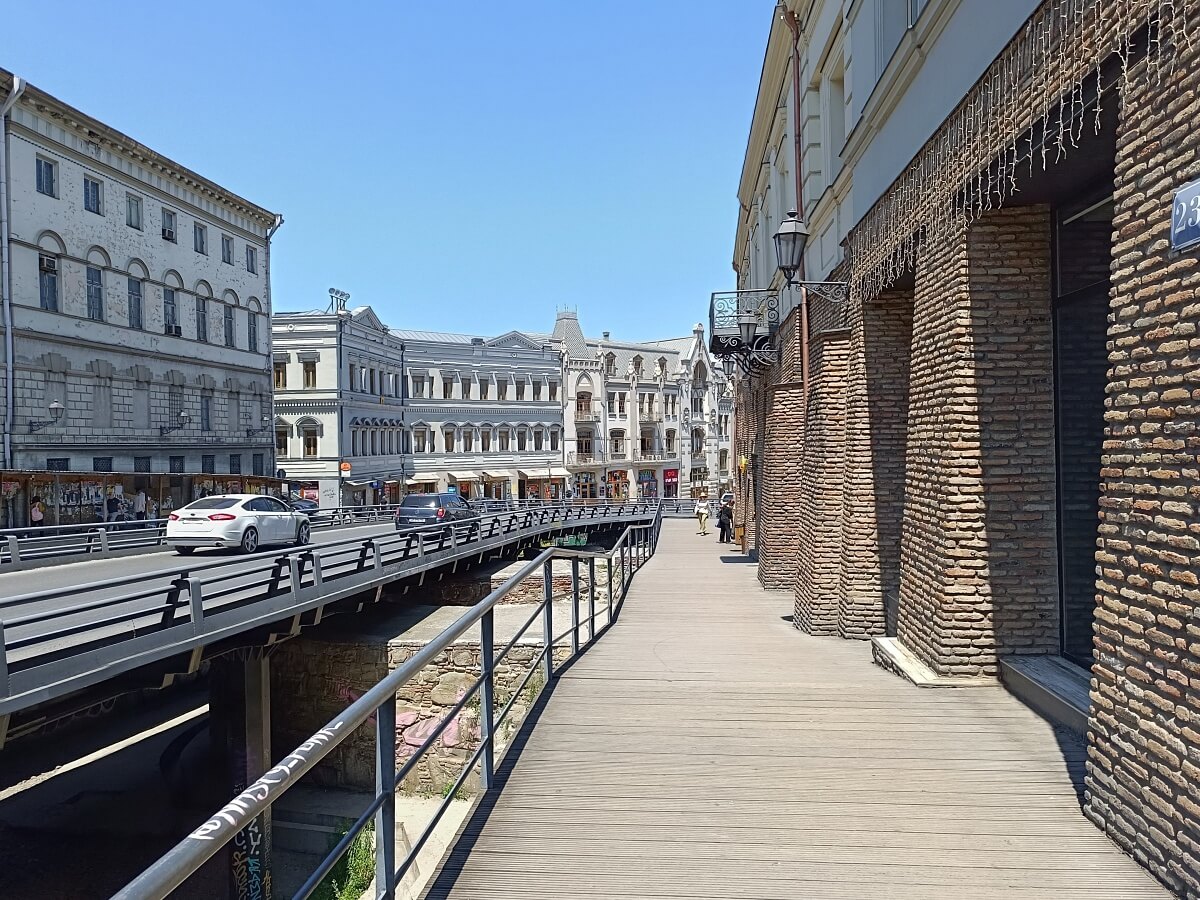
At the intersection leading toward Orbeliani Square, Pushkin Street changes its name to Nikoloz Baratashvili Street and curves northeast around the historic core of Old Tbilisi. Thanks to careful restoration and a high level of preservation, this part of the city has exceptional aesthetic and cultural value.
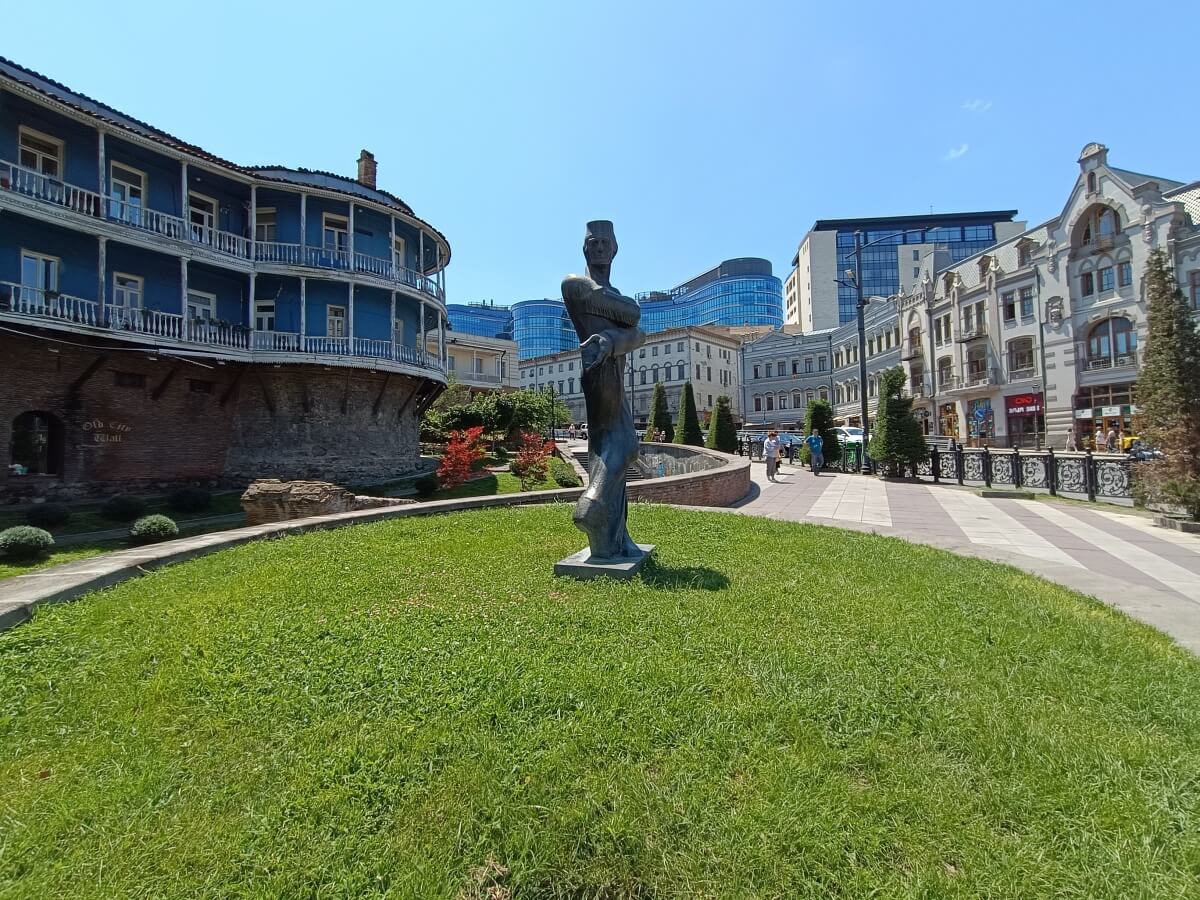
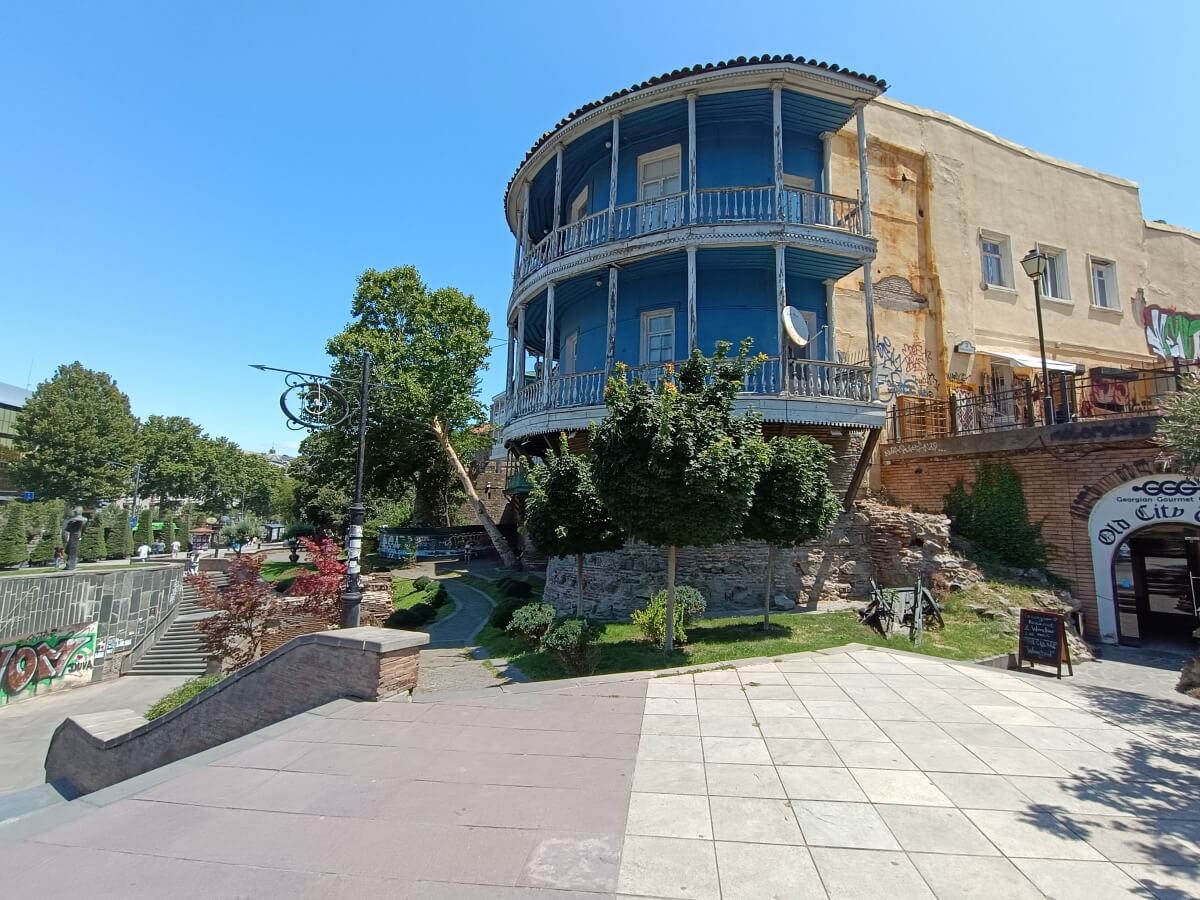
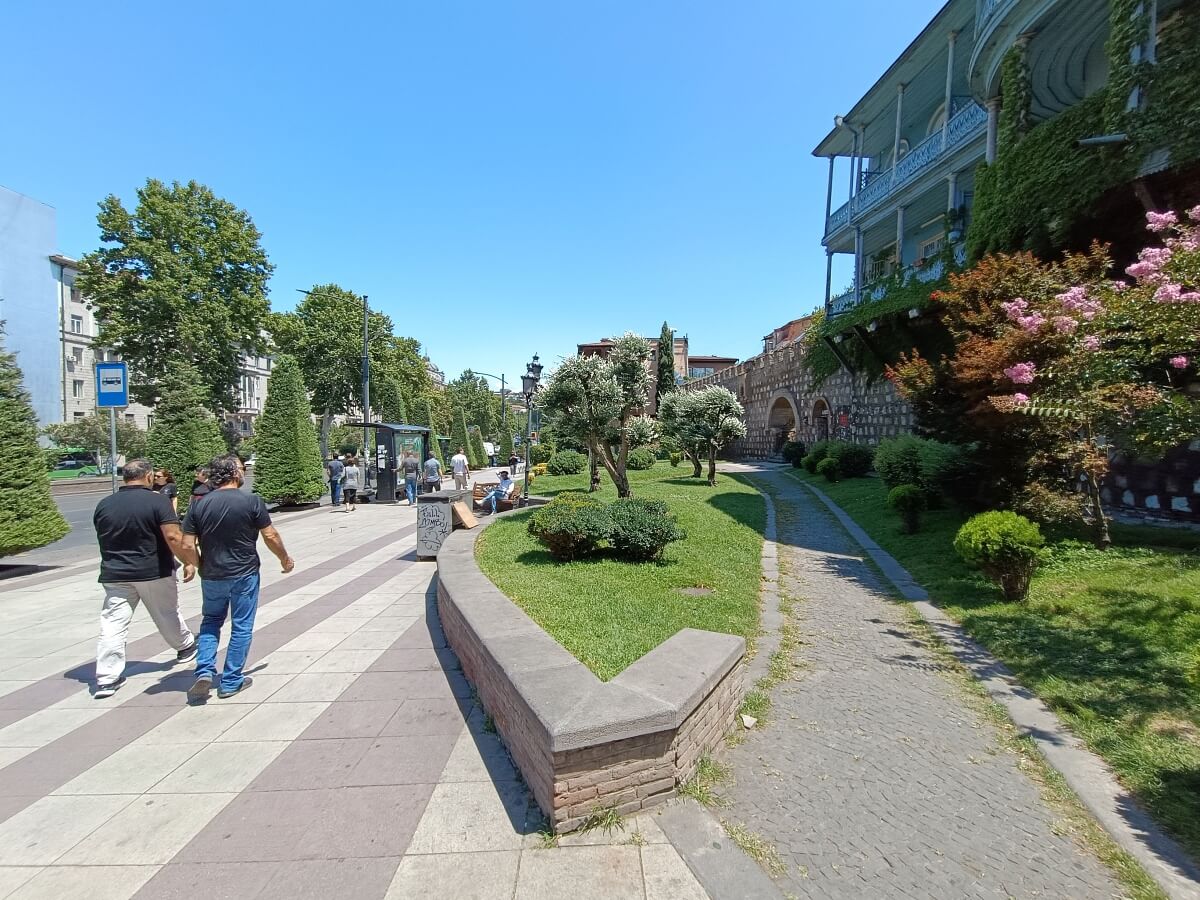
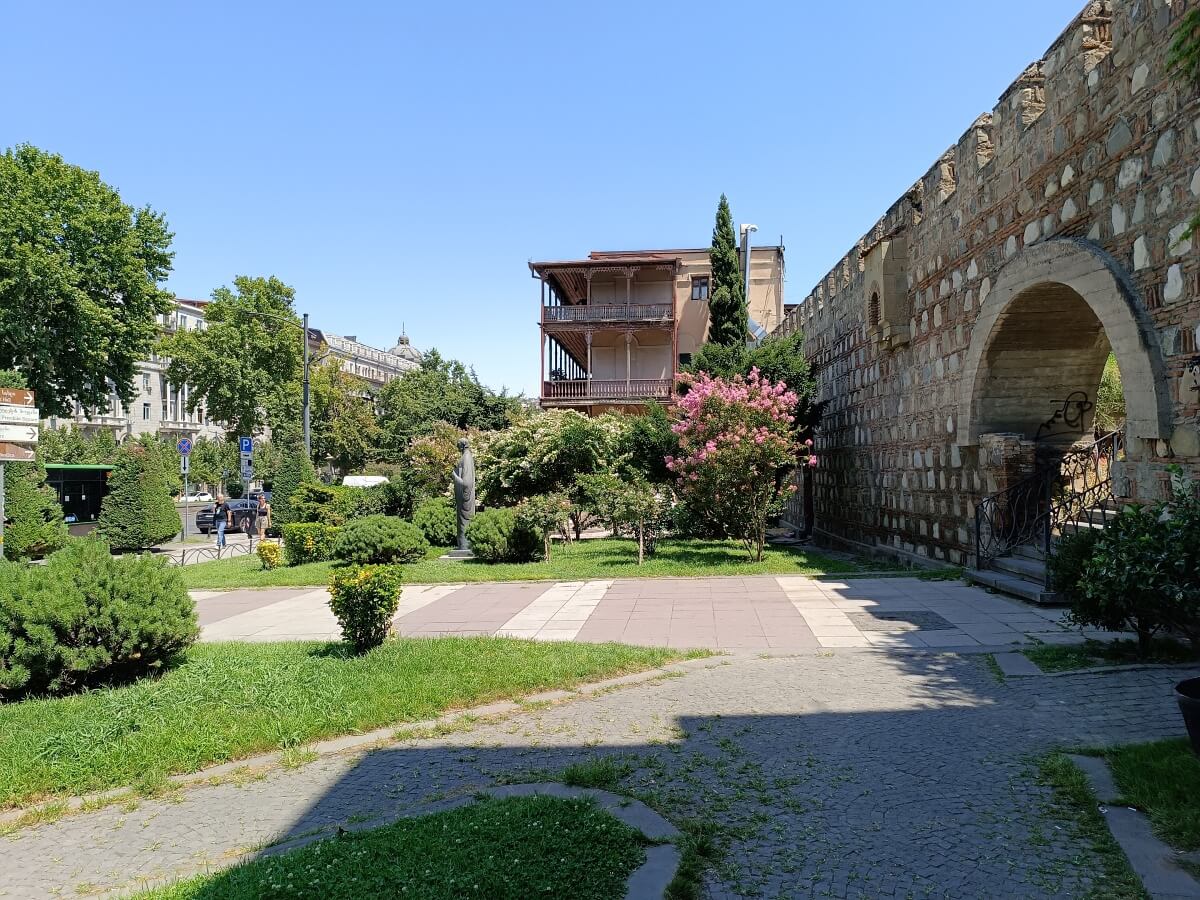
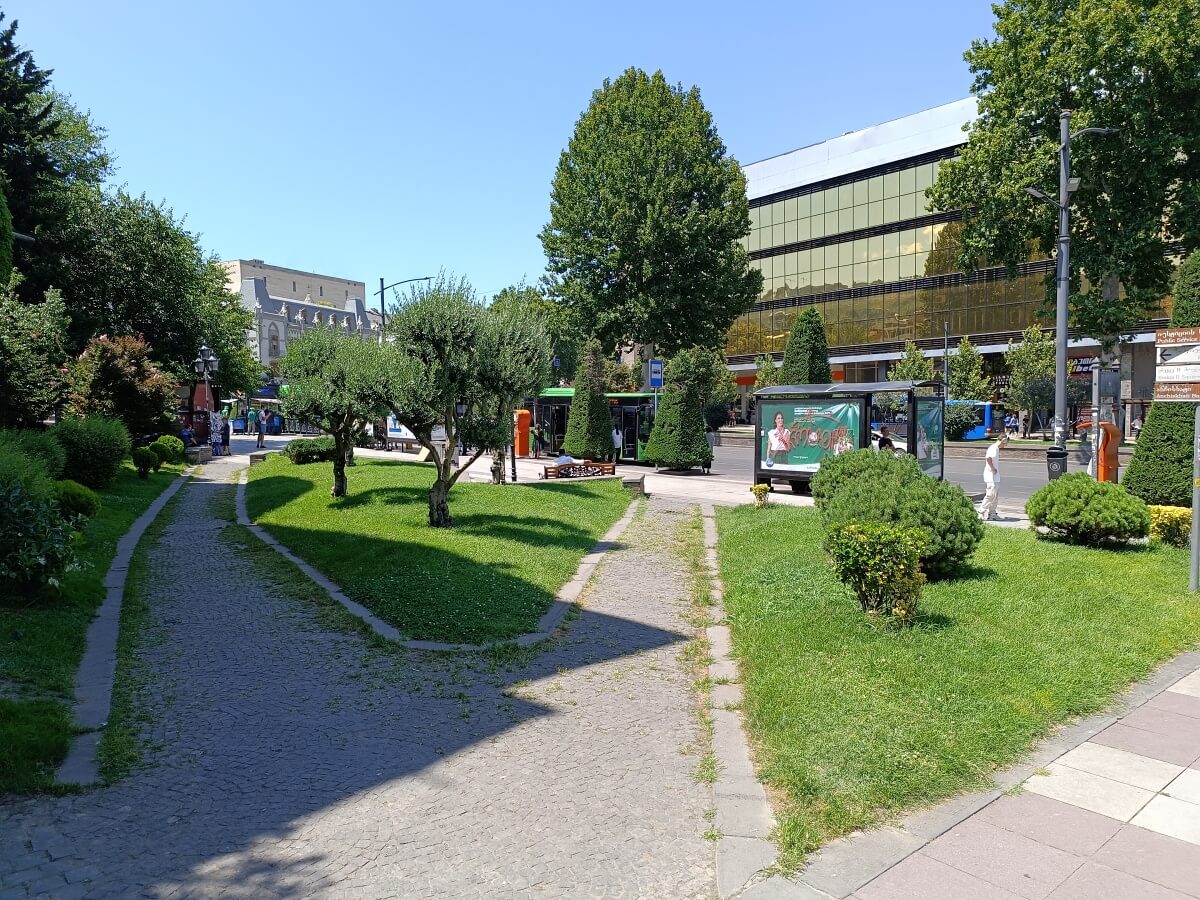
Between the Old Town and the Kura River runs Zviad Gamsakhurdia Embankment — part of one of the city’s main north-south transit routes.
View toward Metekhi Church on the opposite bank:
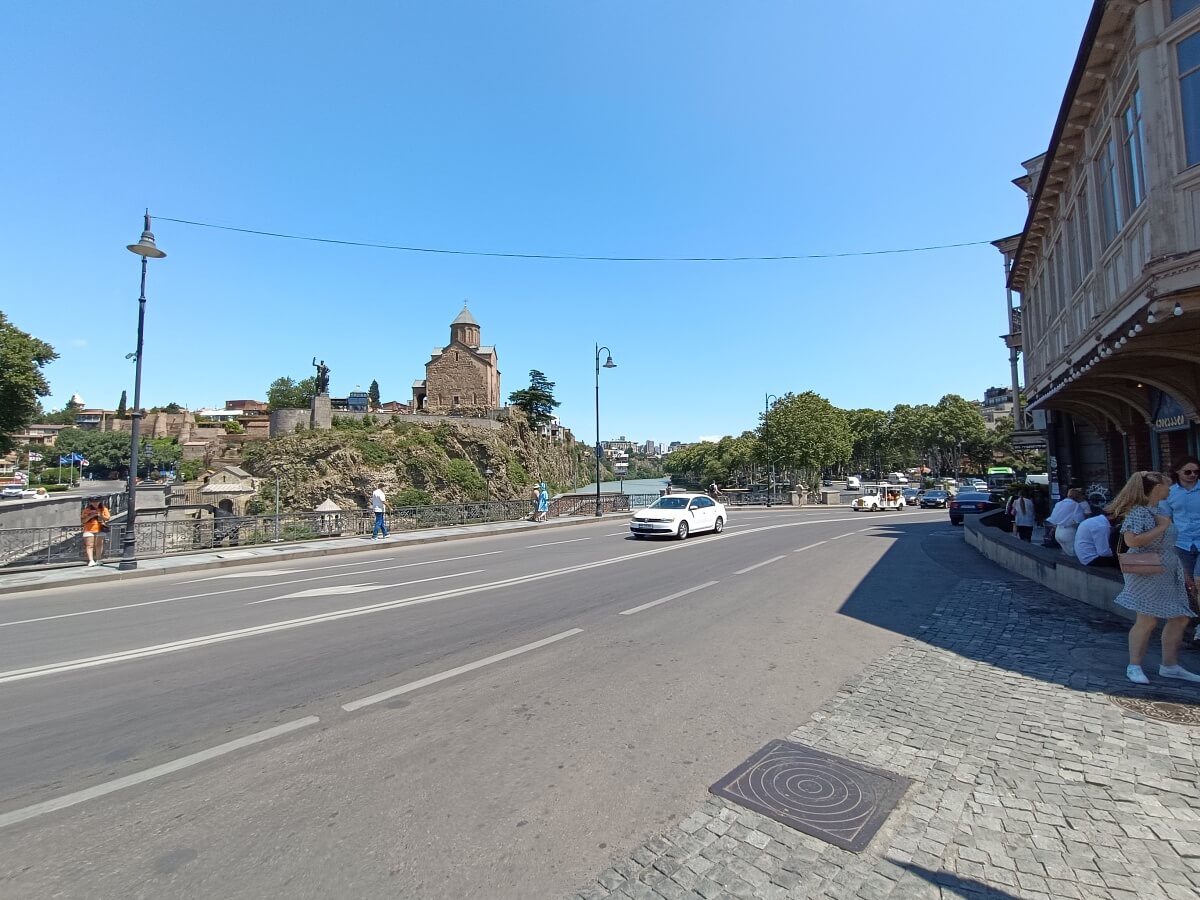
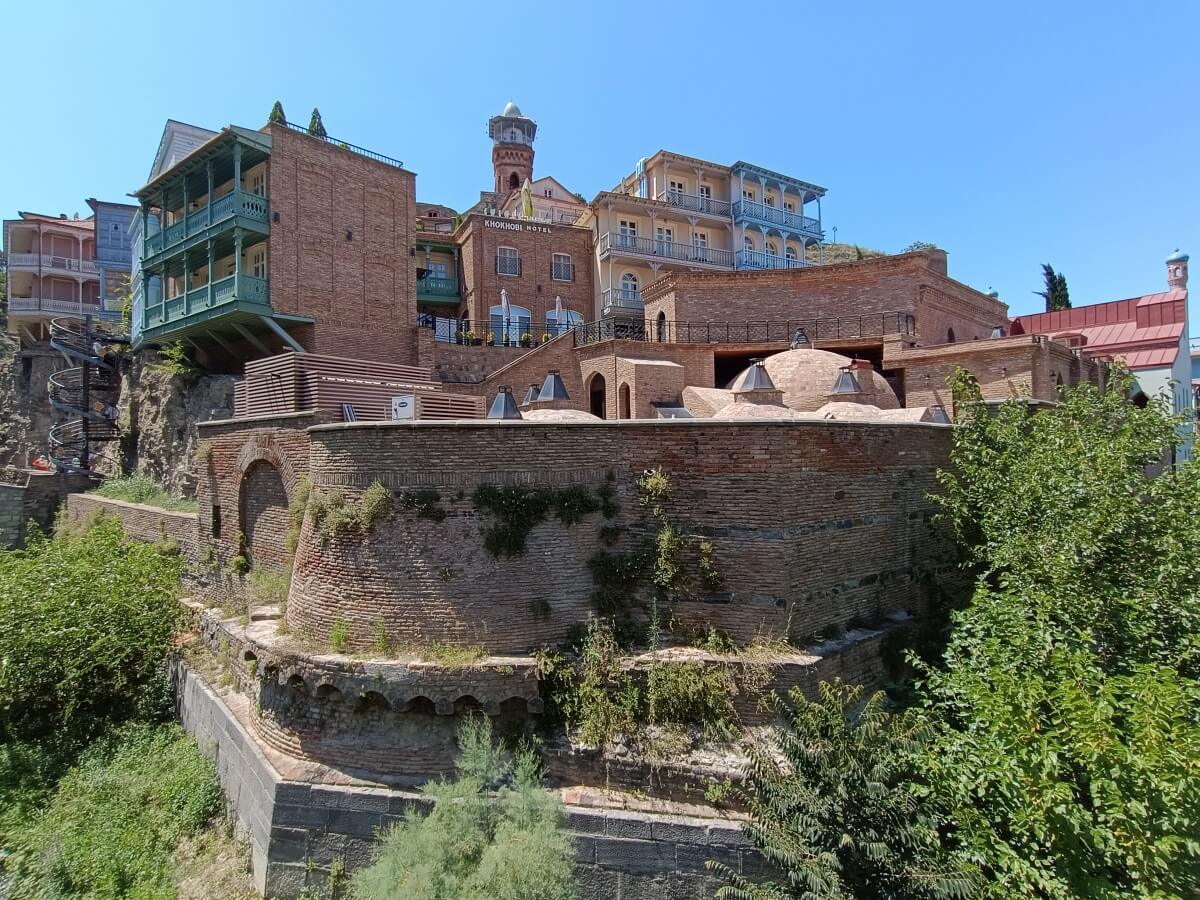
Here, near the bridge of the same name and at the exit of the Tsavkistskali gorge, lie the quarters of Abanotubani — witnesses to the truly ancient history of Tbilisi. The sulfur baths built on natural geothermal springs are the strongest argument in discussions about the city’s age. While Tbilisi is officially believed to have been founded in the 5th century, historical evidence confirms the existence of the baths already in the 1st century AD. Tbilisi is genuinely an ancient city.
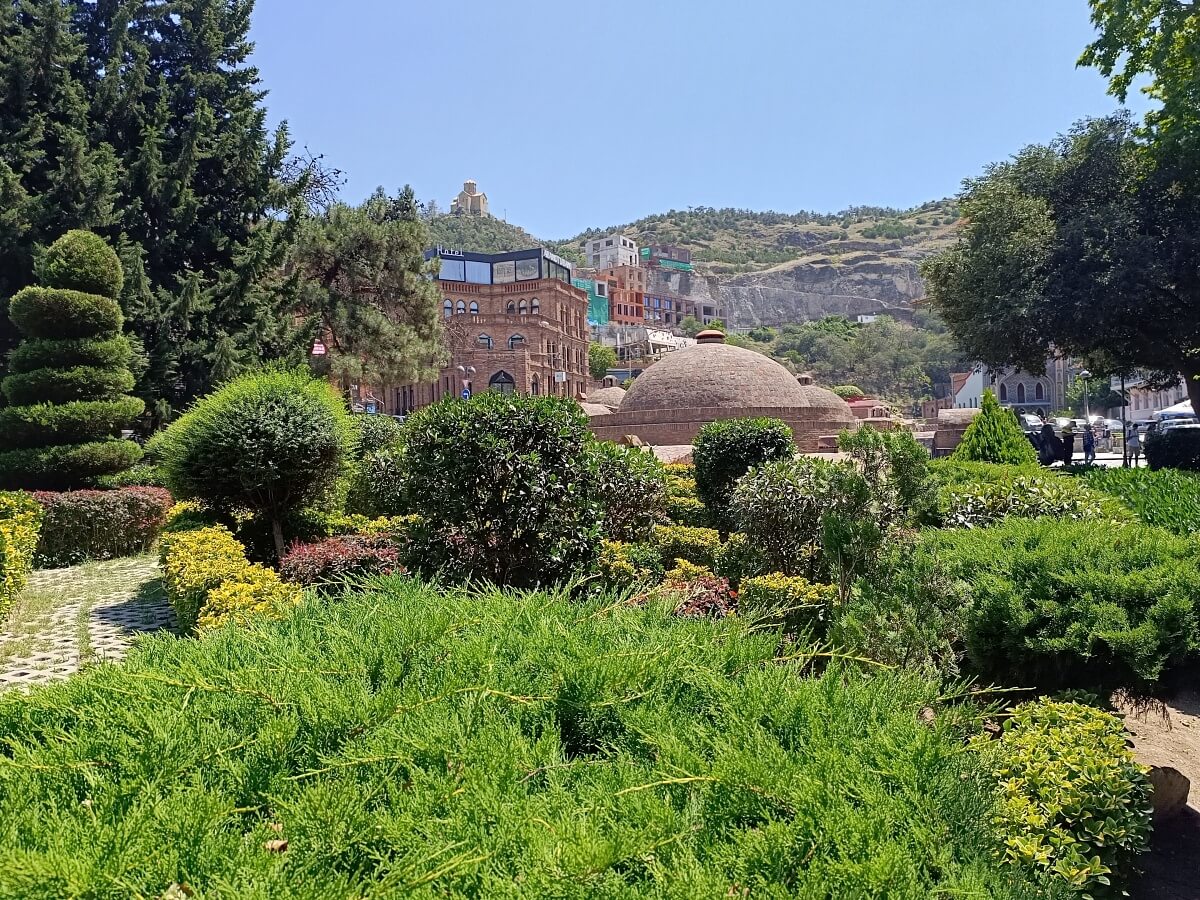
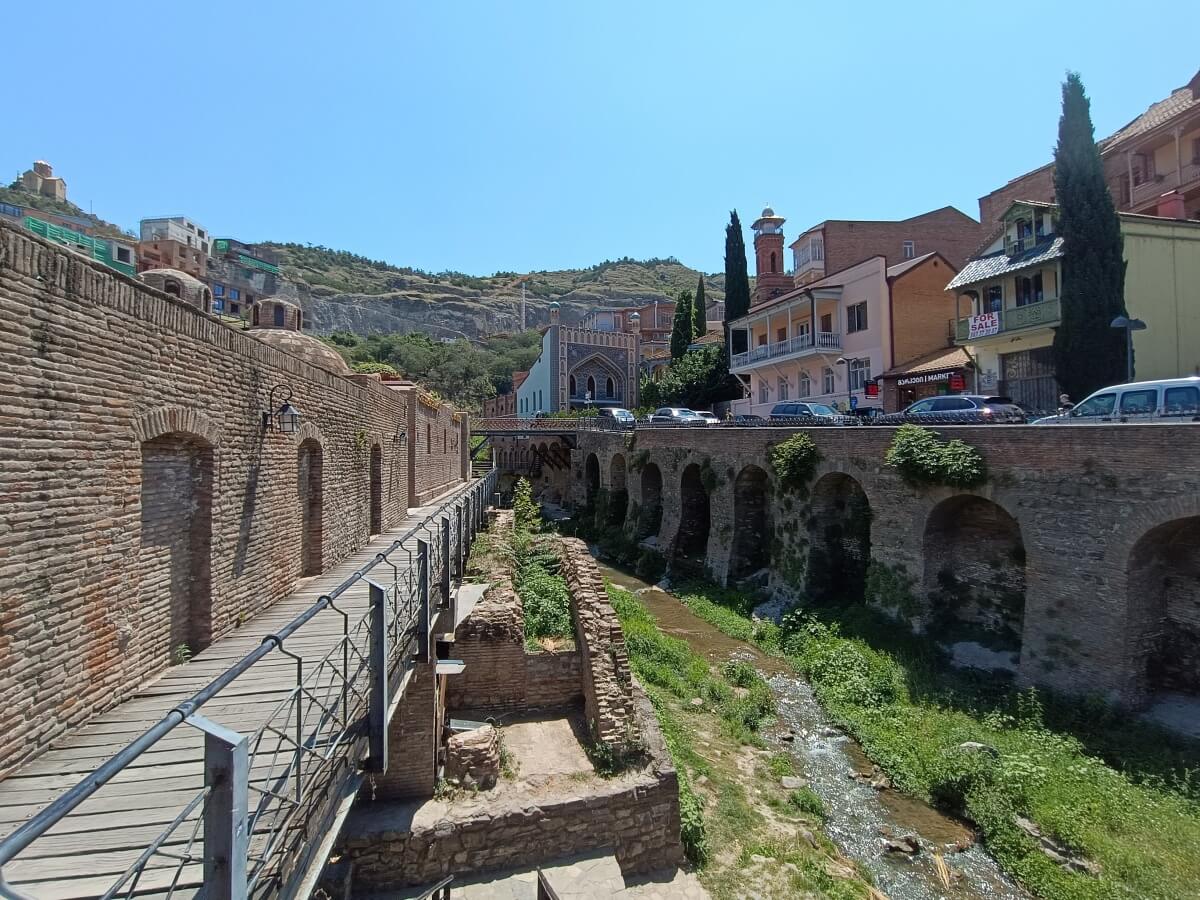
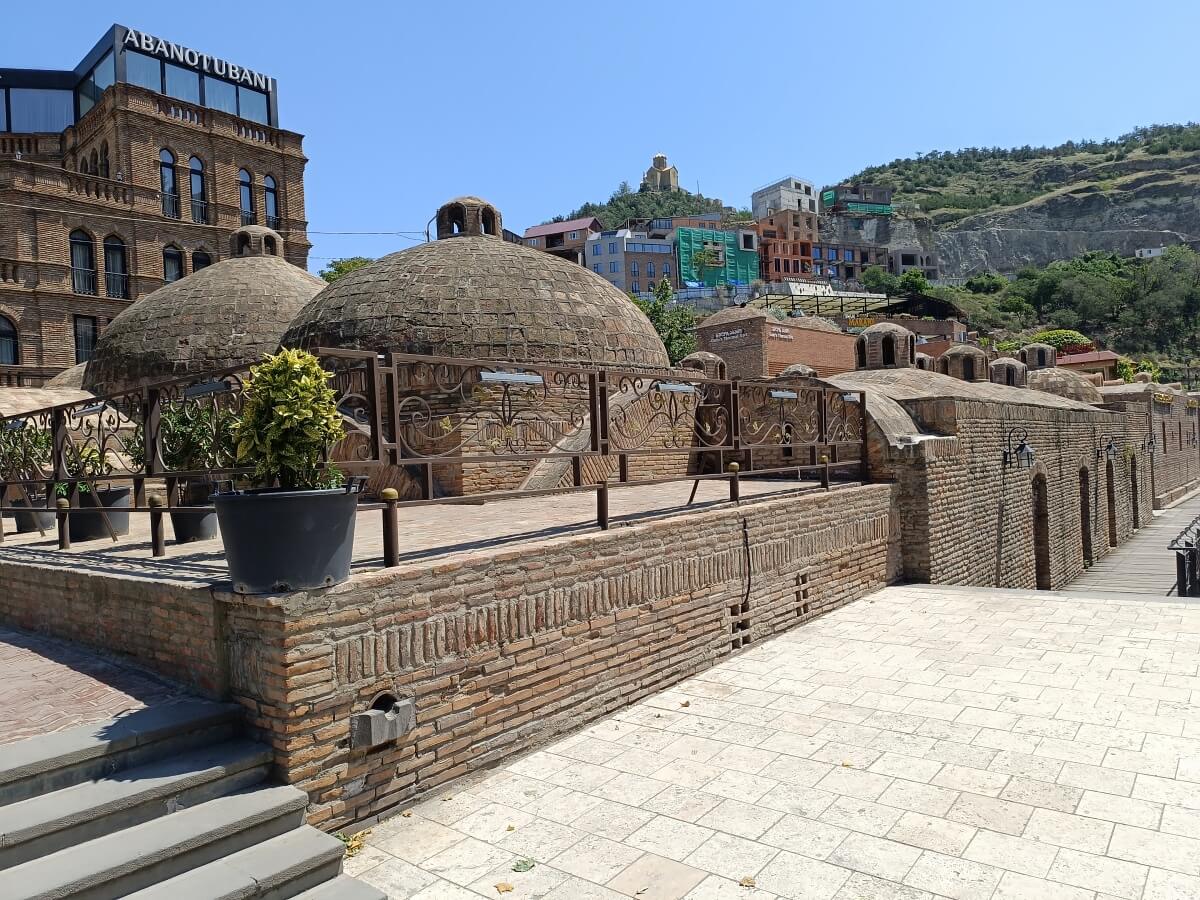
The steep walls of the gorge, dense development, and extensive use of traditional Georgian brick create an incredibly expressive urban landscape.
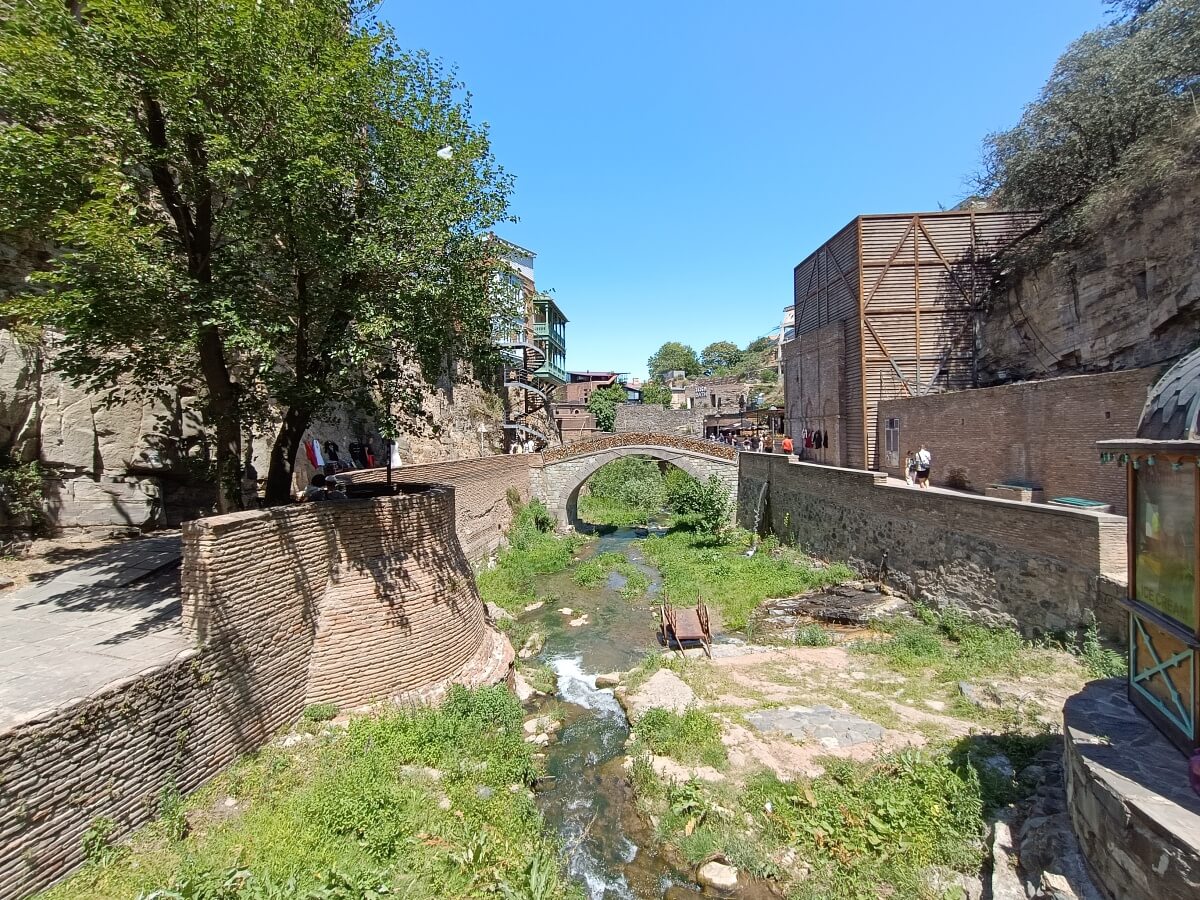
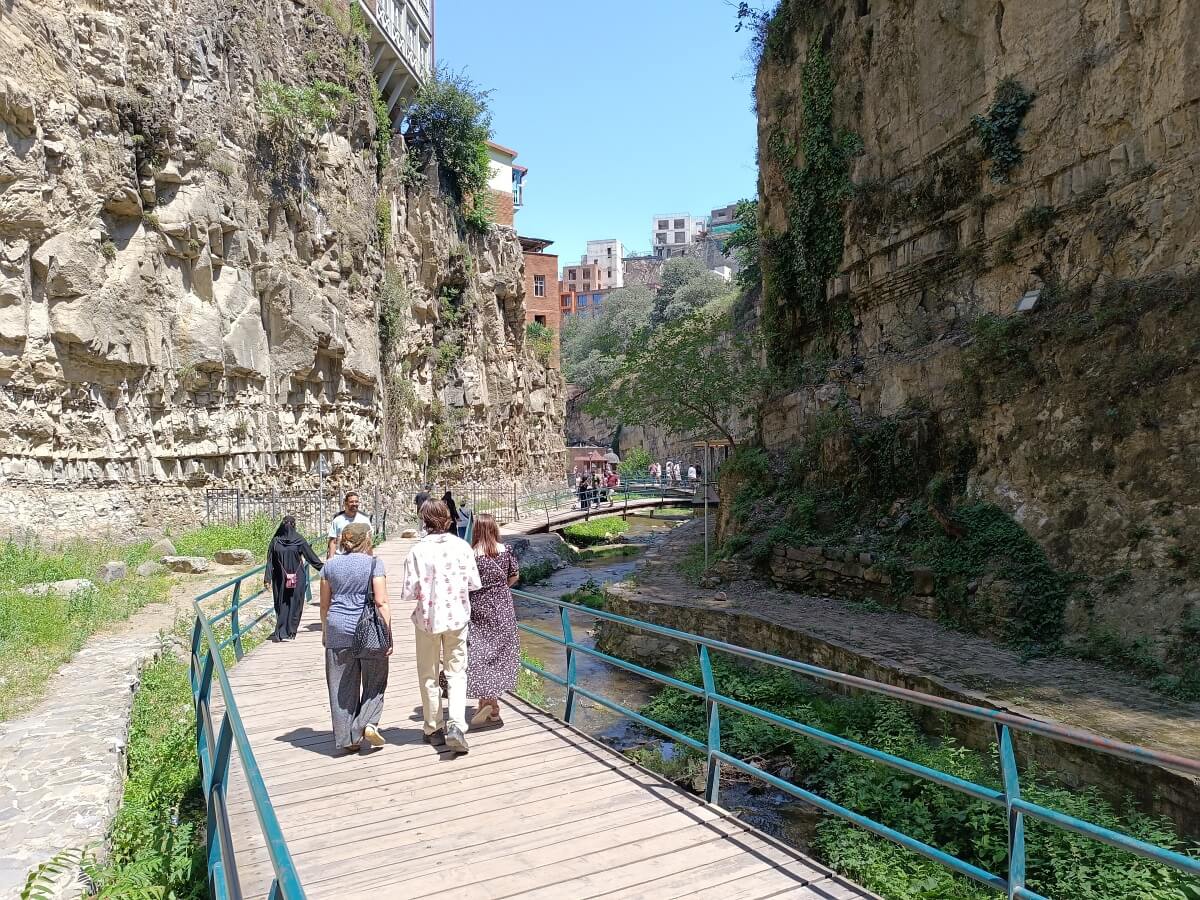
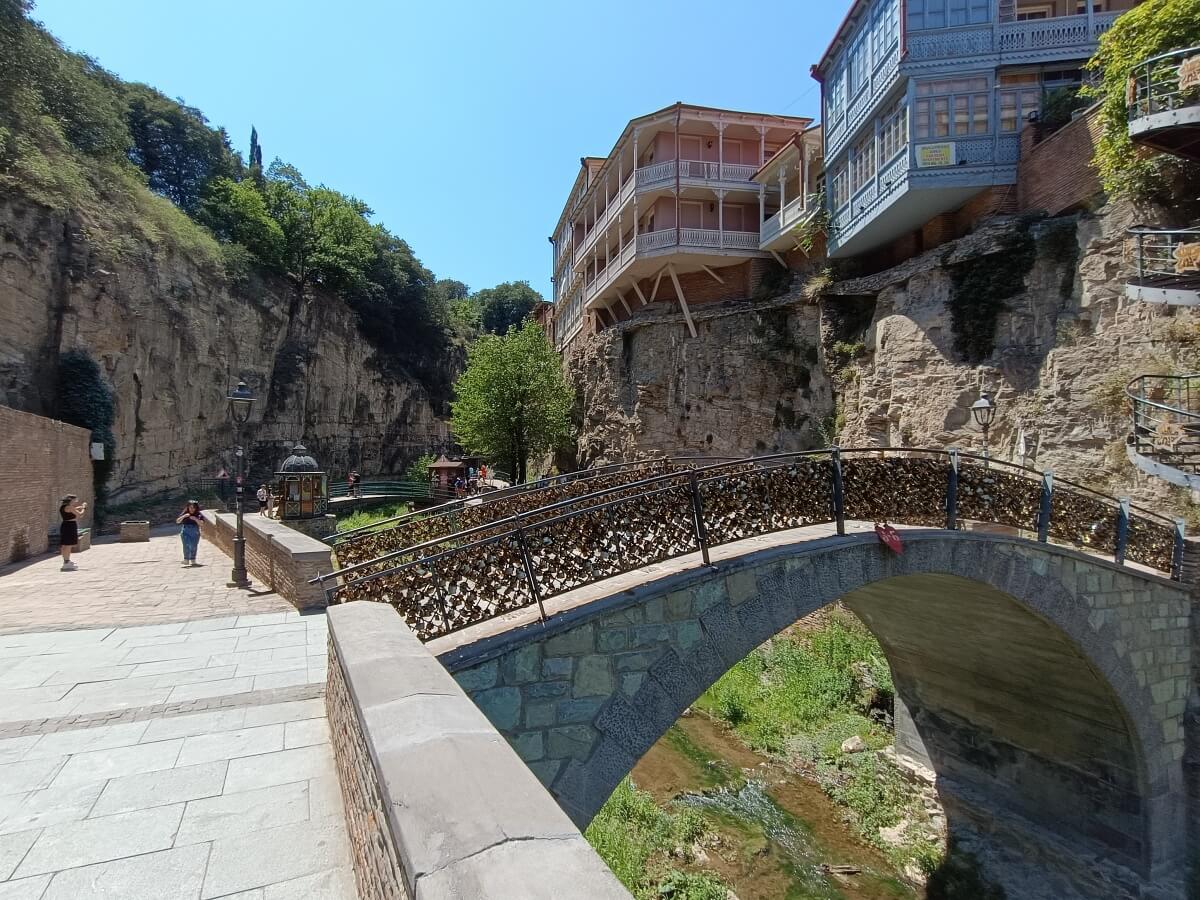
View toward Ioseb Grishashvili Street:
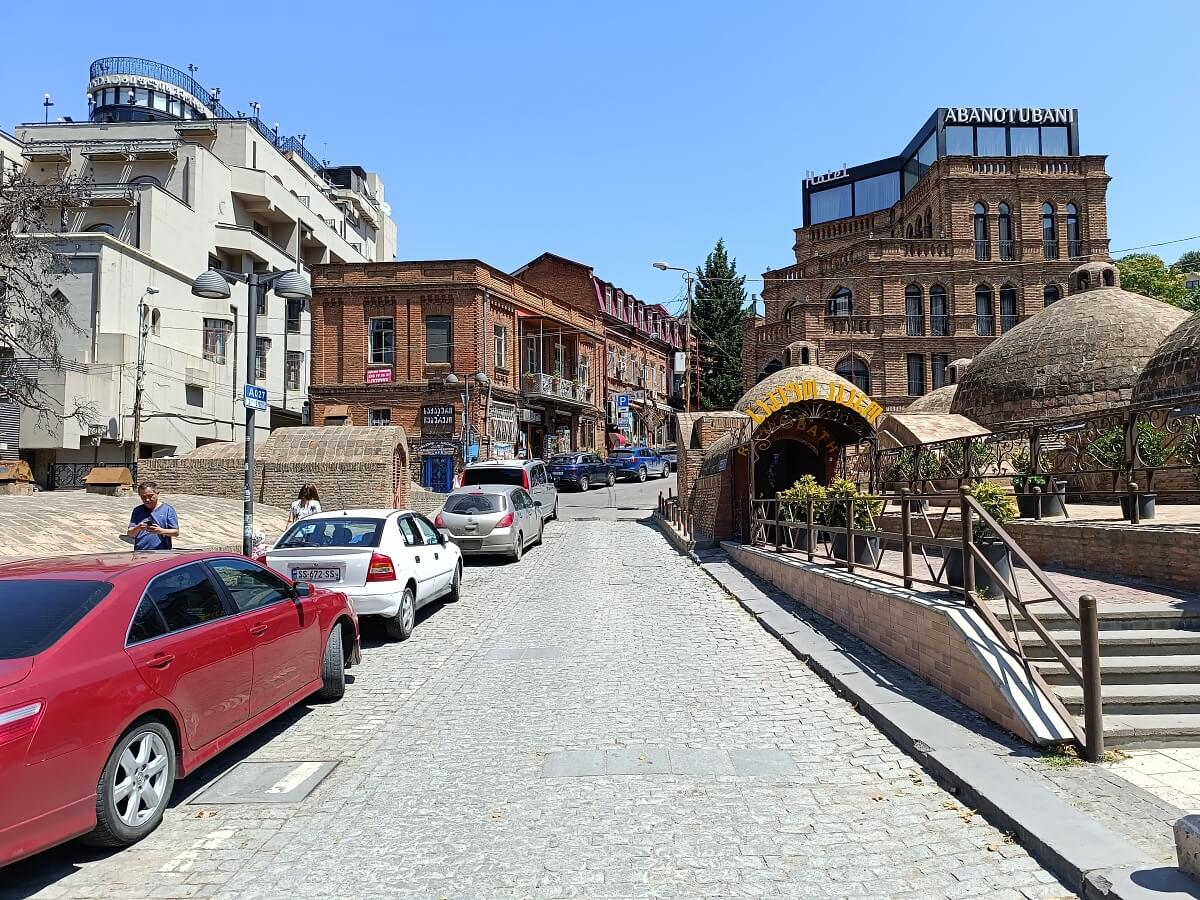
In the 1st Abano Lane:
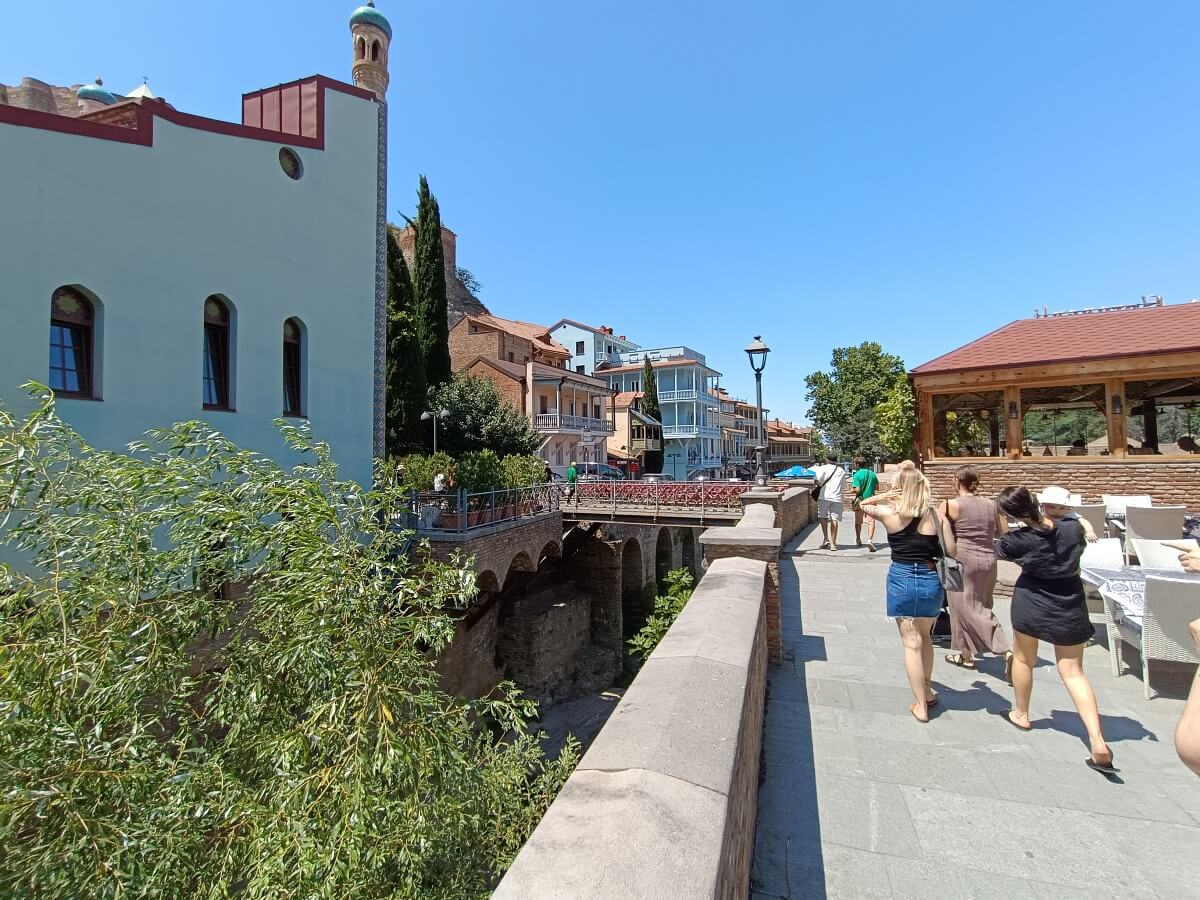
Although the Old Town can be entered from many directions, including from Freedom Square, most locals and visitors approach it through Vakhtang Gorgasali Square. It perfectly reflects the character of the historic core: very old buildings, low-rise development, and a slow, relaxed rhythm of life.
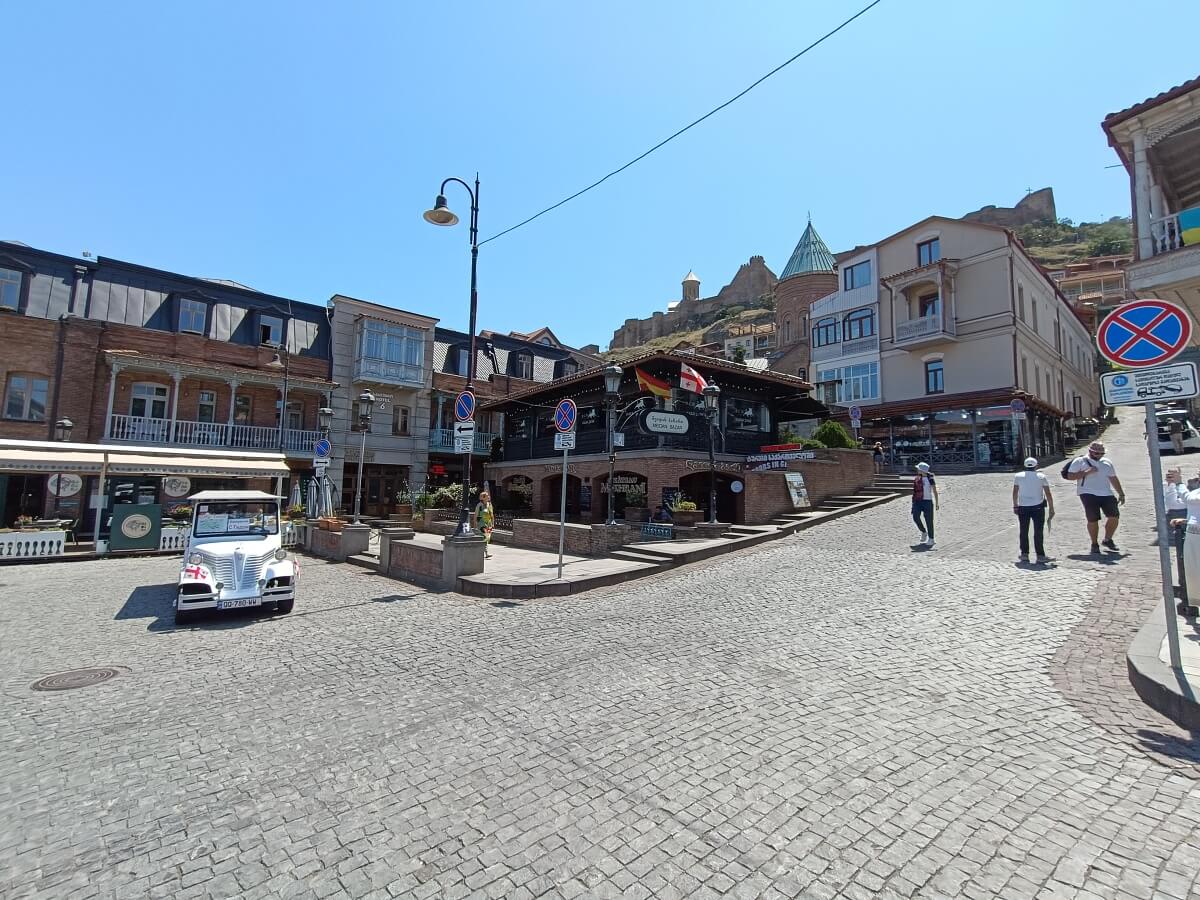
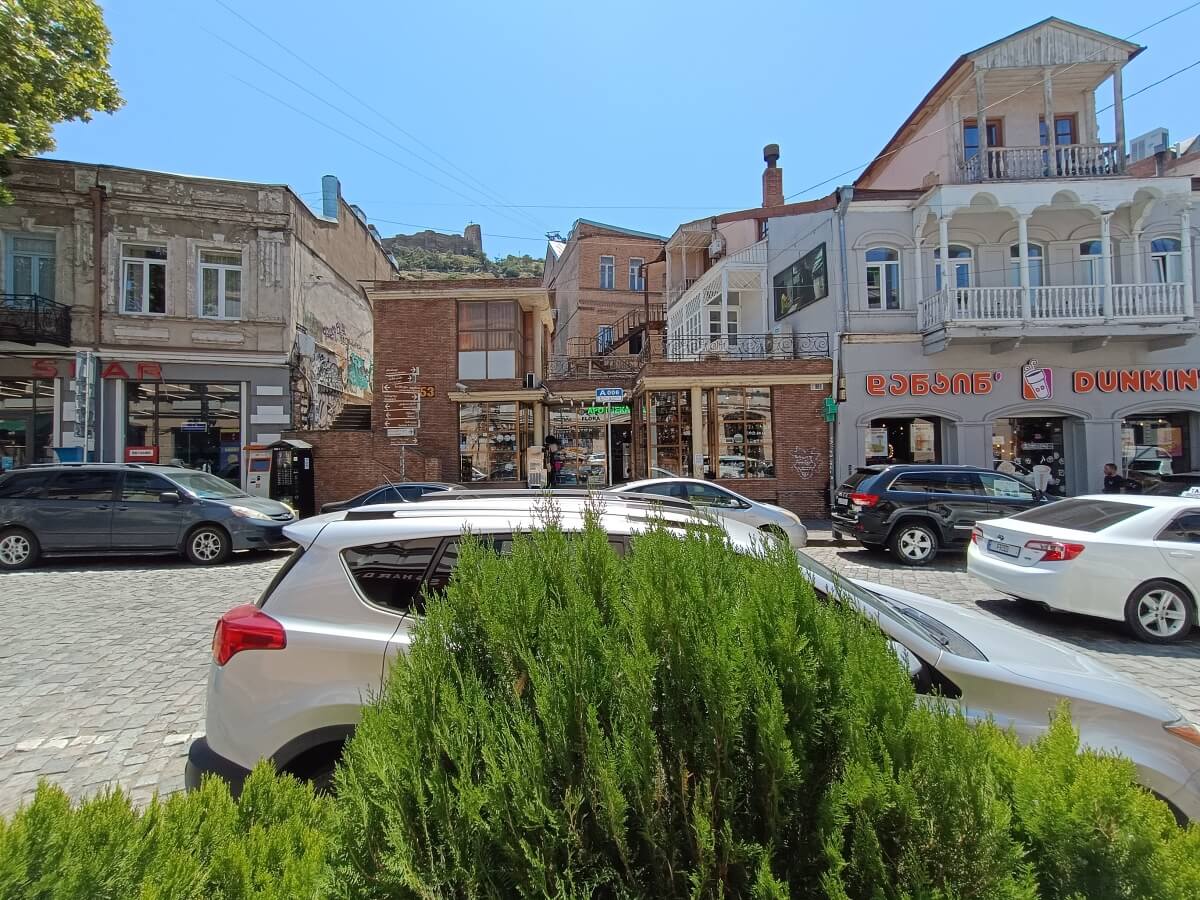
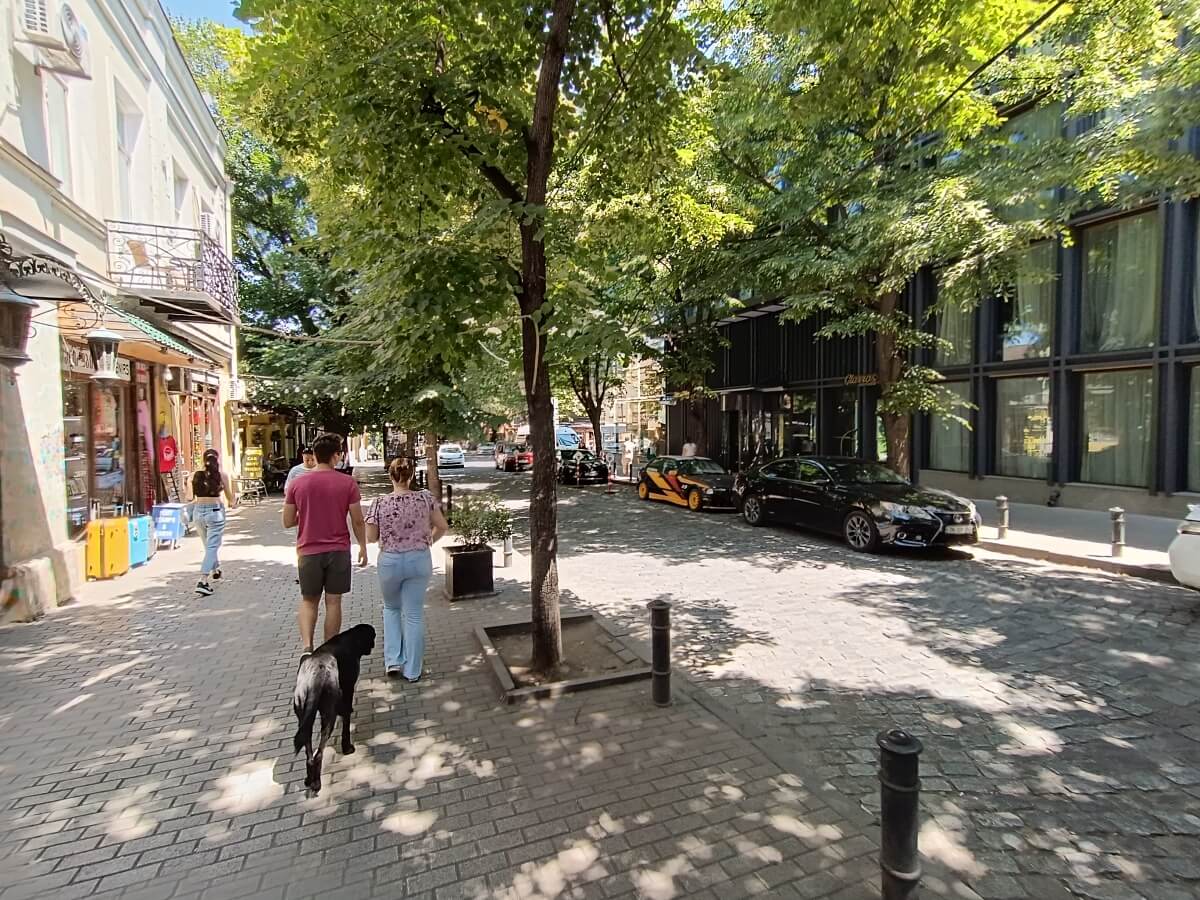
The same atmosphere defines the Old Town’s main artery — Kote Abkhazi Street:
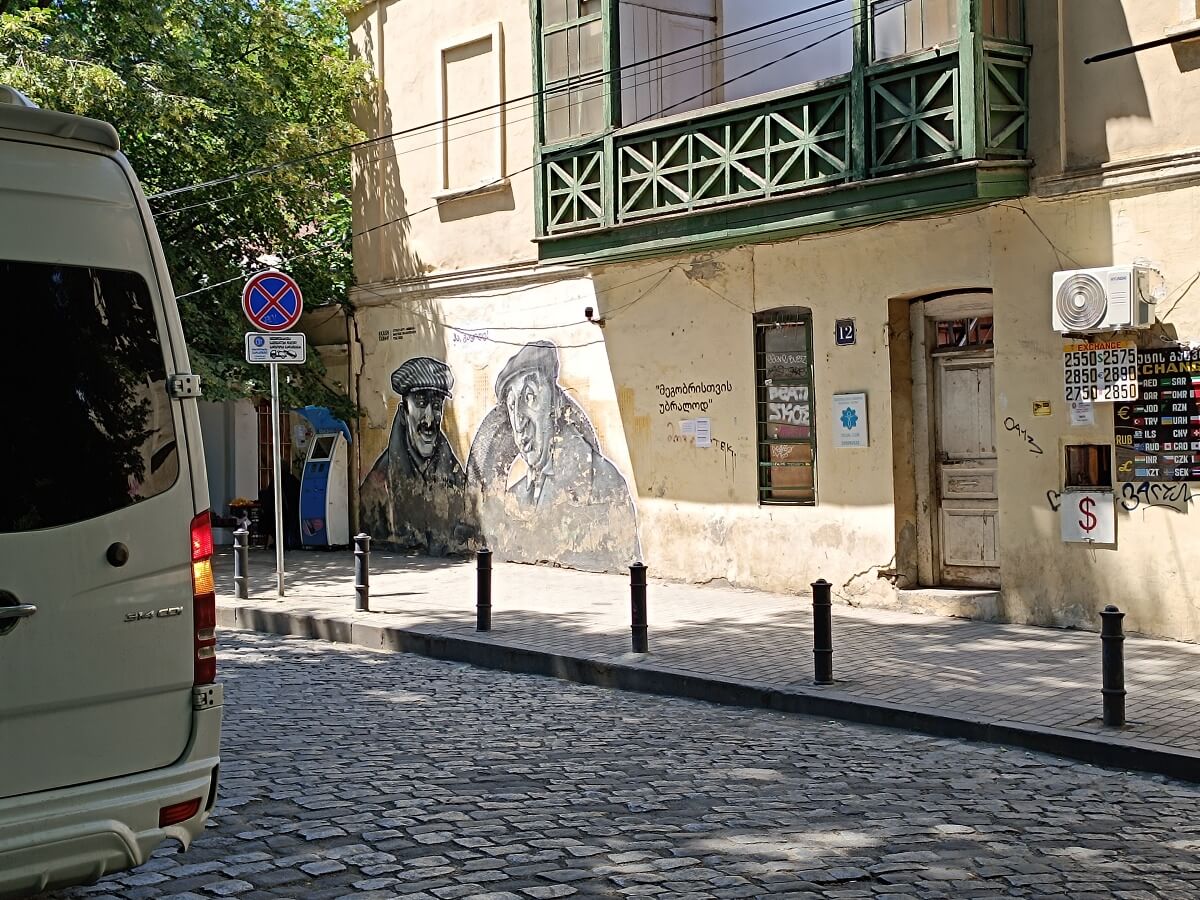
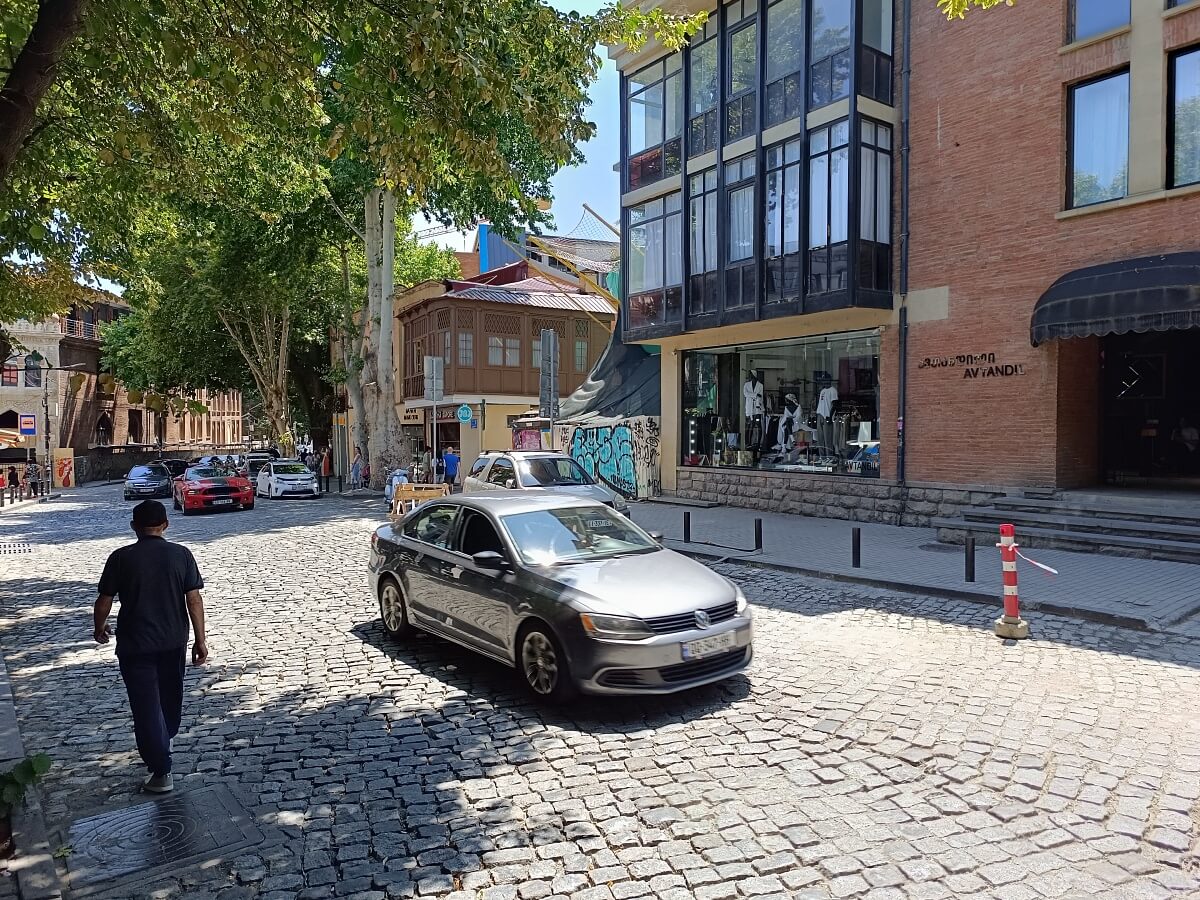
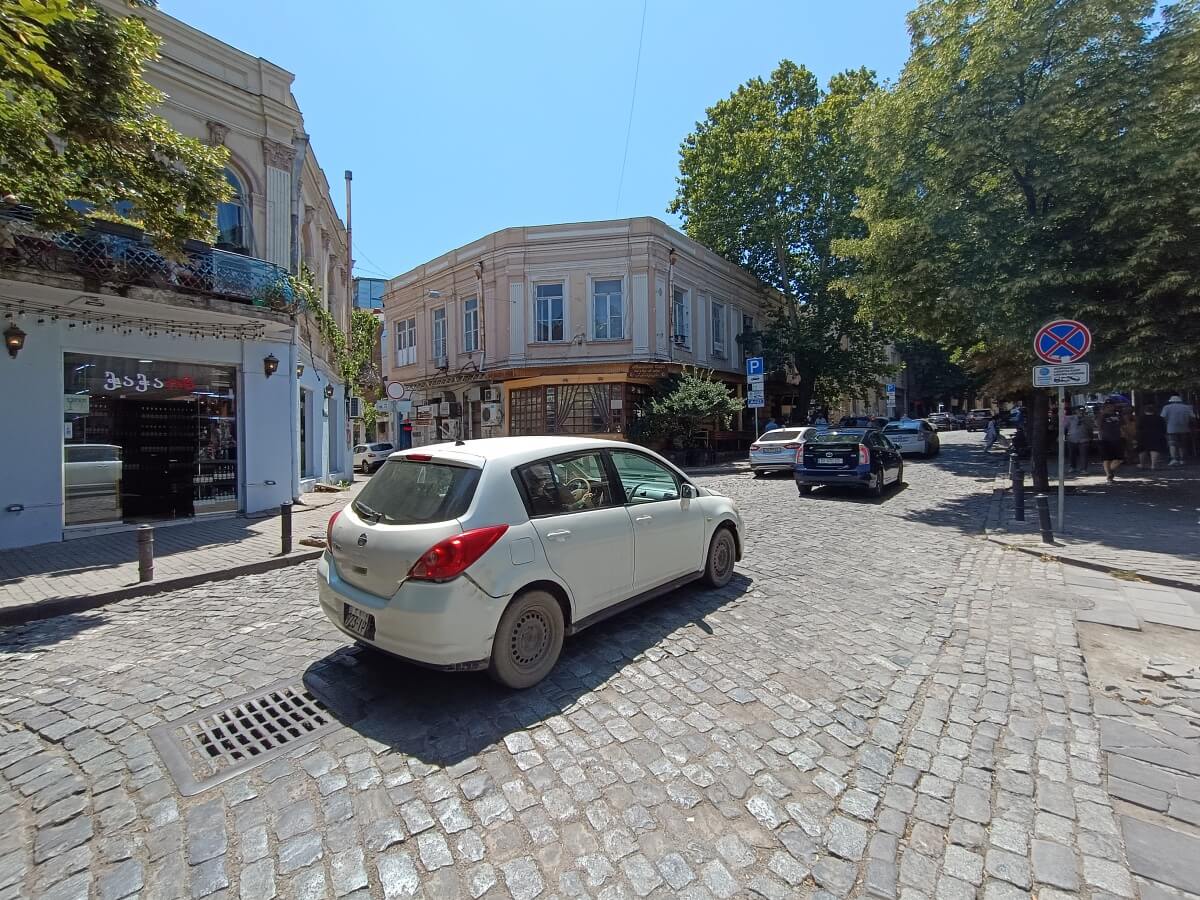
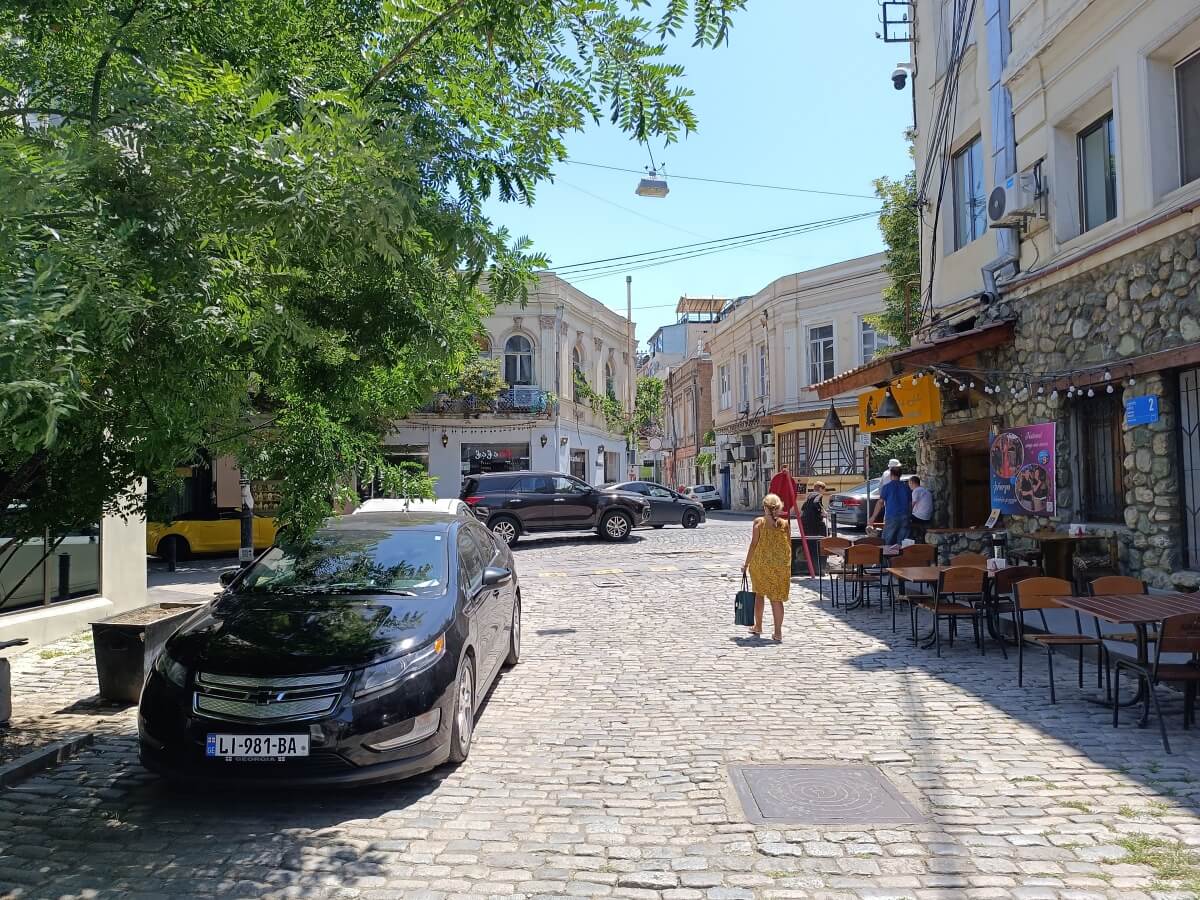
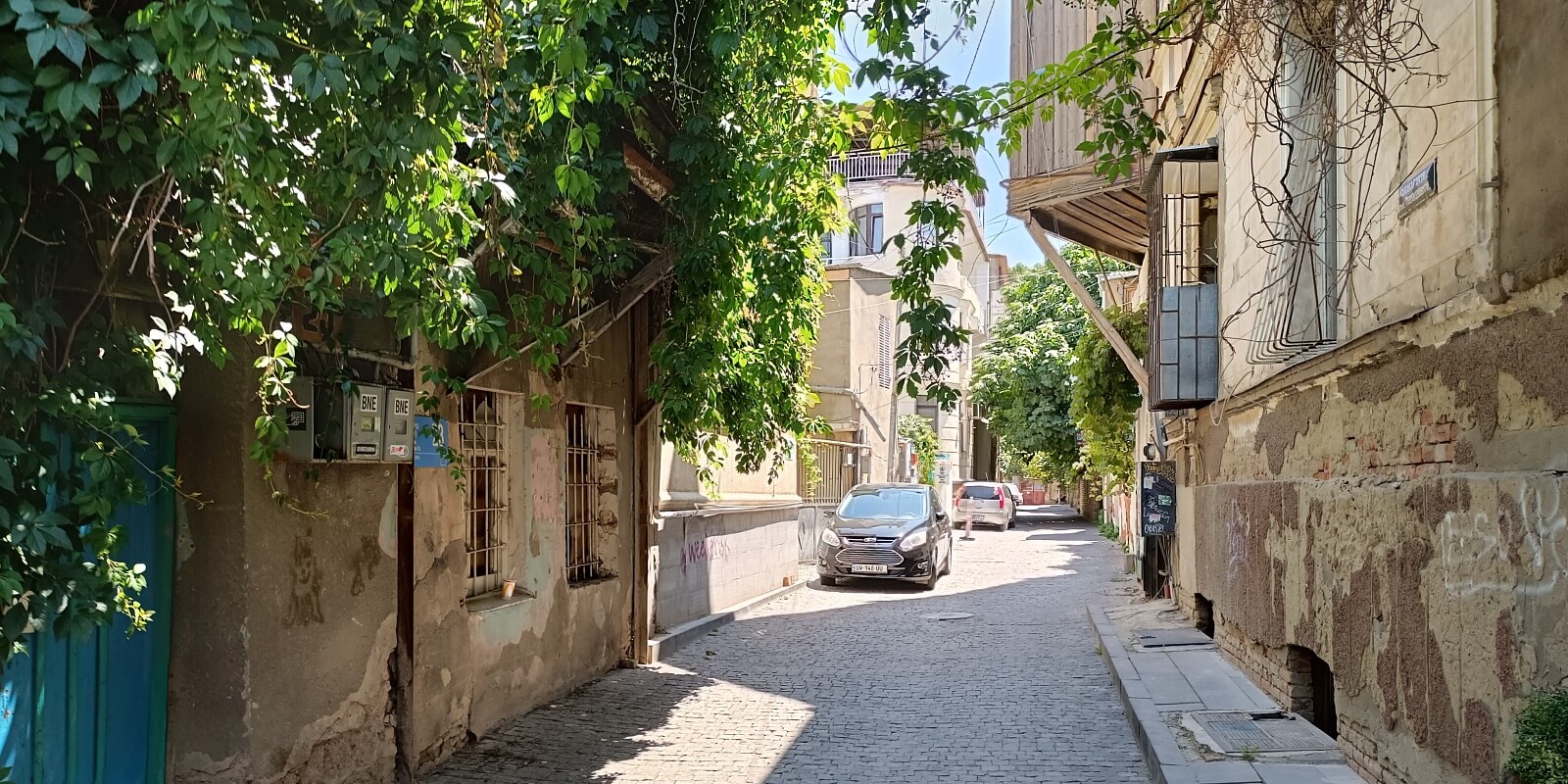
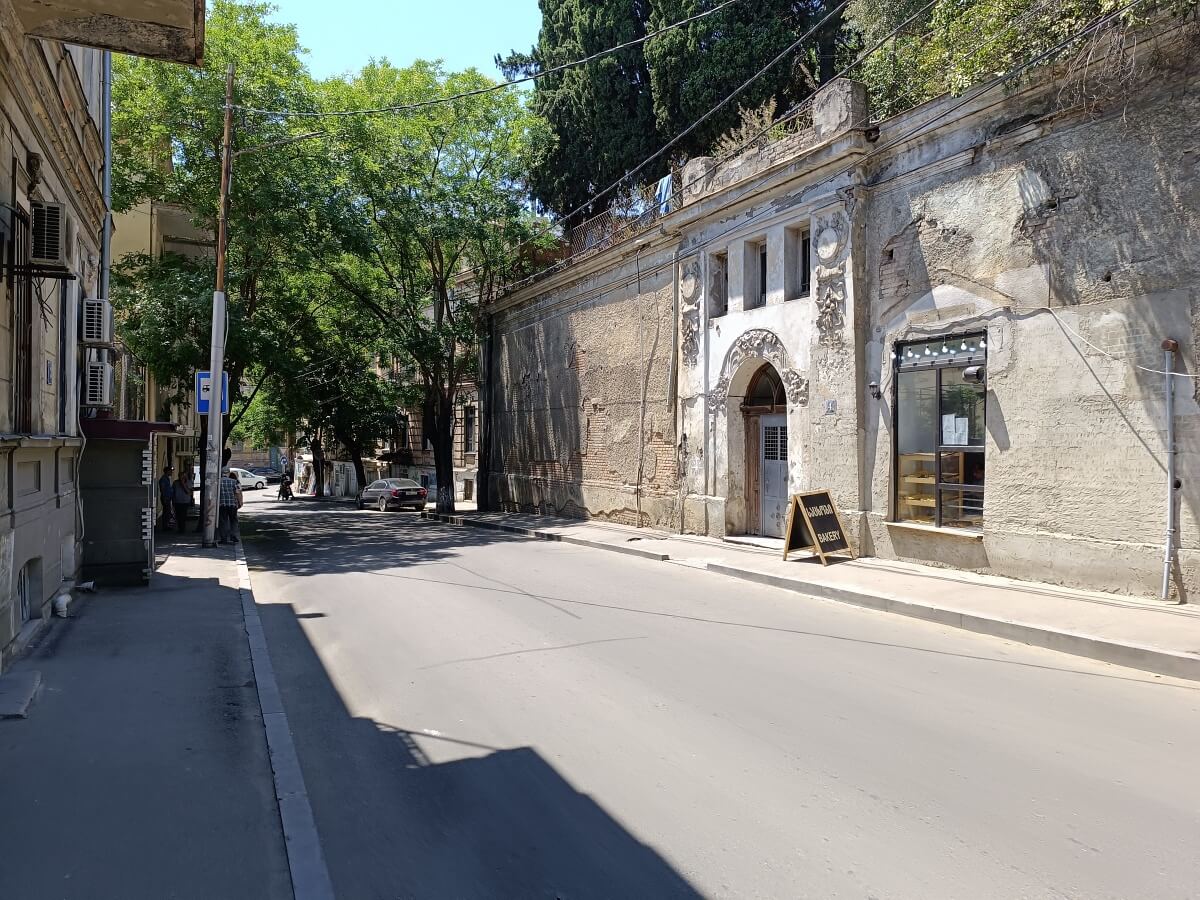
But step slightly away from Kote Abkhazi, and the picture changes completely. Commercial demand for buildings hidden inside the narrow inner lanes remains low, so these streets stay mostly residential and are often in poor condition. Revitalization moves slowly here.
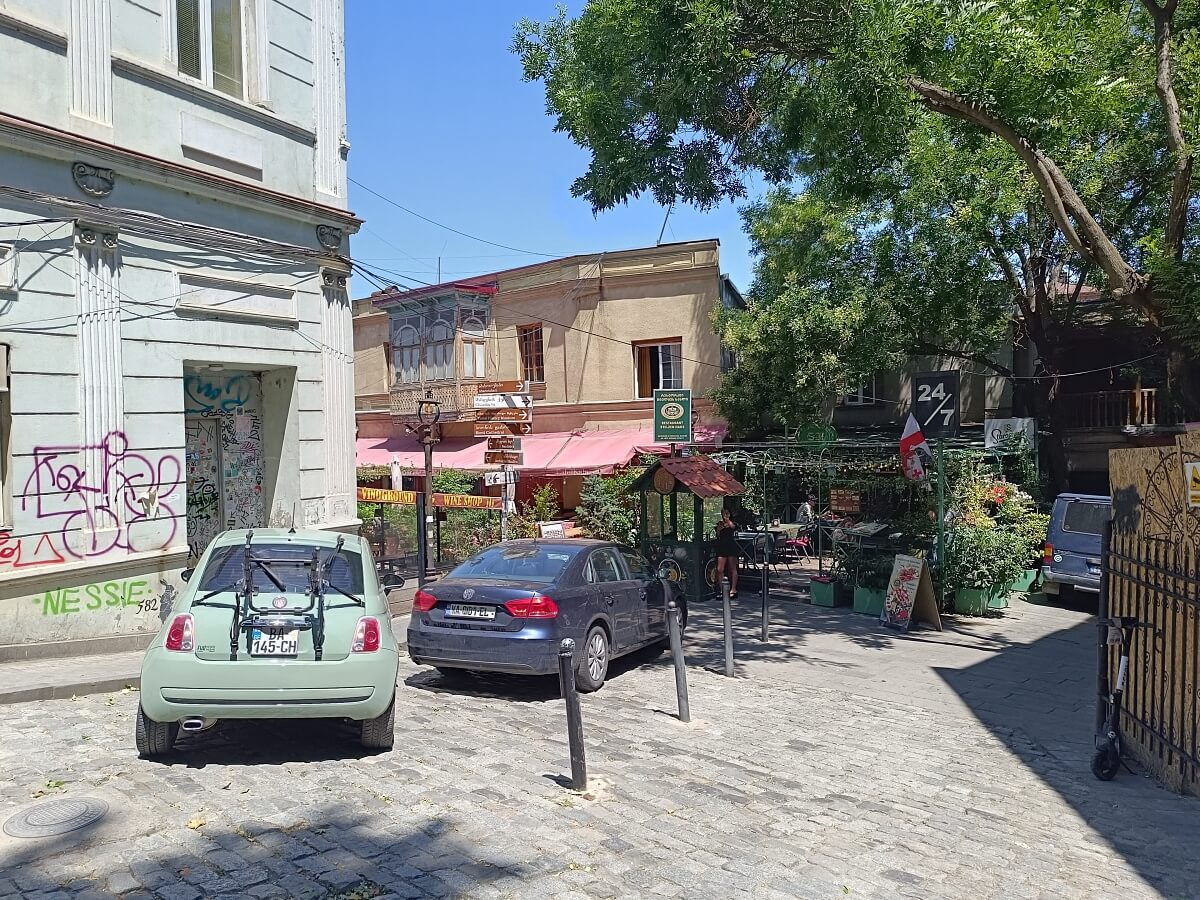
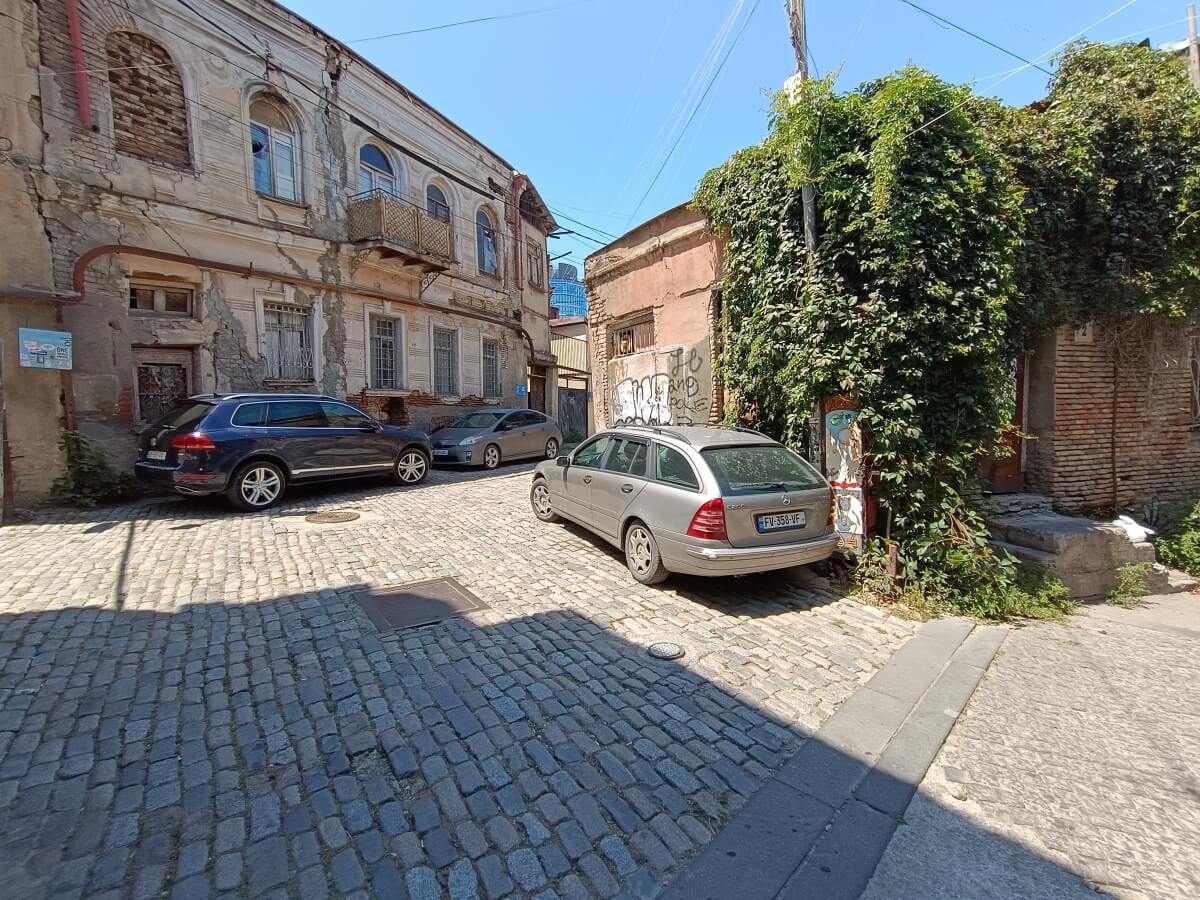
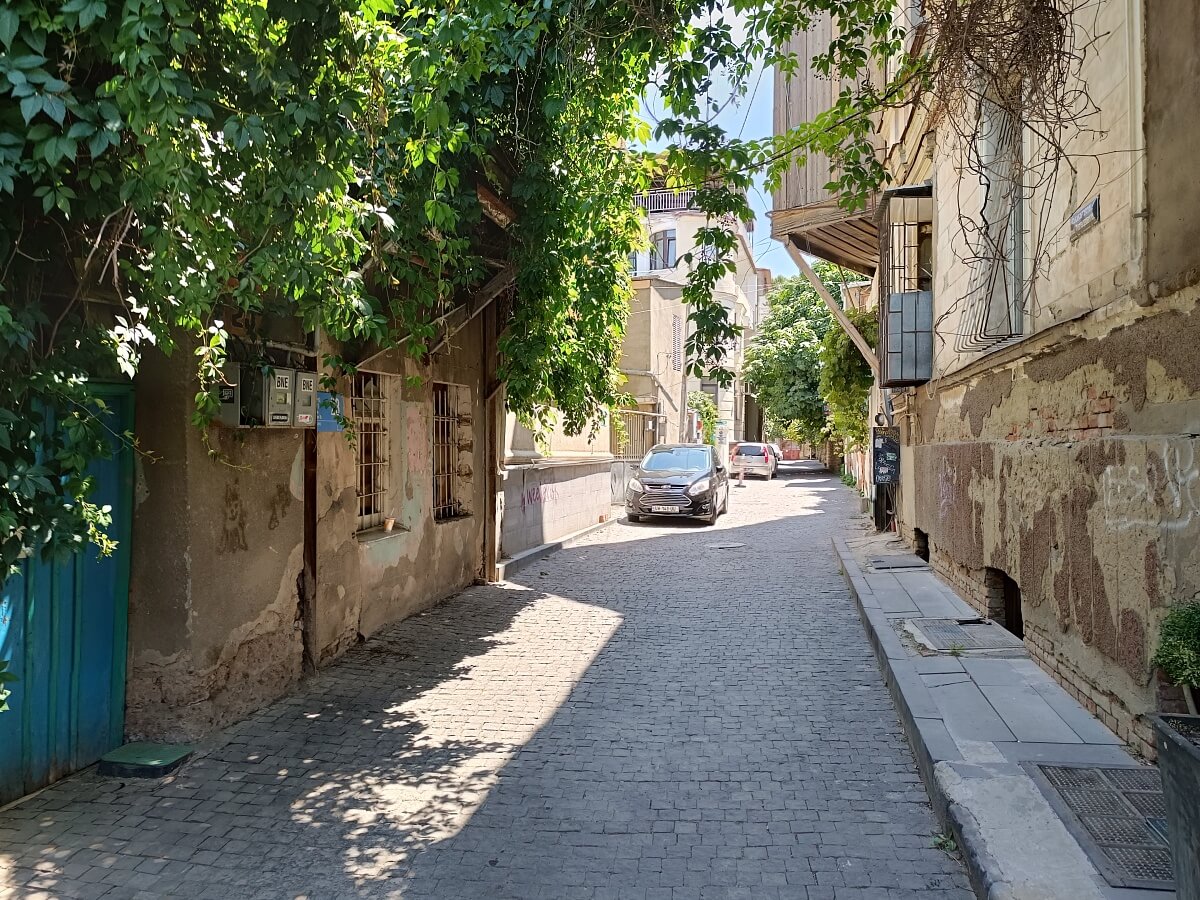
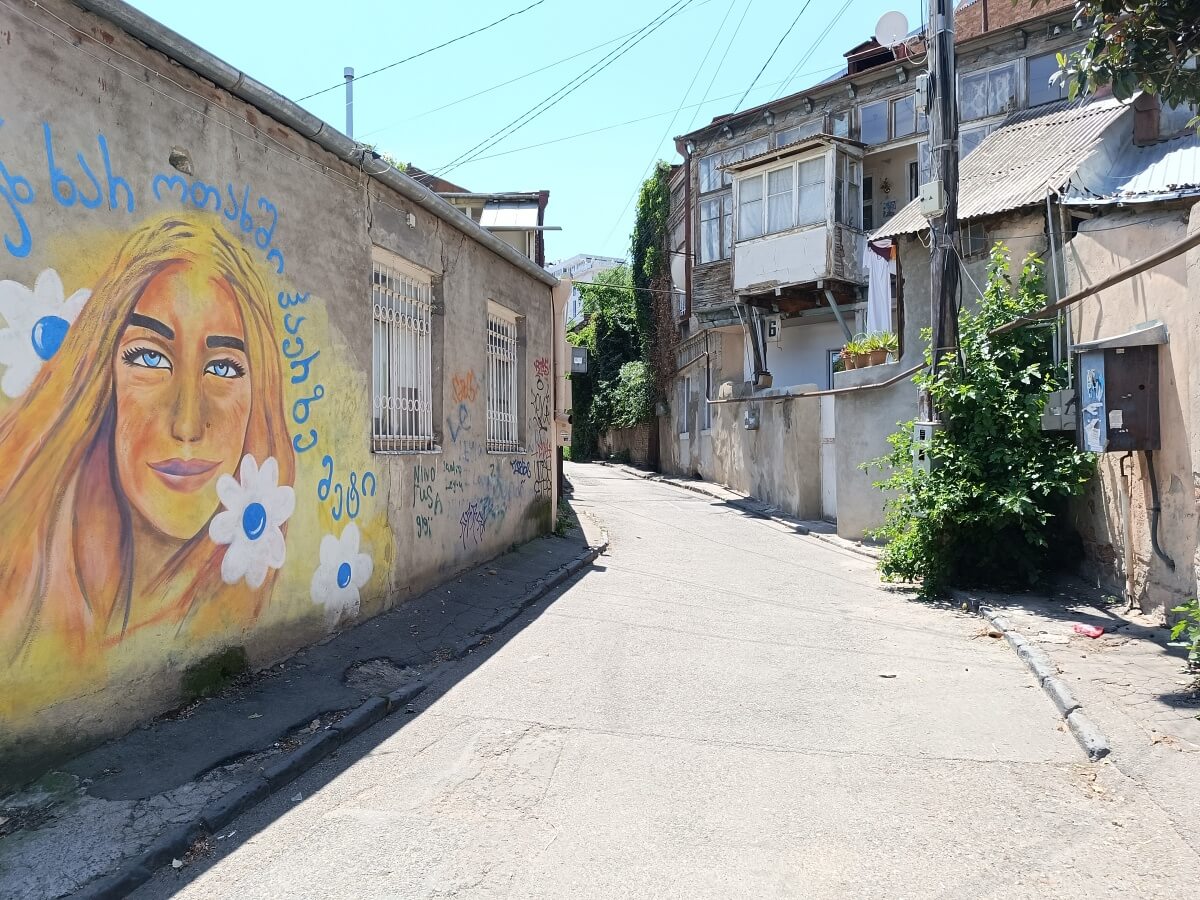
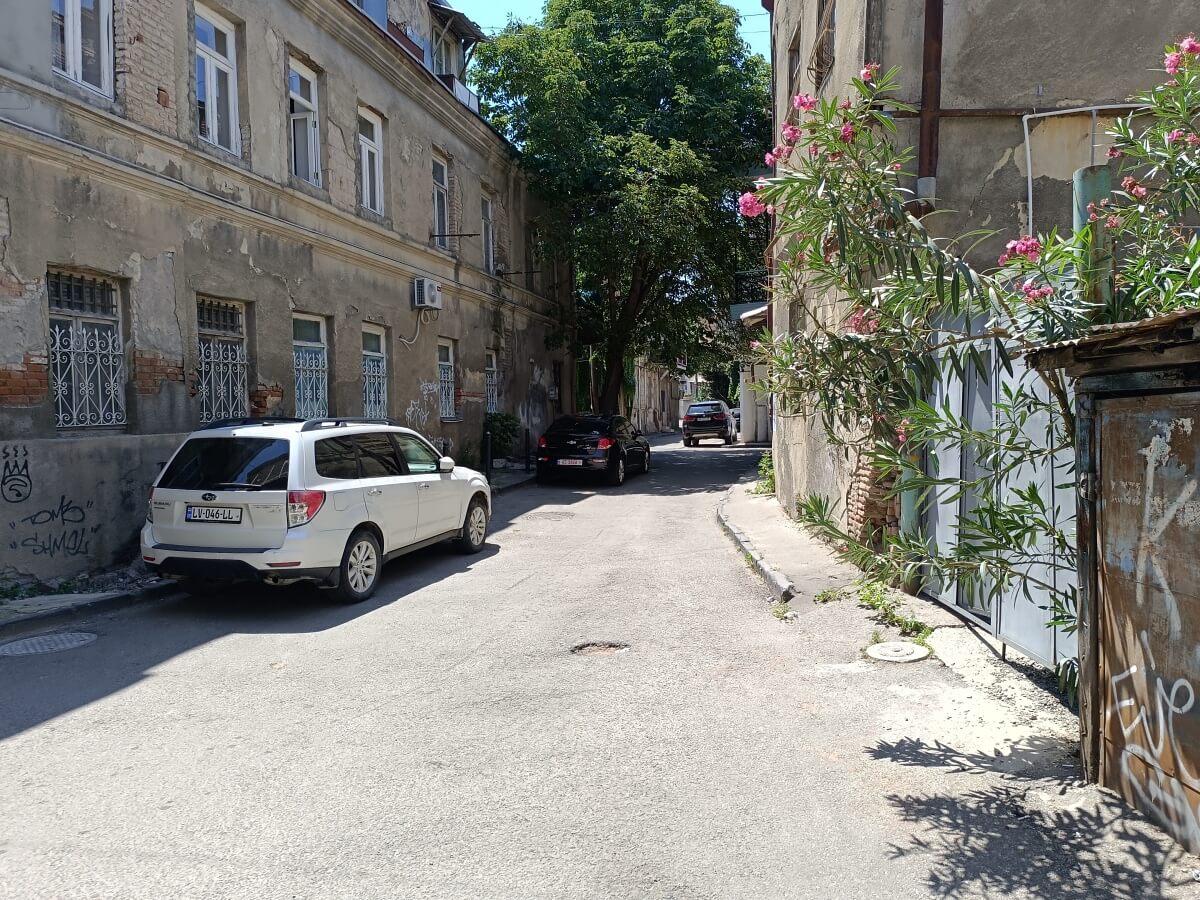
Tourists rarely wander into these alleys, and even pedestrians are uncommon, since relatively few people still live in these old houses. Yet they offer a rare glimpse into what Tbilisi looked like one hundred, two hundred, or even three hundred years ago.
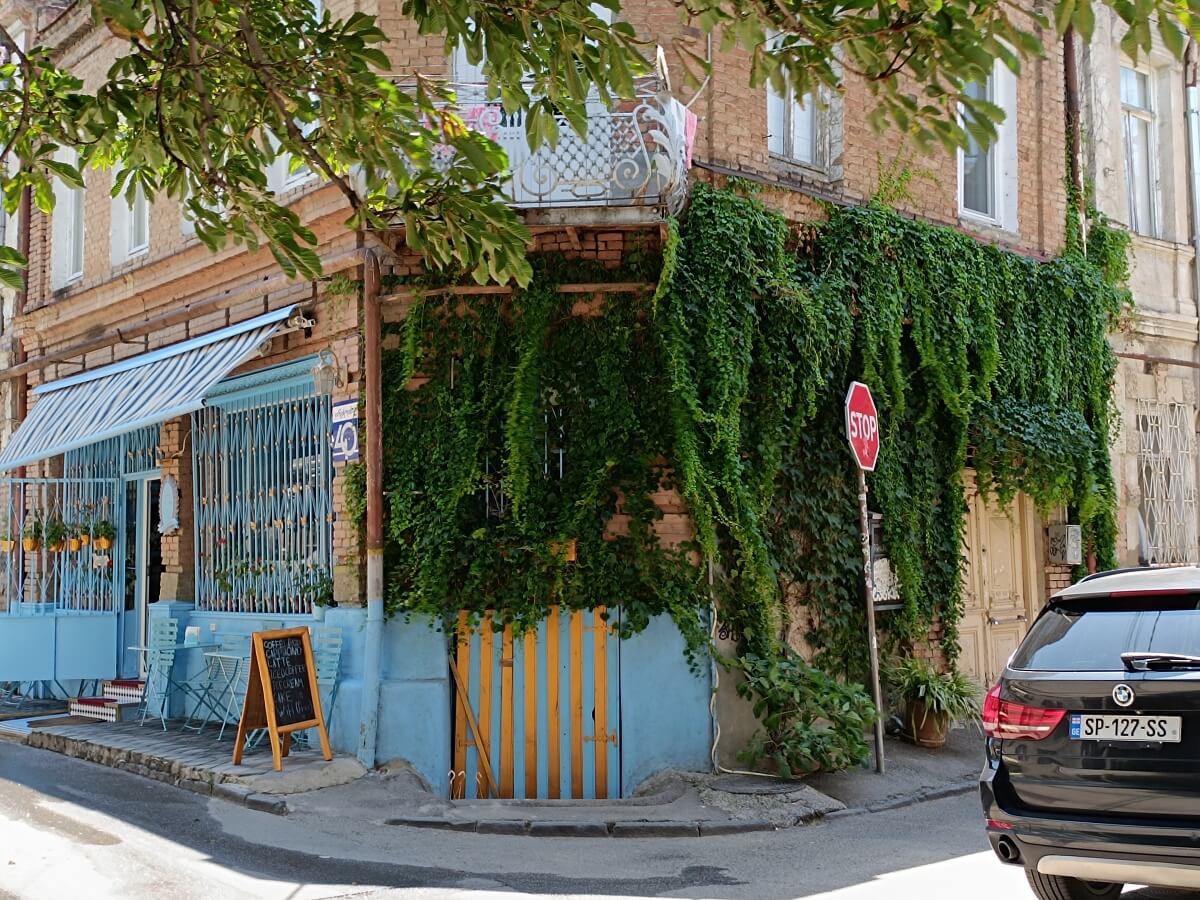
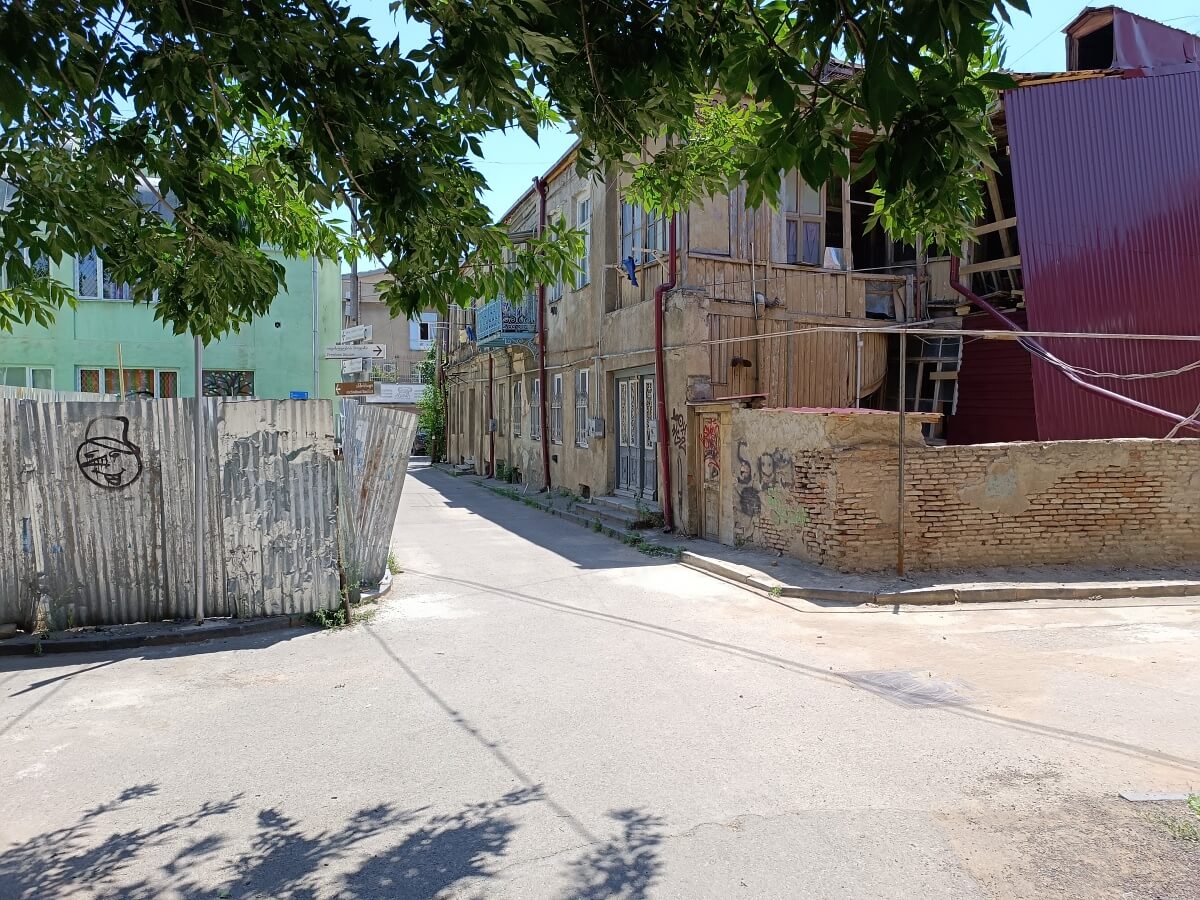
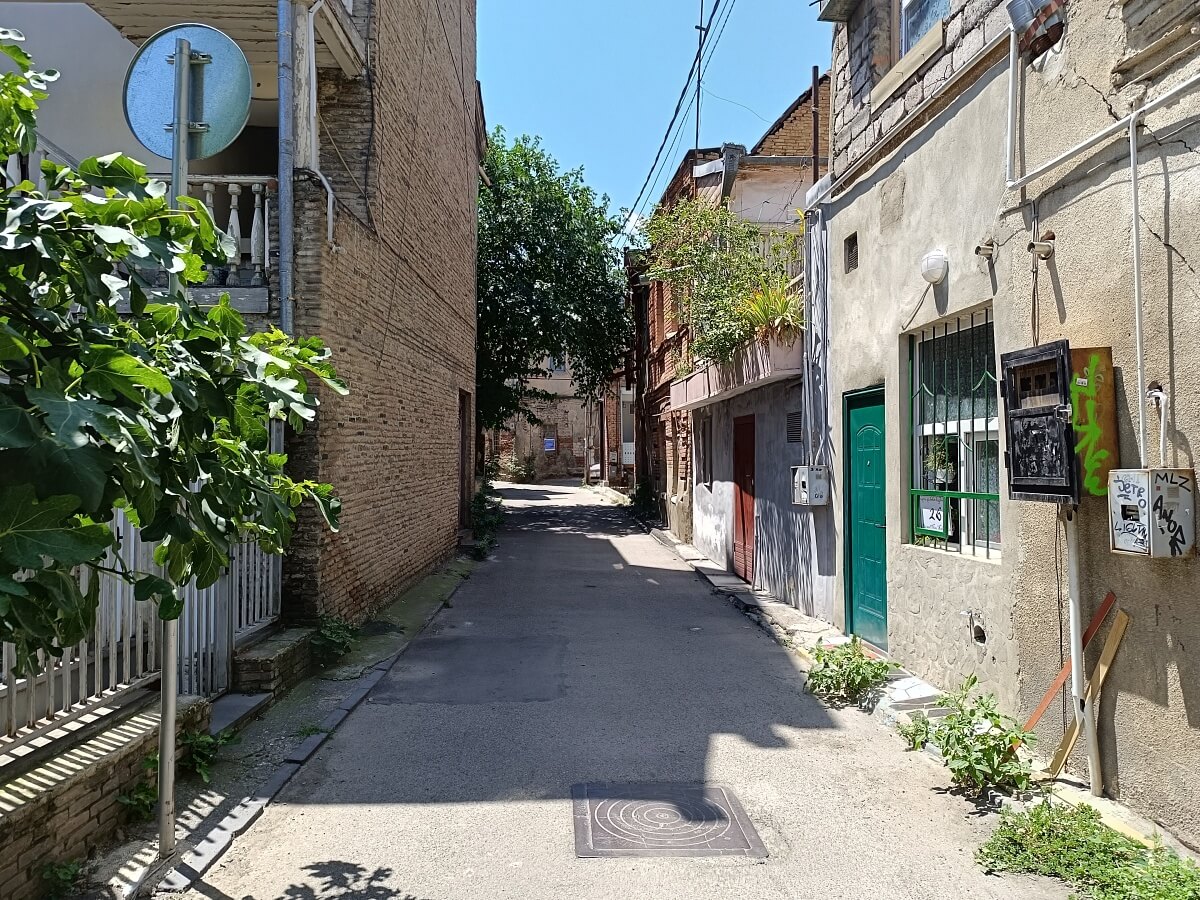
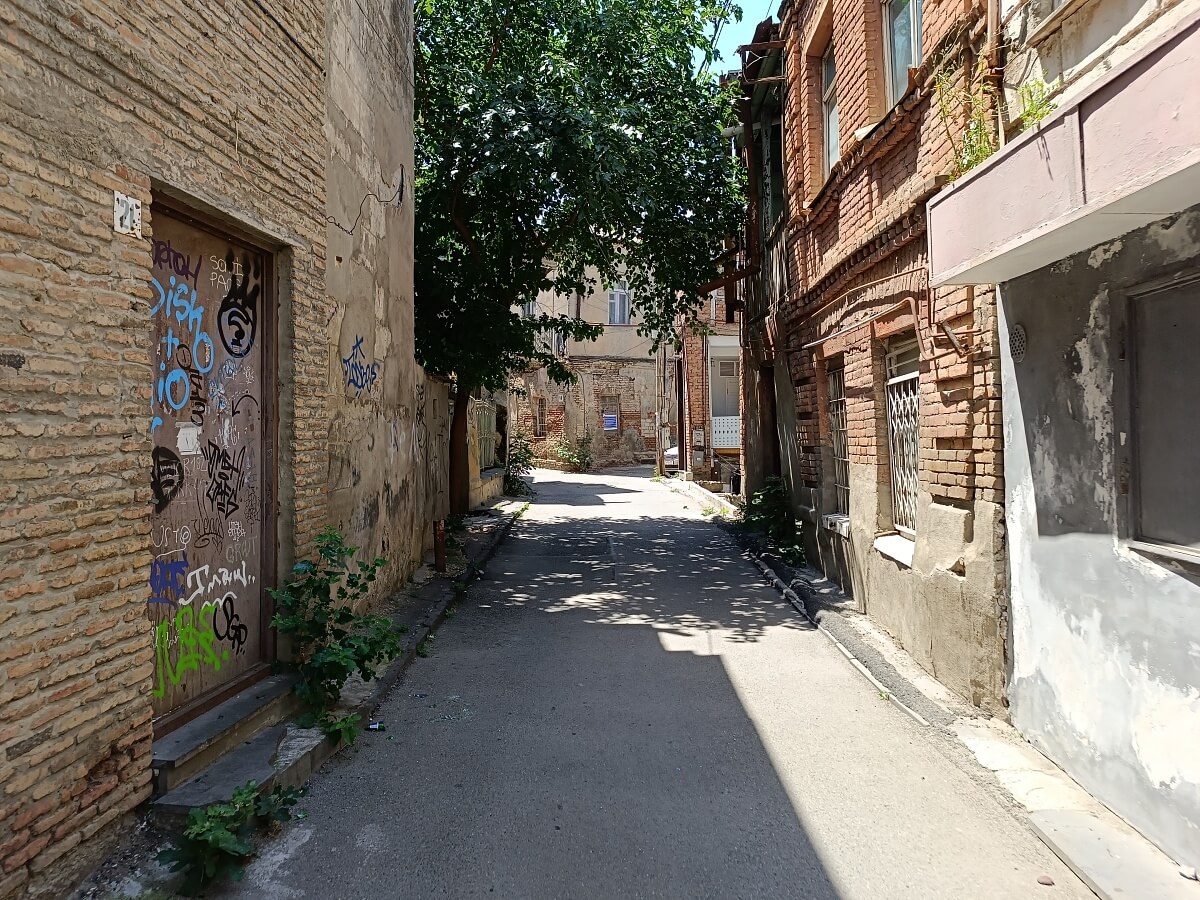
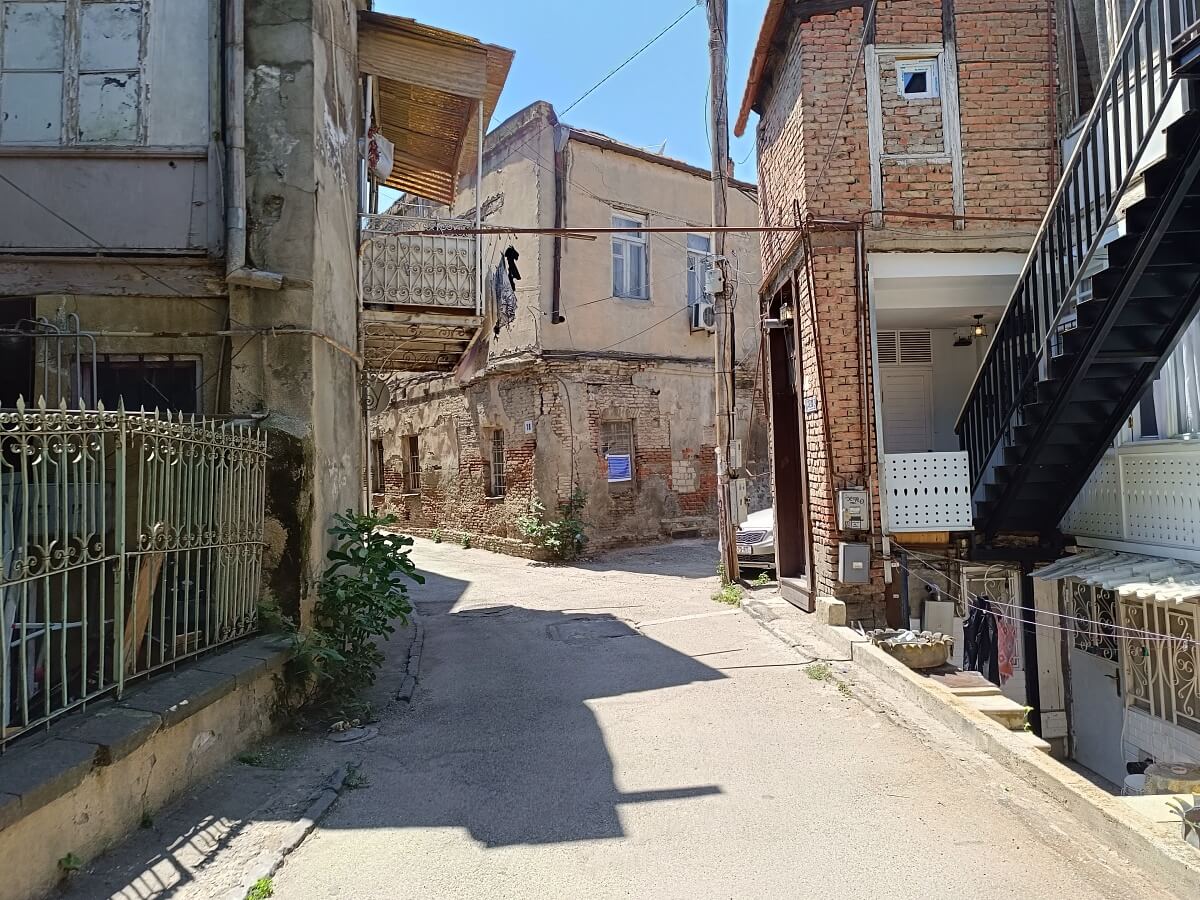
Winding like a snake, Kote Abkhazi Street eventually returns to Freedom Square from the southwest. Shalva Dadiani Street also connects here, famous for its magnificent plane trees:
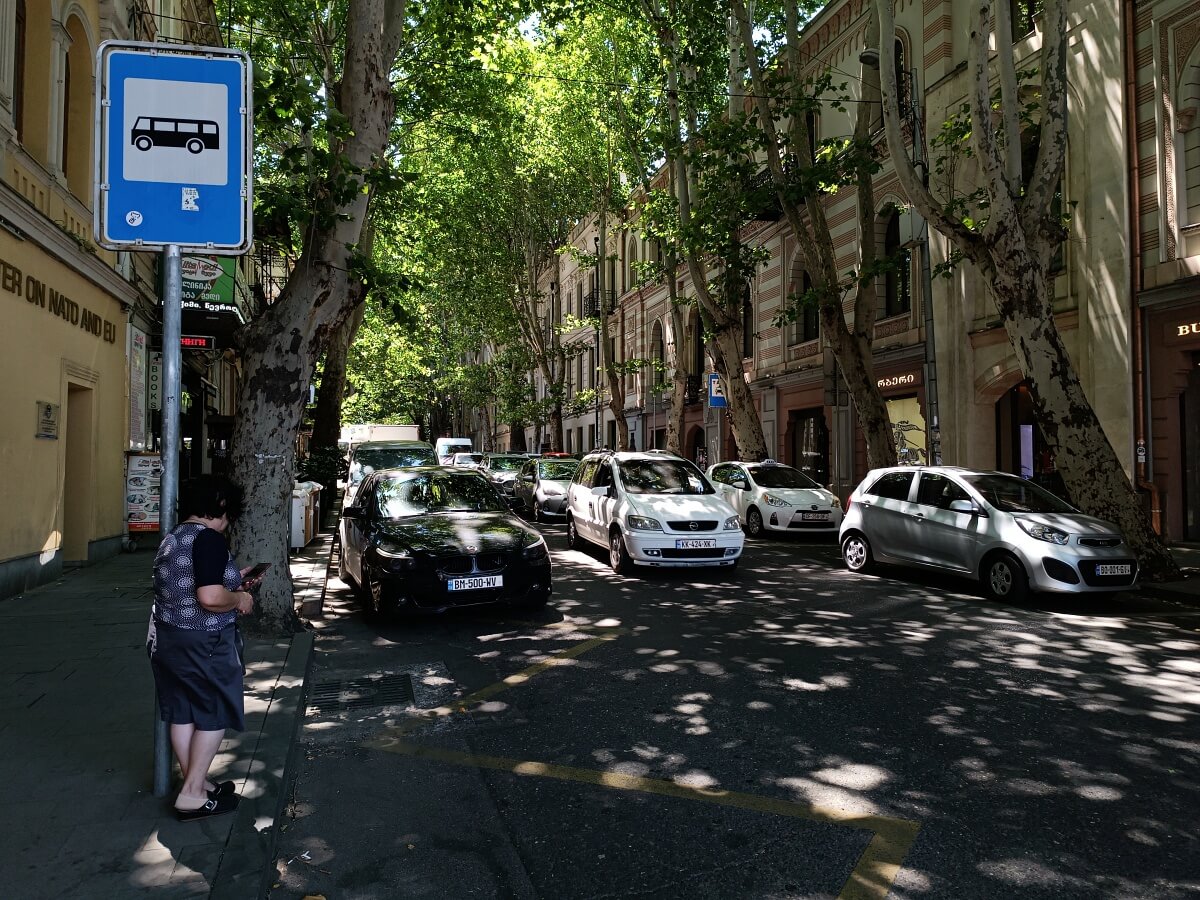
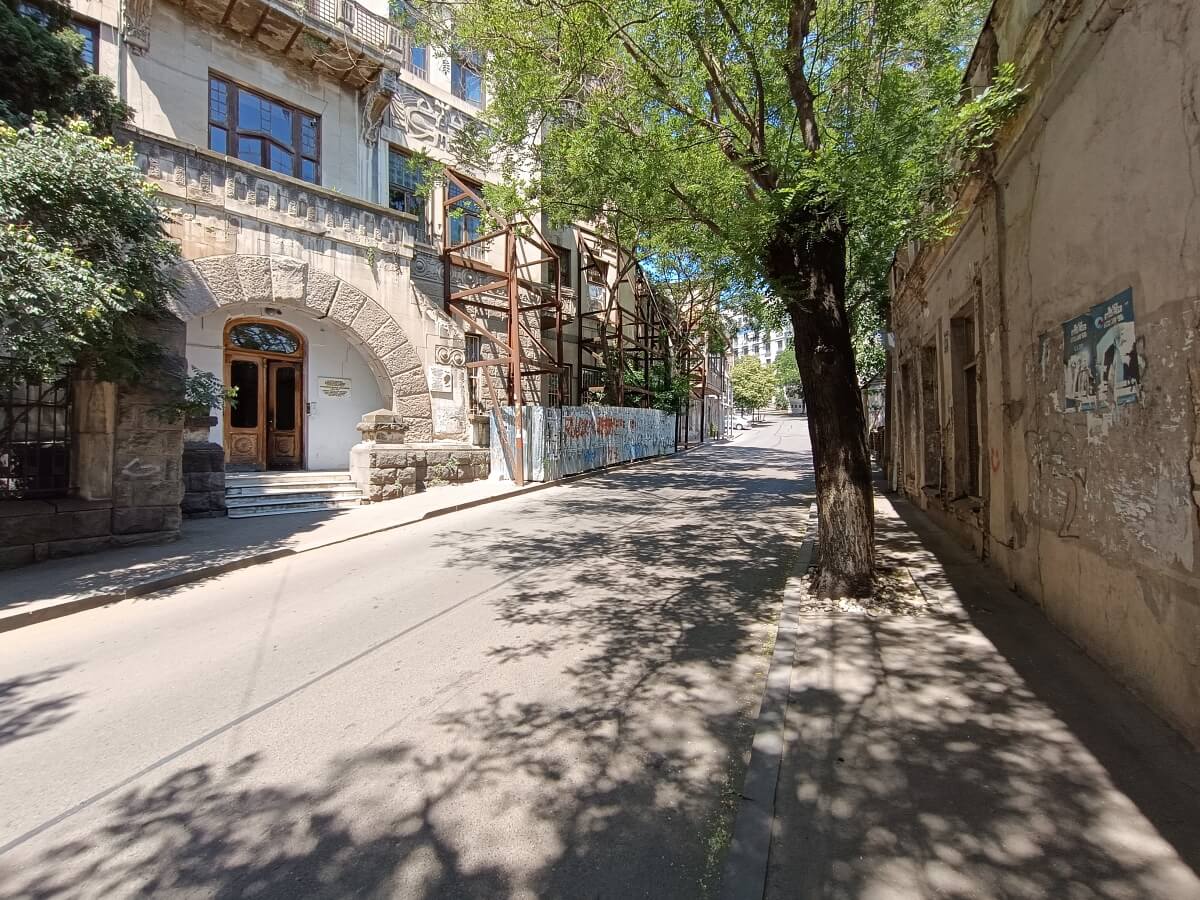
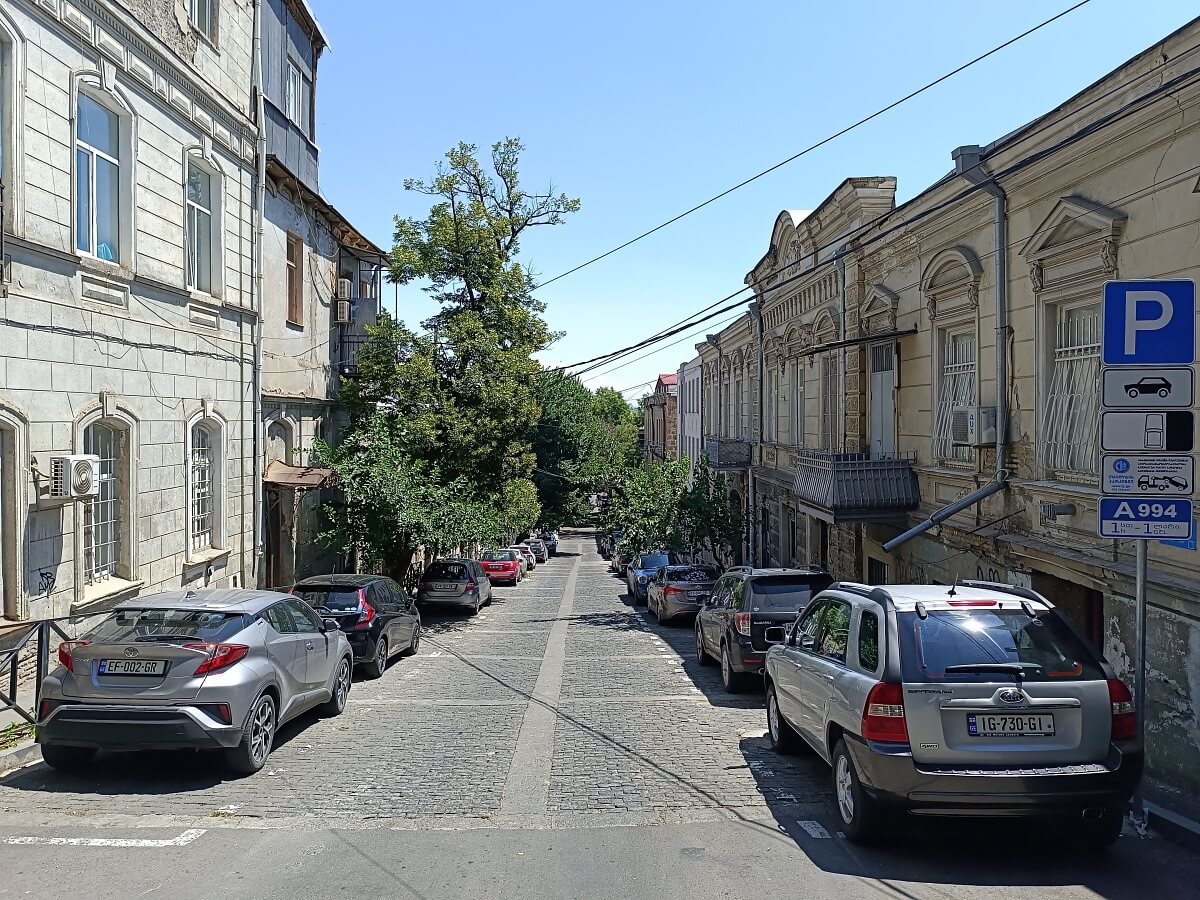
Unlike the Old Town, Sololaki developed slightly later, during the era of industrialization and economic growth. A stronger economy allowed taller buildings, richer decorative details, and a more regular urban plan. Sololaki is divided into elongated rectangular blocks:
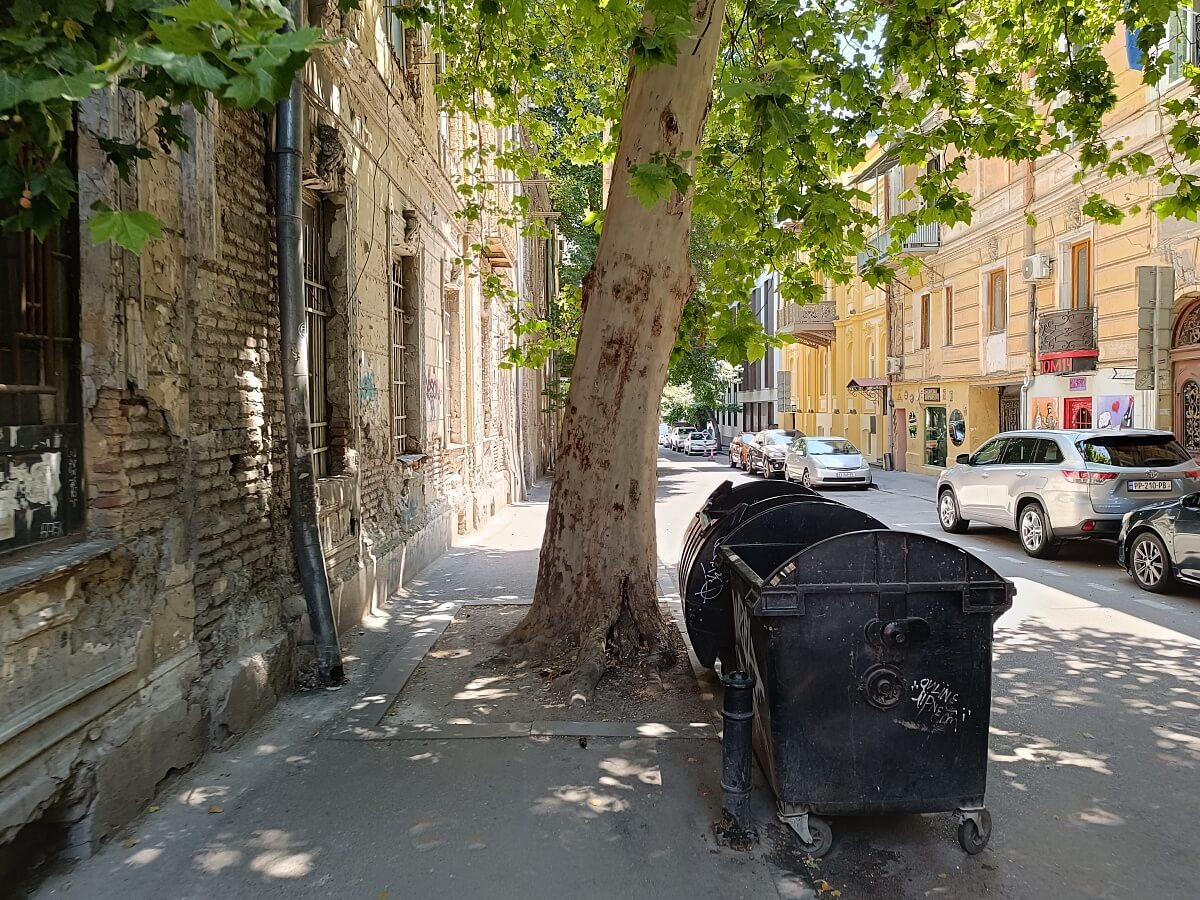
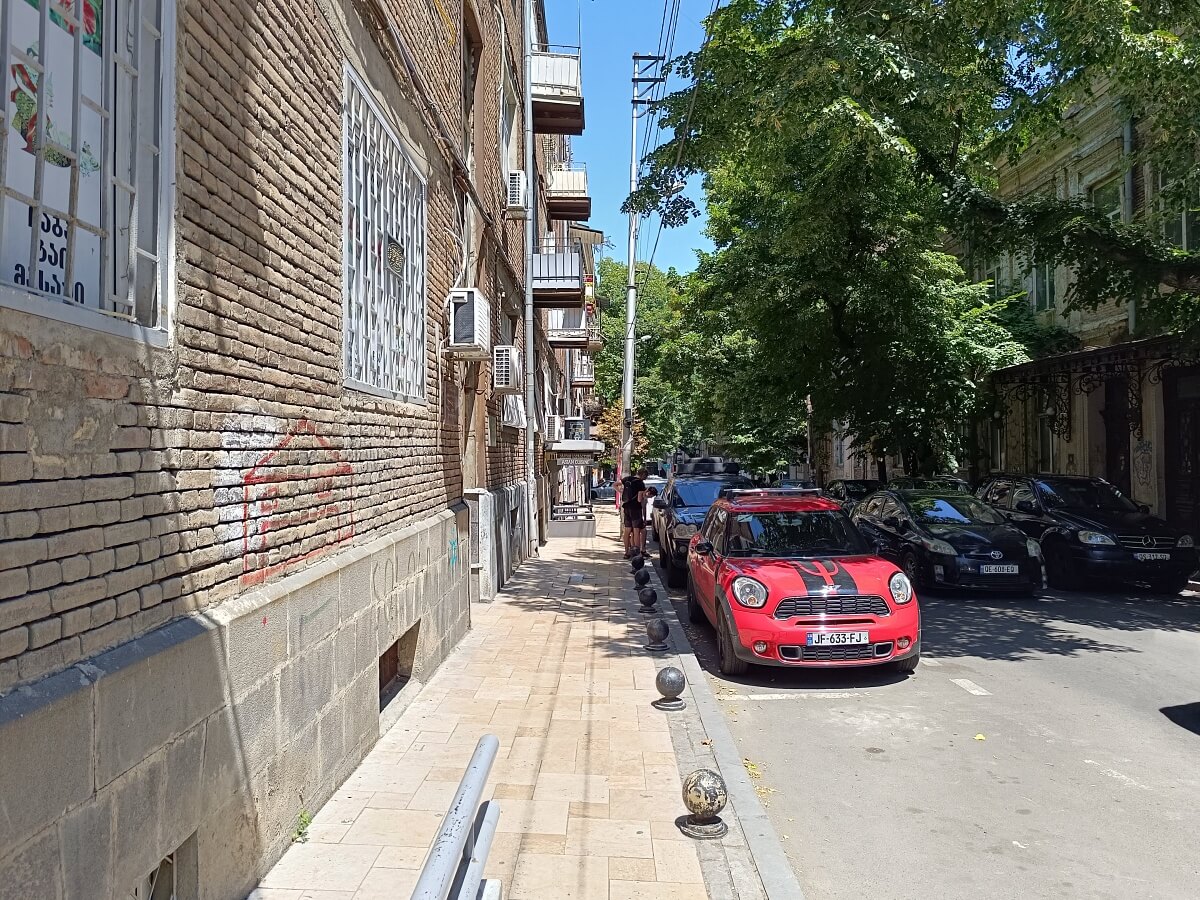
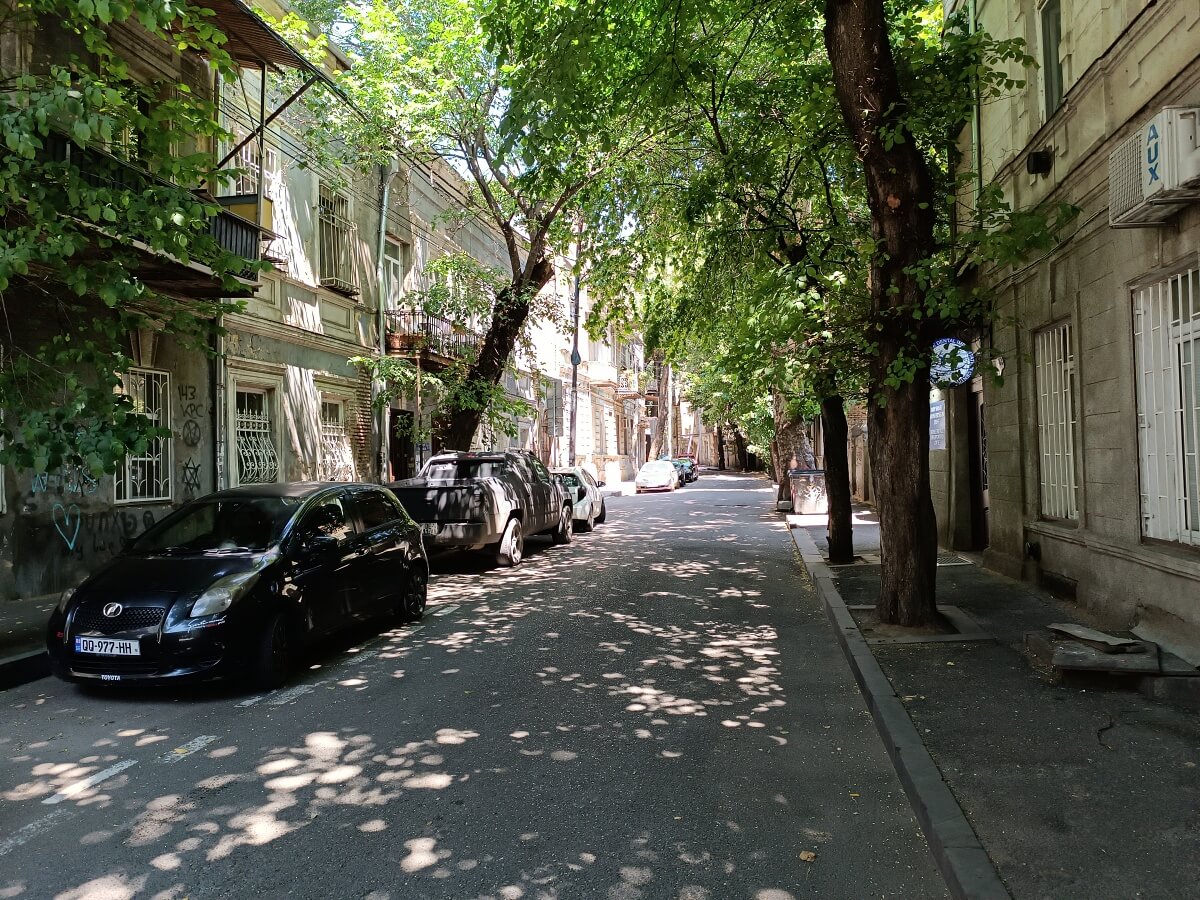
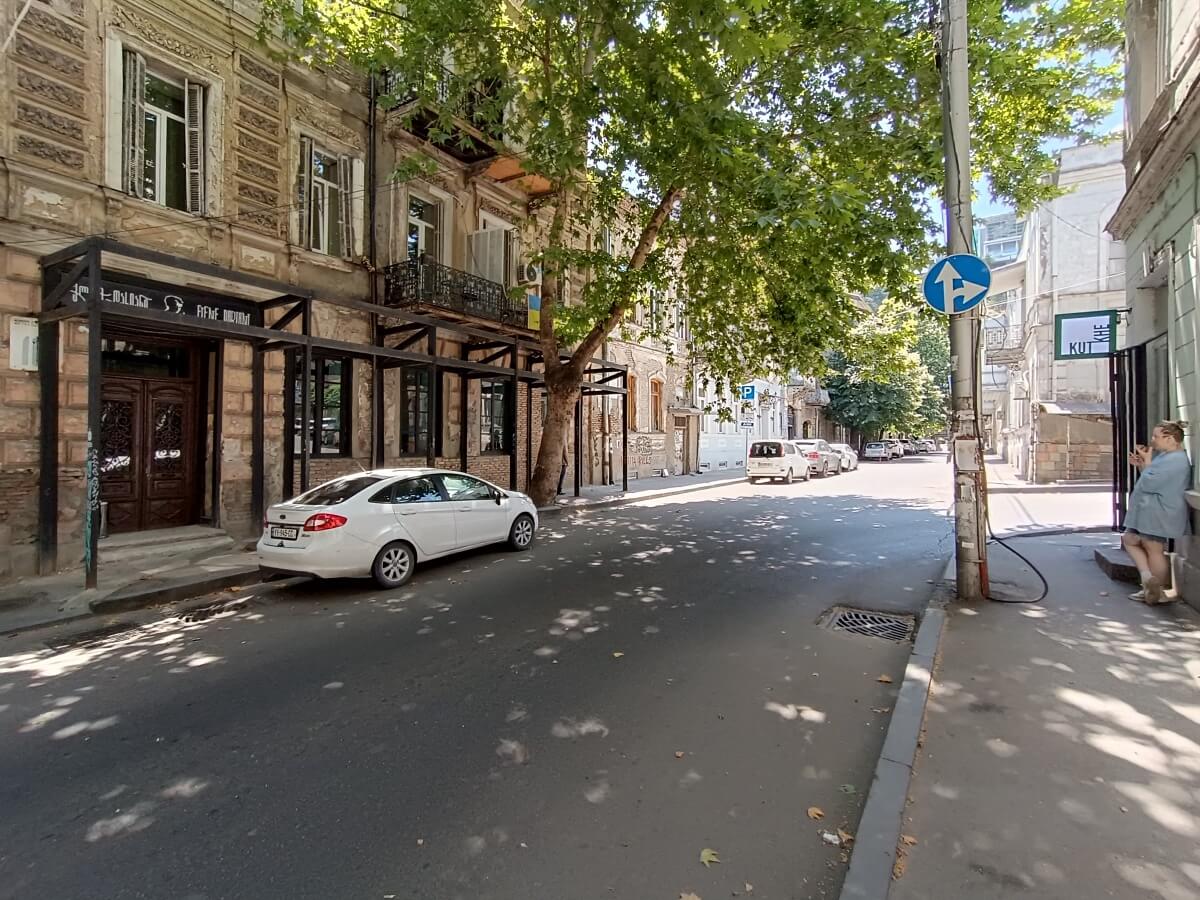
This regular planning created neat right-angled intersections:
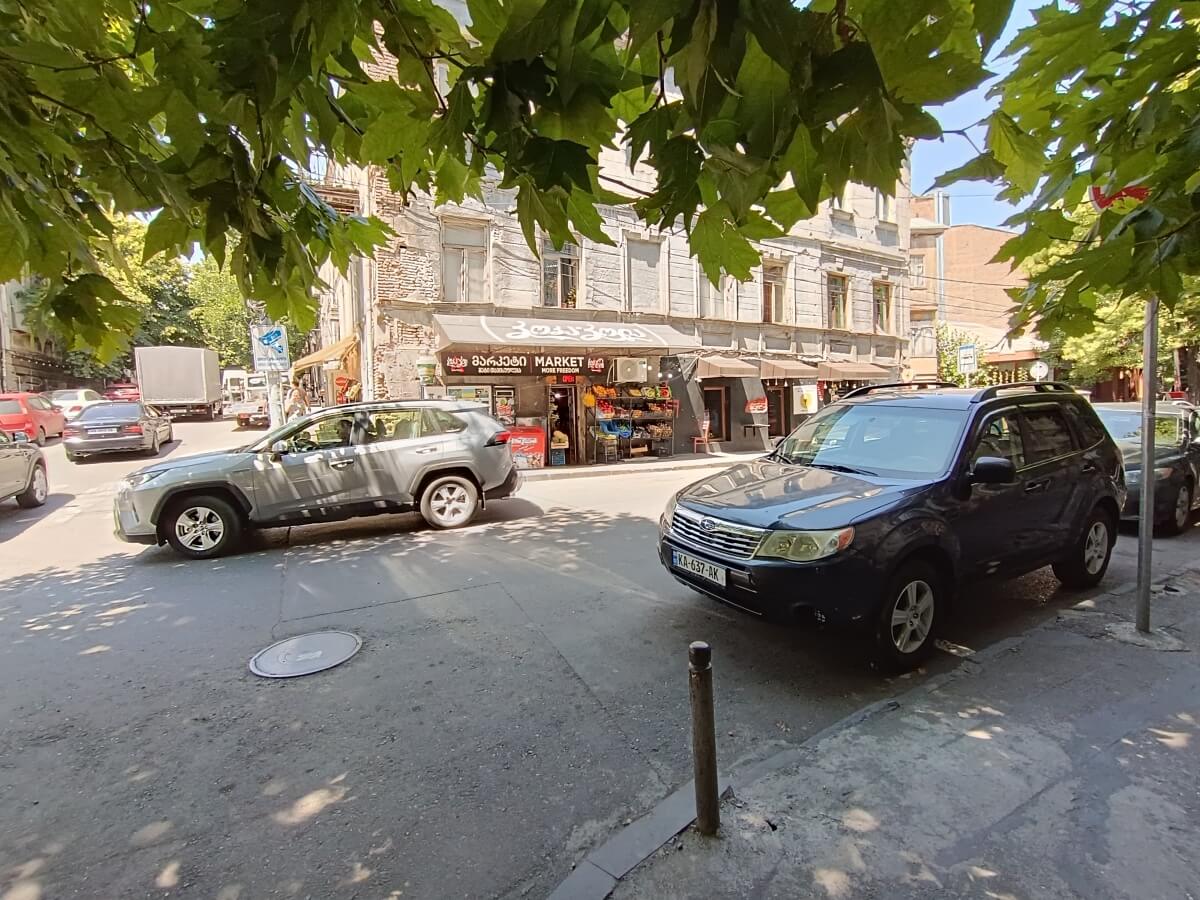
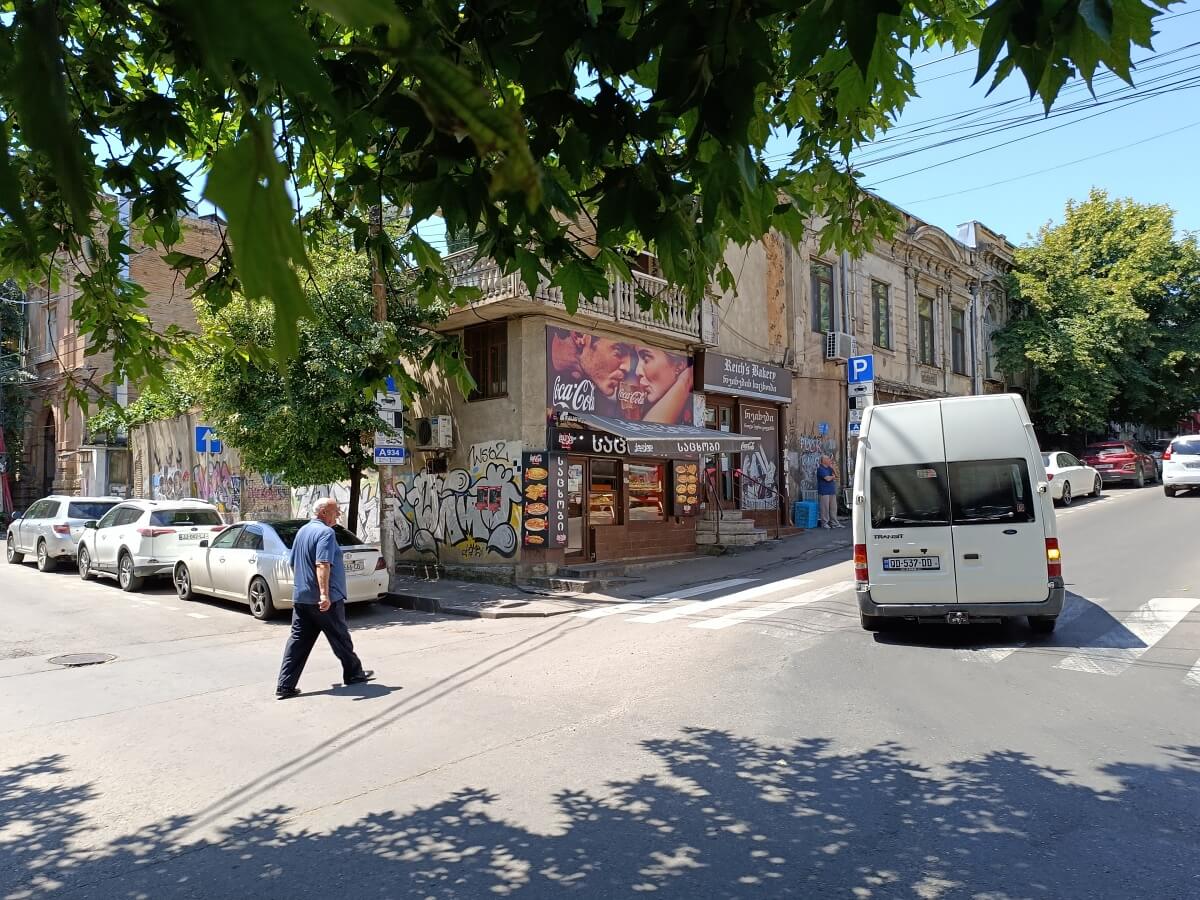
Industrialists, factory owners, and wealthy entrepreneurs of past eras settled in Sololaki. The district became filled with elegant income houses, where the art of decorating facades and grand entrances reached its peak by the early 20th century. Sololaki remains one of the most fascinating districts of Tbilisi not only for living, but also for discovering the city’s architectural aesthetics.
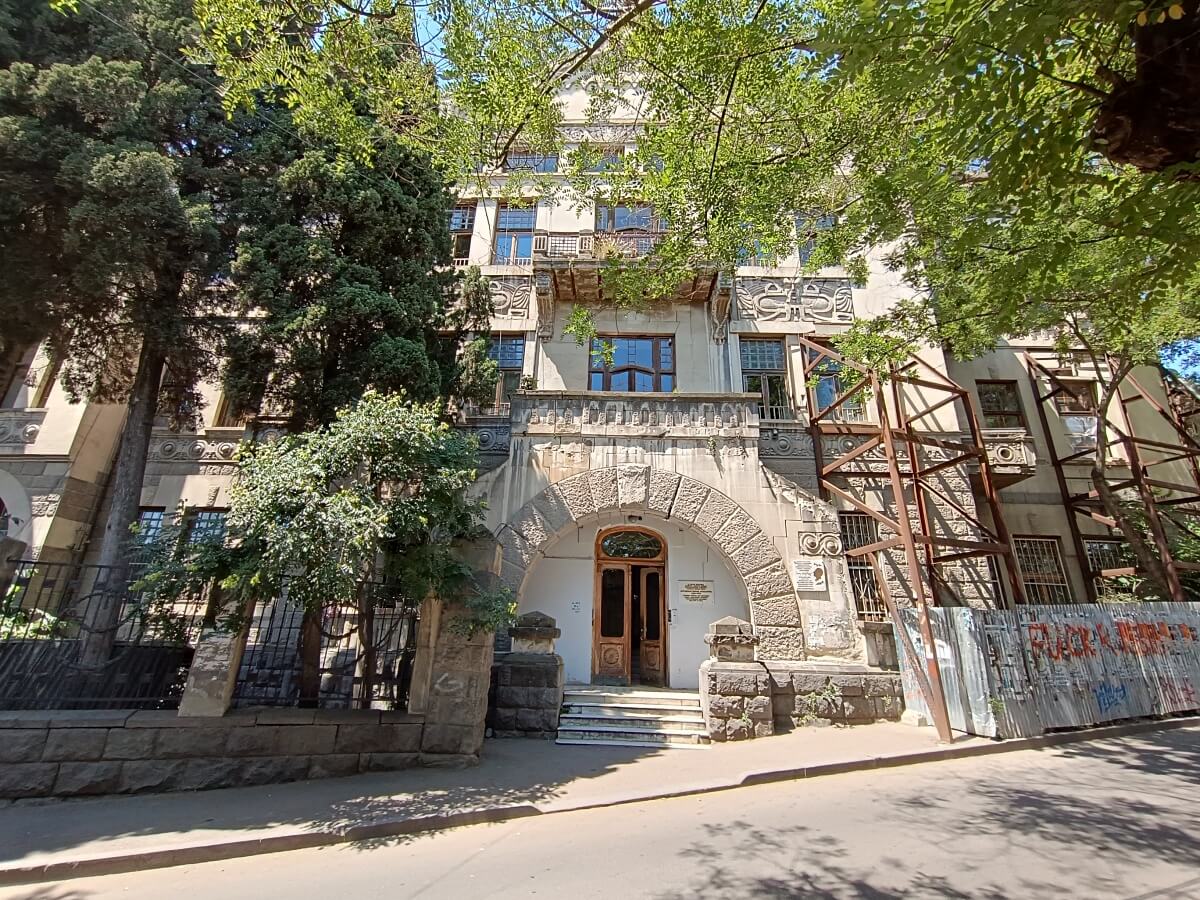
Living in both Sololaki and the Old Town remains prestigious today. Walking distance to metro stations, strong urban infrastructure, and the intimate “club-style” atmosphere created by the historic fabric outweigh the inconveniences associated with the age of the buildings.