Mtatsminda
The central district of Tbilisi, home to Shota Rustaveli Avenue and the city’s main administrative and cultural landmarks.
ლერმონტოვის ქუჩა, 1
3
166 m²
ნაკაშიძე-ბოლქვაძის ქუჩა, 11
2
79 m²
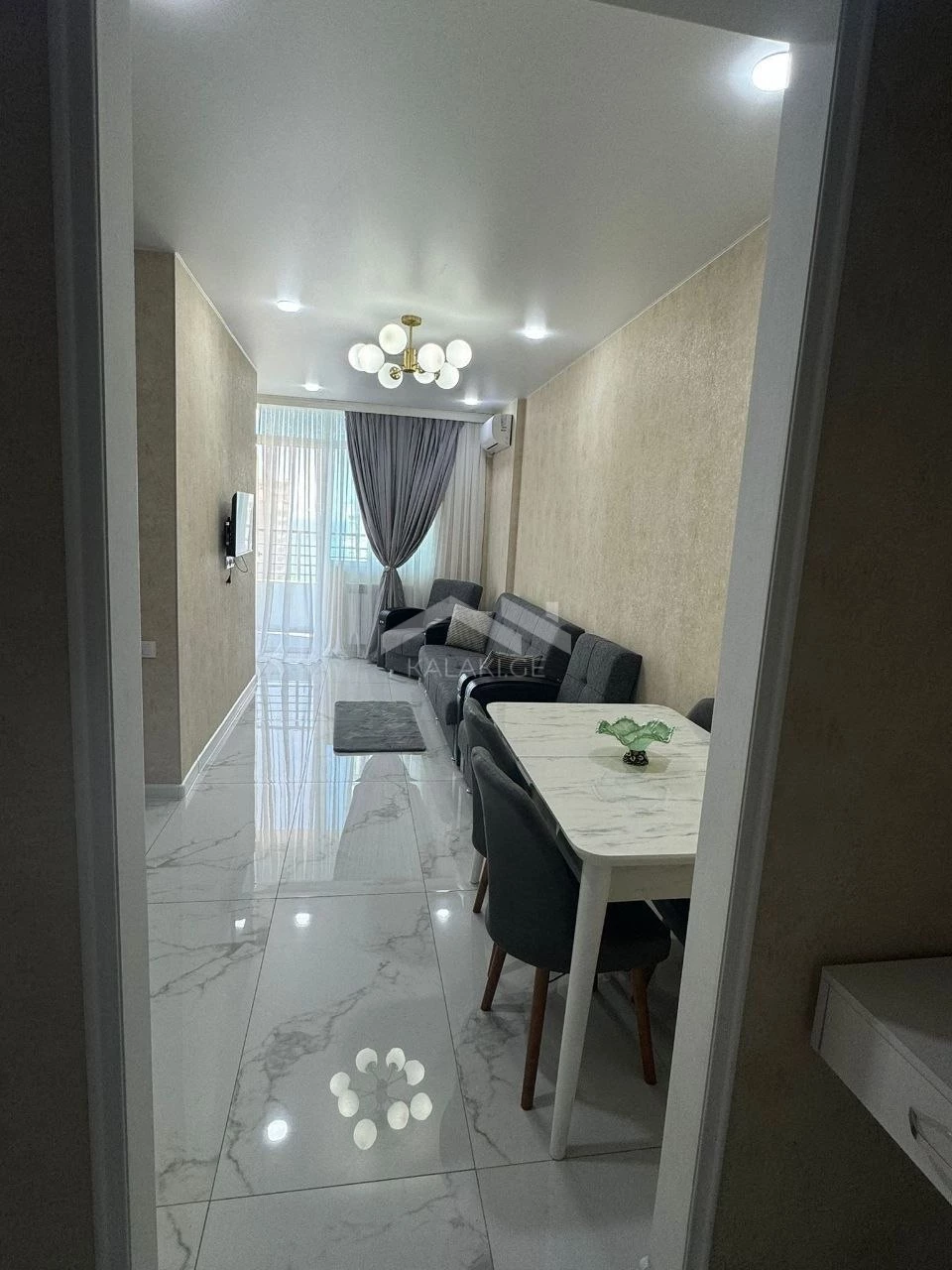
ფიროსმანის ქუჩა, 1
1
44 m²
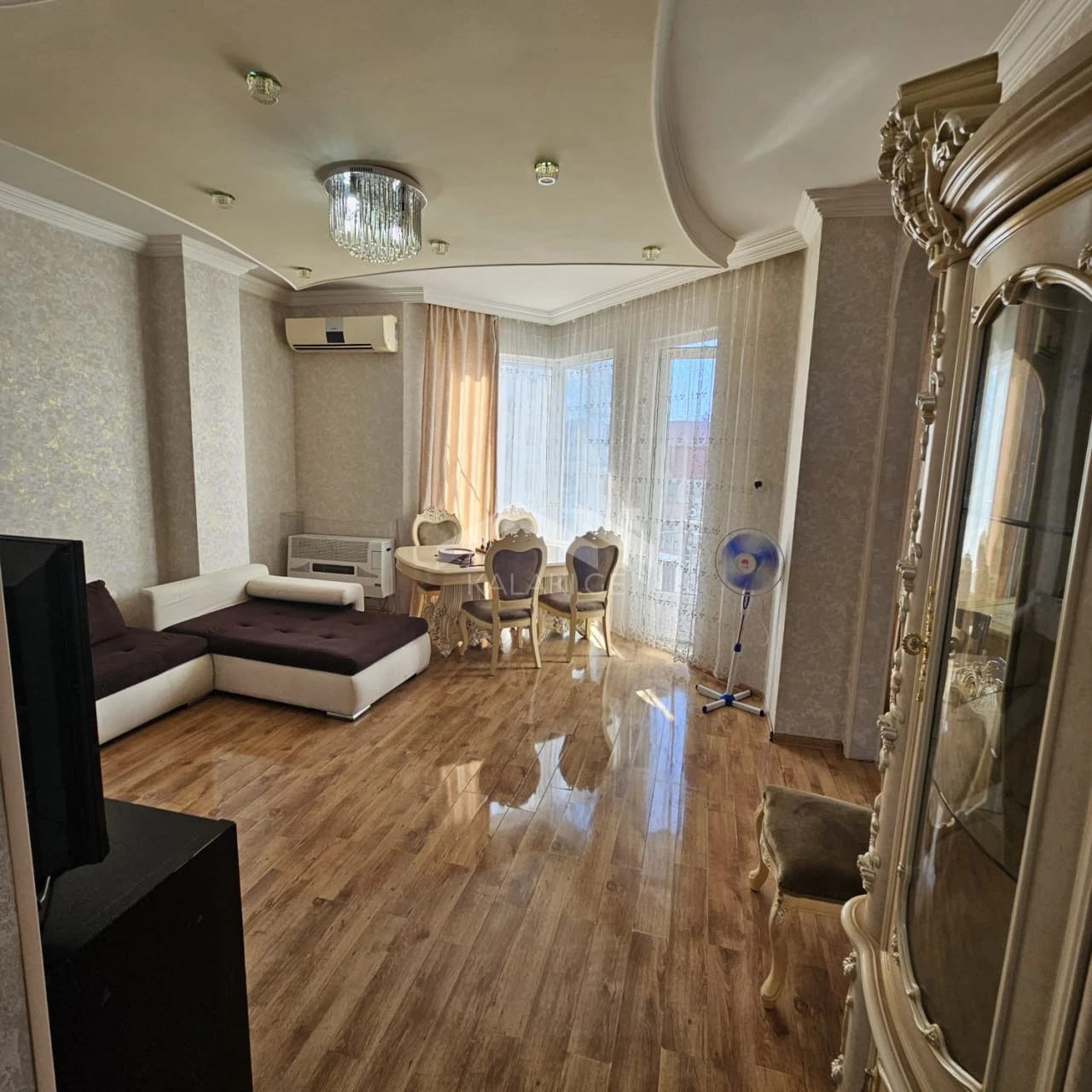
სოხუმის ქუჩა, 1
1
88 m²
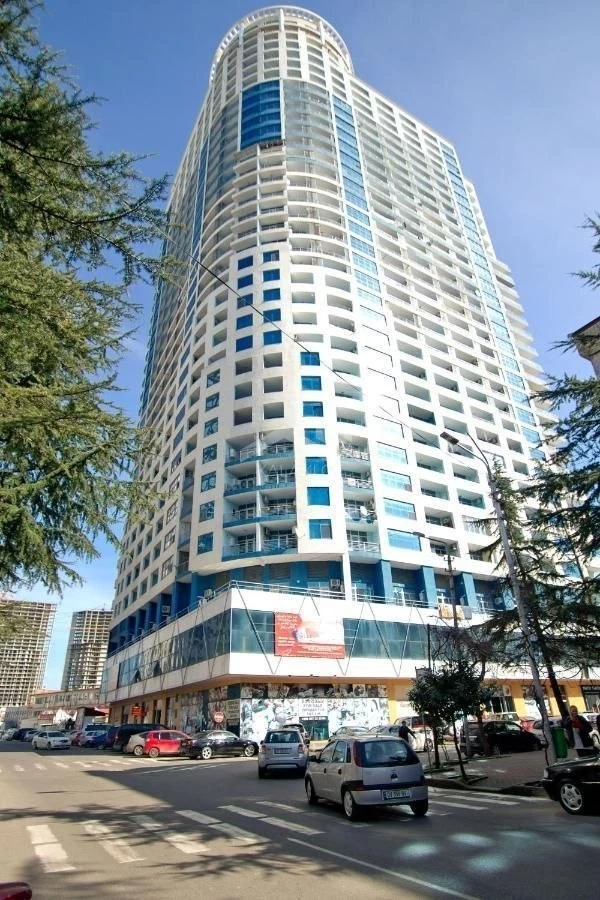
ფიროსმანის ქუჩა, 1
1
71.8 m²
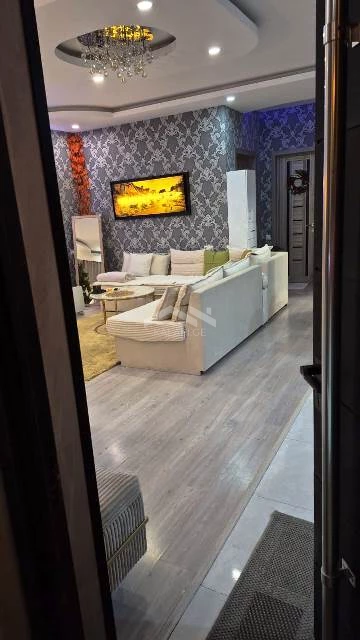
ივერთუბანი, 1
2
85 m²
The central district of Tbilisi, home to Shota Rustaveli Avenue and the city’s main administrative and cultural landmarks.
Mtatsminda may not be the oldest district of Tbilisi, but it is undoubtedly the city’s most important. Its central artery is Shota Rustaveli Avenue, home to Parliament, the Academic Theatre, the Opera and Ballet Theatre, some of the country’s finest museums, and prestigious hotels. The avenue first took shape as an urban street more than two centuries ago, while its present appearance was largely formed during the 20th century.
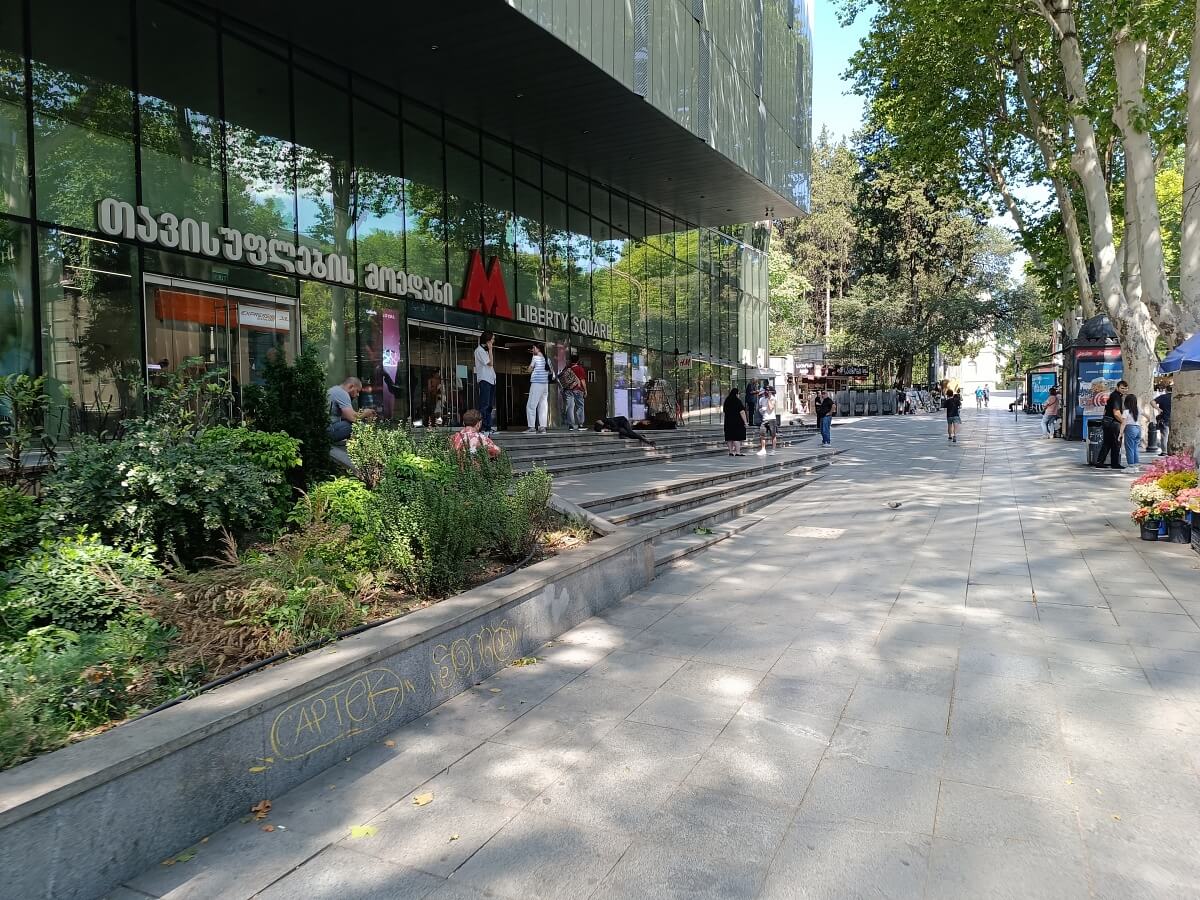
Liberty Square marks the meeting point of Mtatsminda, Sololaki, and the Old Town, while also serving as the beginning of Rustaveli Avenue. In many ways, this is where the ceremonial heart of Tbilisi begins.
The avenue starts with the elegant Courtyard by Marriott hotel and continues past the Galleria shopping and entertainment center, which incorporates the Griboedov Drama Theatre:
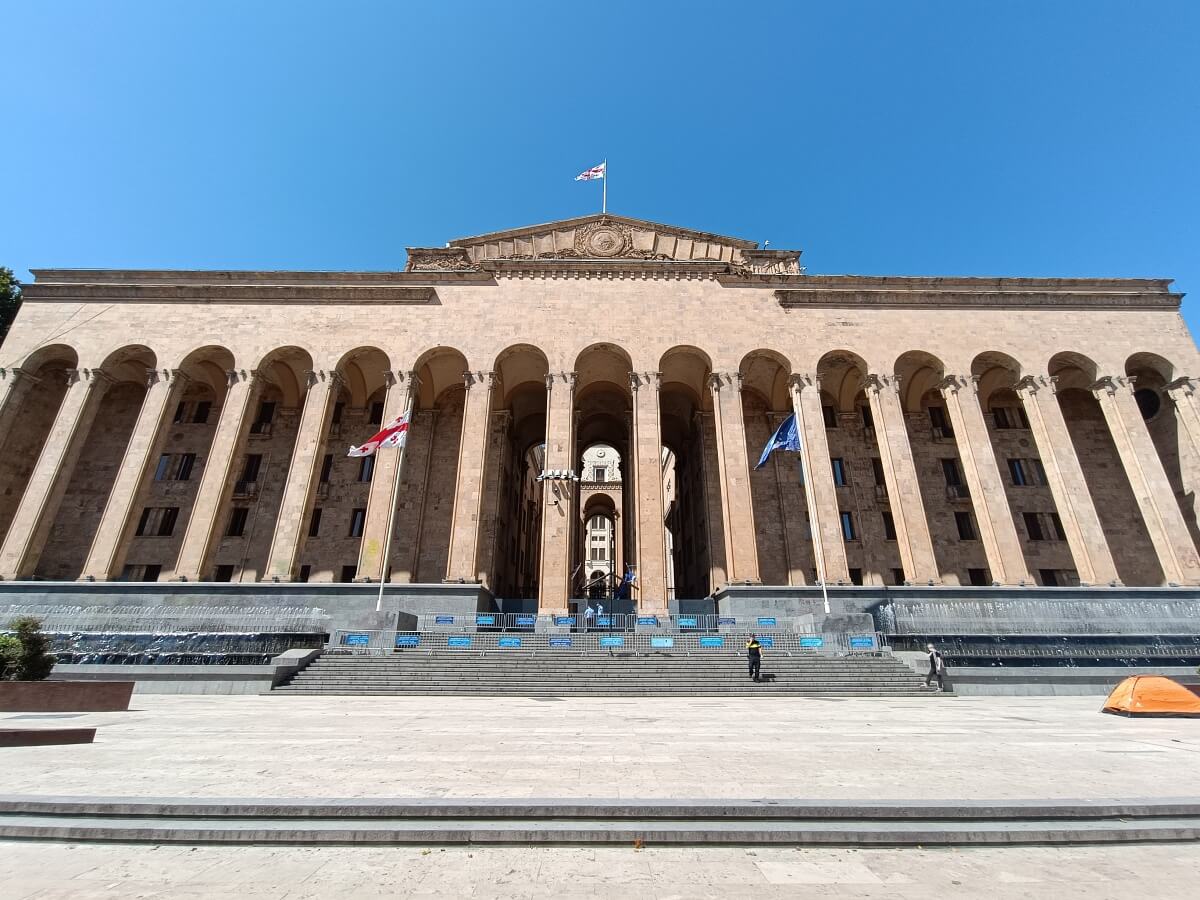
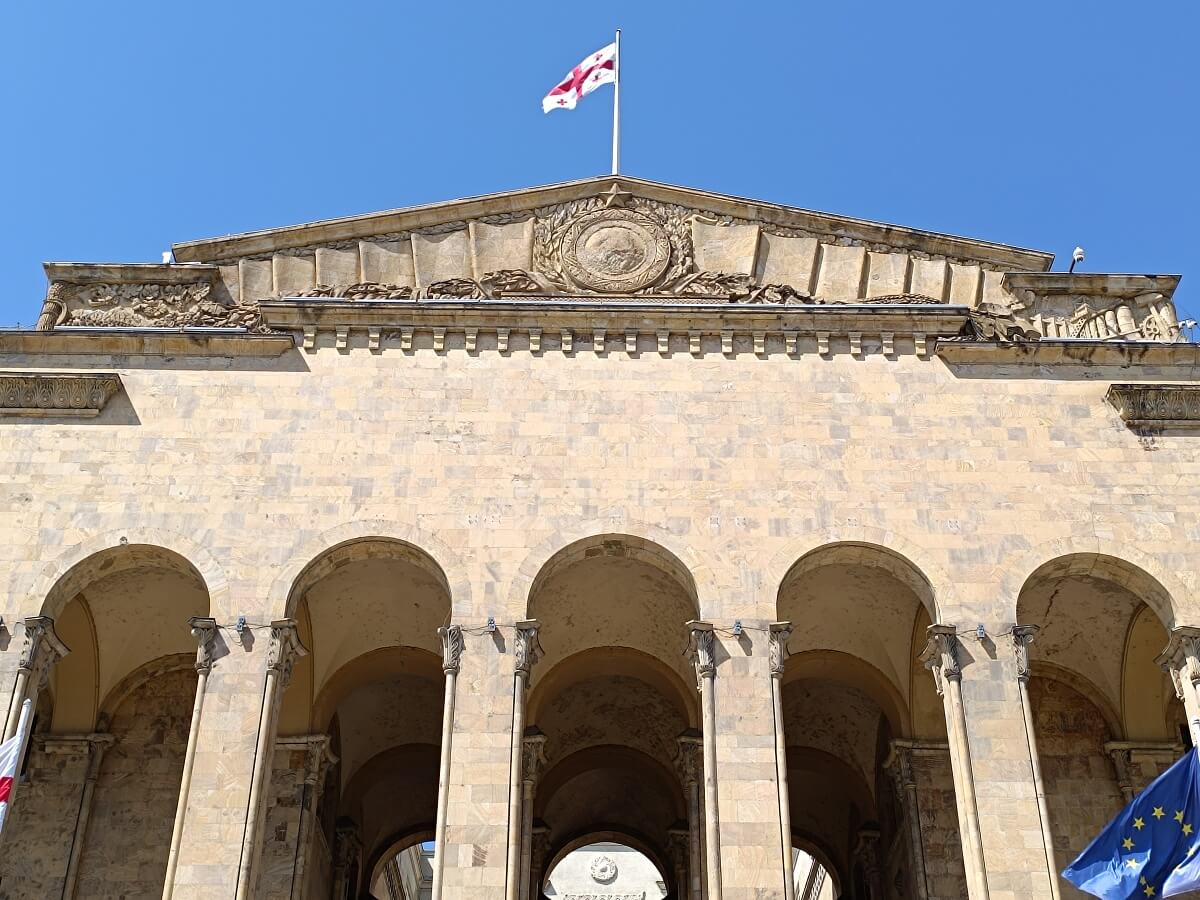
Almost every building along Rustaveli is iconic and plays an important role in the political, cultural, and public life of both the city and the country. Here stands the impressive Parliament complex:
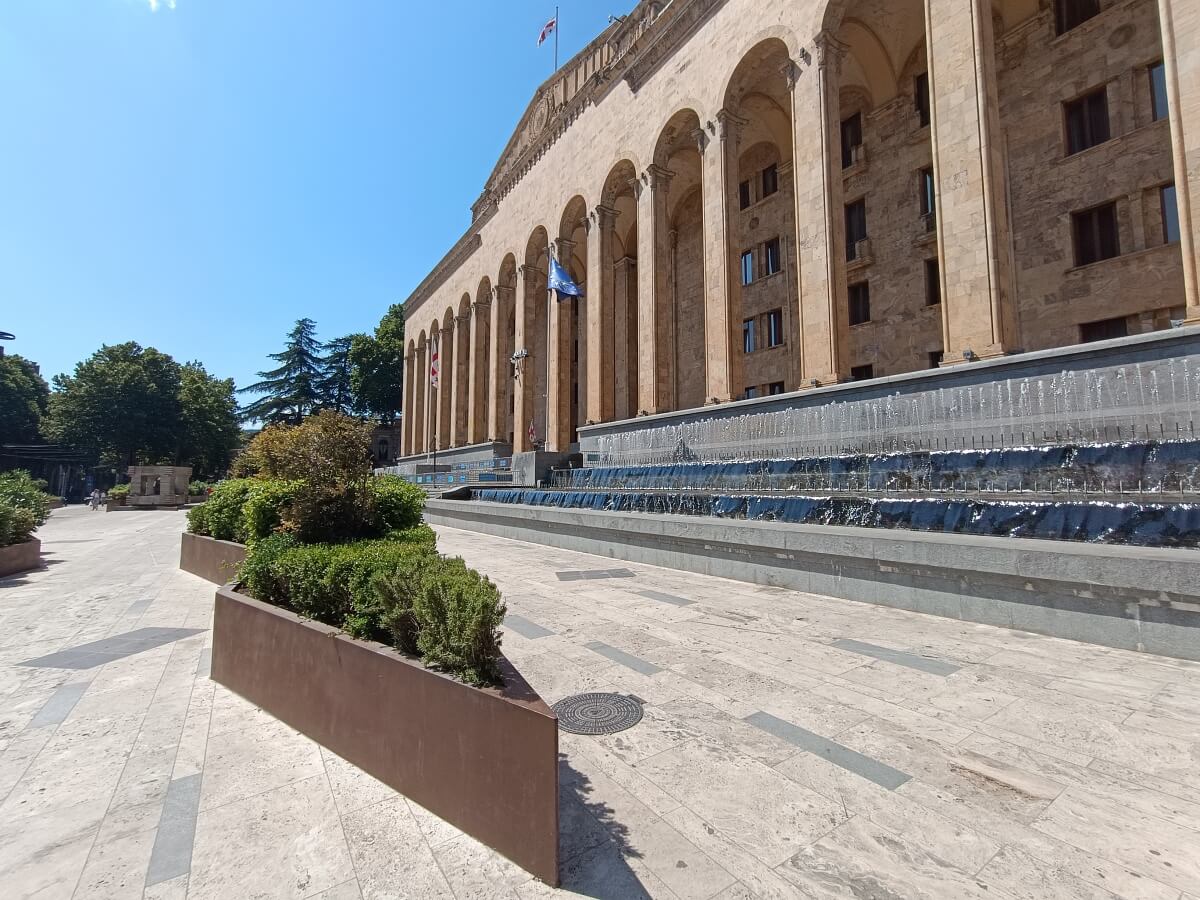
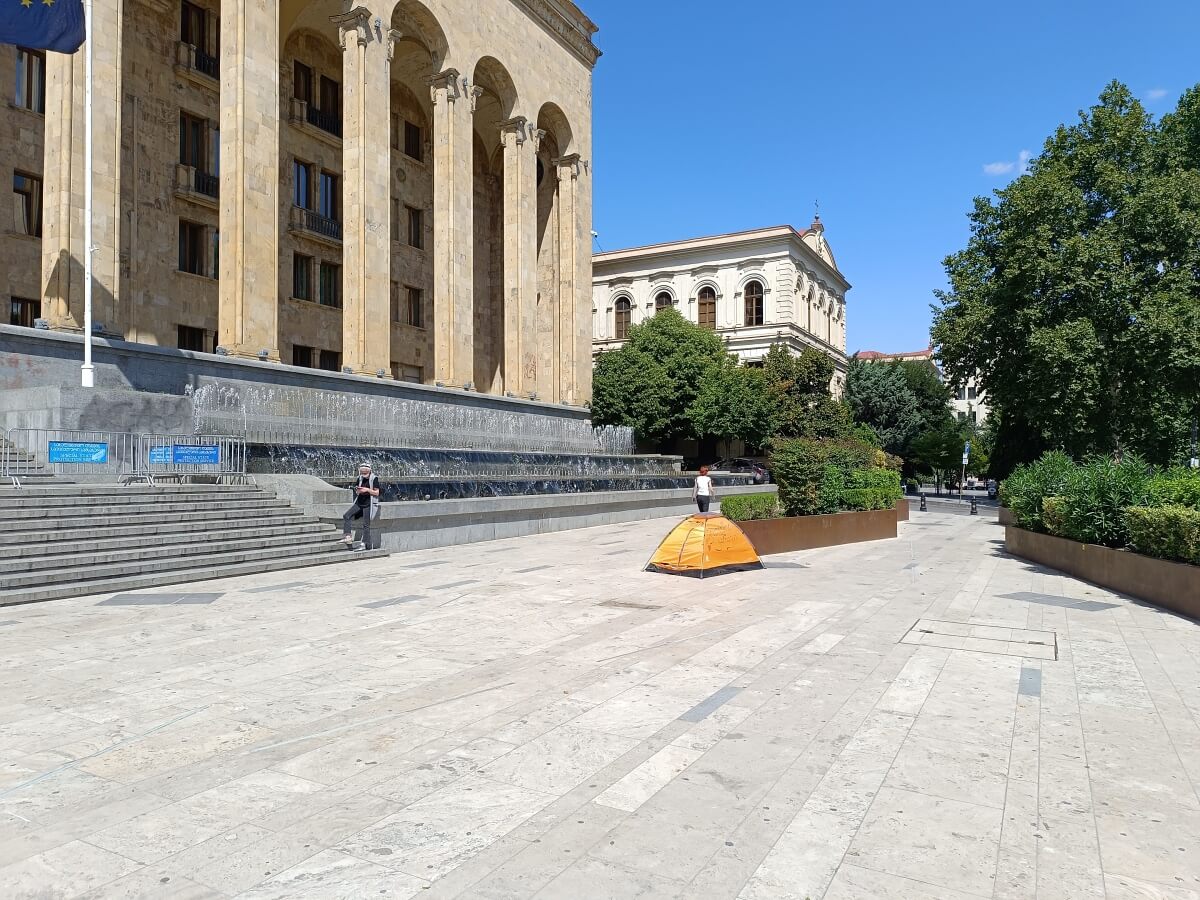
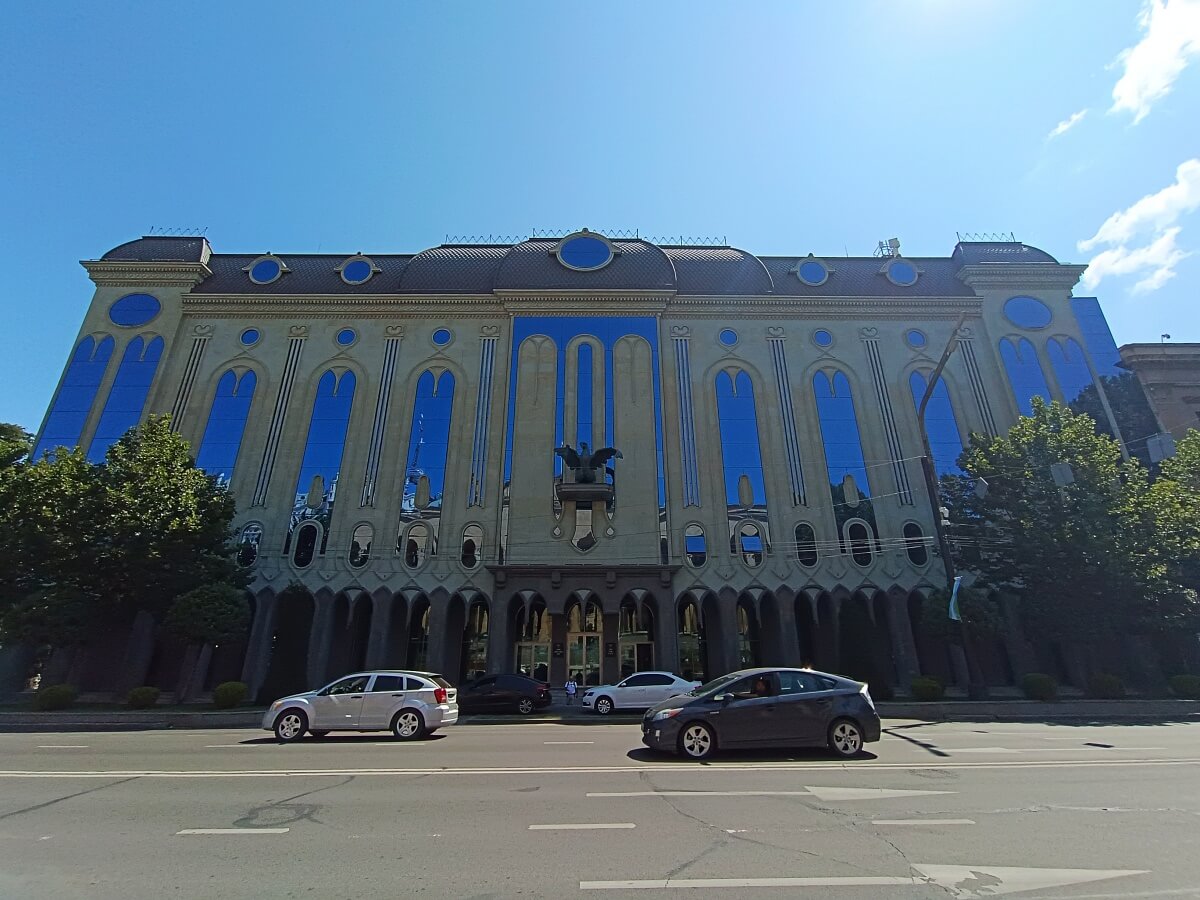
Opposite it is the Museum of Fine Arts, whose facade echoes the architecture of the Rustaveli Academic Theatre located further down the avenue:
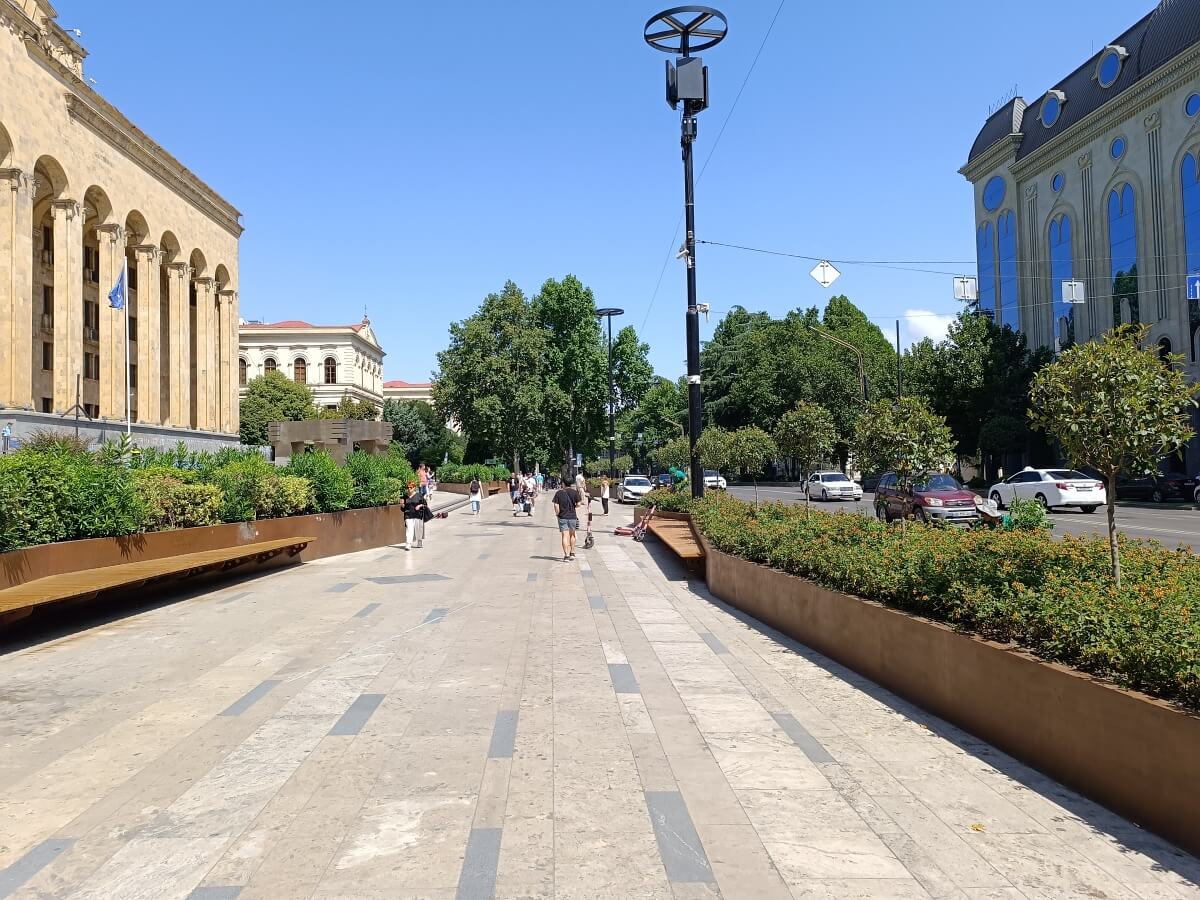
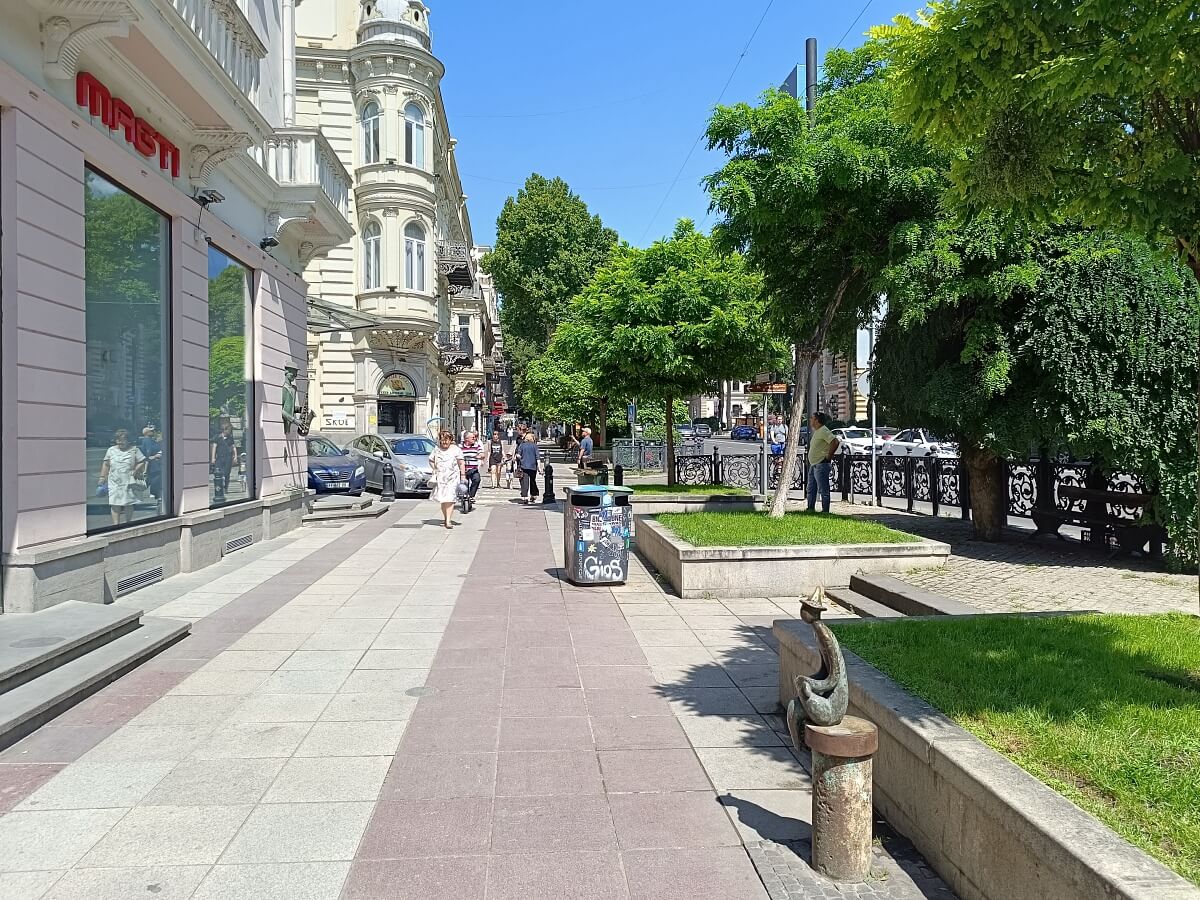
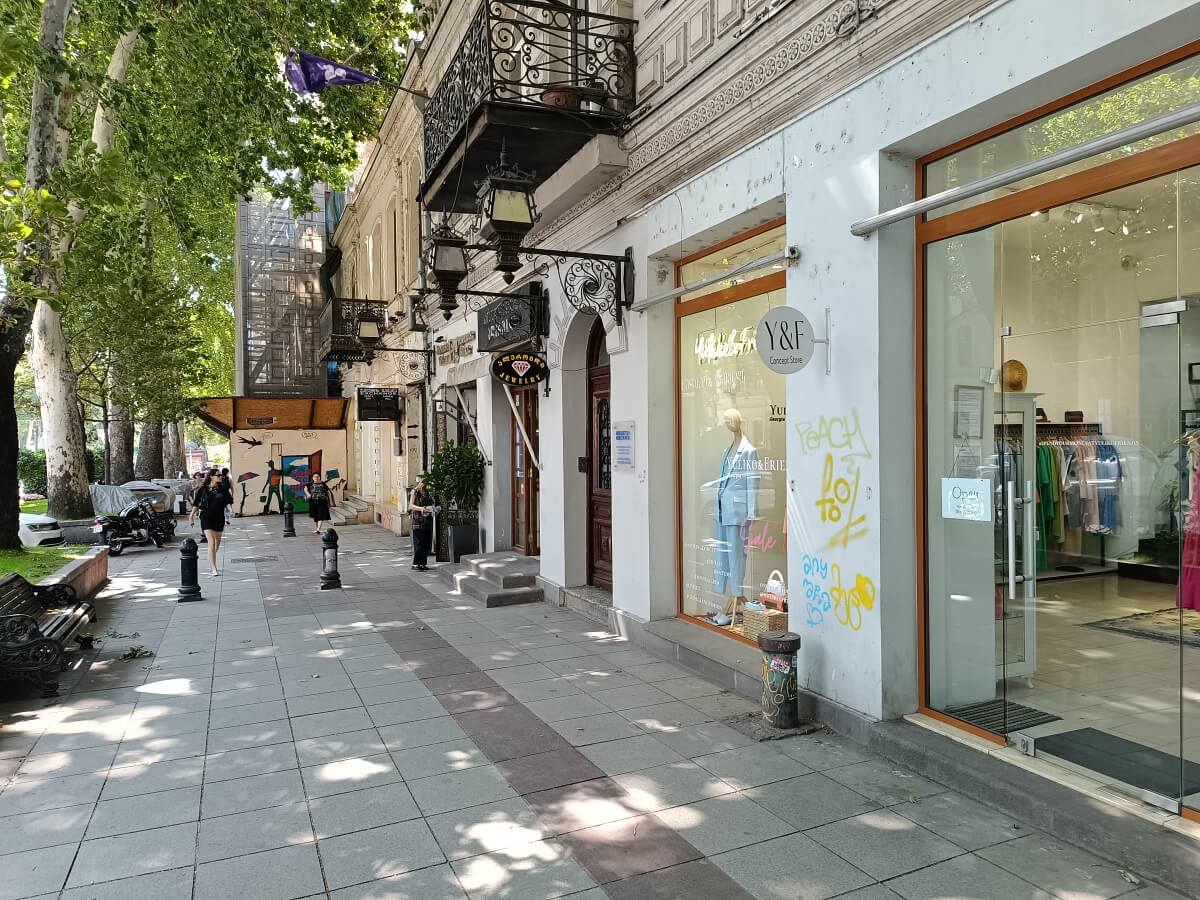
Rustaveli Avenue itself is designed for walking, relaxing, and observing city life. Benches, street cafés, decorative elements, and mature greenery create a welcoming atmosphere, especially along the first section shaded by plane trees.
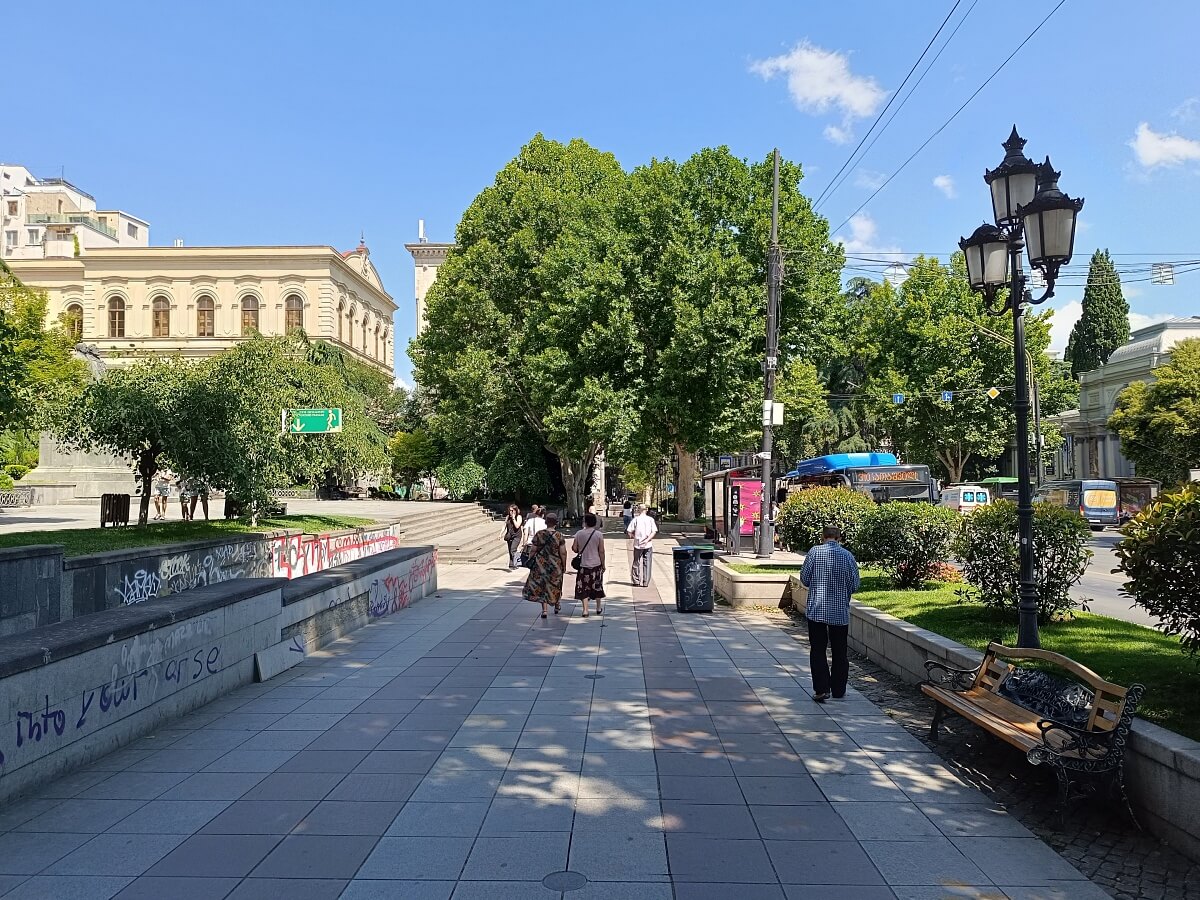
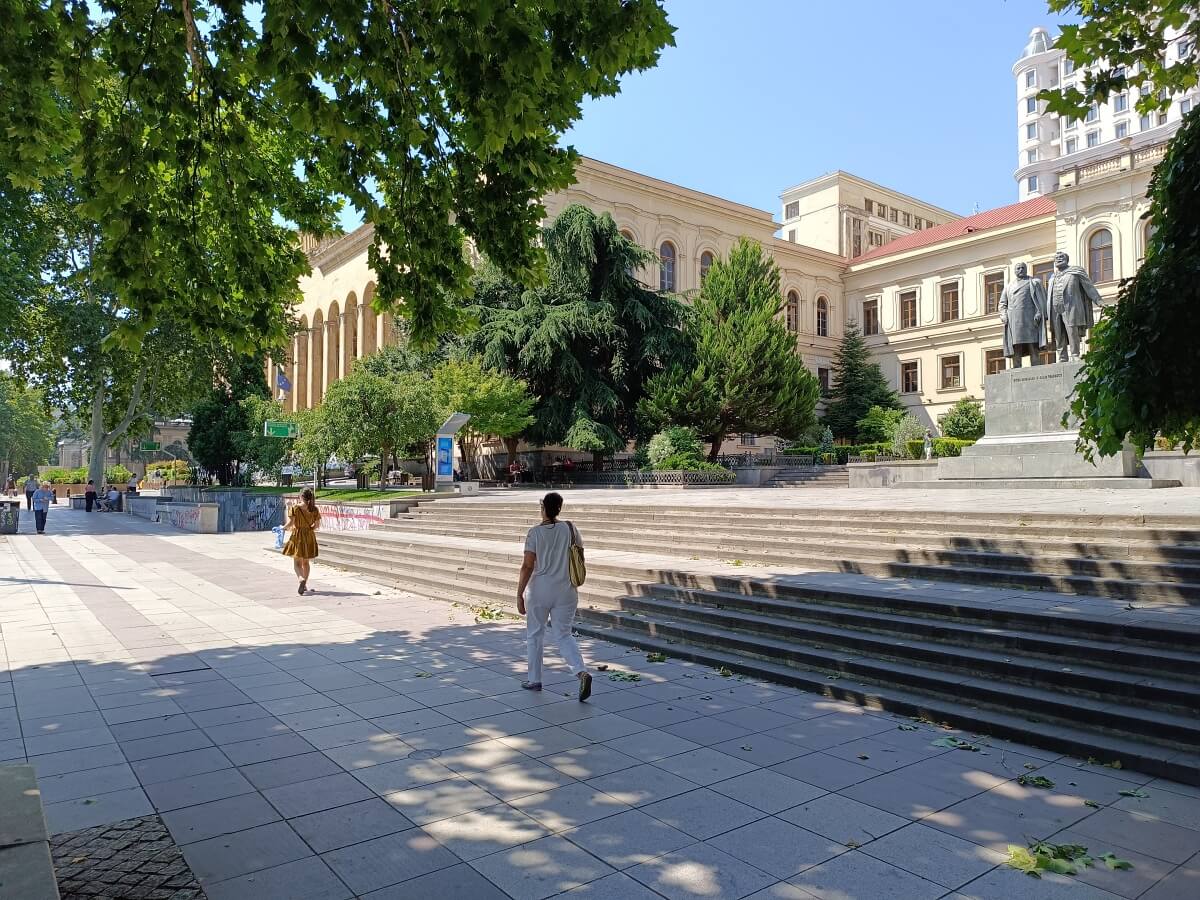
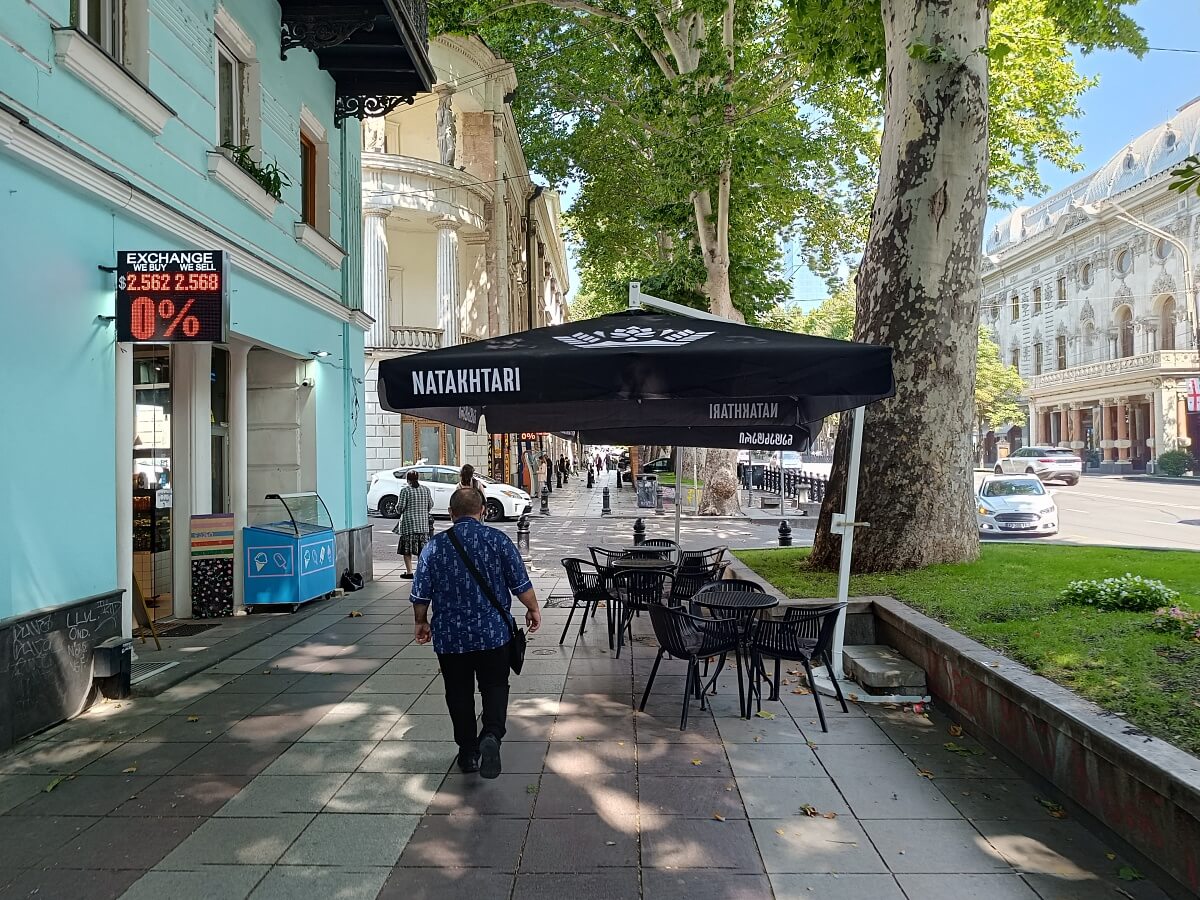
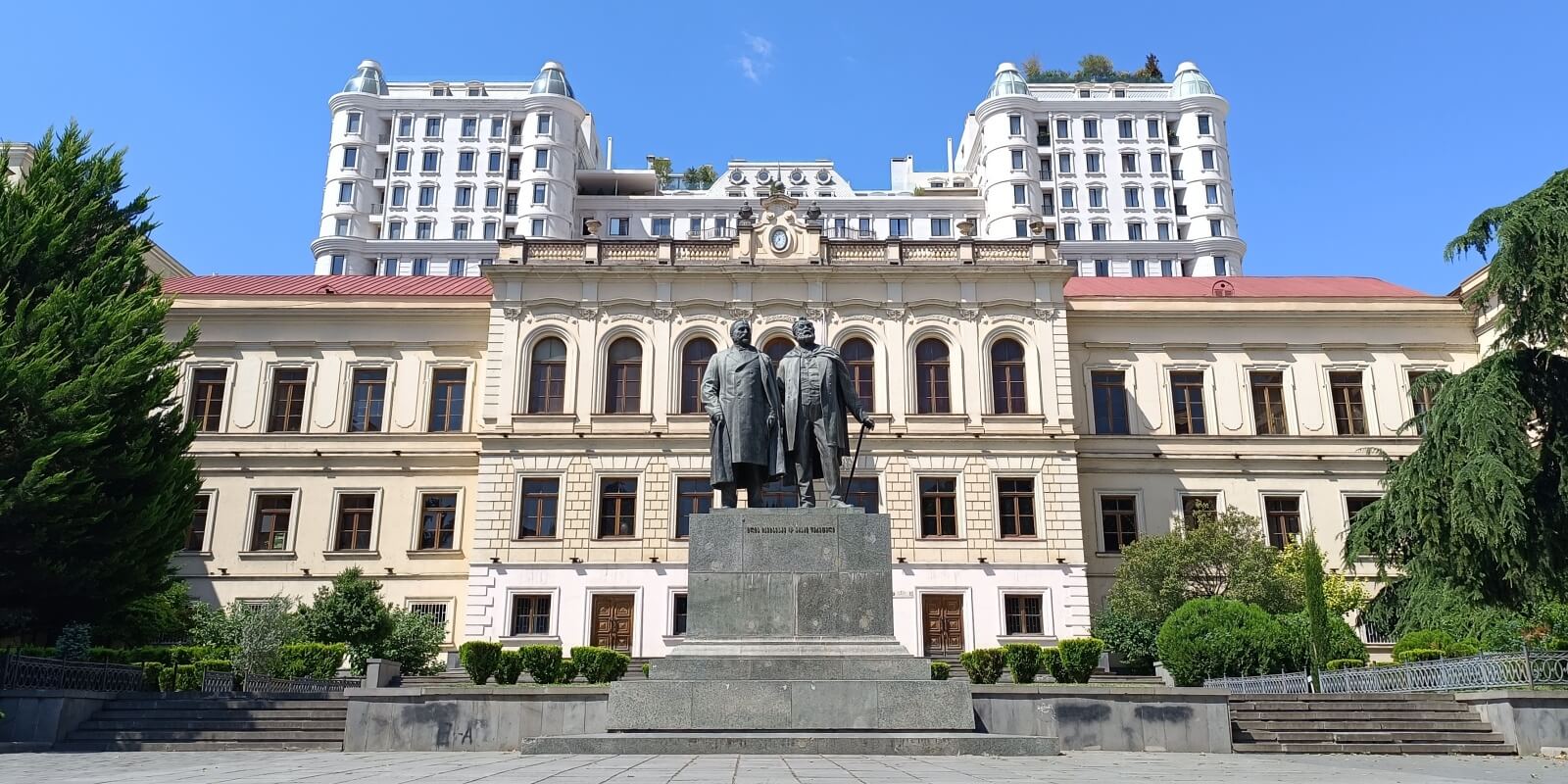
Tbilisi Public School No. 1 and the monument to Ilia Chavchavadze and Akaki Tsereteli:
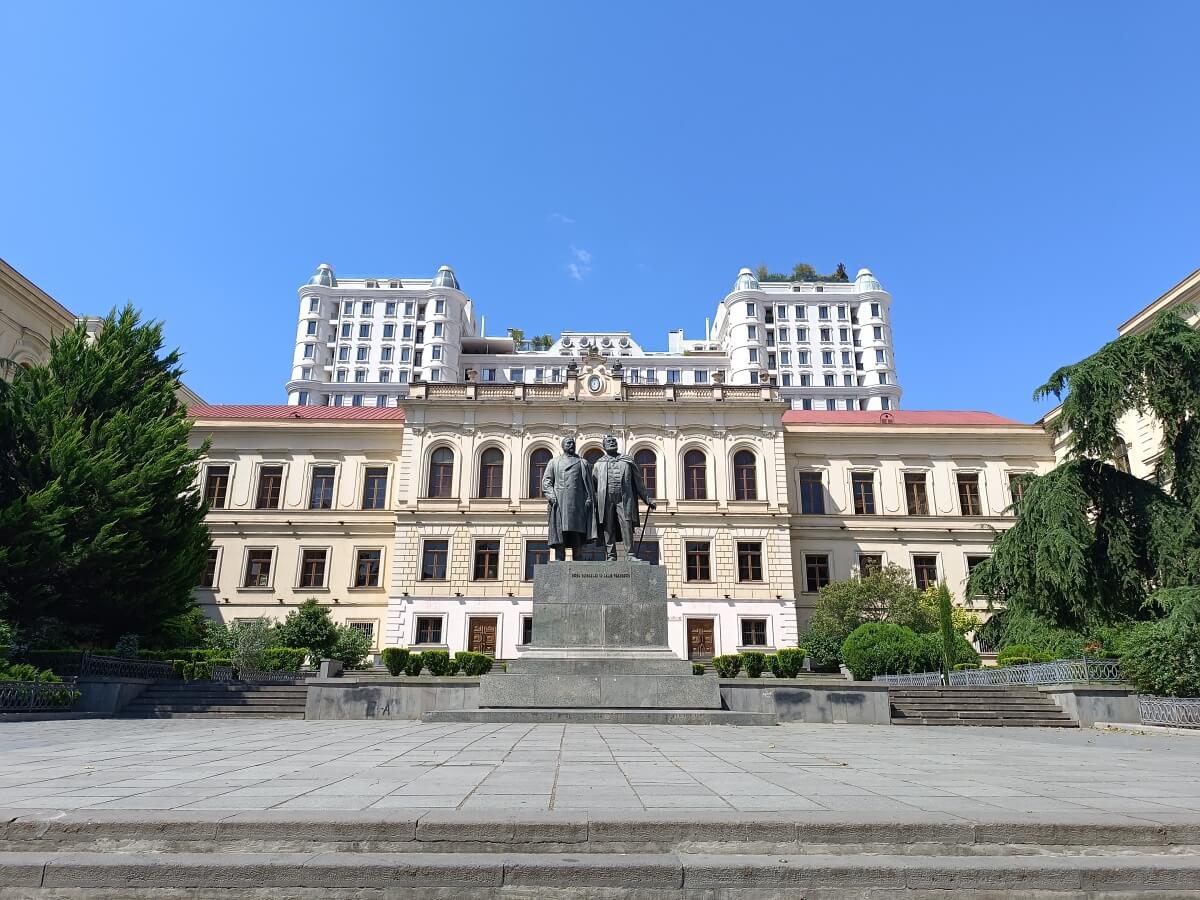
Although Rustaveli was built over many decades and reflects several architectural periods, the avenue still feels remarkably unified and balanced in both scale and appearance. Buildings of completely different eras — such as the Marriott hotel and the Academic Theatre — transition into one another almost seamlessly near Giorgi Chanturia Street:
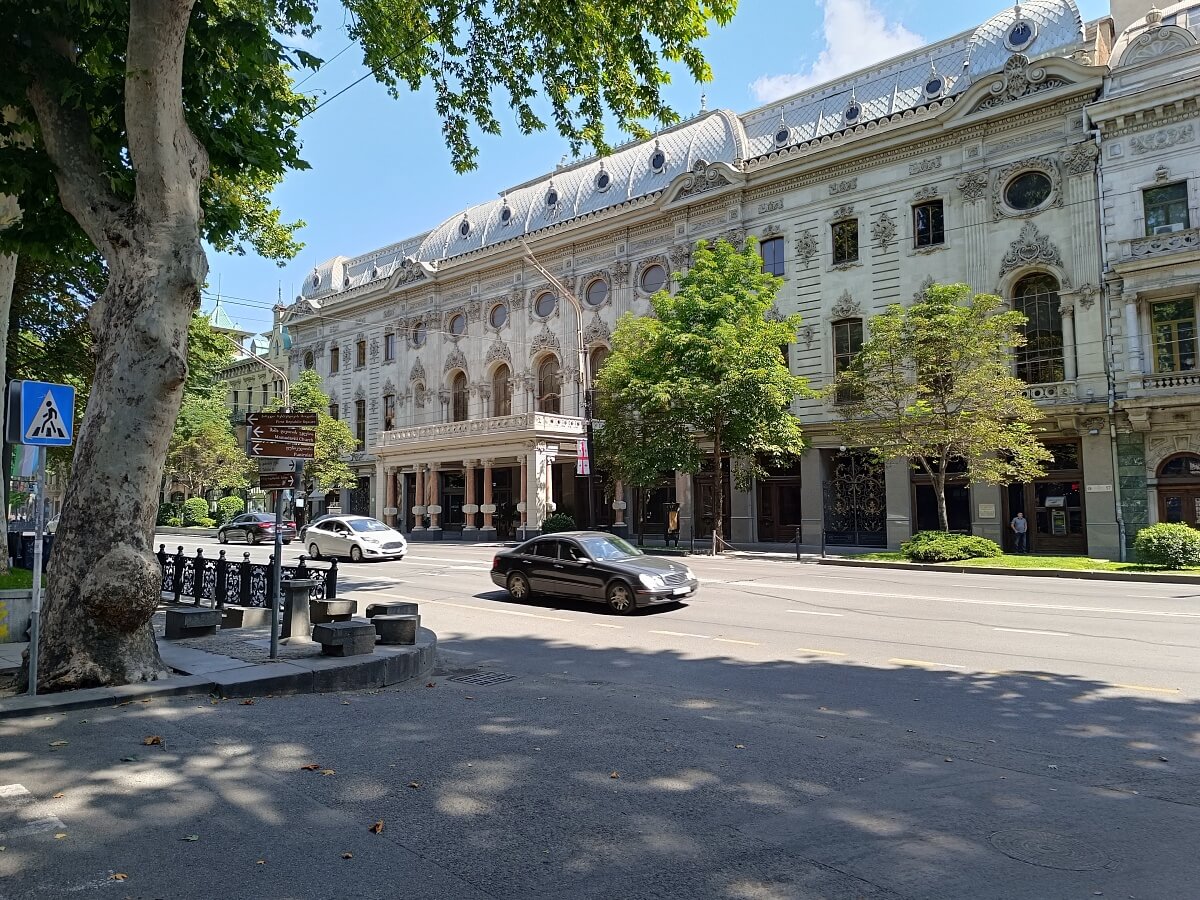
The hotel facade follows a neoclassical style, while the theatre’s architect clearly aimed for the richness and elegance of Rococo architecture:
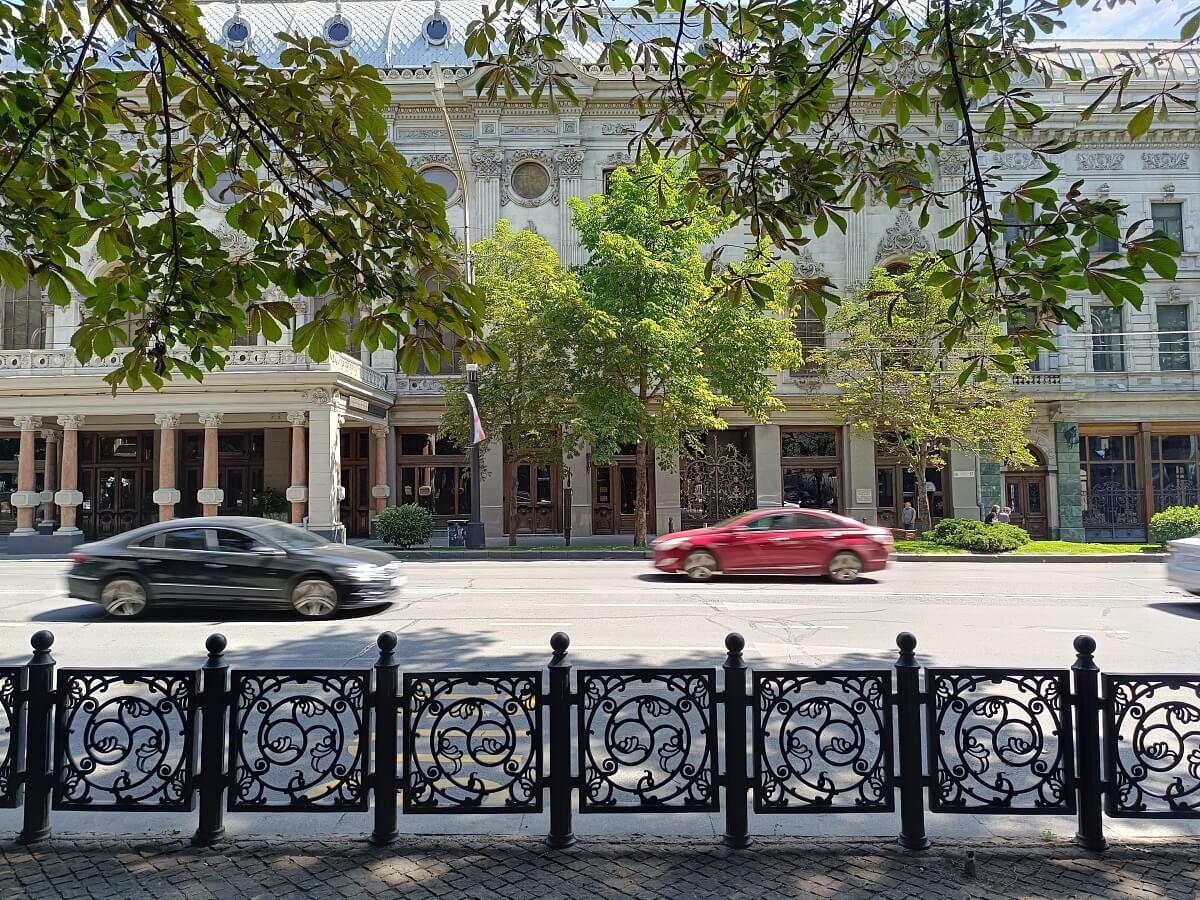
Rustaveli Avenue in summer:
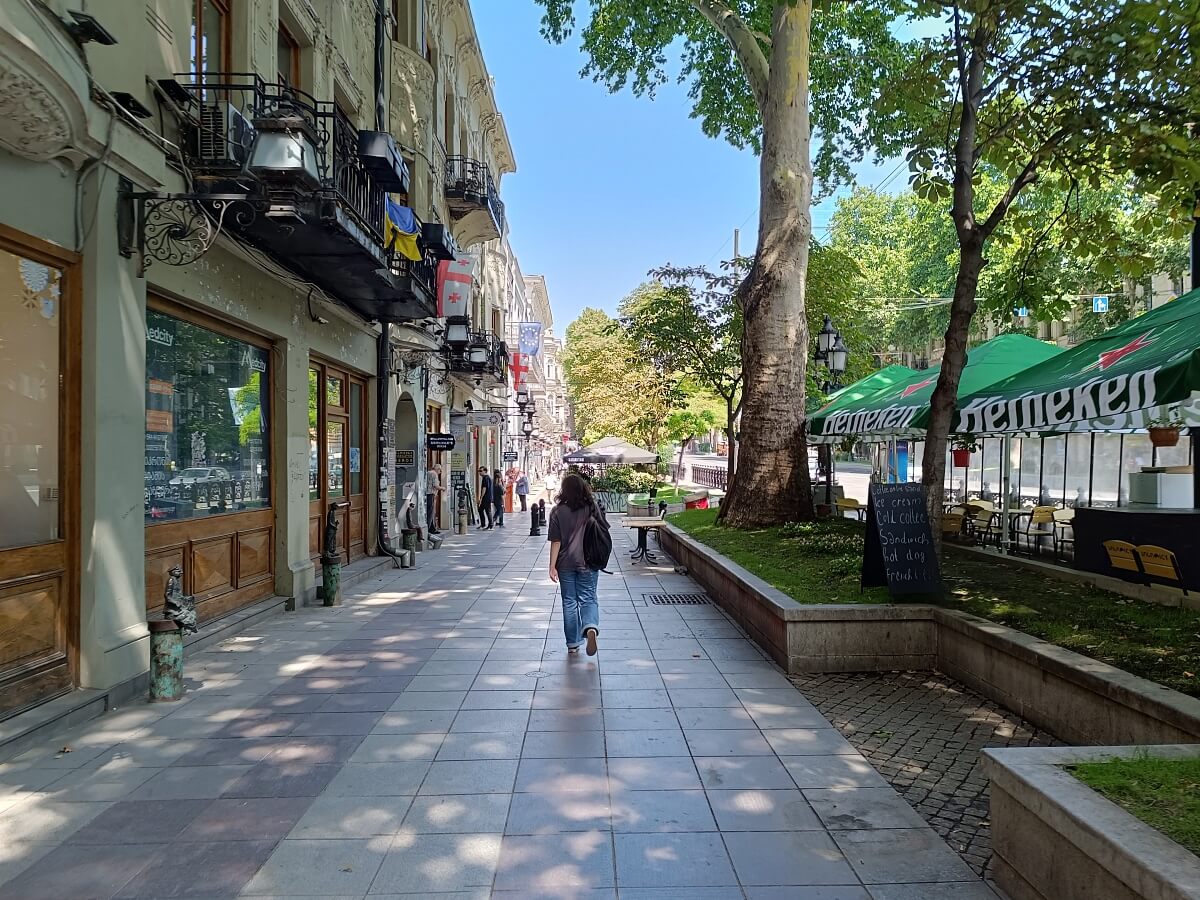
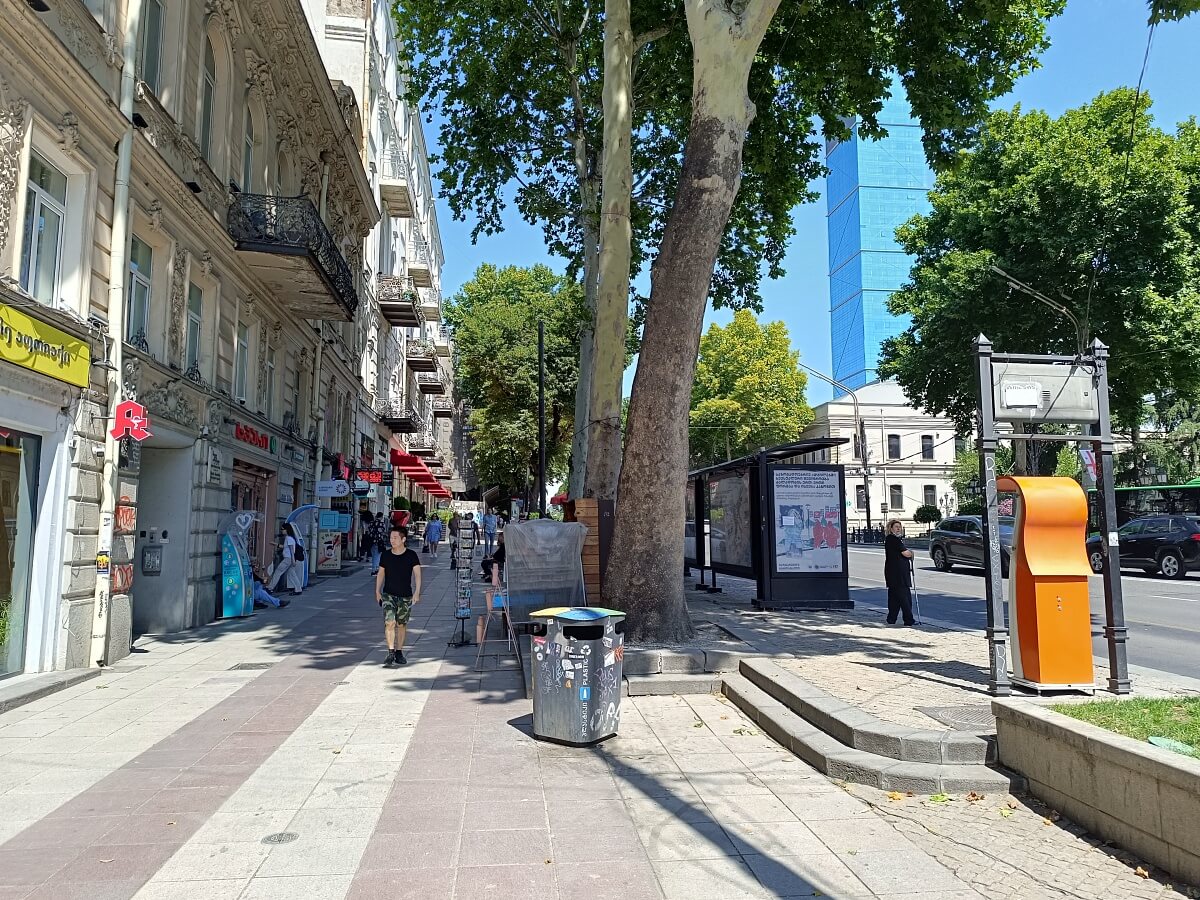
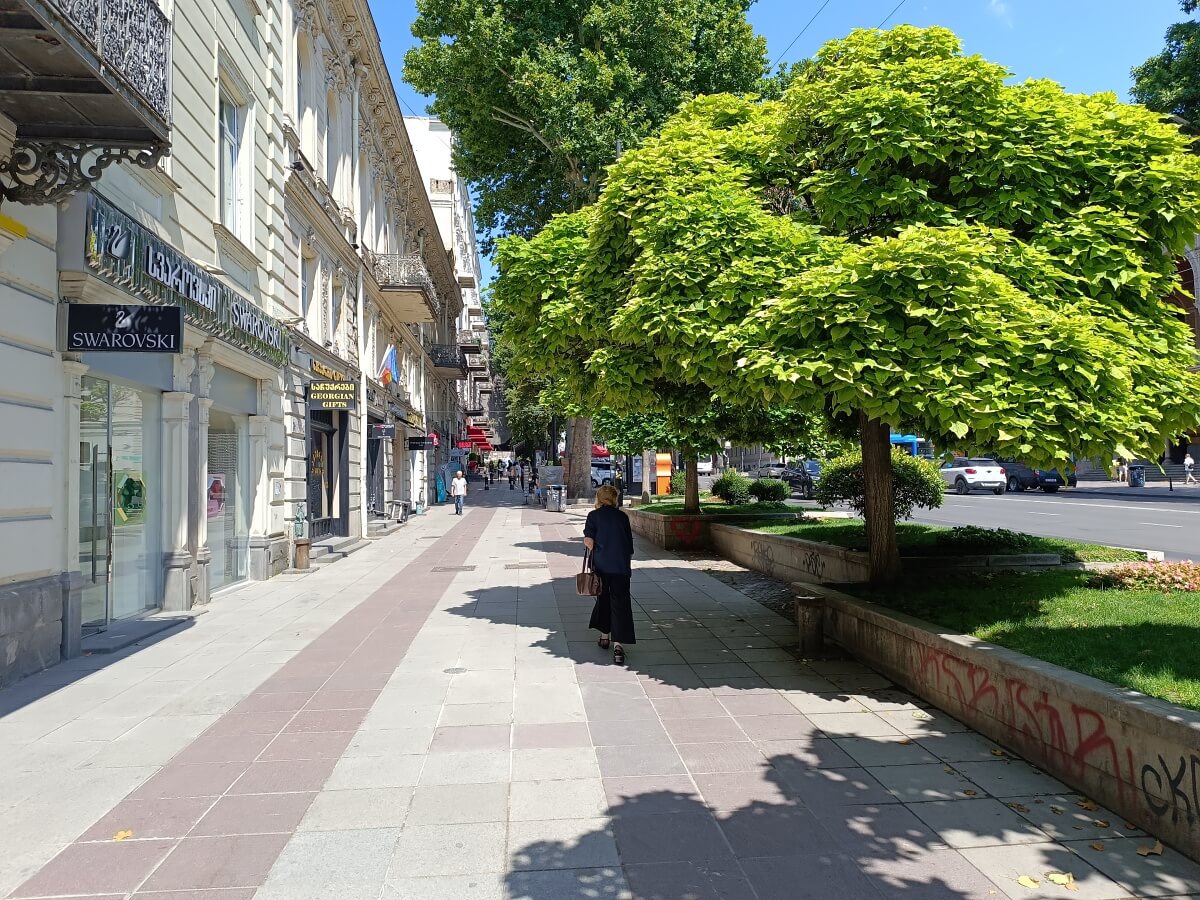
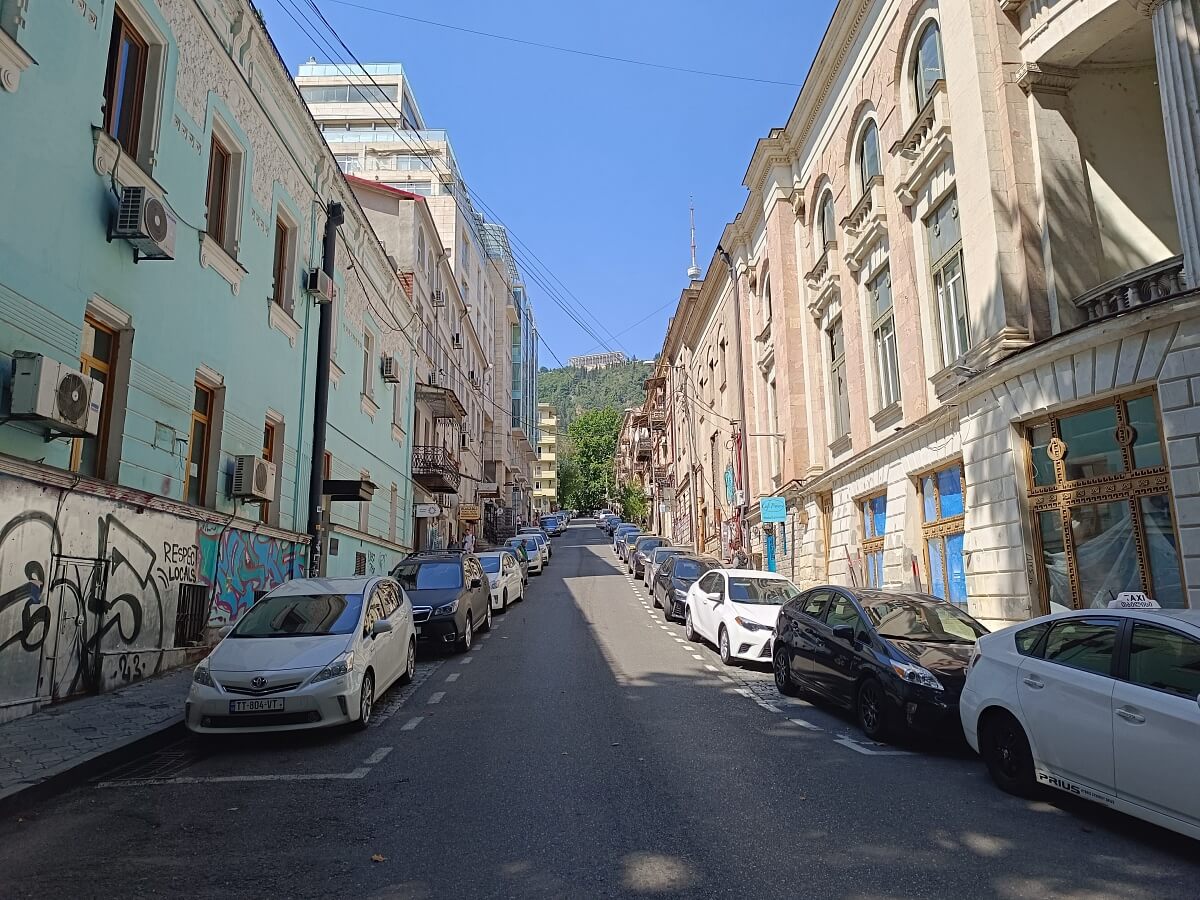
The blocks extending from the avenue toward Mount Mtatsminda follow a relatively regular street grid at first. But as the slope steepens, the orderly structure gradually dissolves into a maze of winding streets and narrow alleys.
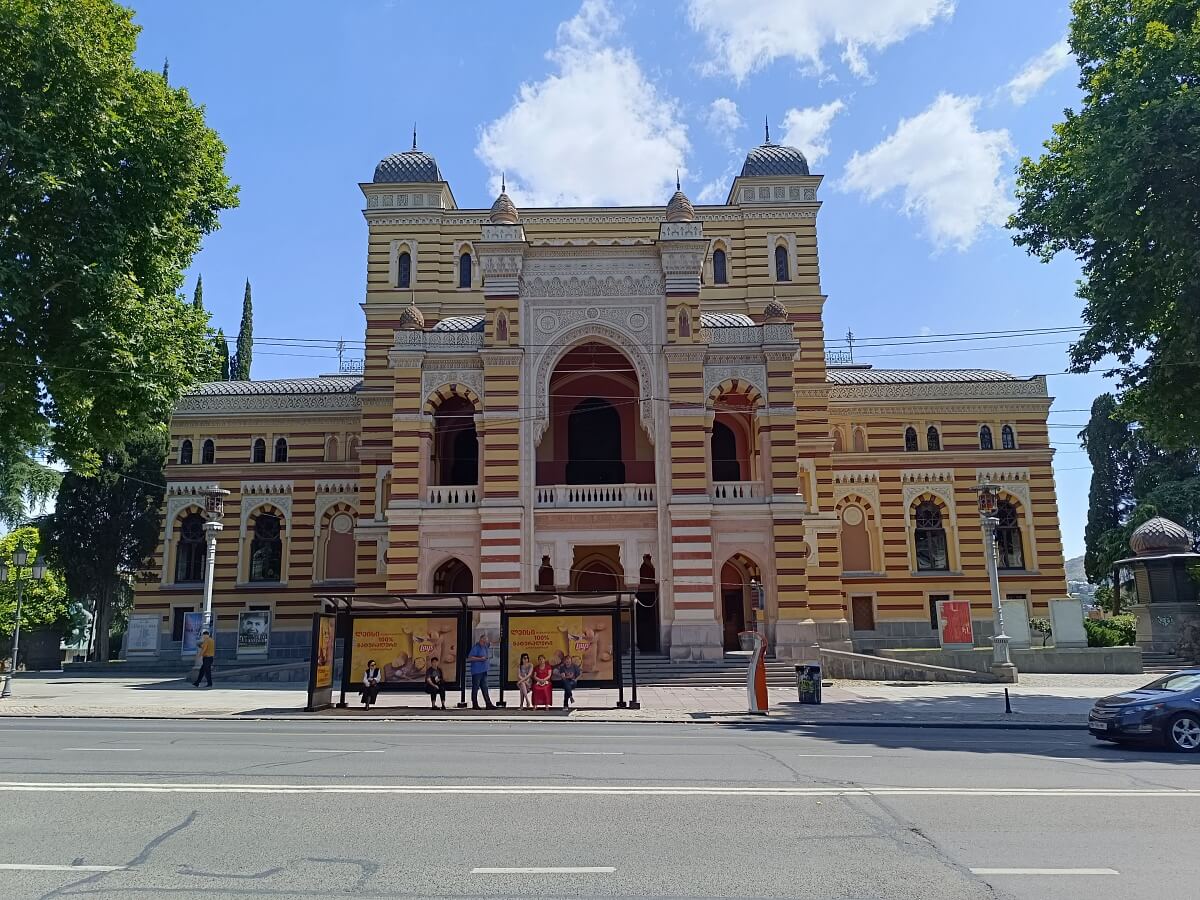
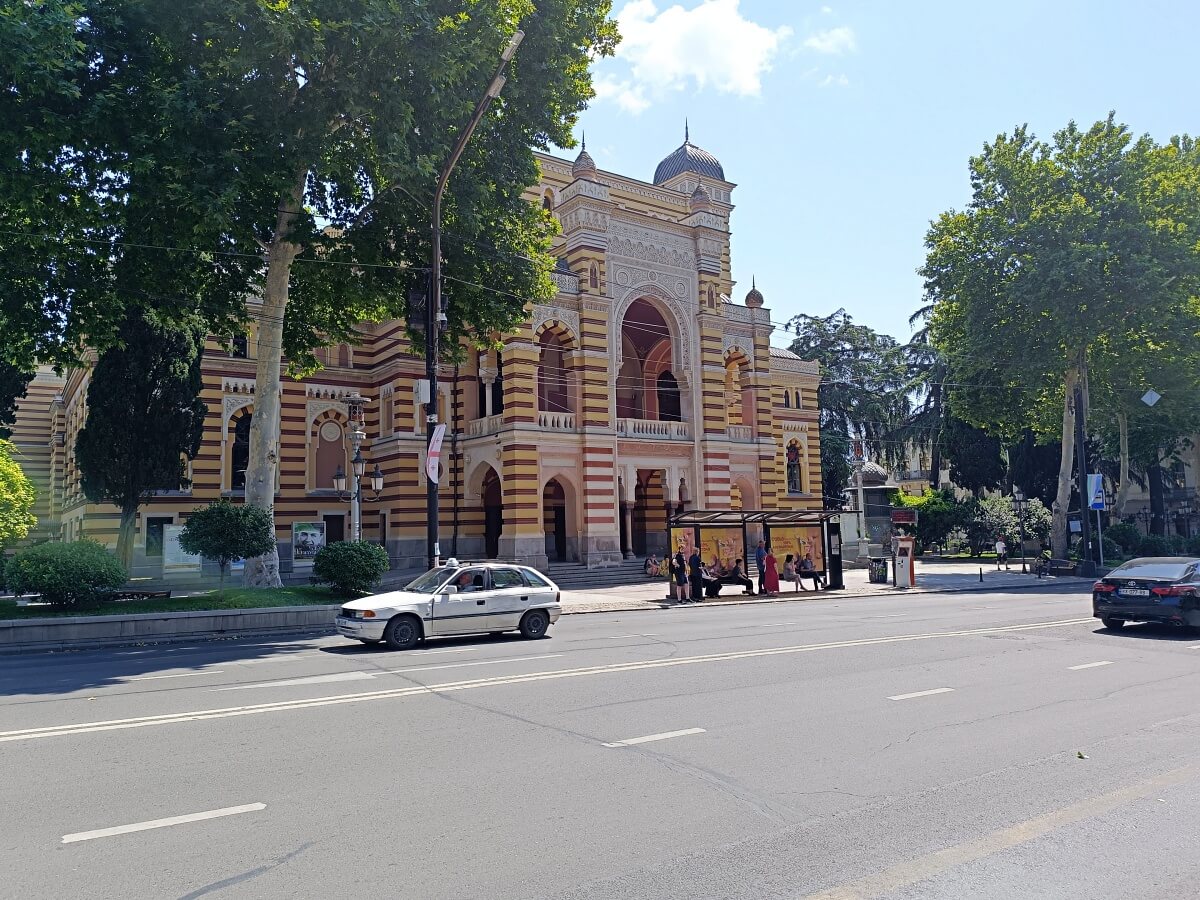
The Opera and Ballet Theatre in Moorish style:
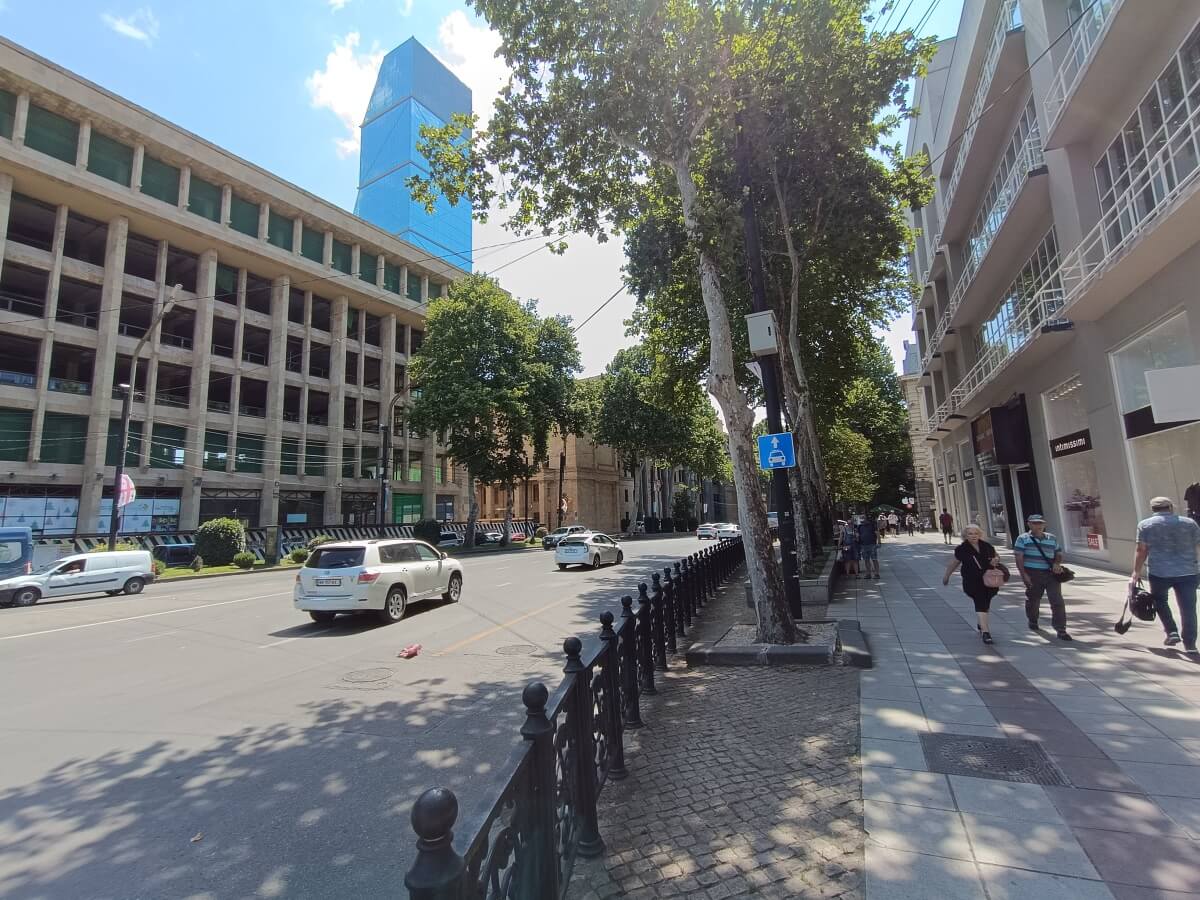
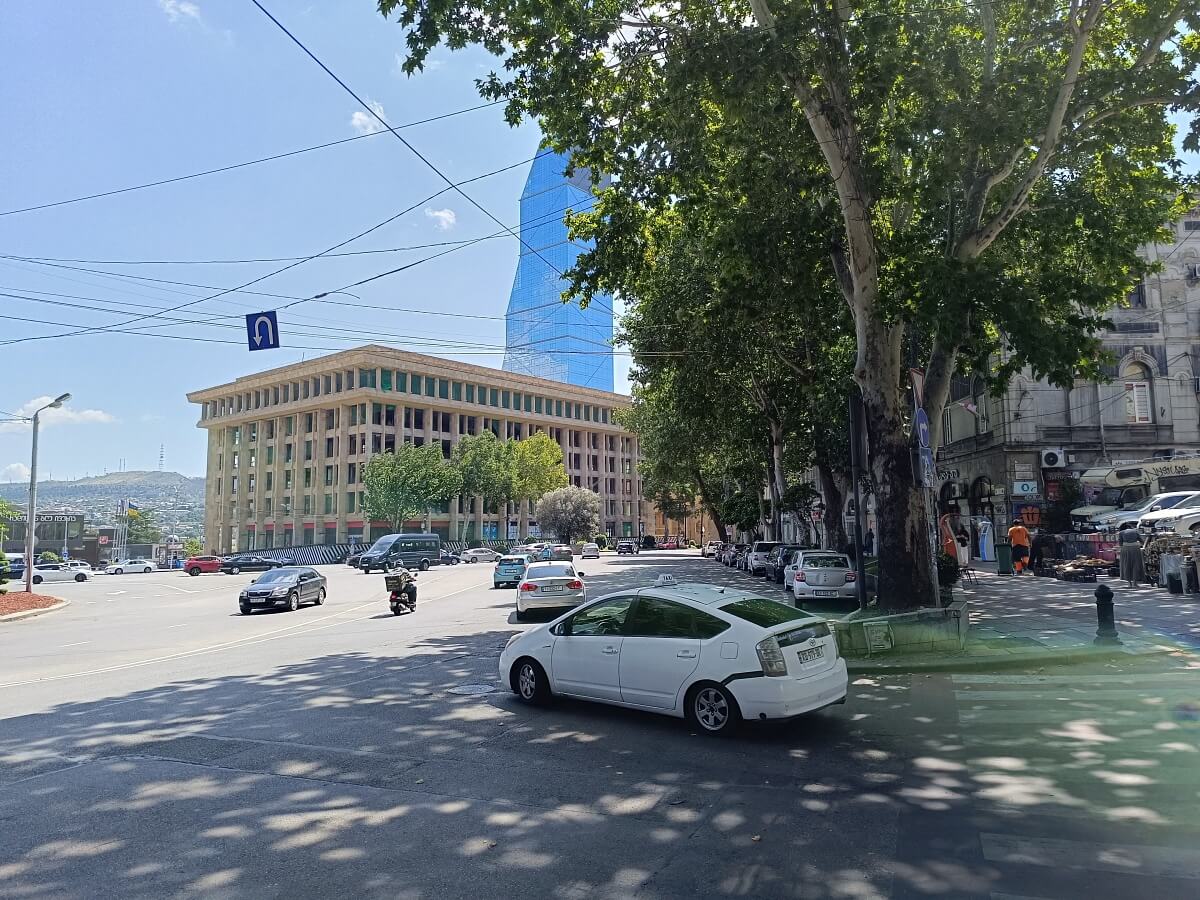
Near the end of the avenue, the street curves slightly to create space for Rose Revolution Square. Here stands one of the tallest buildings in Georgia — The Biltmore Hotel:
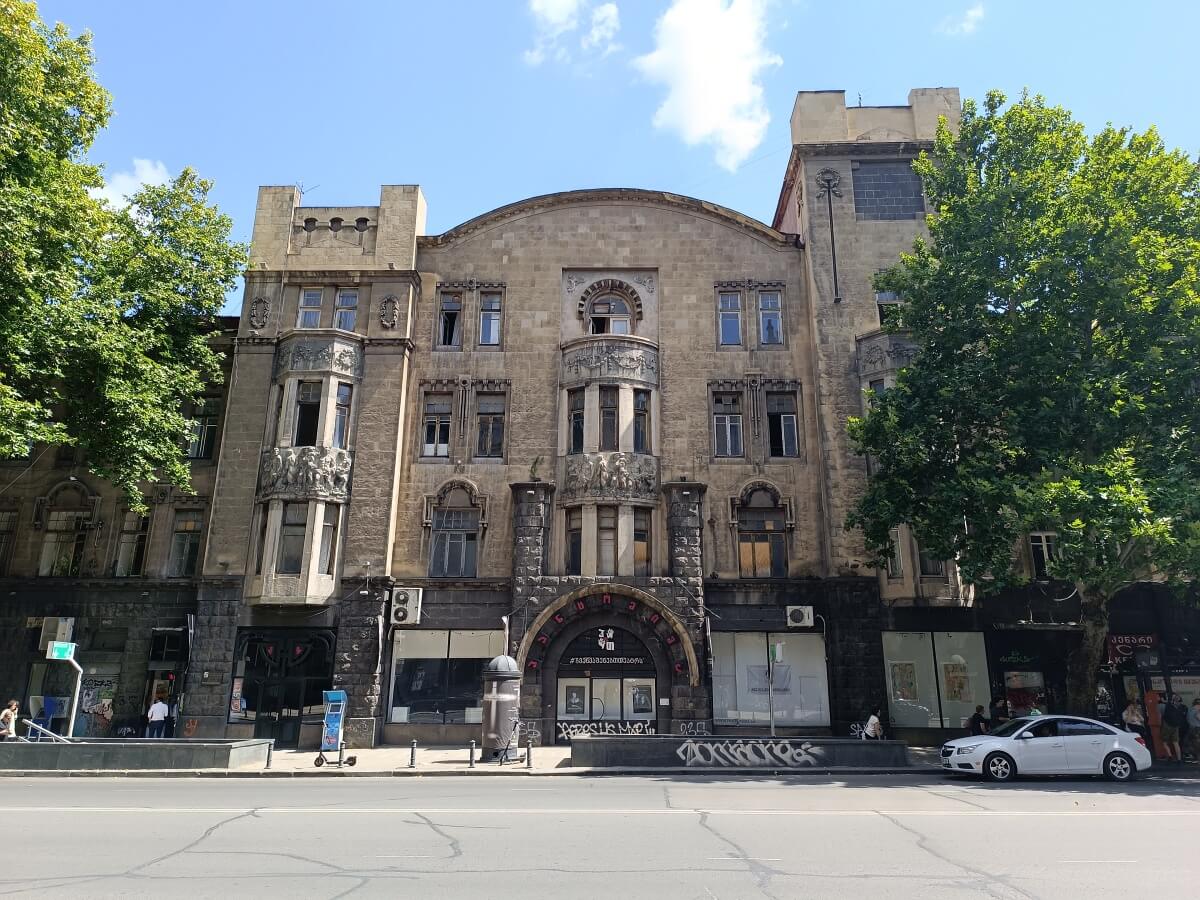
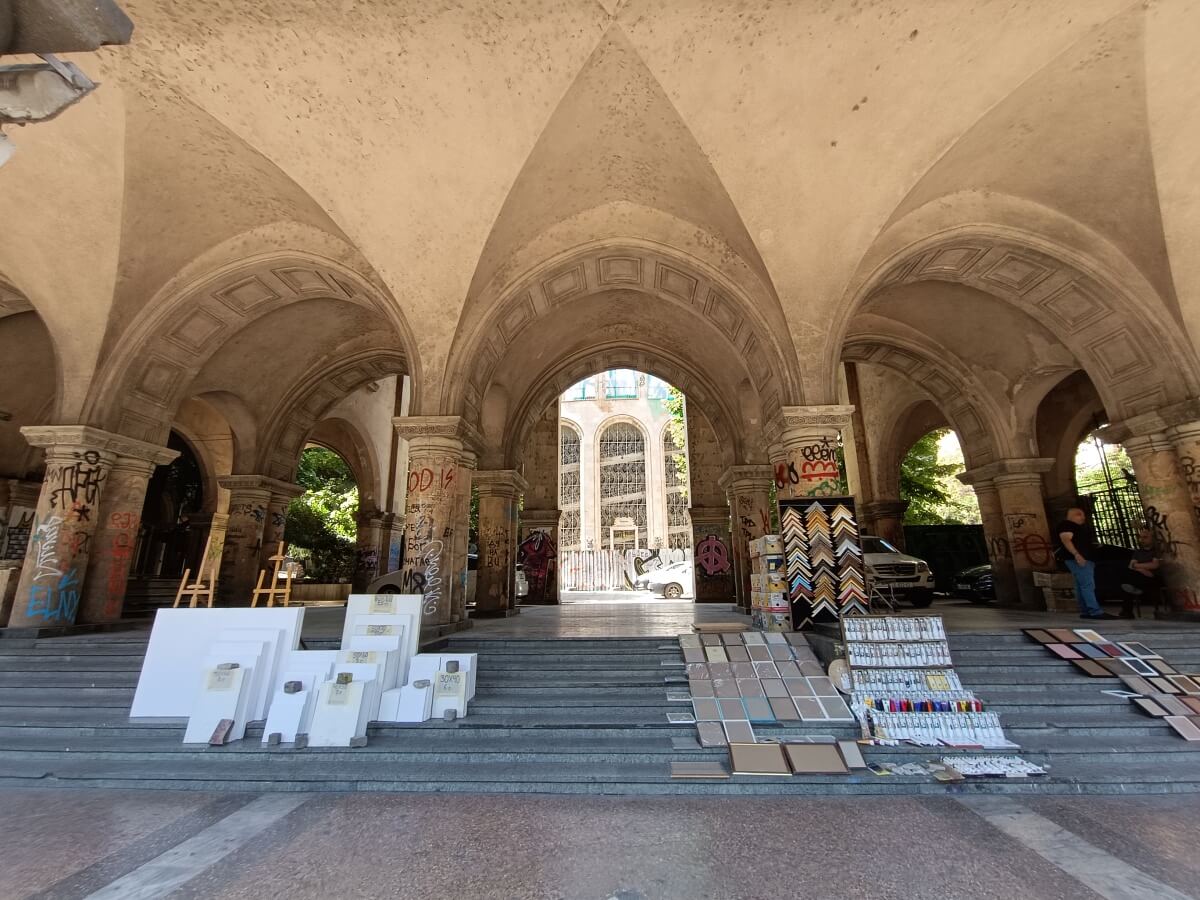
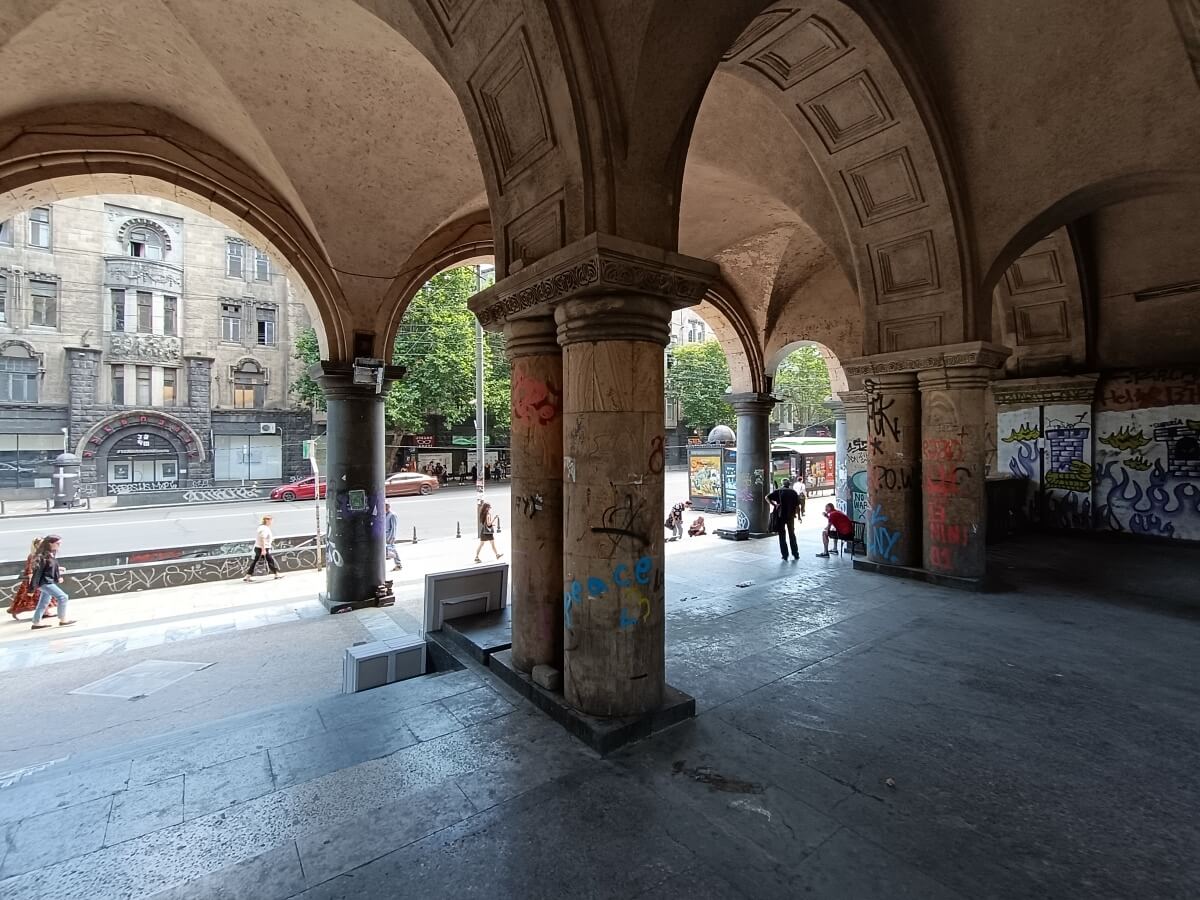
The final pair of major buildings on the avenue includes an Art Nouveau residential building with a pantomime theatre inside, and the former headquarters of the Gruzugol company, now occupied by the Georgian Academy of Sciences and partially by the House of Cinema.
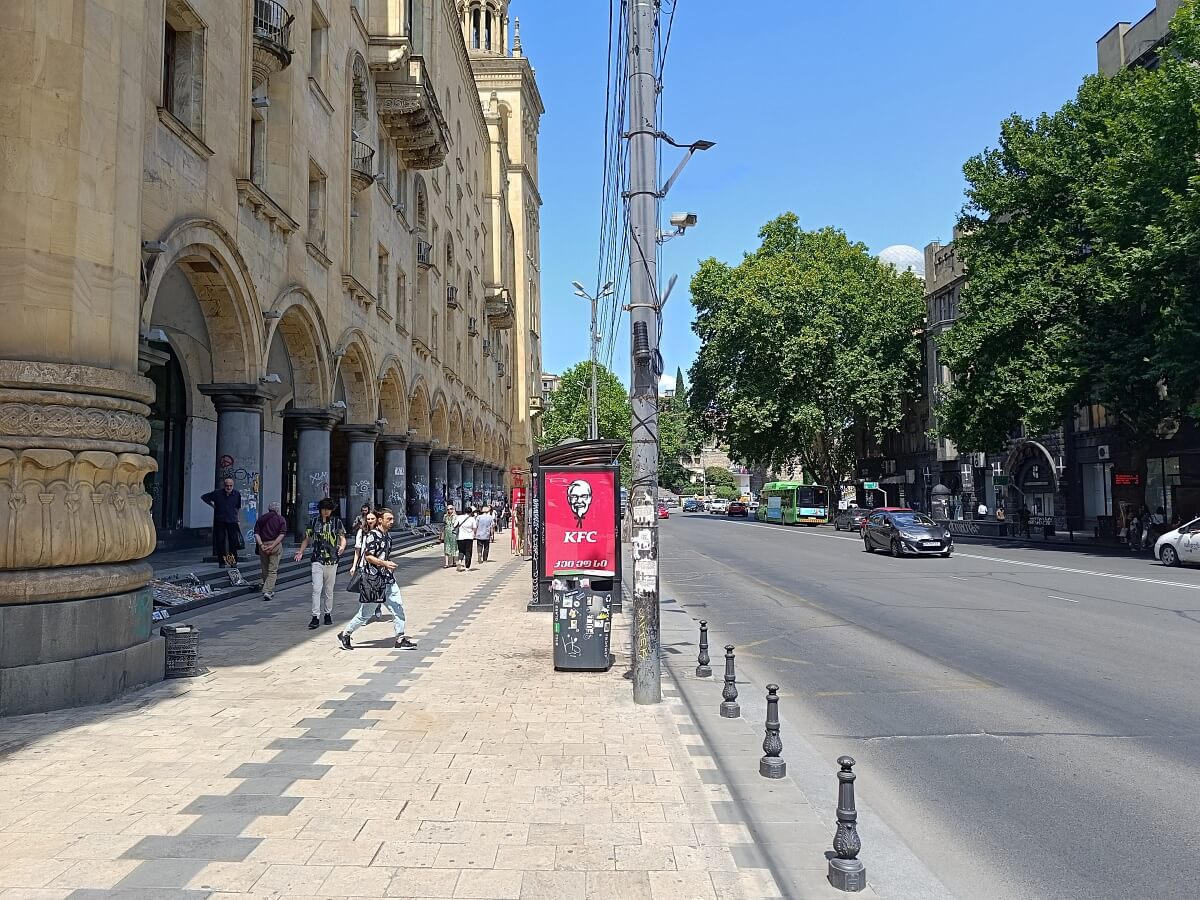
The residential building:
The arcade of the Academy of Sciences:
Hidden in the courtyard is the lower station of the currently inactive cable car leading to Mtatsminda:
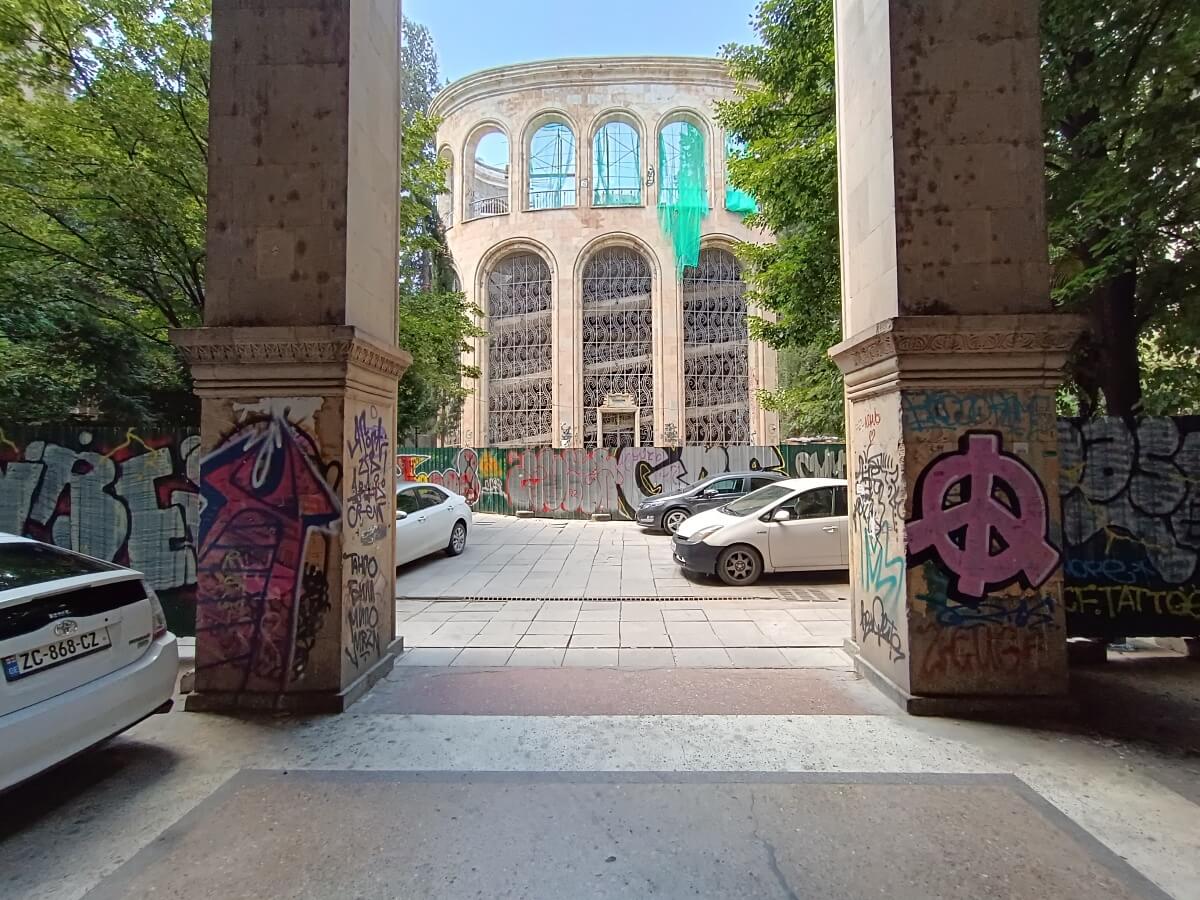
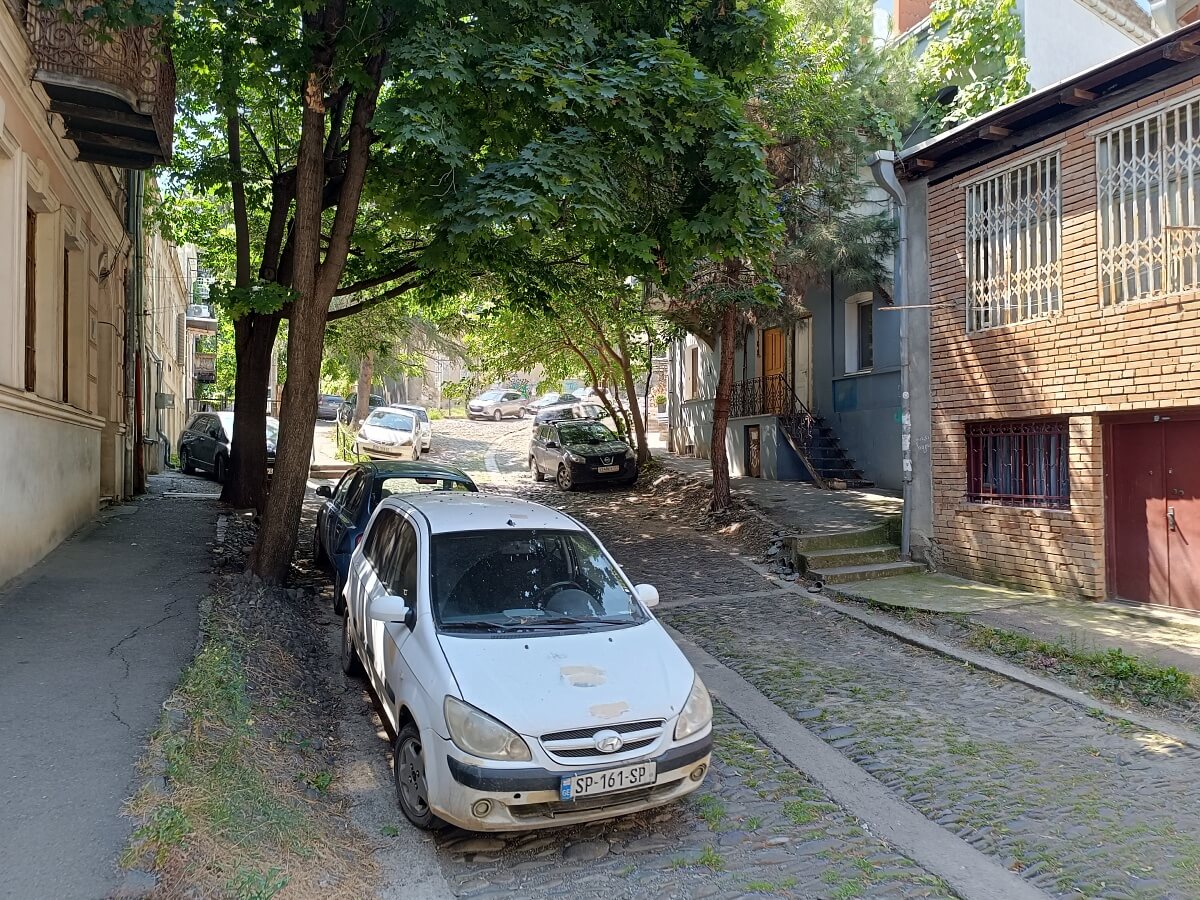
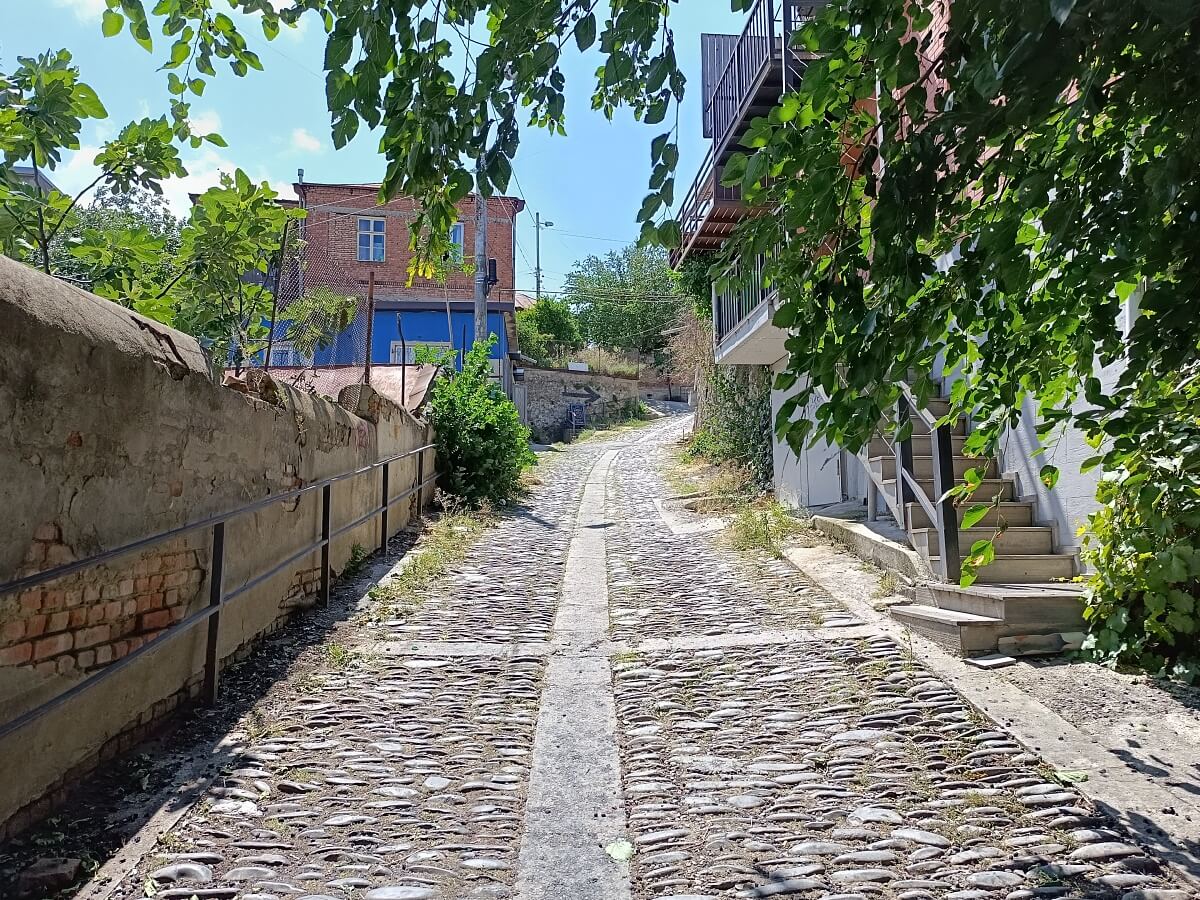
Near Rustaveli metro station, Mtatsminda borders the neighboring district of Vere, but continues deeper uphill on both sides of the avenue. As the terrain becomes steeper, many streets are paved with cobblestones to improve safety during icy weather.
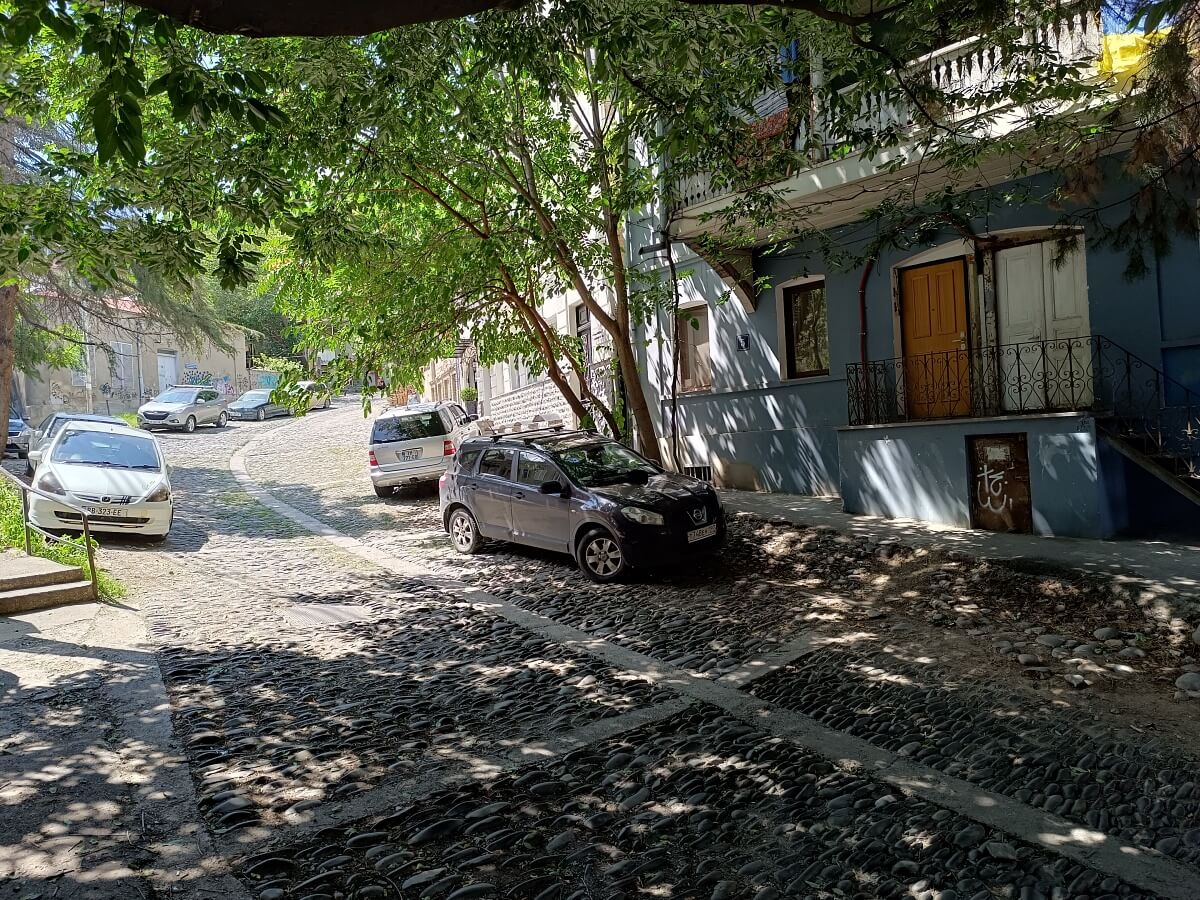
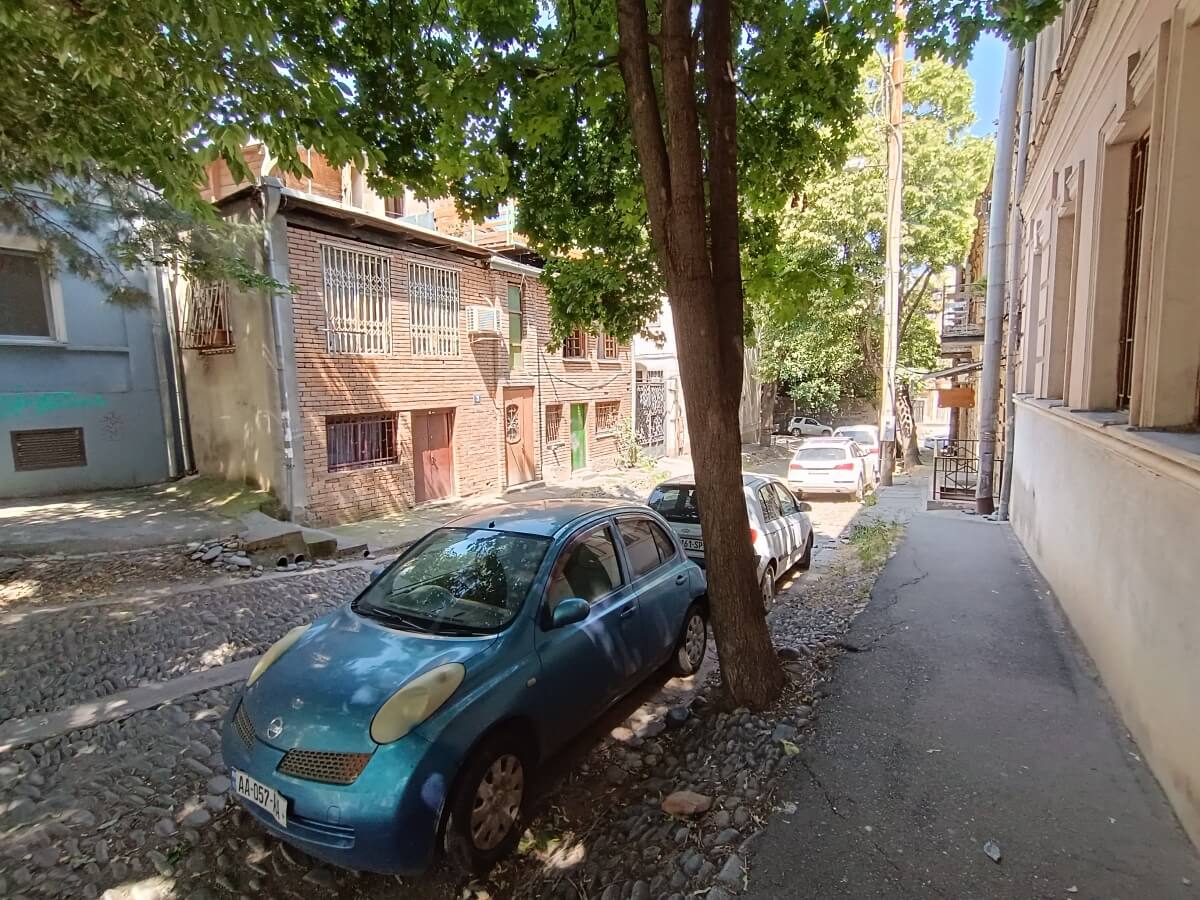
On an elevated spot stands the Church of St. Michael of Tver, belonging to the Russian Orthodox Church. Built in the early 20th century, it remained open even during the Soviet era.
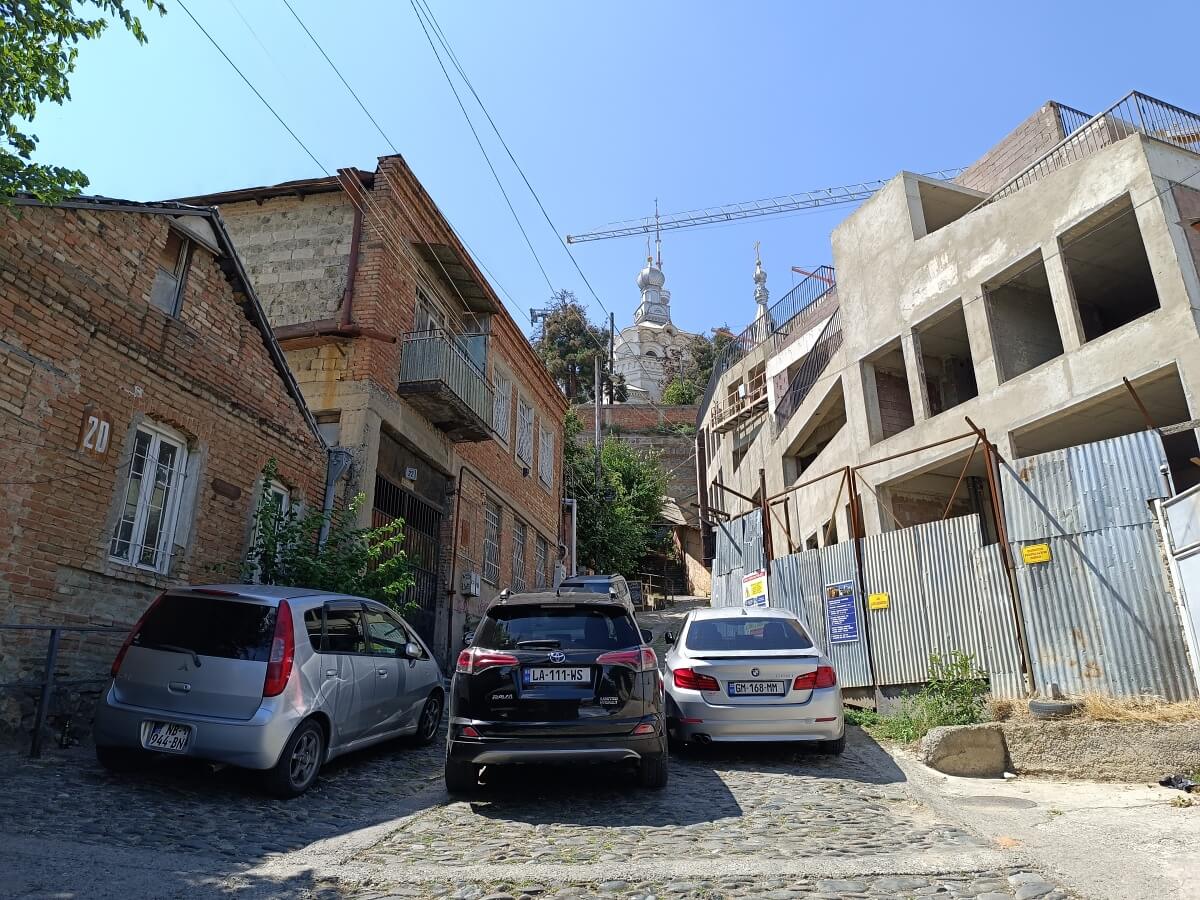
The maze-like streets of Upper Mtatsminda climbing the hillside:
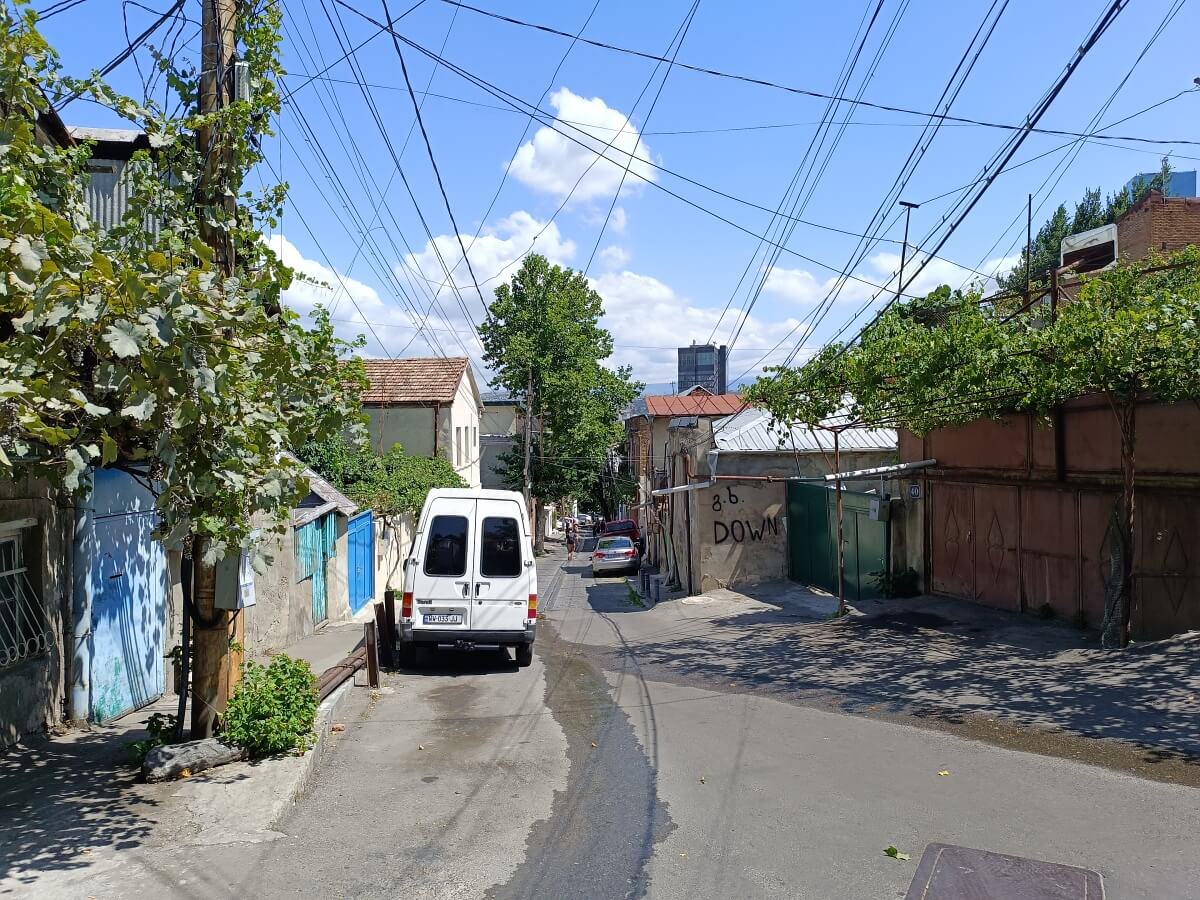
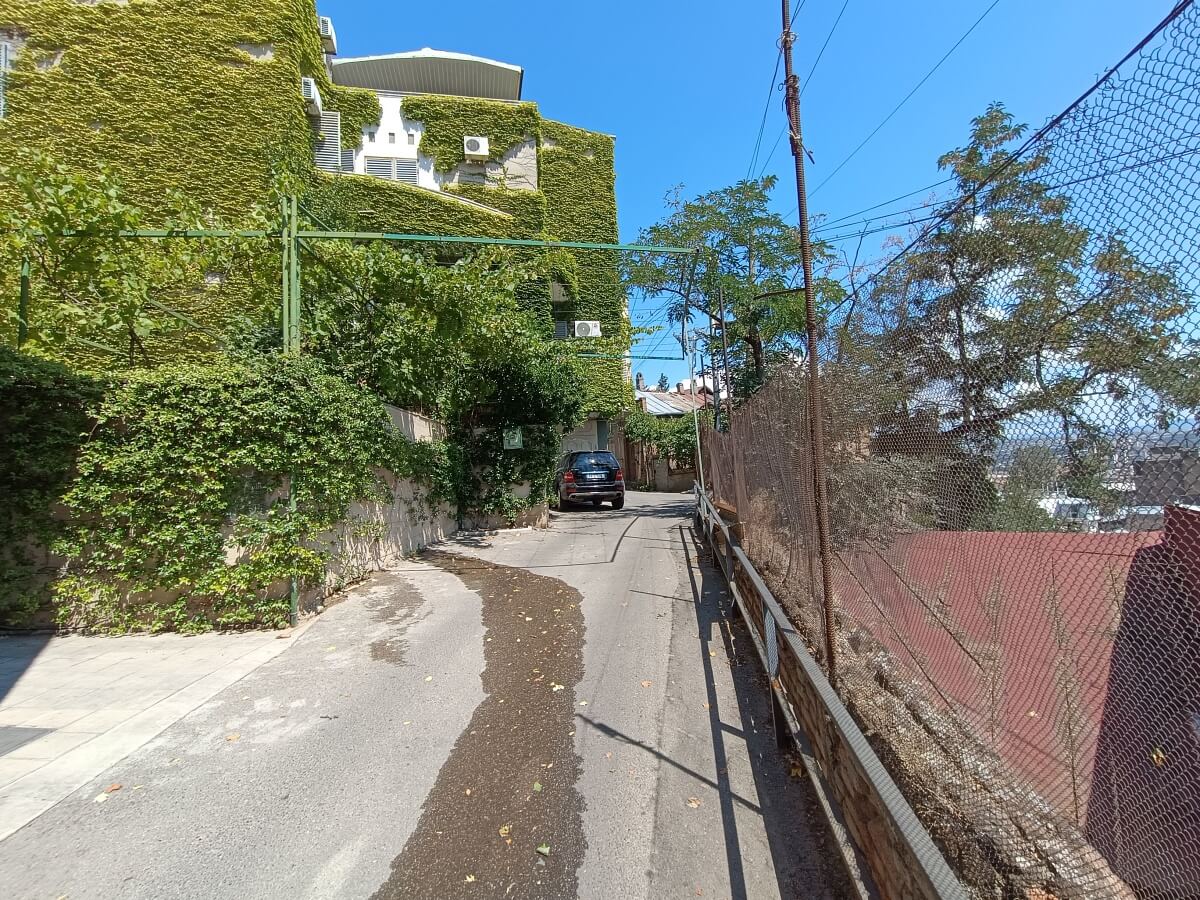
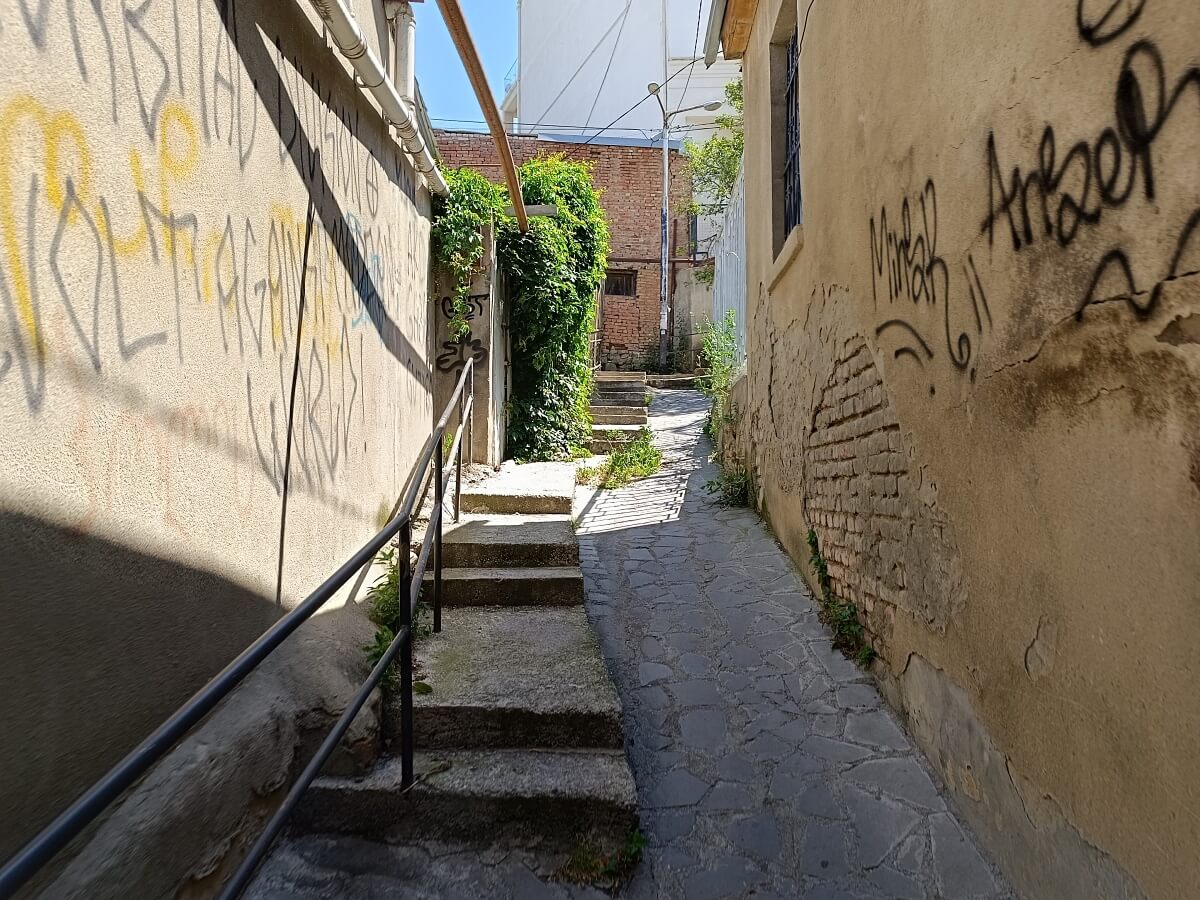
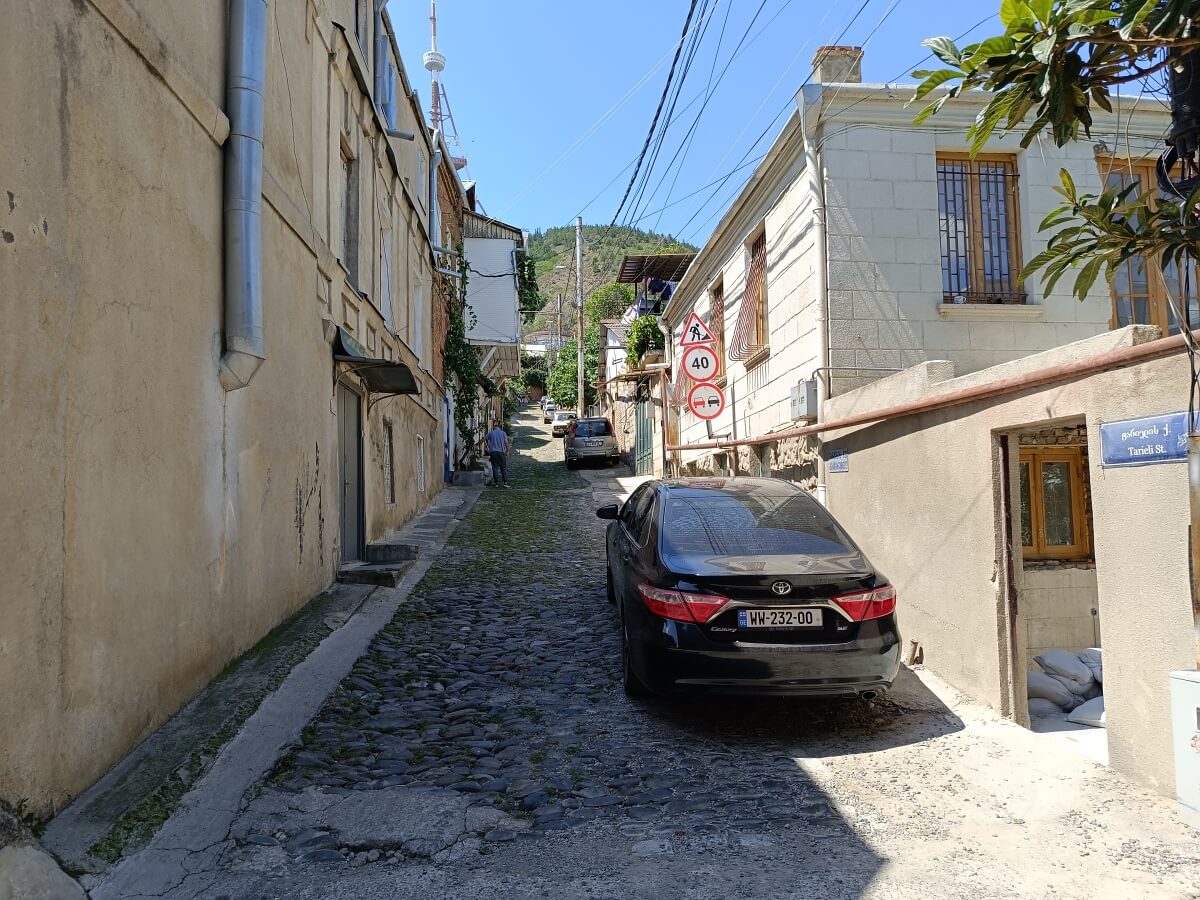
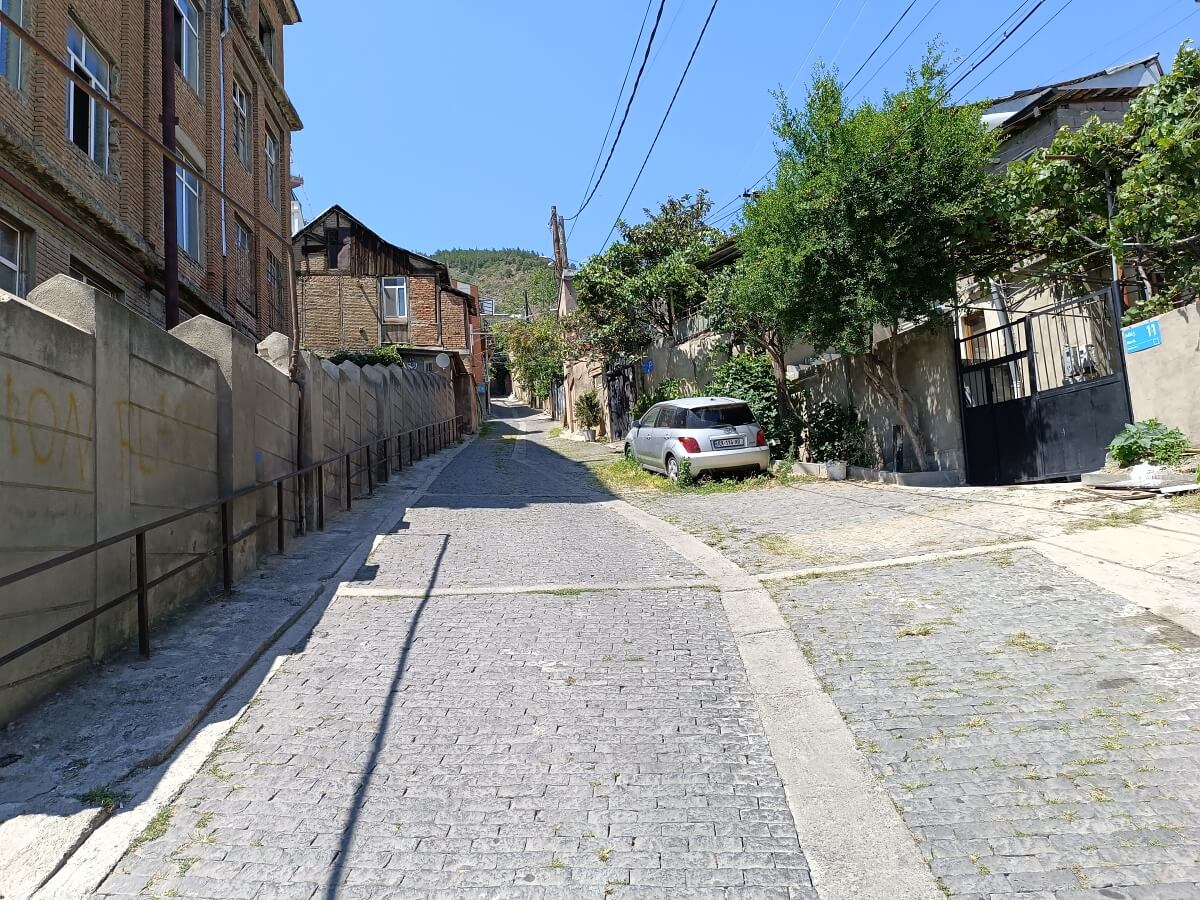
Along the upper edge of the district runs Konstantine Makashvili Street, beyond which development becomes increasingly rare as the mountain slopes grow steeper.
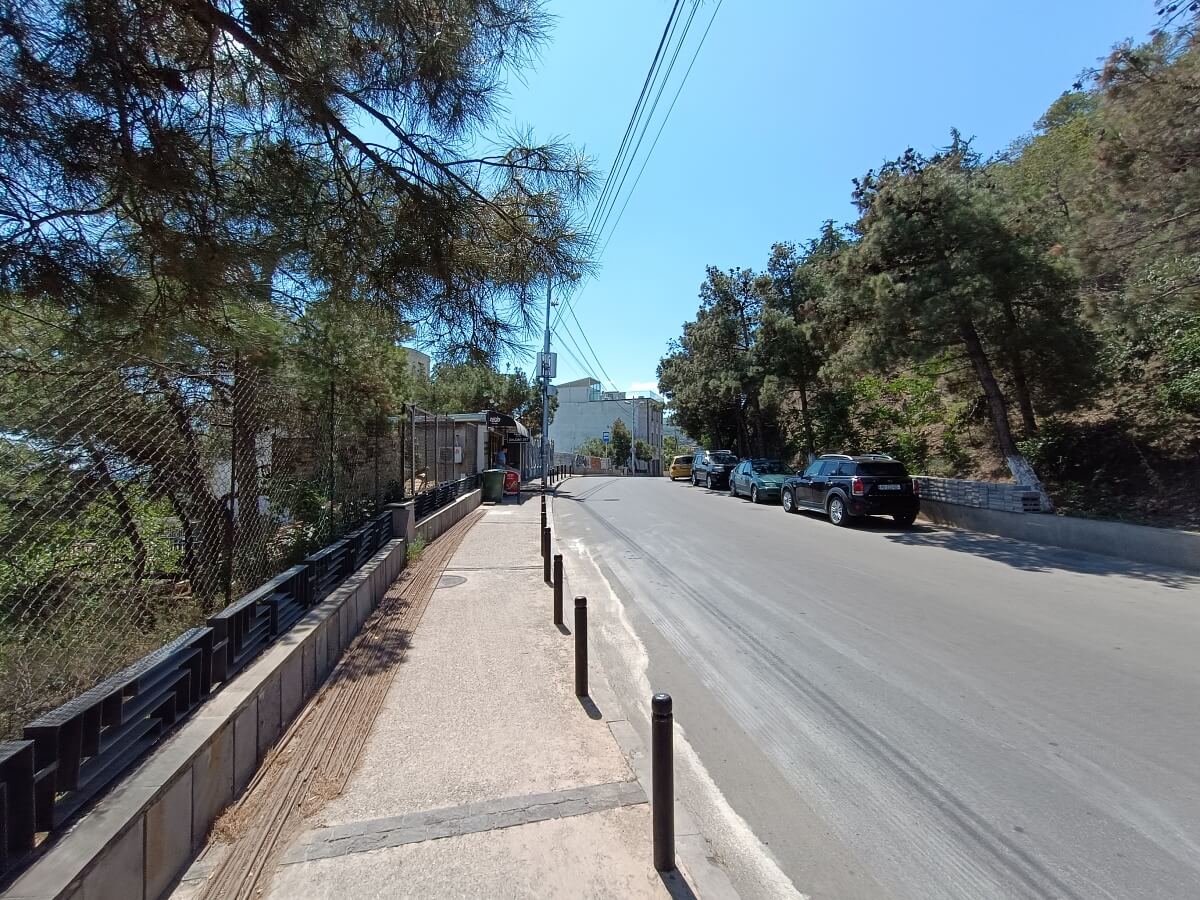
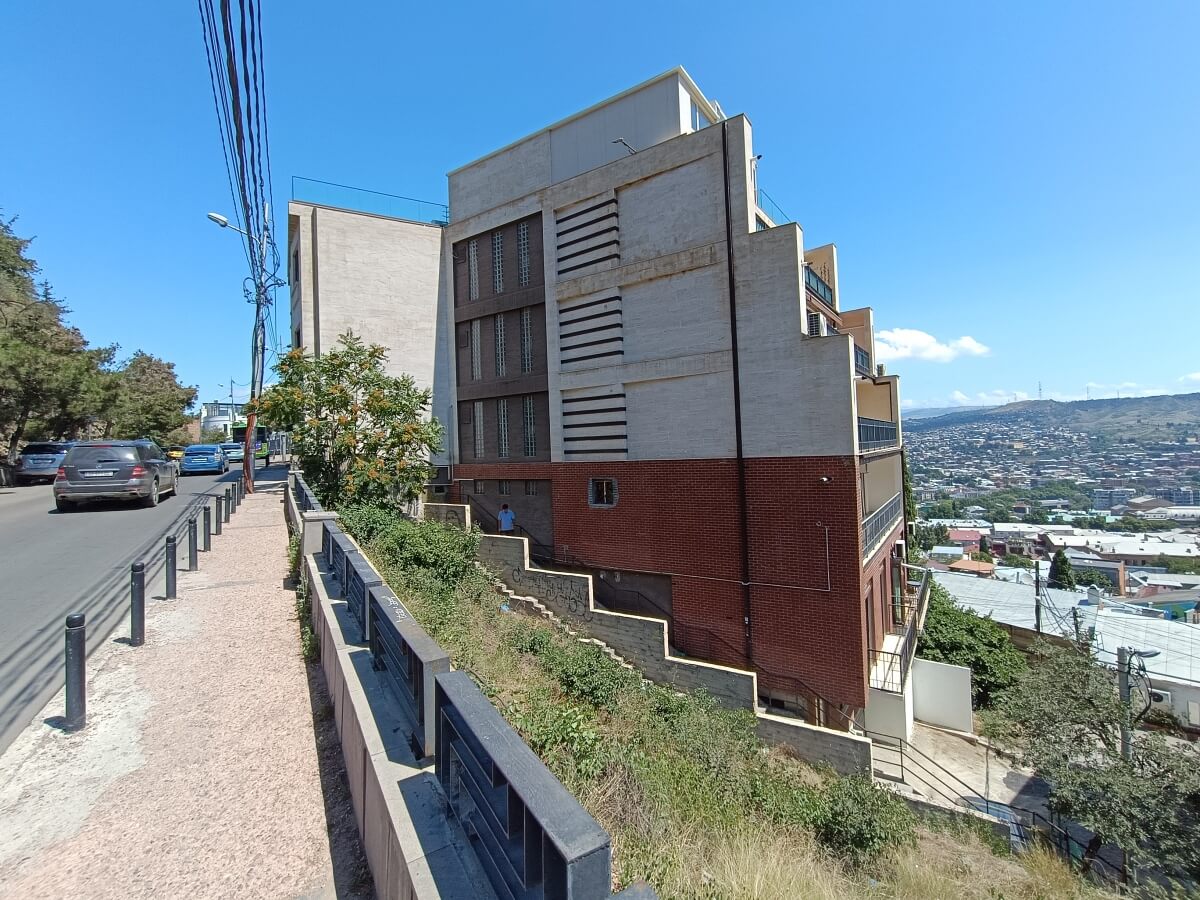
And from here, magnificent views open over the warm and vibrant city below.
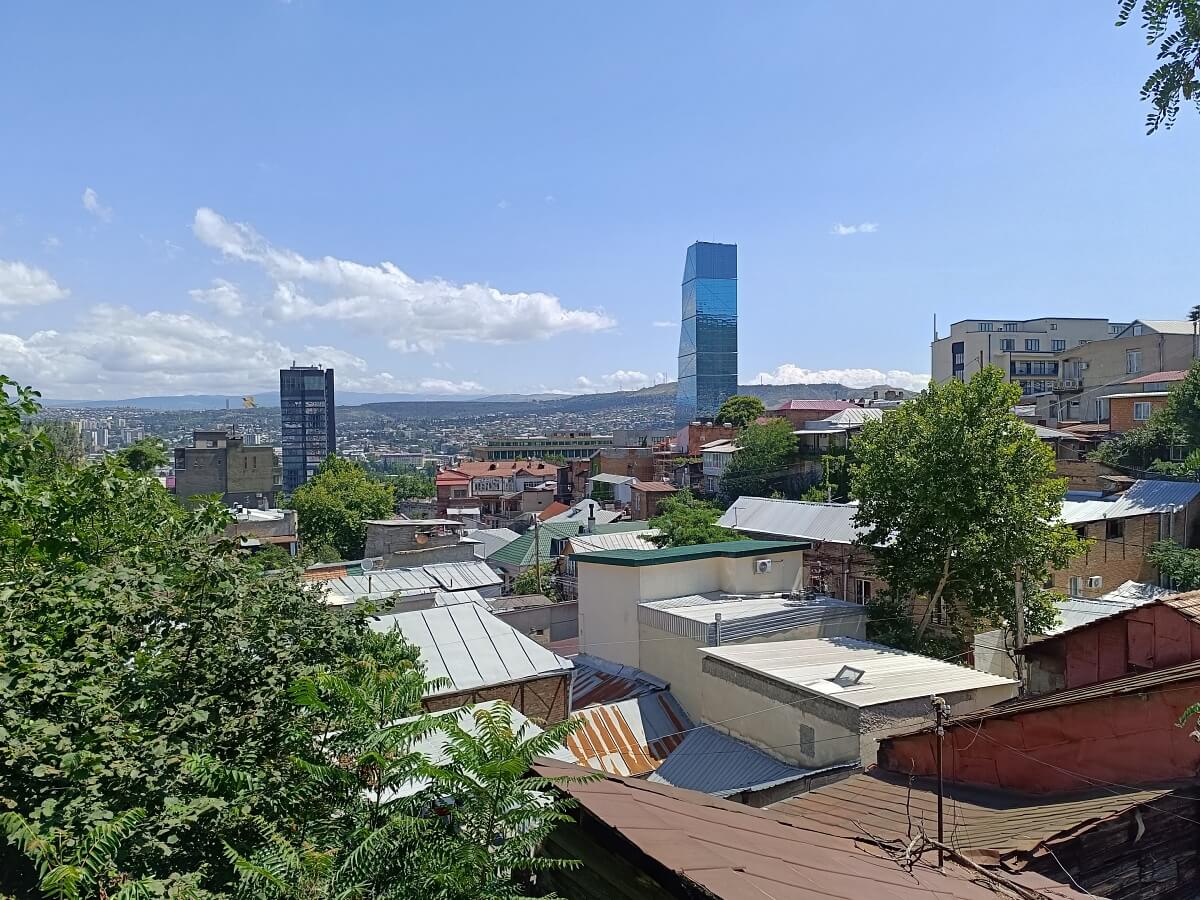
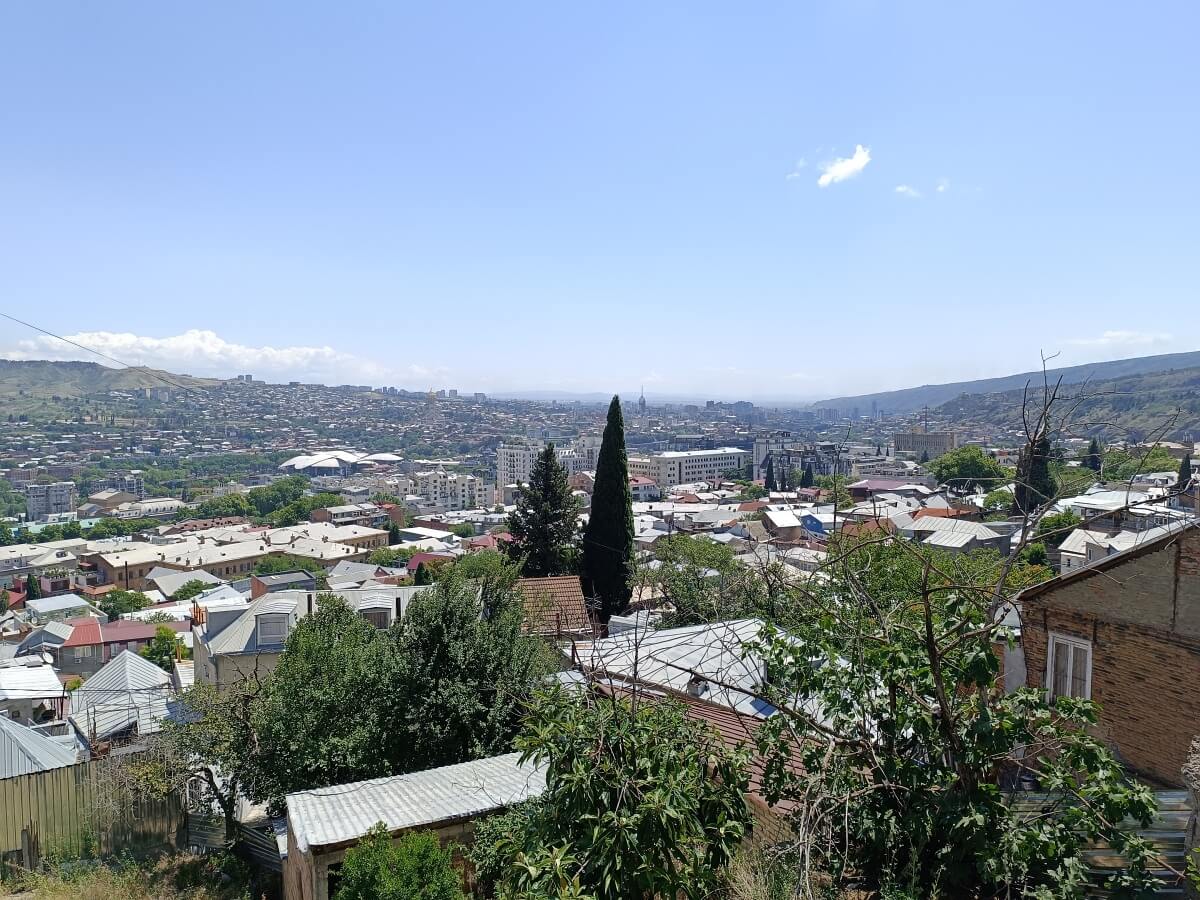
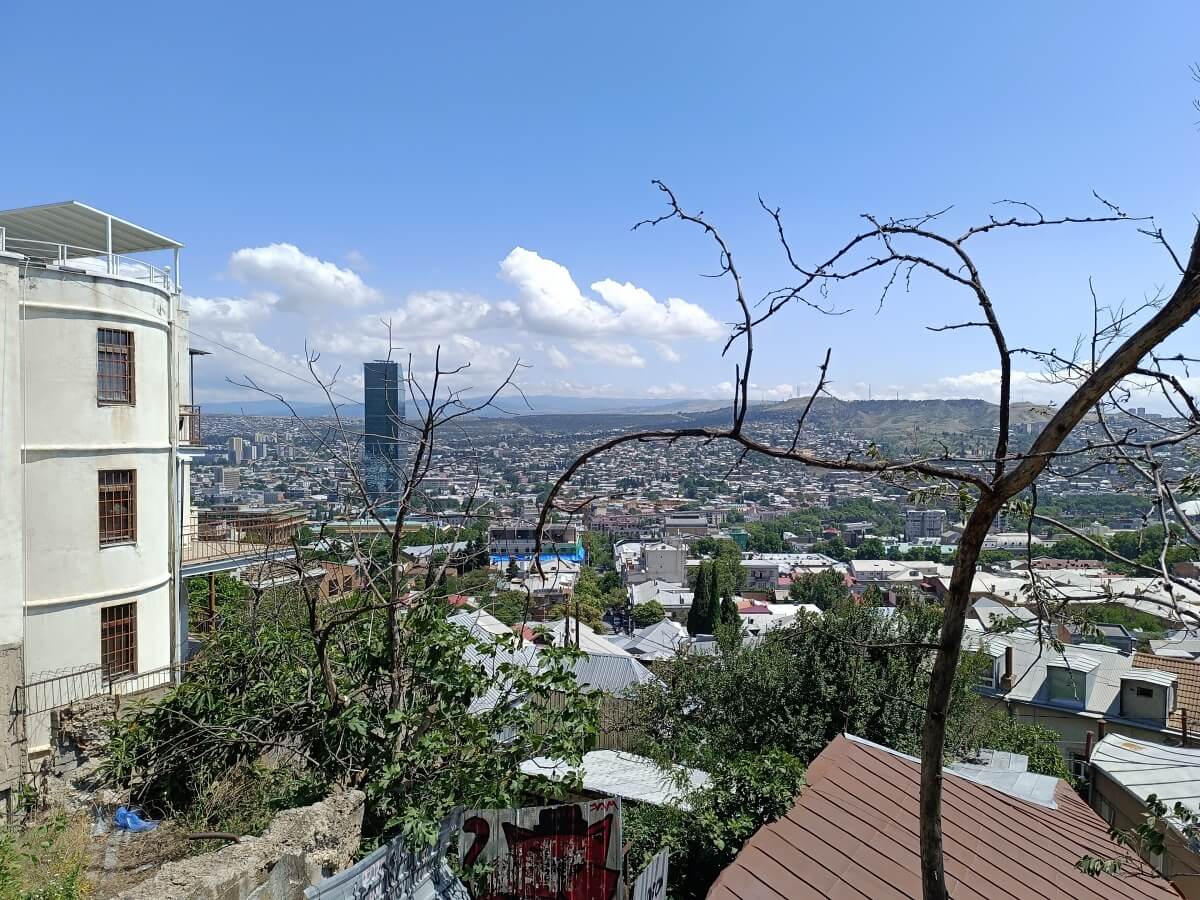
The upper part of the district has become especially attractive for small hotels, guesthouses, and hostels.
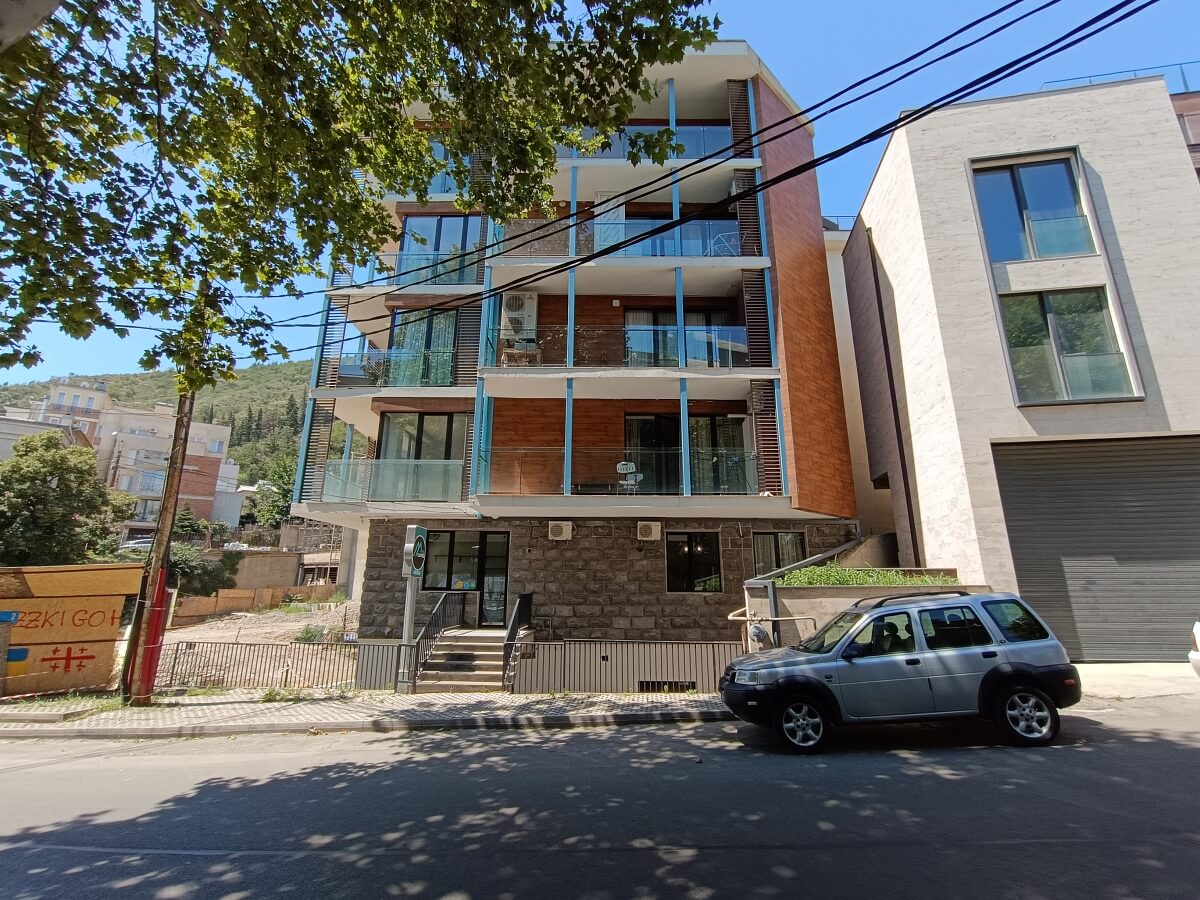
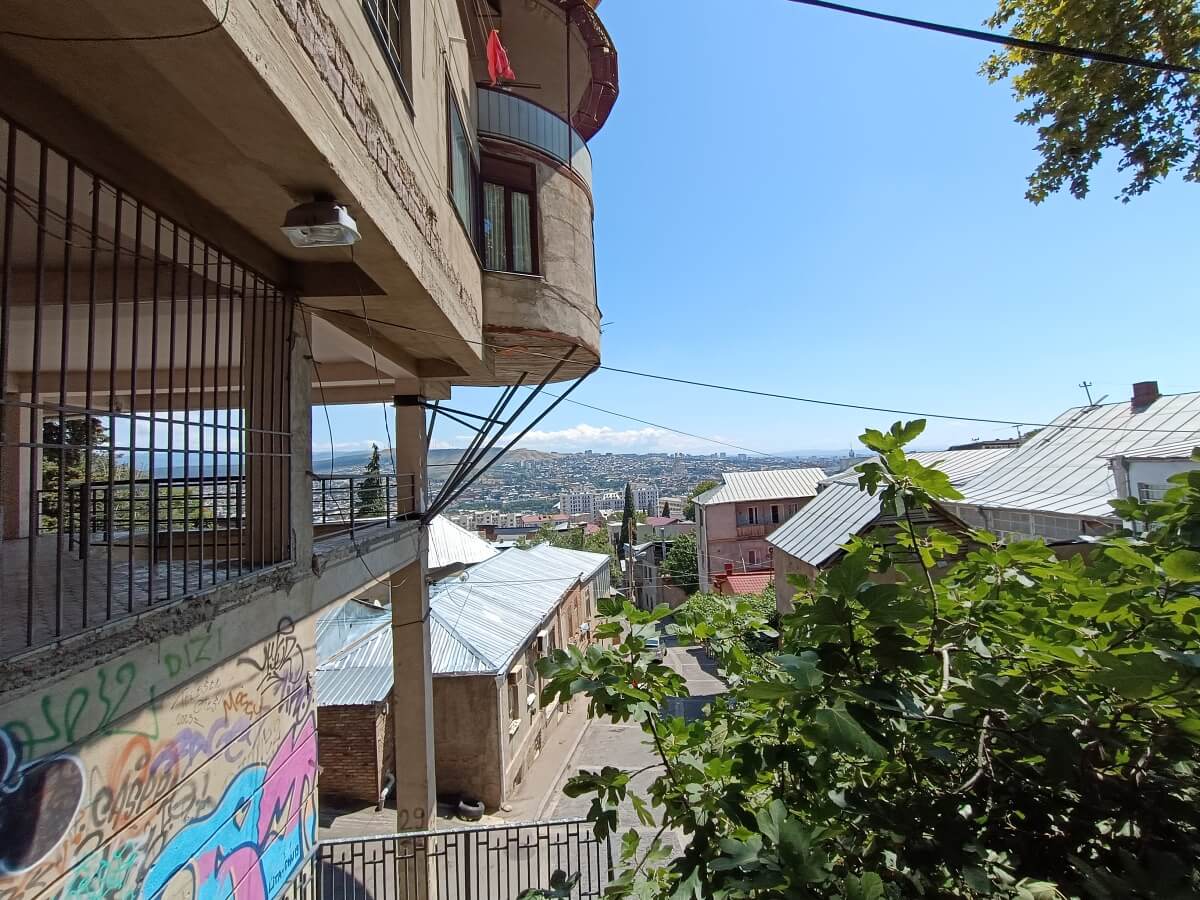
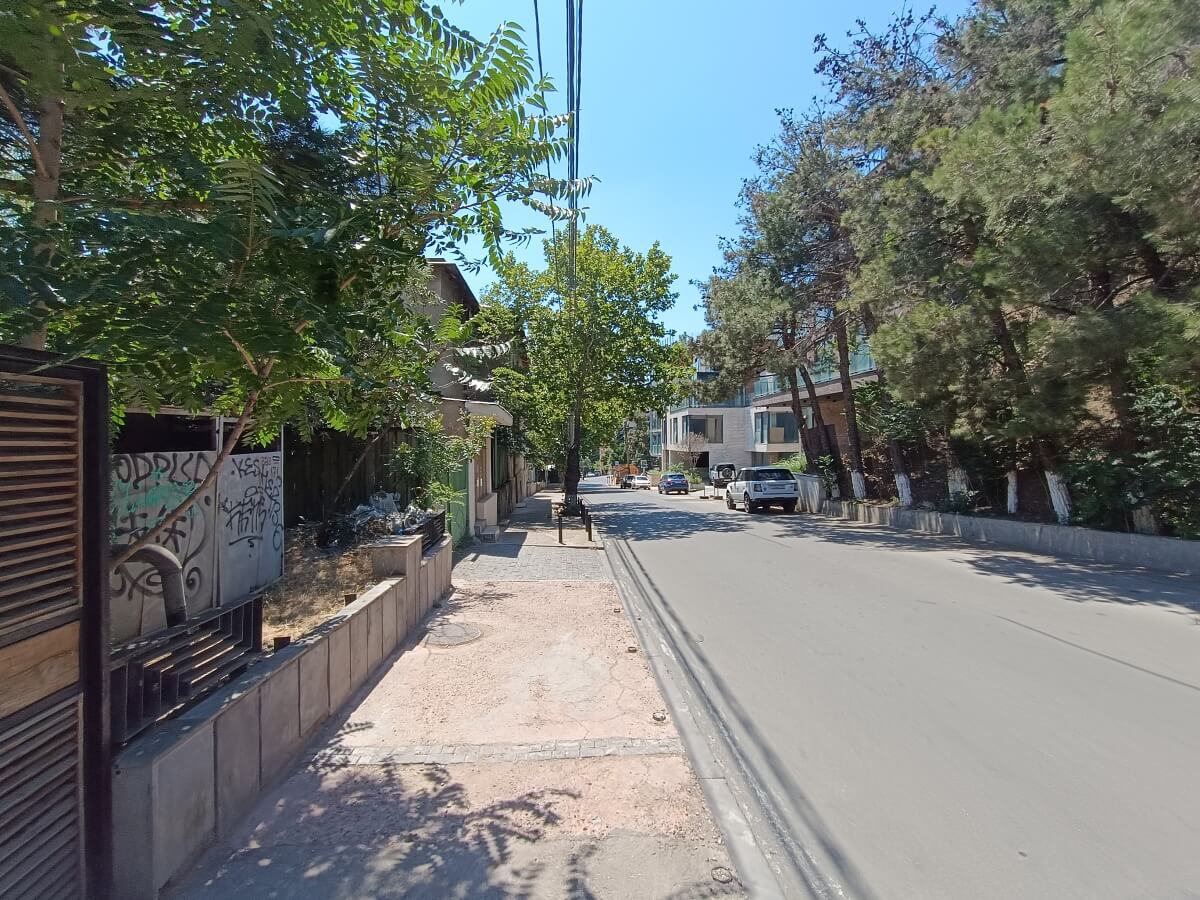
Mtatsminda Street:
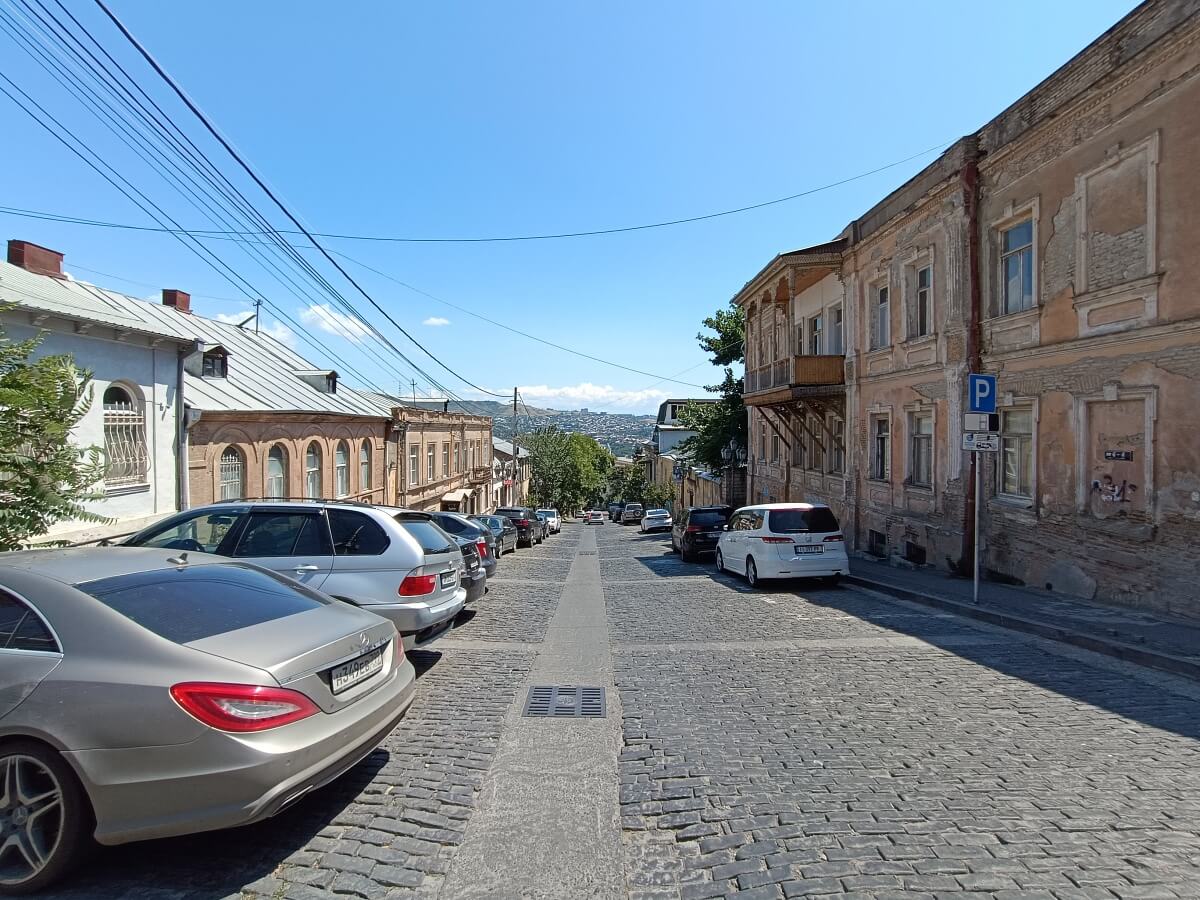
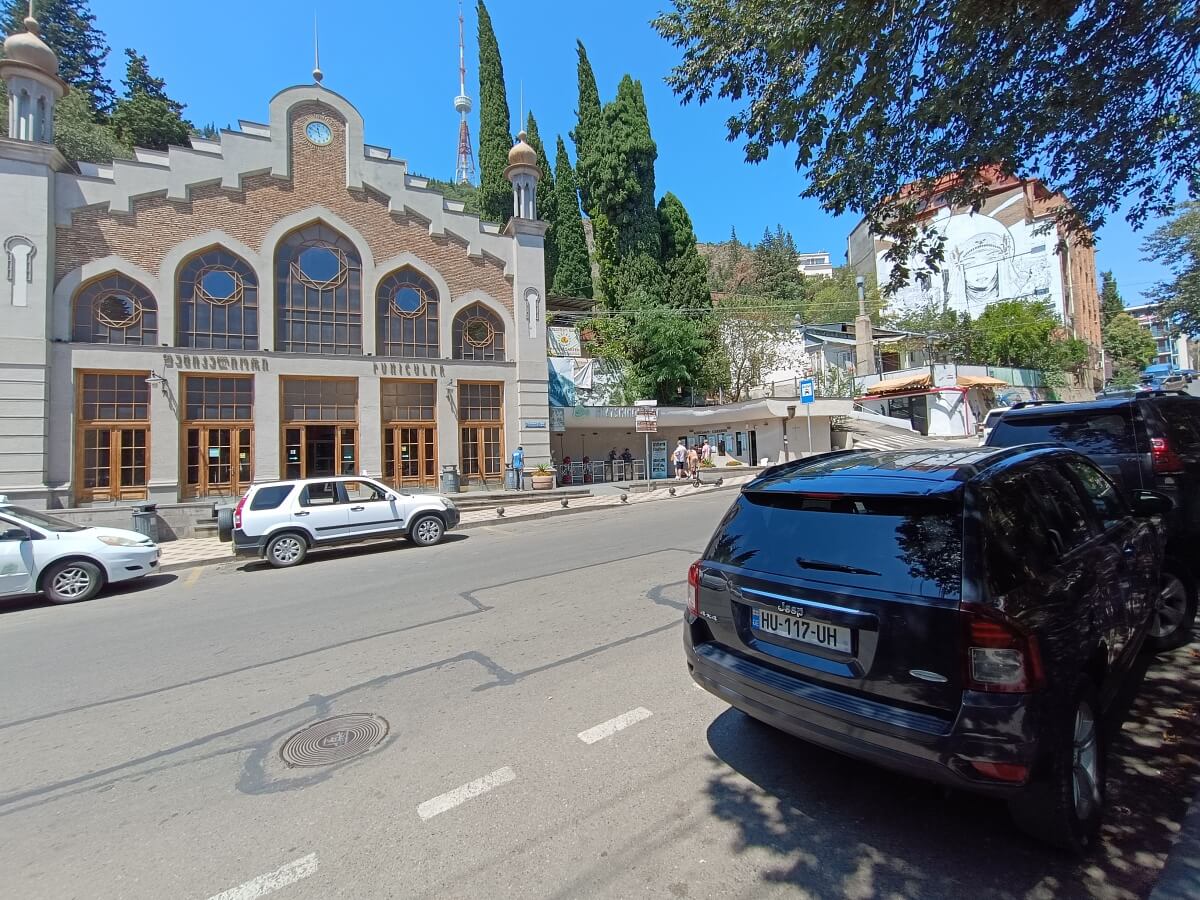
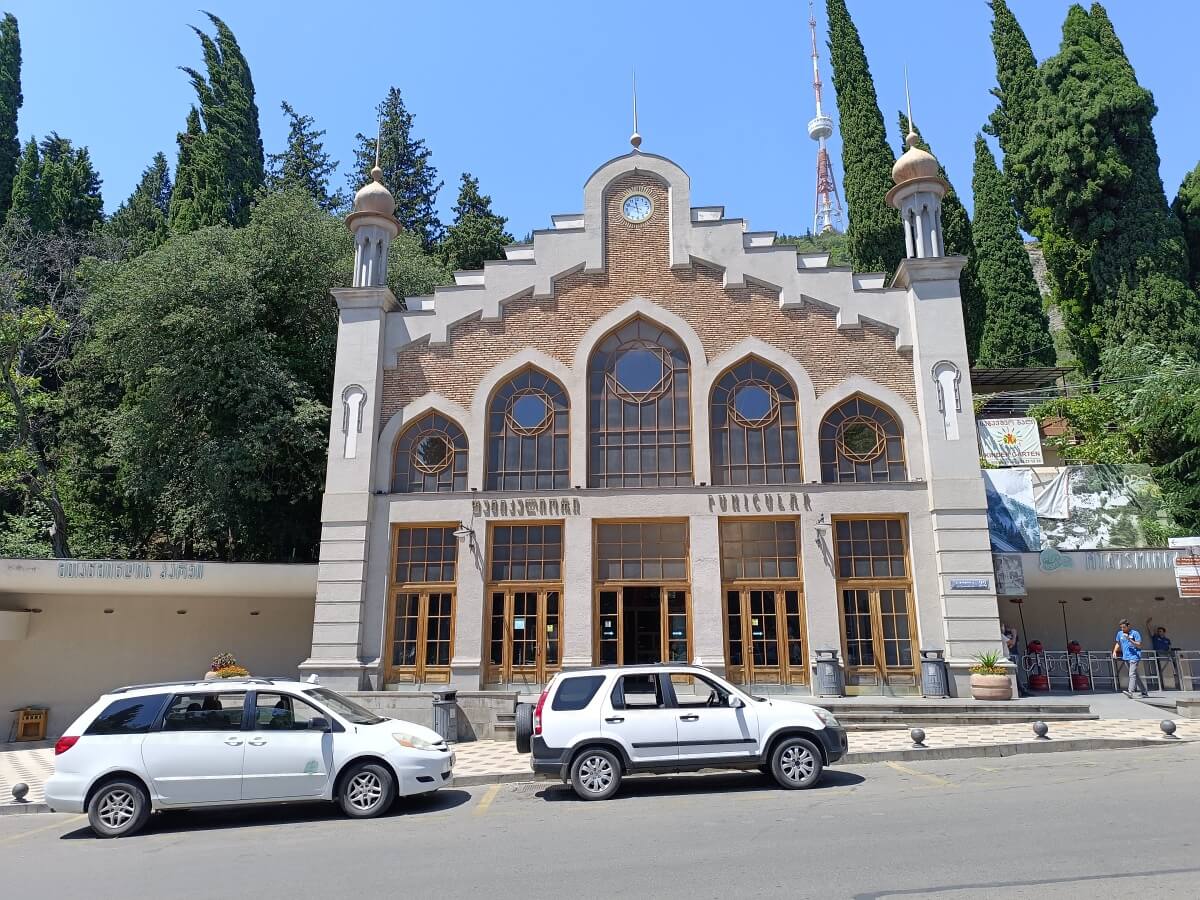
Above lies only the Church of St. David and the park at the summit of the mountain — reachable by funicular railway: