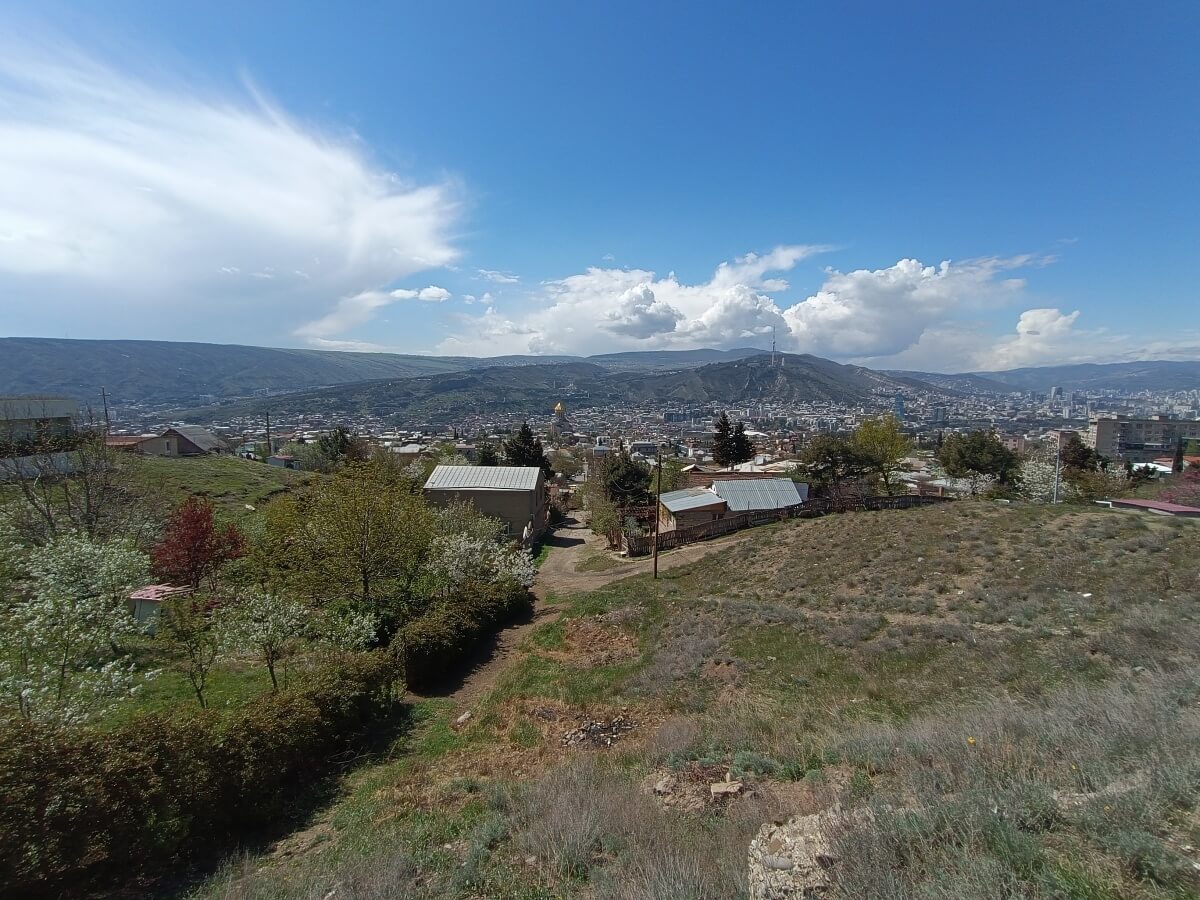
Avlabari - Elia
One of the oldest districts of Tbilisi, where land value continues to rise thanks to its proximity to the historic city center.
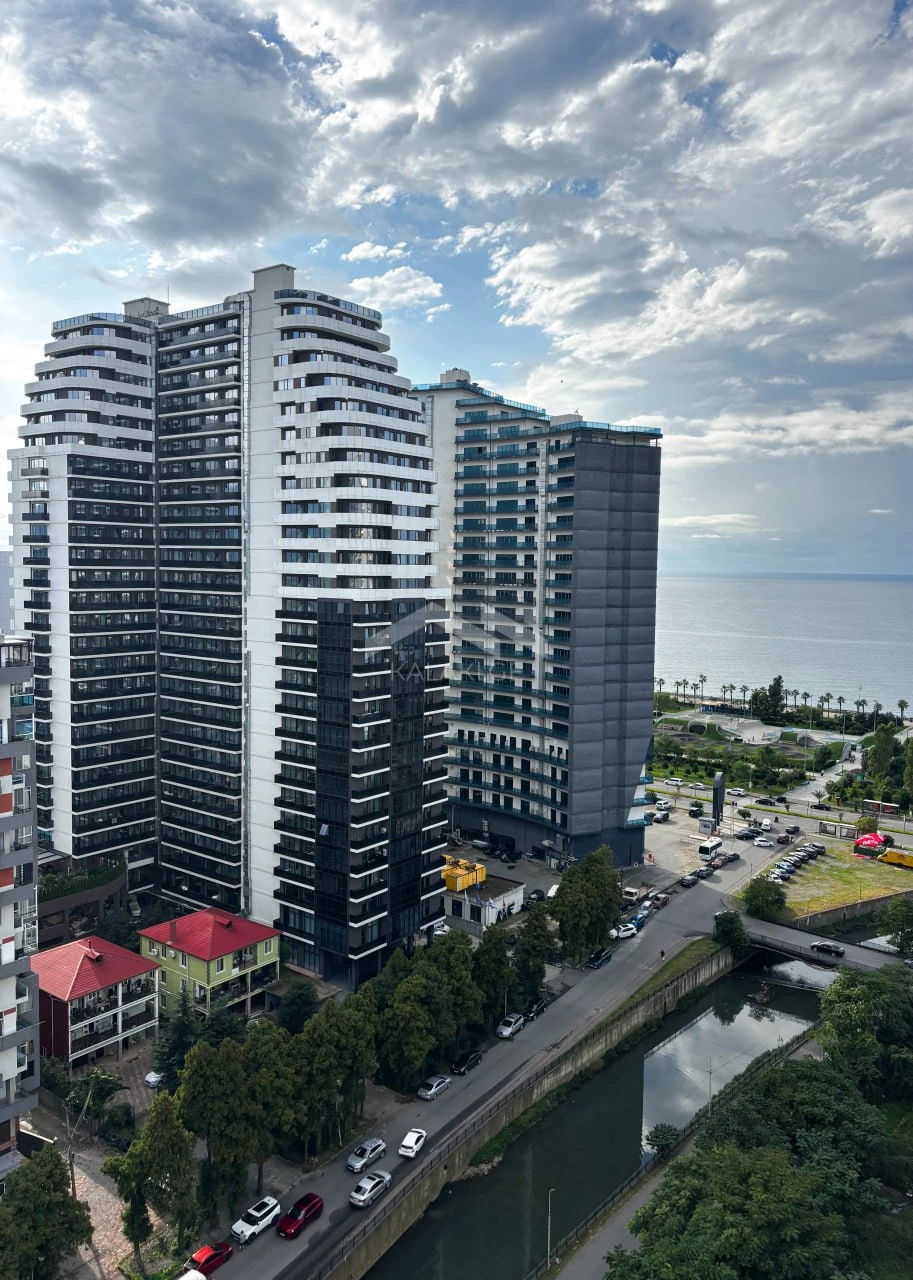
ანგისის ჩიხი, 1
1
80 m²
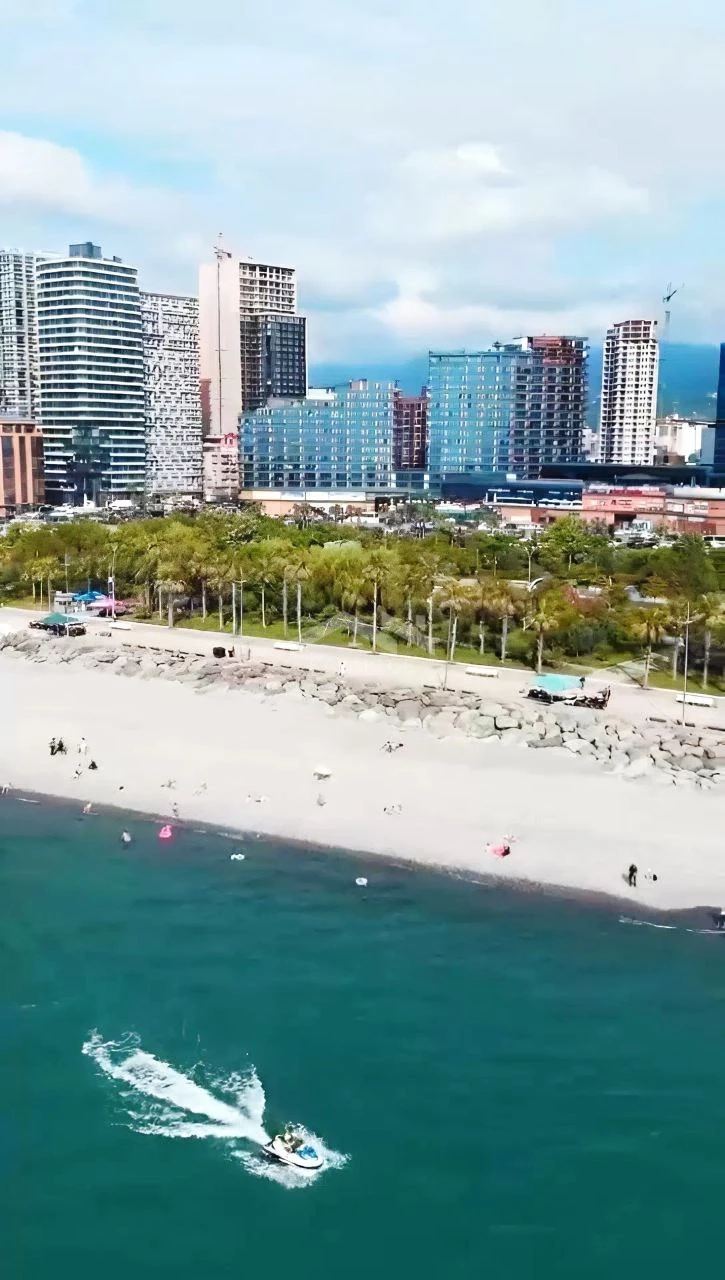
ანგისის ჩიხი, 1
1
80 m²
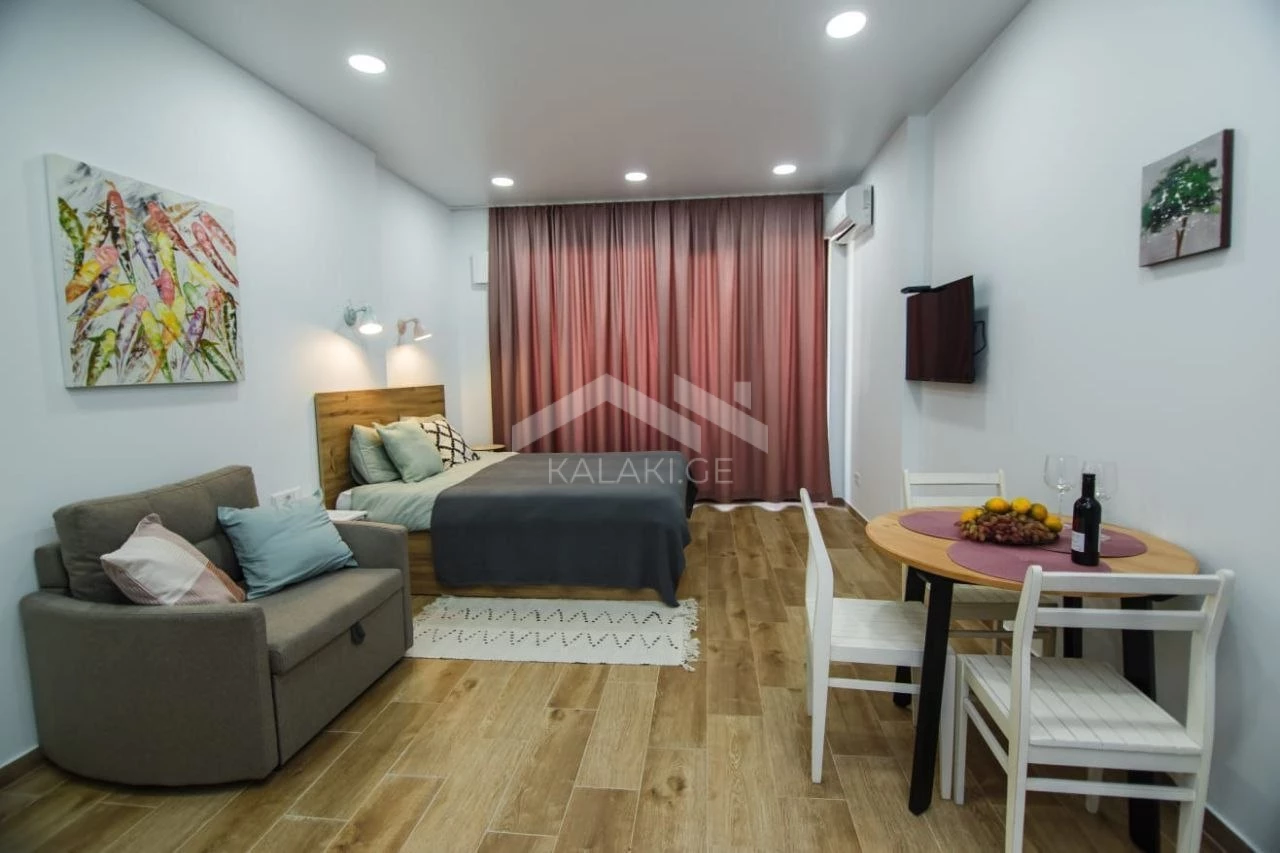
დავით მამულაძის ქუჩა, 1
1
33.4 m²
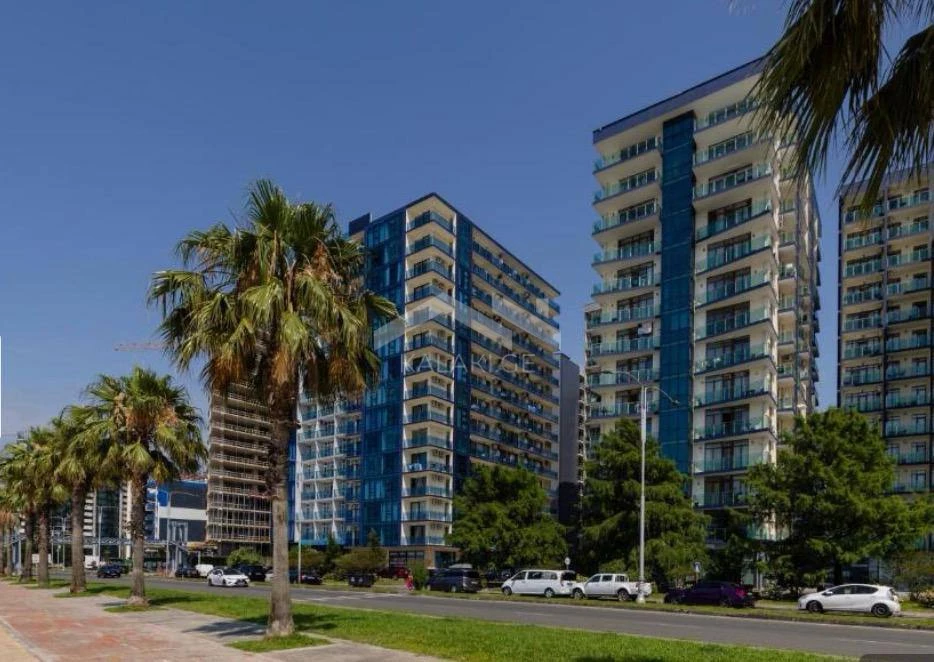
ლეხ და მარია კაჩინსკების ქუჩა, 1
1
27.7 m²
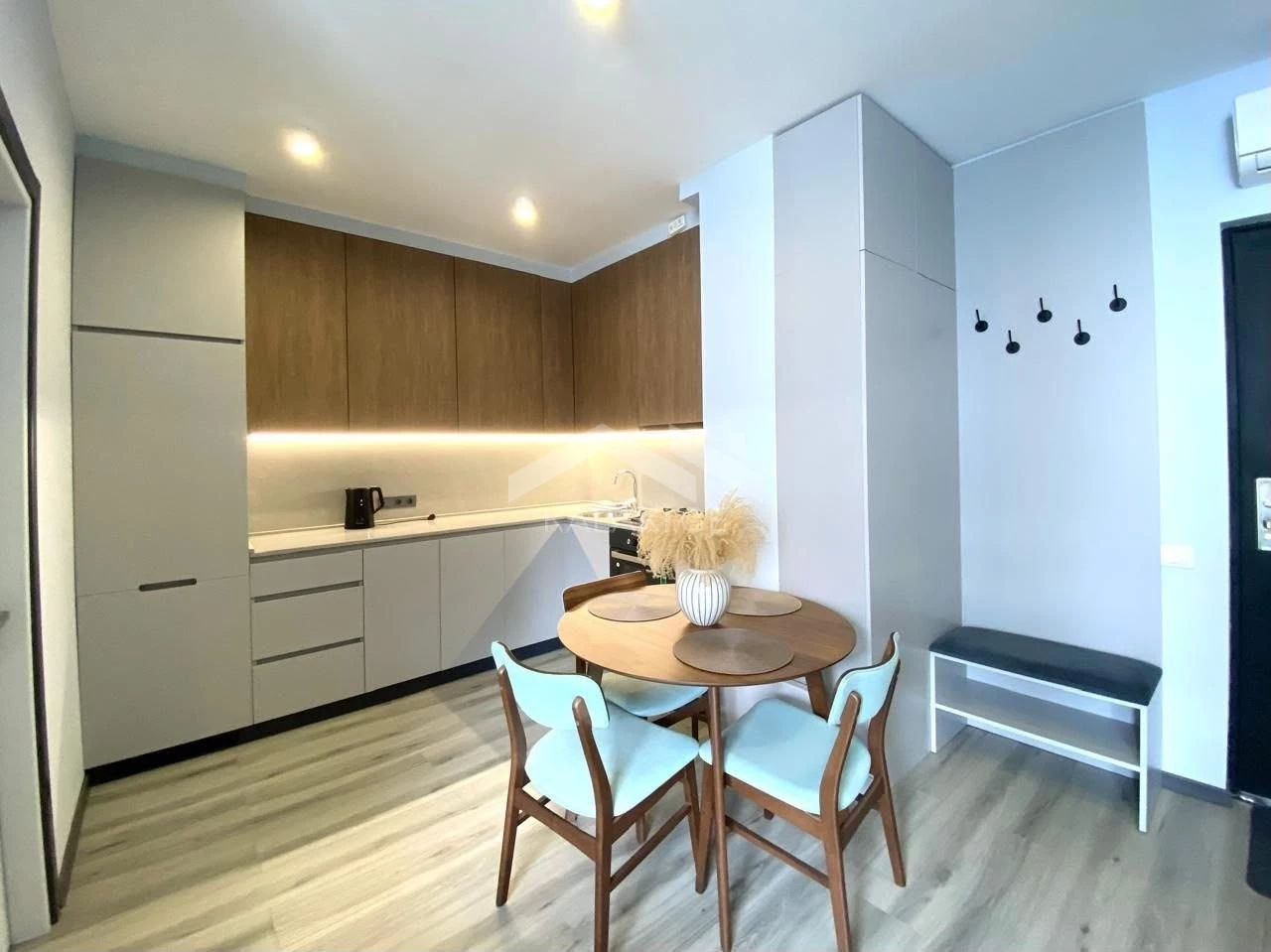
შარტავას ქუჩა, 1
1
43 m²
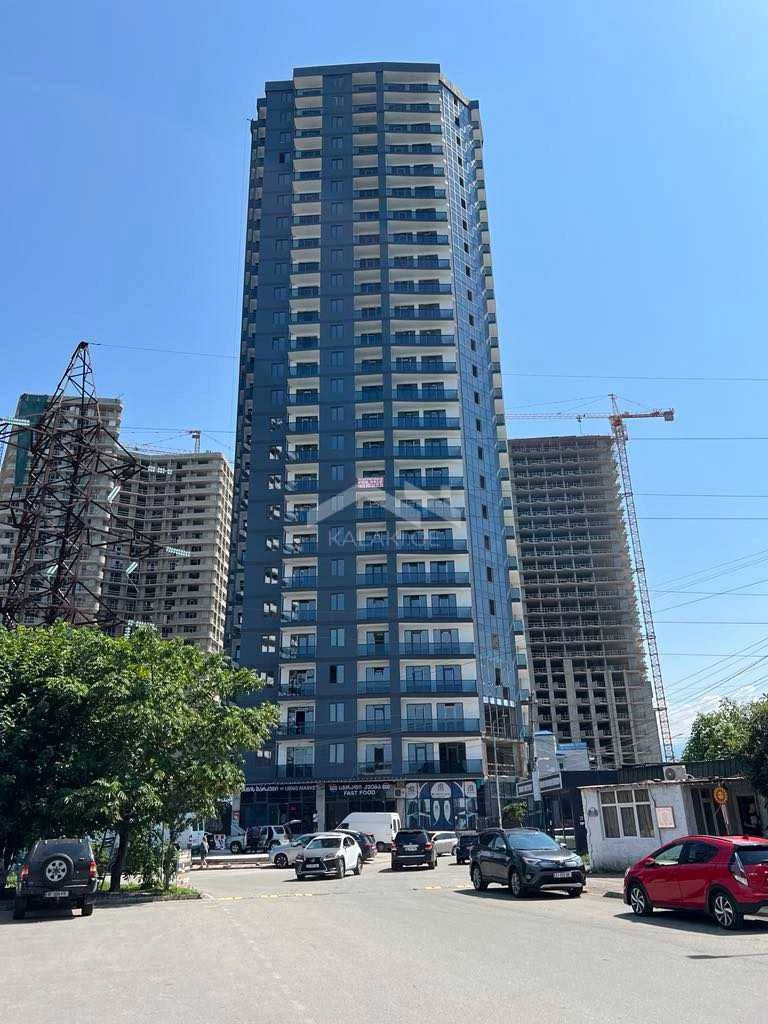
გრიგოლ ლორთქიფანიძის ქუჩა, 1
1
61.5 m²
One of the oldest districts of Tbilisi, where land value continues to rise thanks to its proximity to the historic city center.
Avlabari first emerged several centuries ago on the left bank of the Kura River. Over time, the district gradually spread across the gentle slopes of Mount Makhata, weaving itself into a maze of narrow streets, passages, and hidden dead ends. Low-rise buildings, intimate inner courtyards, markets and small shops, boutique hotels — all of this creates the warm and authentic atmosphere that makes Avlabari so beloved.
Yes, many of the buildings are in poor condition, yet the land beneath them acts both as a catalyst for redevelopment and as a factor that carefully restrains it. Avlabari is being revitalized slowly and delicately due to strict height limitations on new developments, while steadily becoming more attractive. At the beginning of the 21st century, the district received a new wave of life with the relocation of the Presidential Palace here and the construction of the Holy Trinity Cathedral.
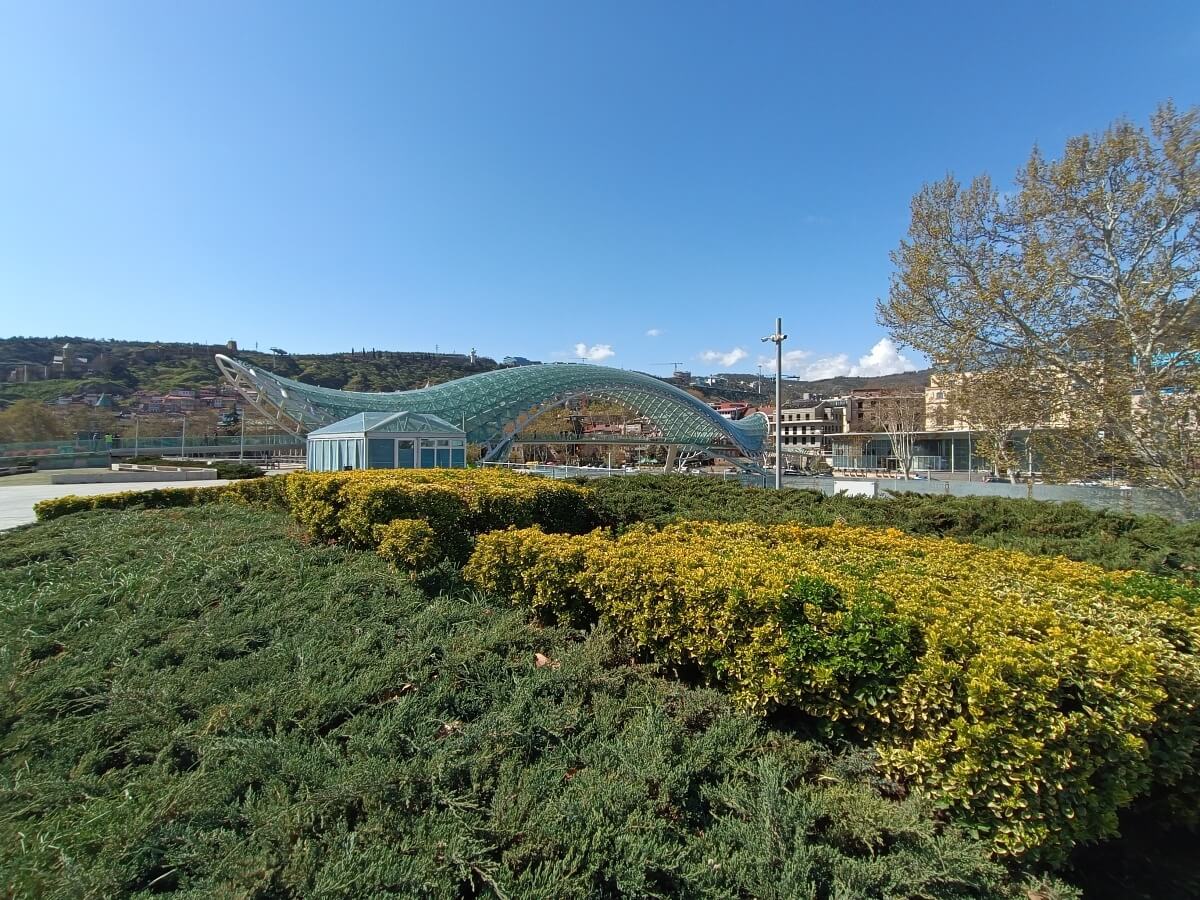
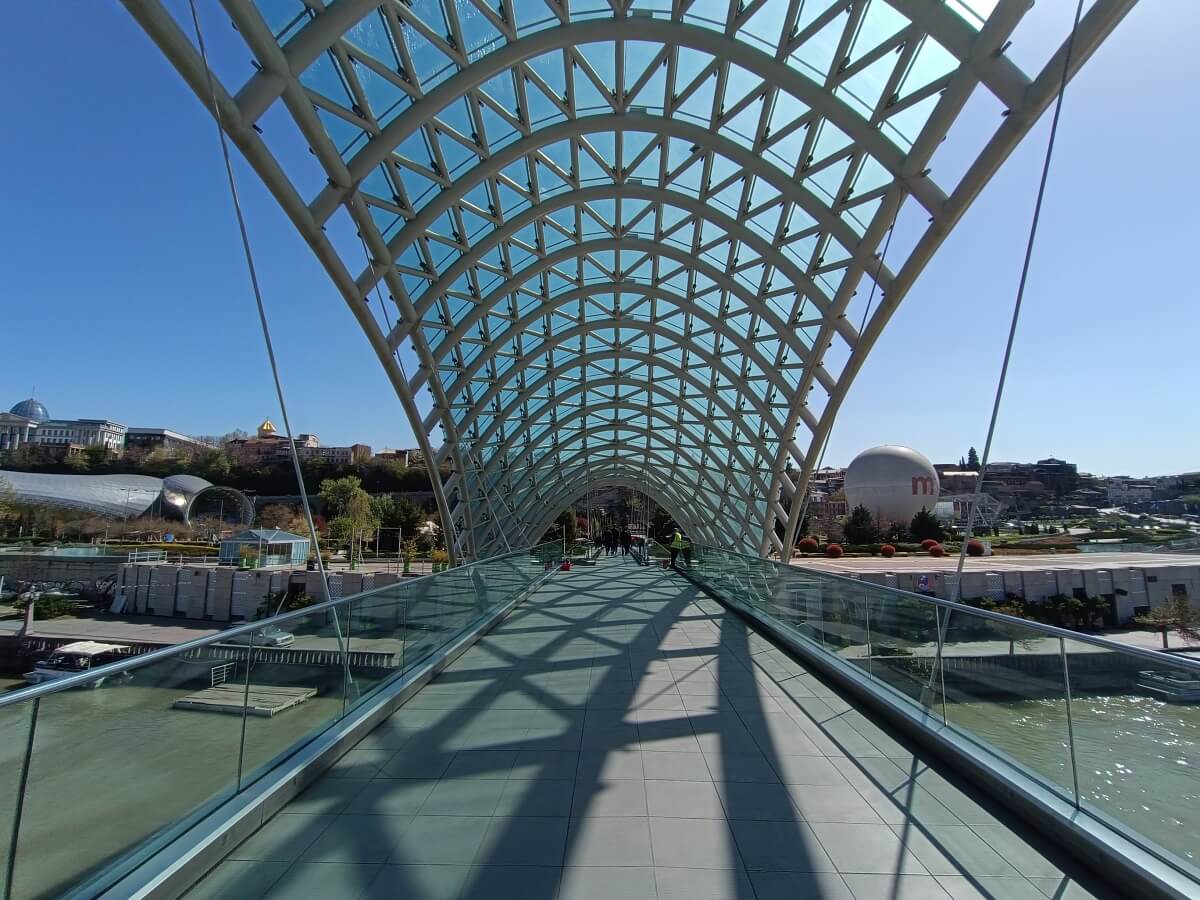
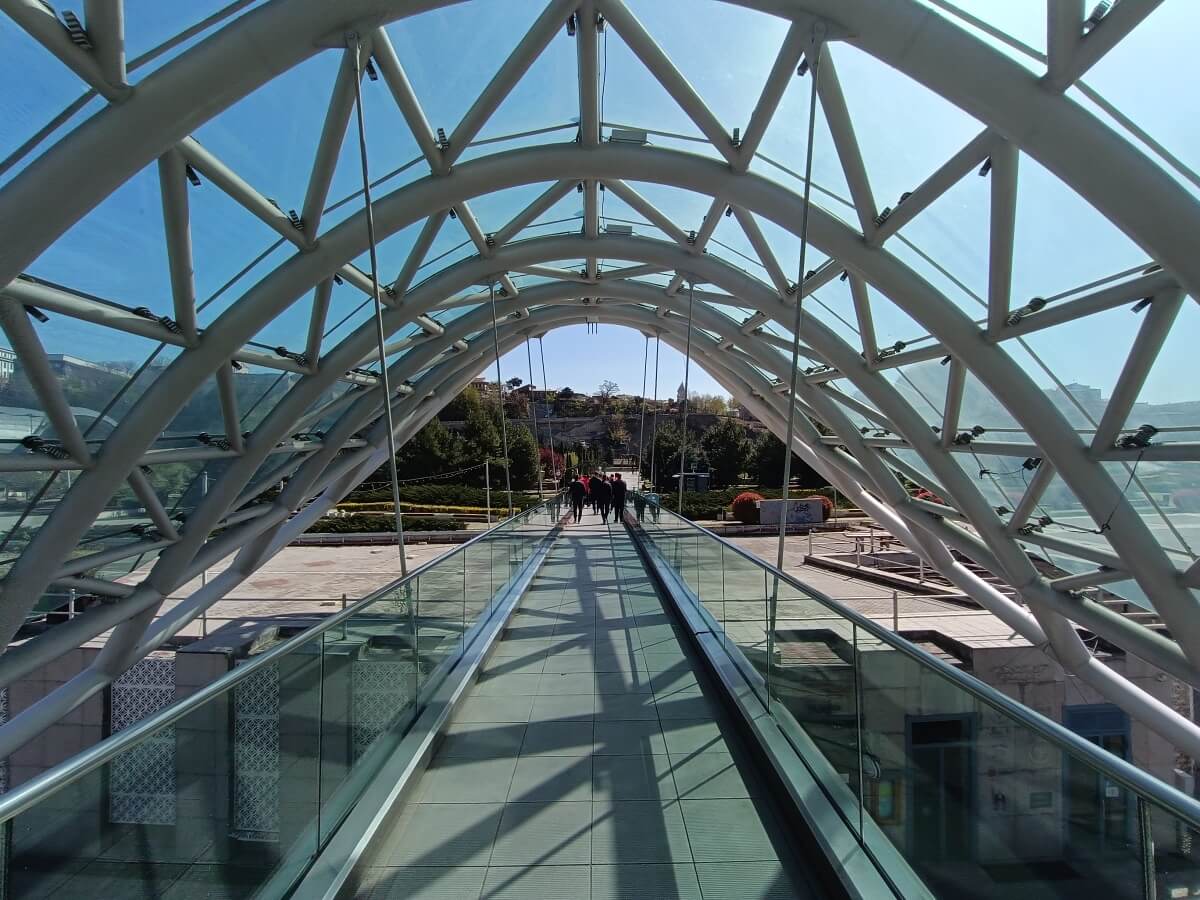
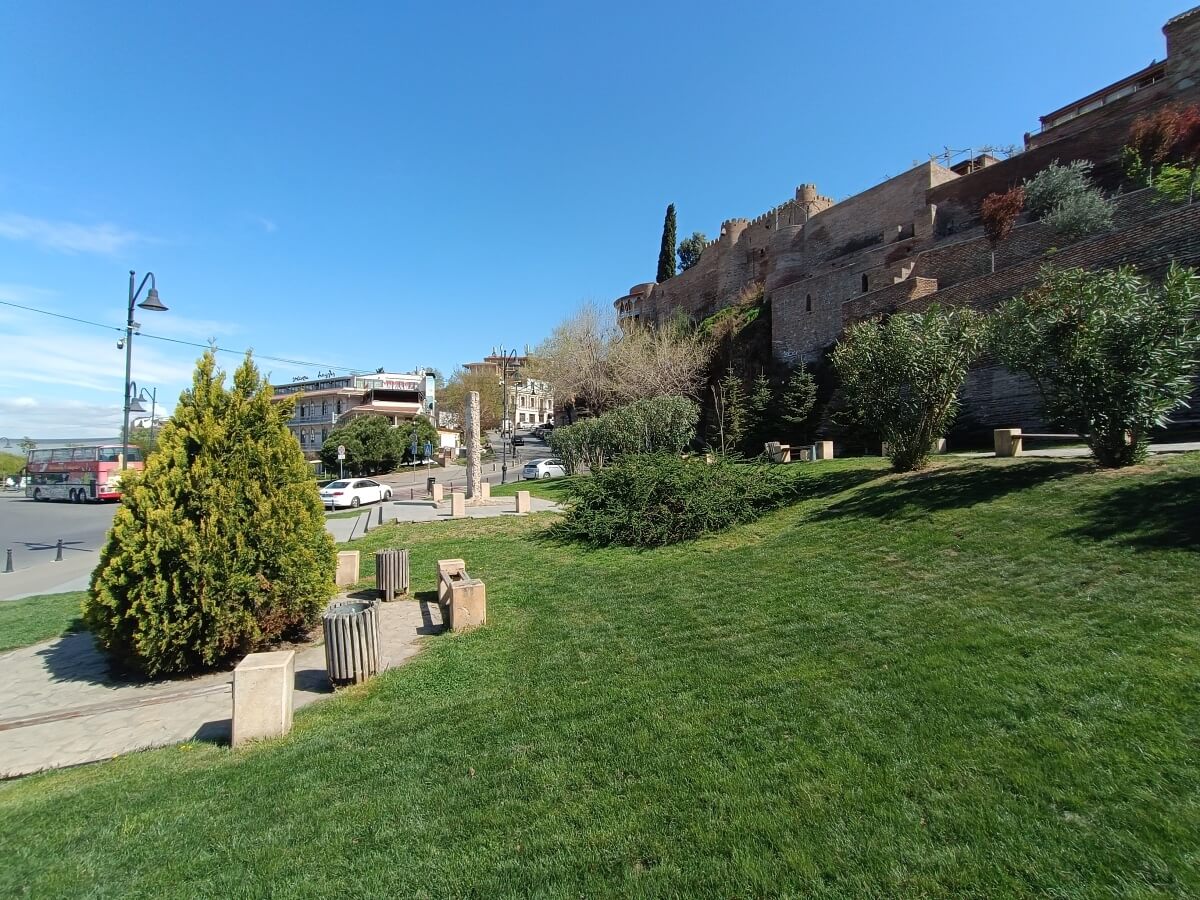
The eastern boundary of Avlabari is formed by the left bank of the Kura River, Rike Park, Europe Square, and the cliff crowned by the ancient Metekhi Church. One of the most popular routes from the city center is the glass pedestrian Bridge of Peace — a famous spot for photos, romantic walks, and sightseeing:
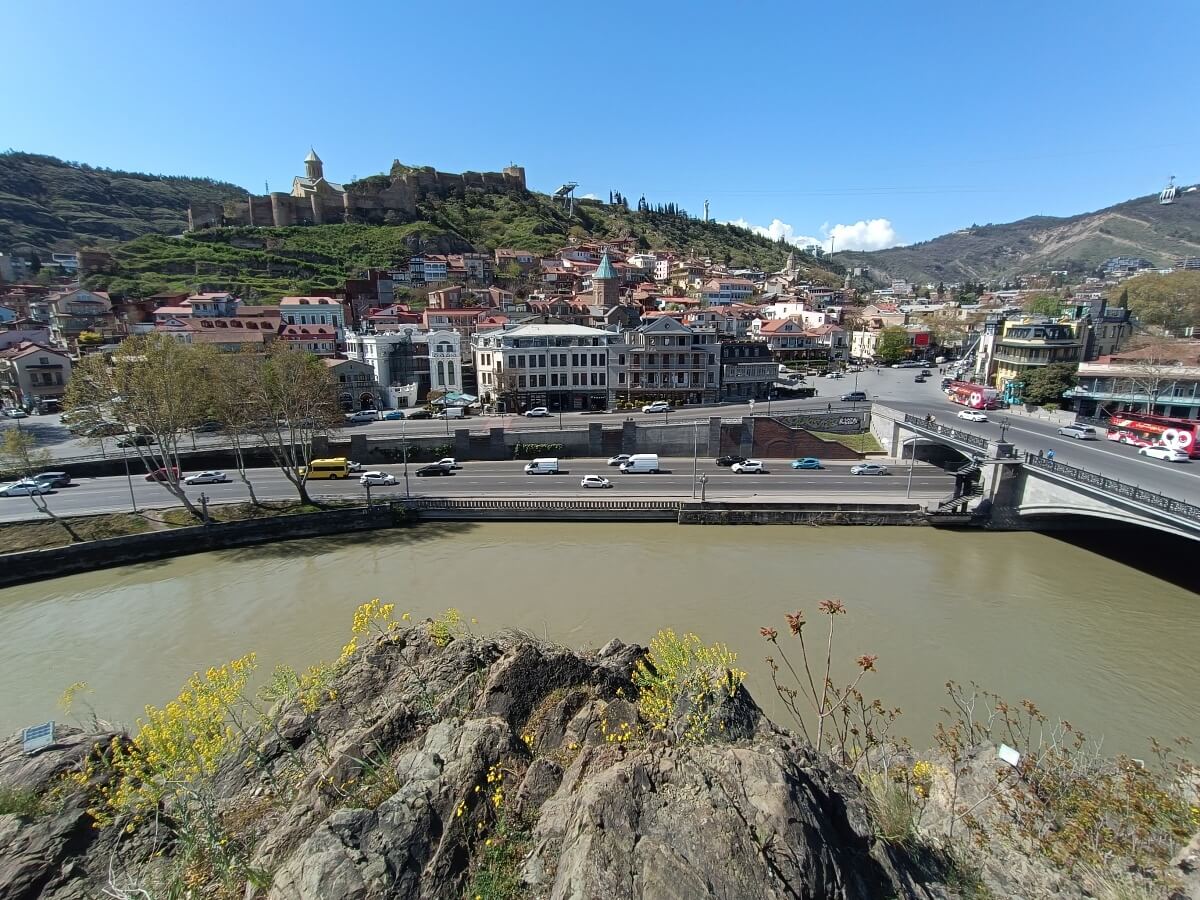
Another important bridge connecting the city center with Avlabari is the Metekhi Bridge, leading directly to Europe Square. This is where some of the red double-decker sightseeing bus routes begin, and where river tour operators are located. View of the bridge from the cliff:
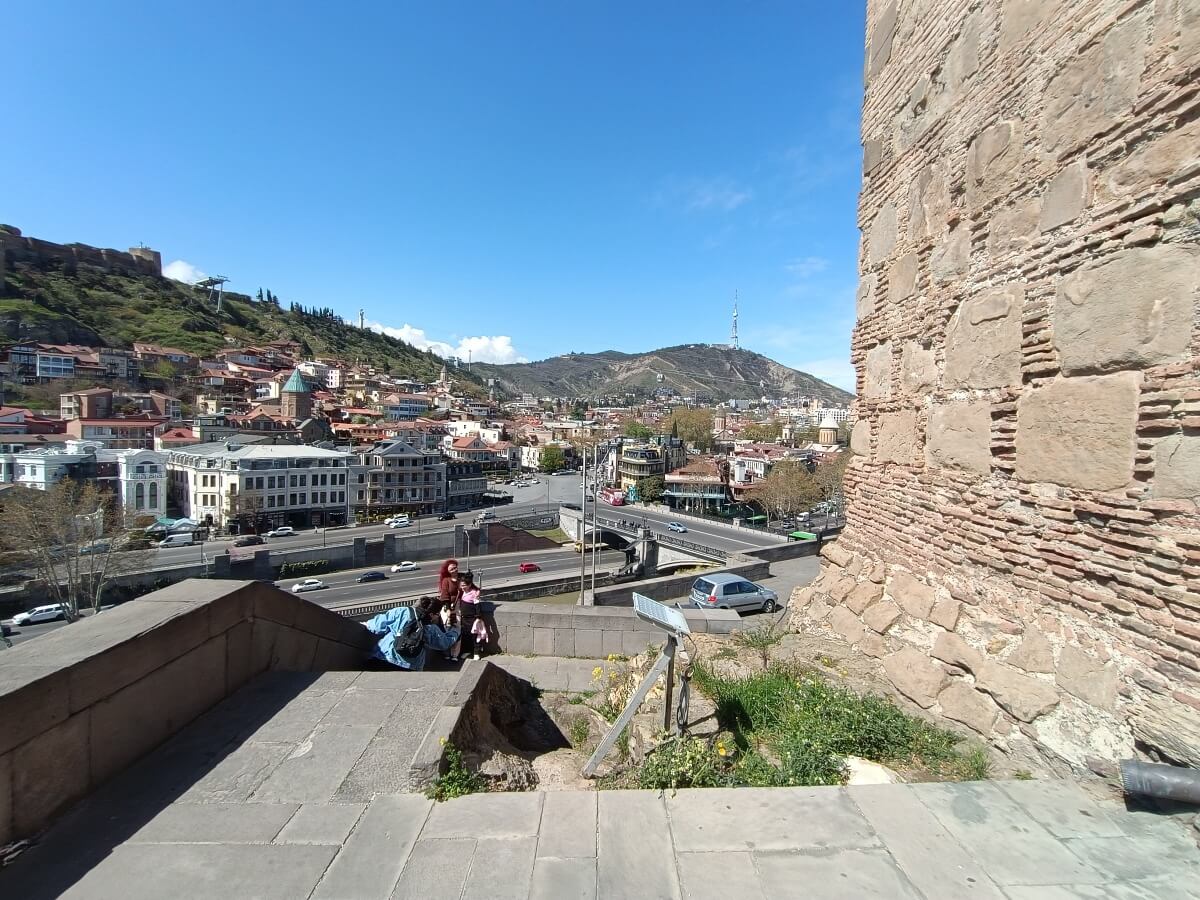
And the square itself:
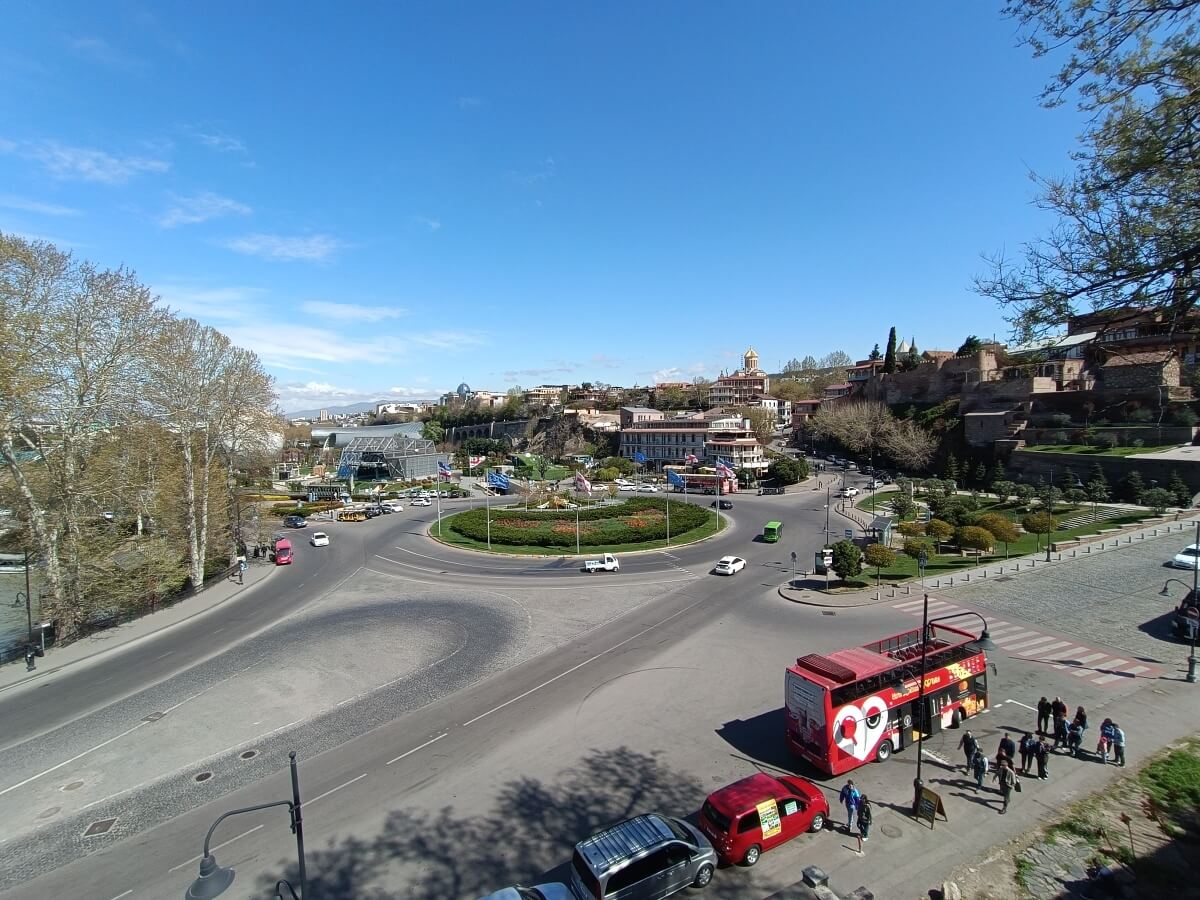
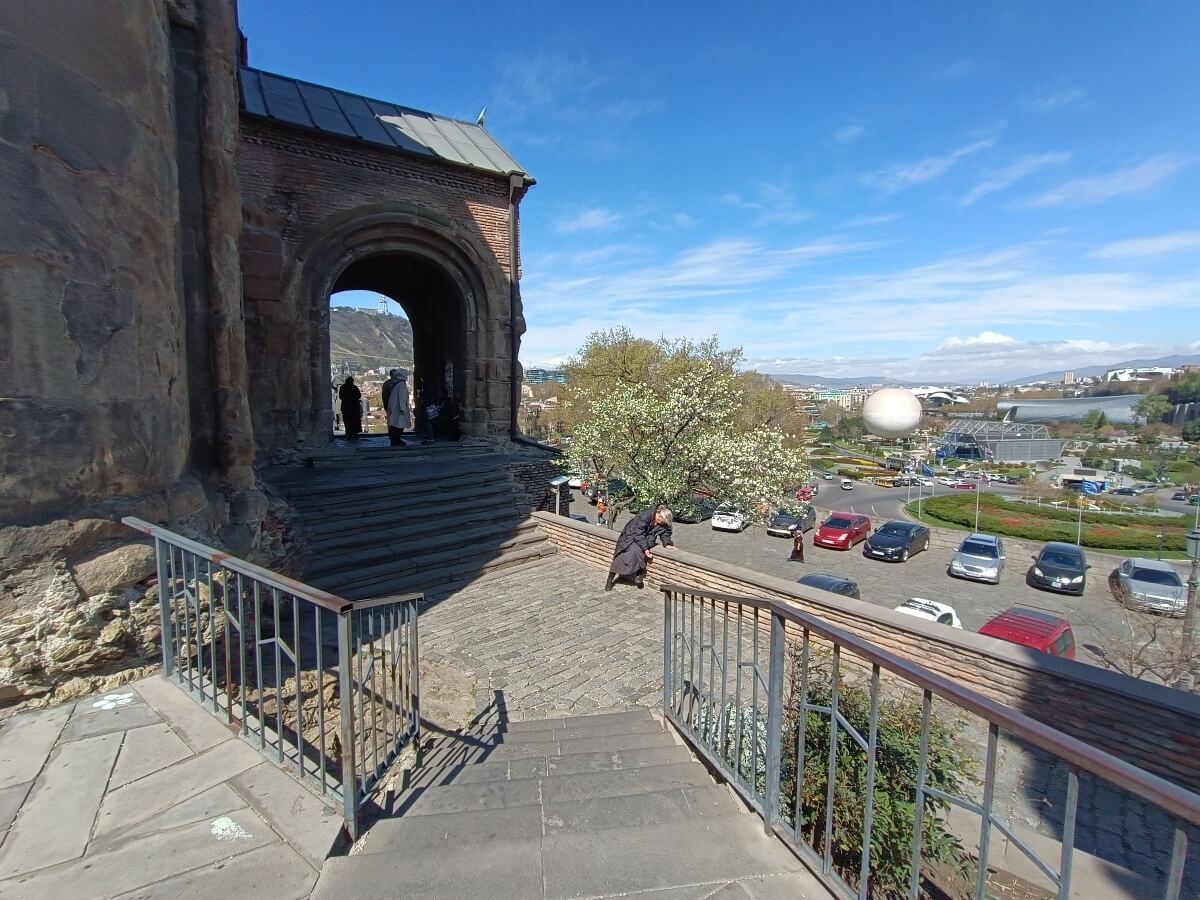
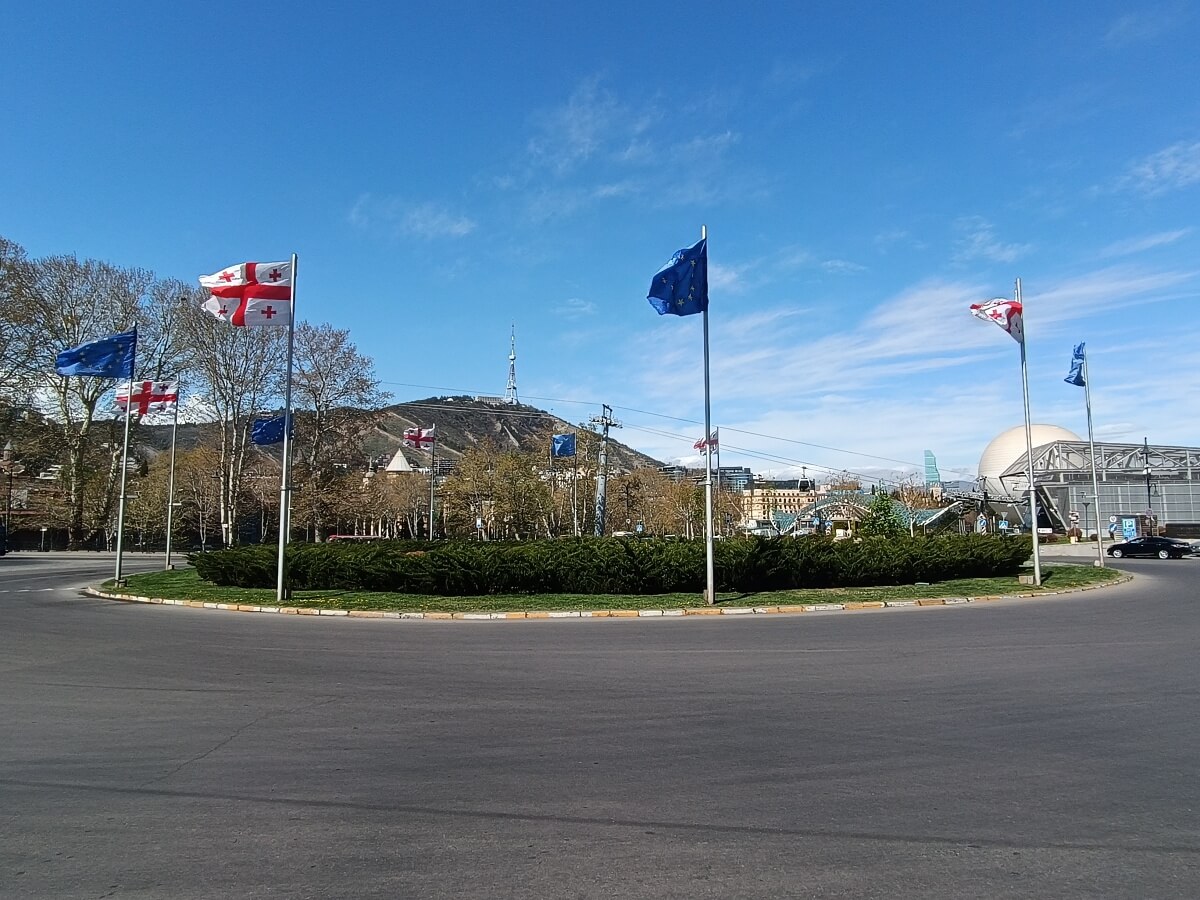
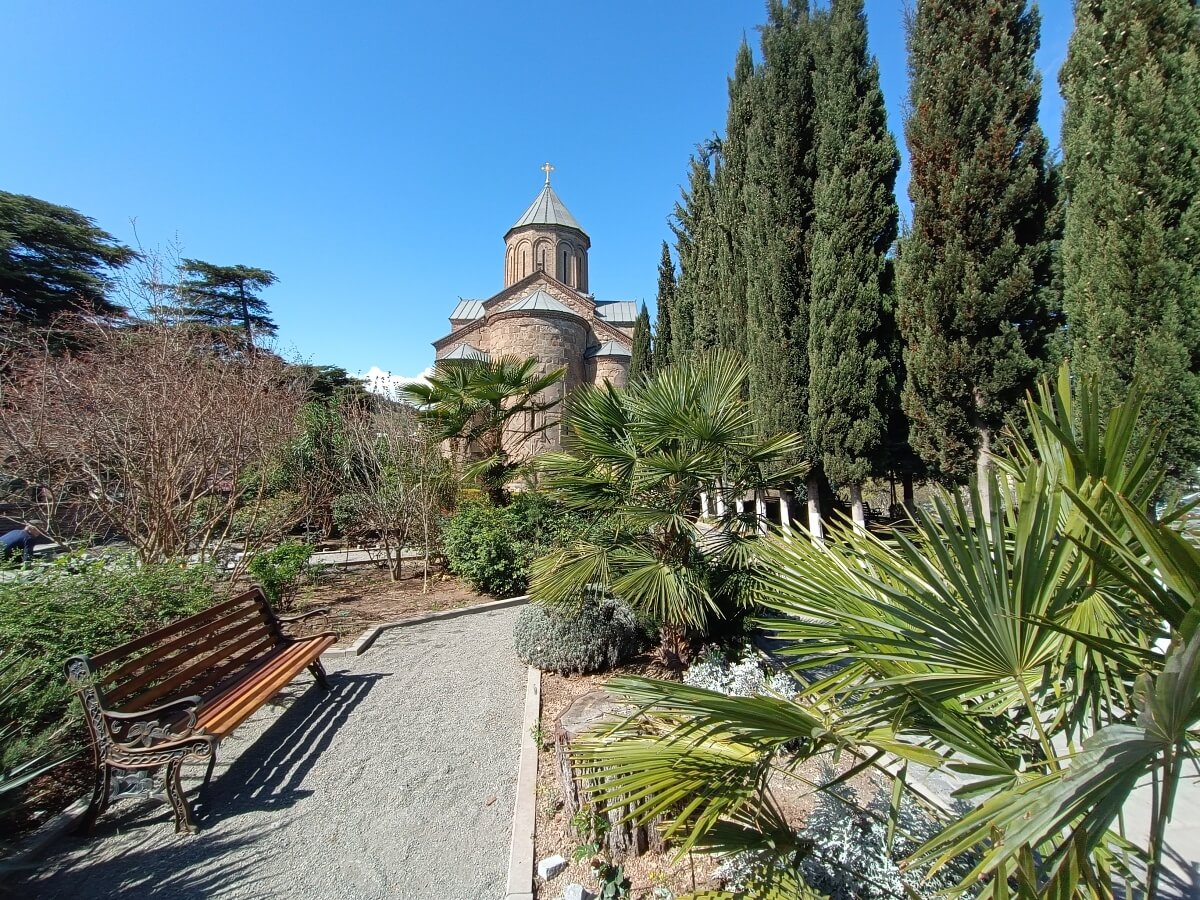
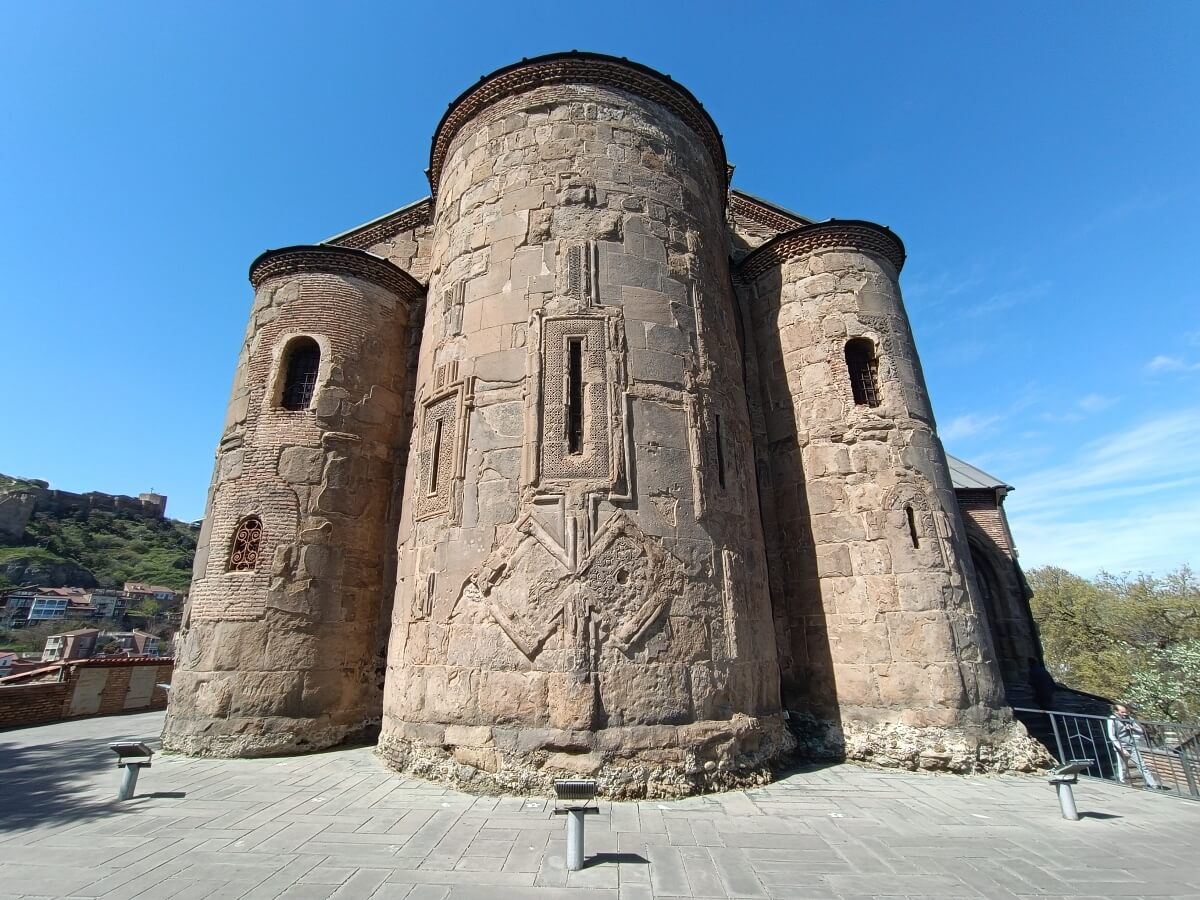
Perched above the square stands one of the oldest churches in Tbilisi — the Church of the Dormition of the Most Holy Mother of God, better known simply as Metekhi Church. Founded in the 13th century, it has survived to this day, despite once facing demolition during the Soviet era.
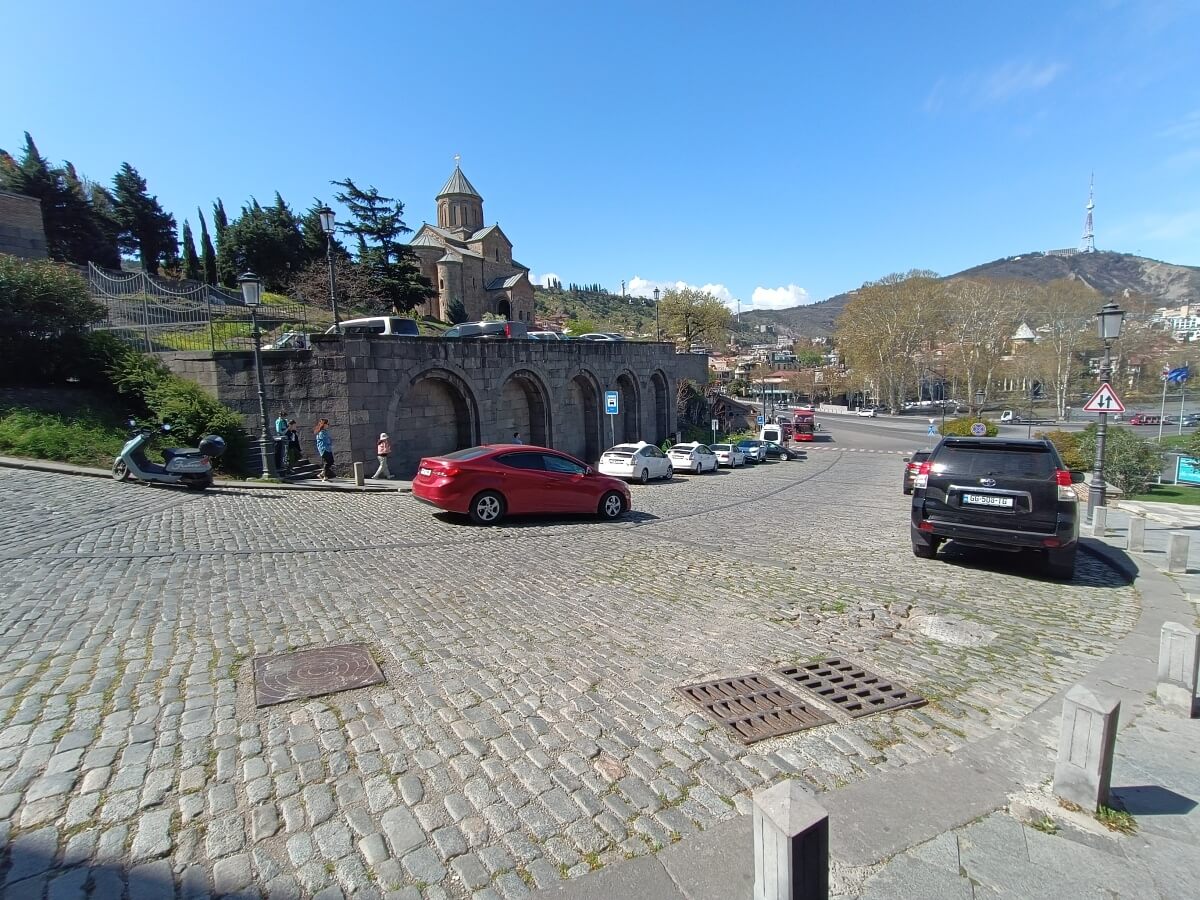
The eastern side of Europe Square and Rike Park is framed by the buildings along the so-called Wine Rise — a steep street connecting the riverside part of Avlabari with the mountain slopes above.
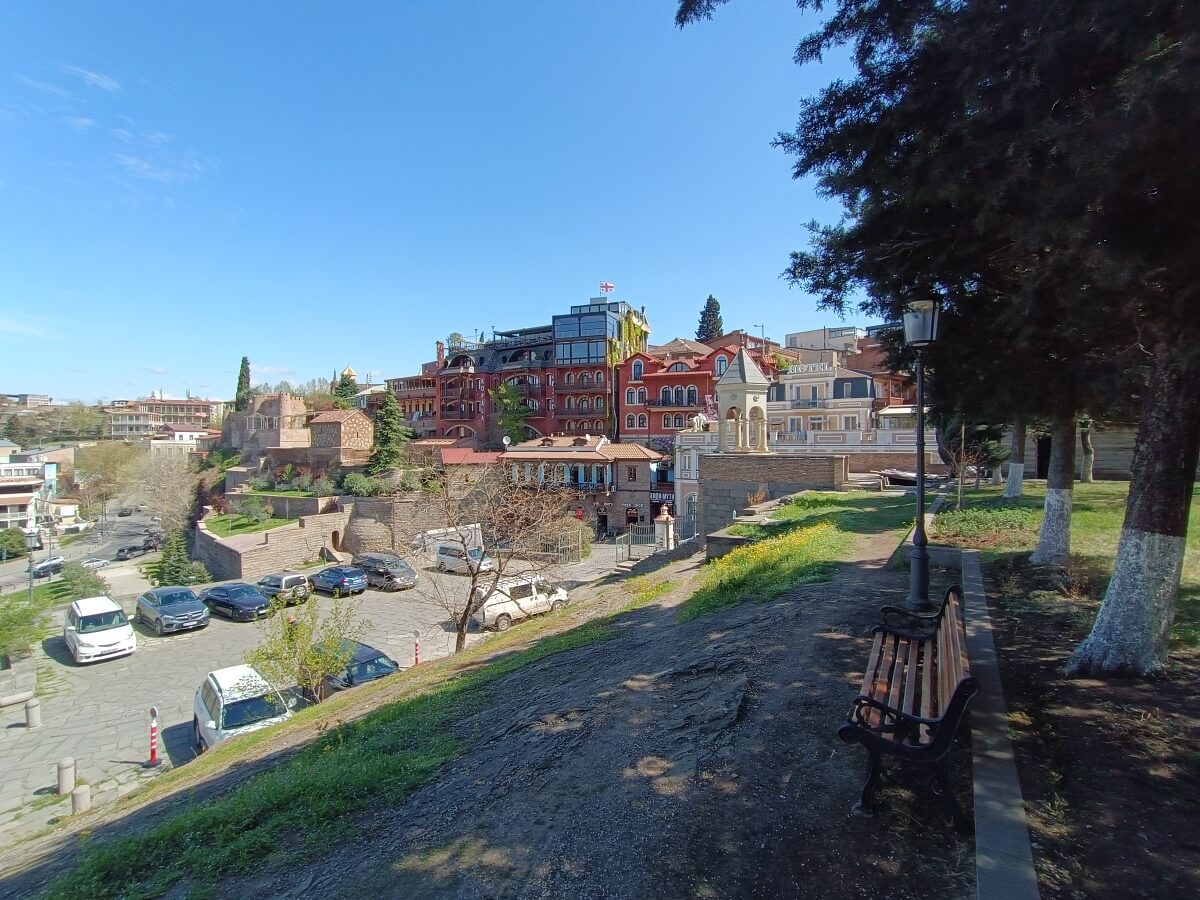
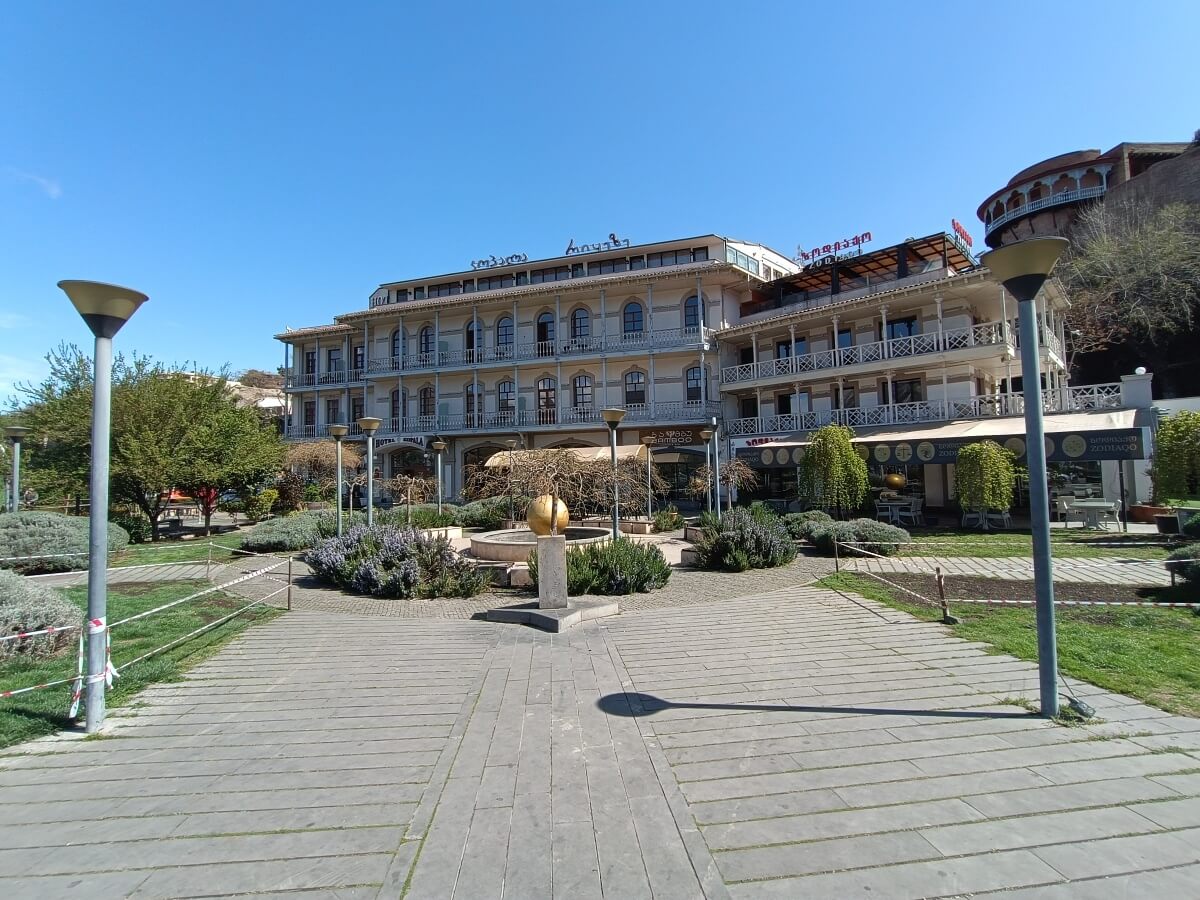
Rike Park is a beautifully landscaped green space filled with decorative plants and shrubs, art installations, walking paths, and an amphitheater. At its heart lies the cable car station connecting Avlabari with Narikala Fortress.
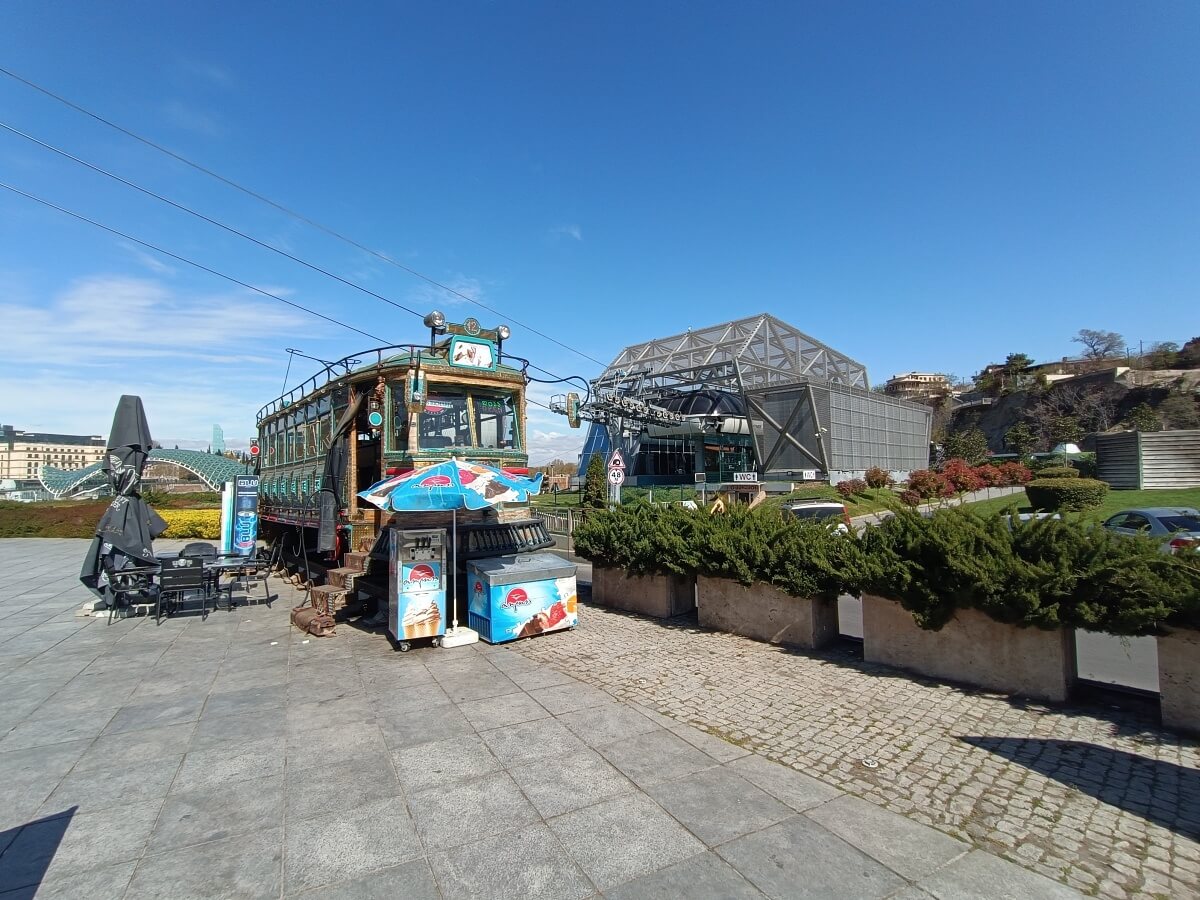
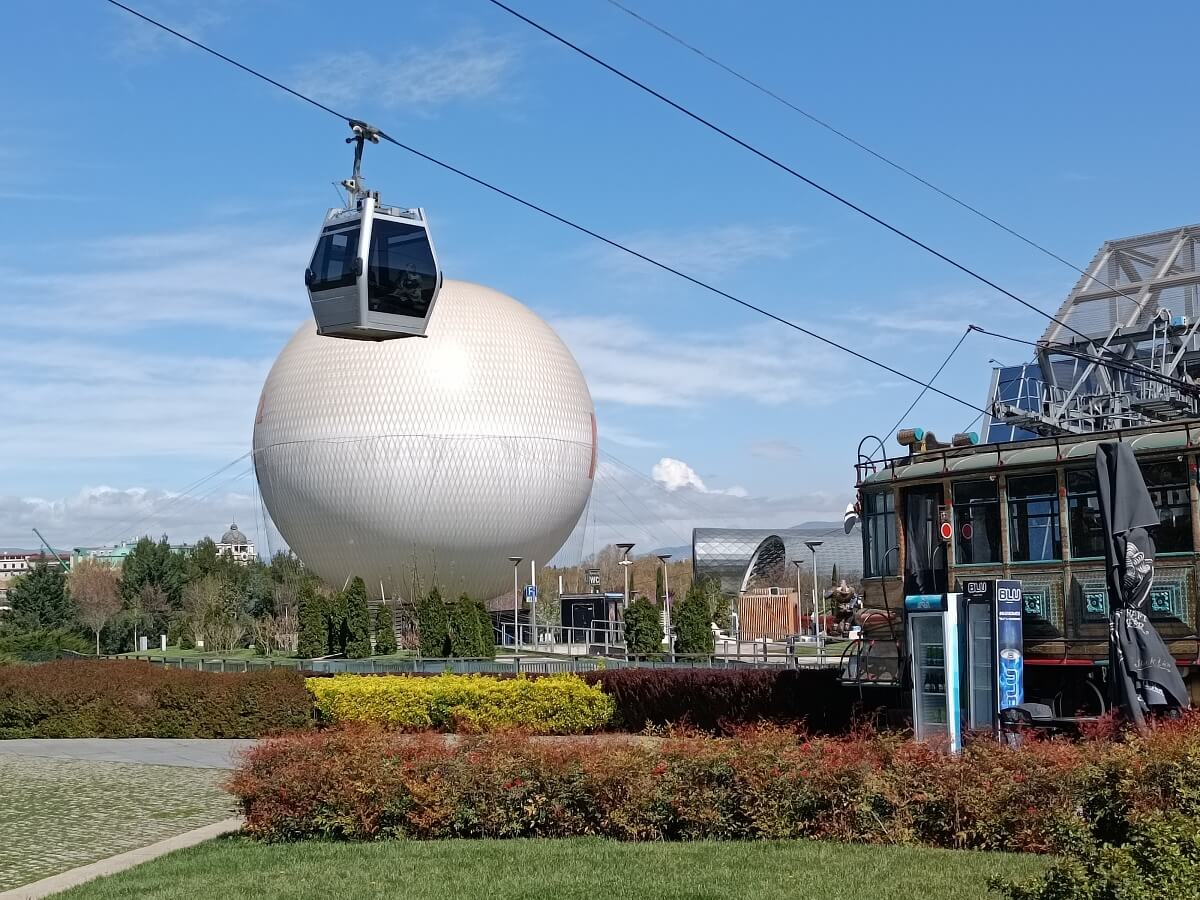
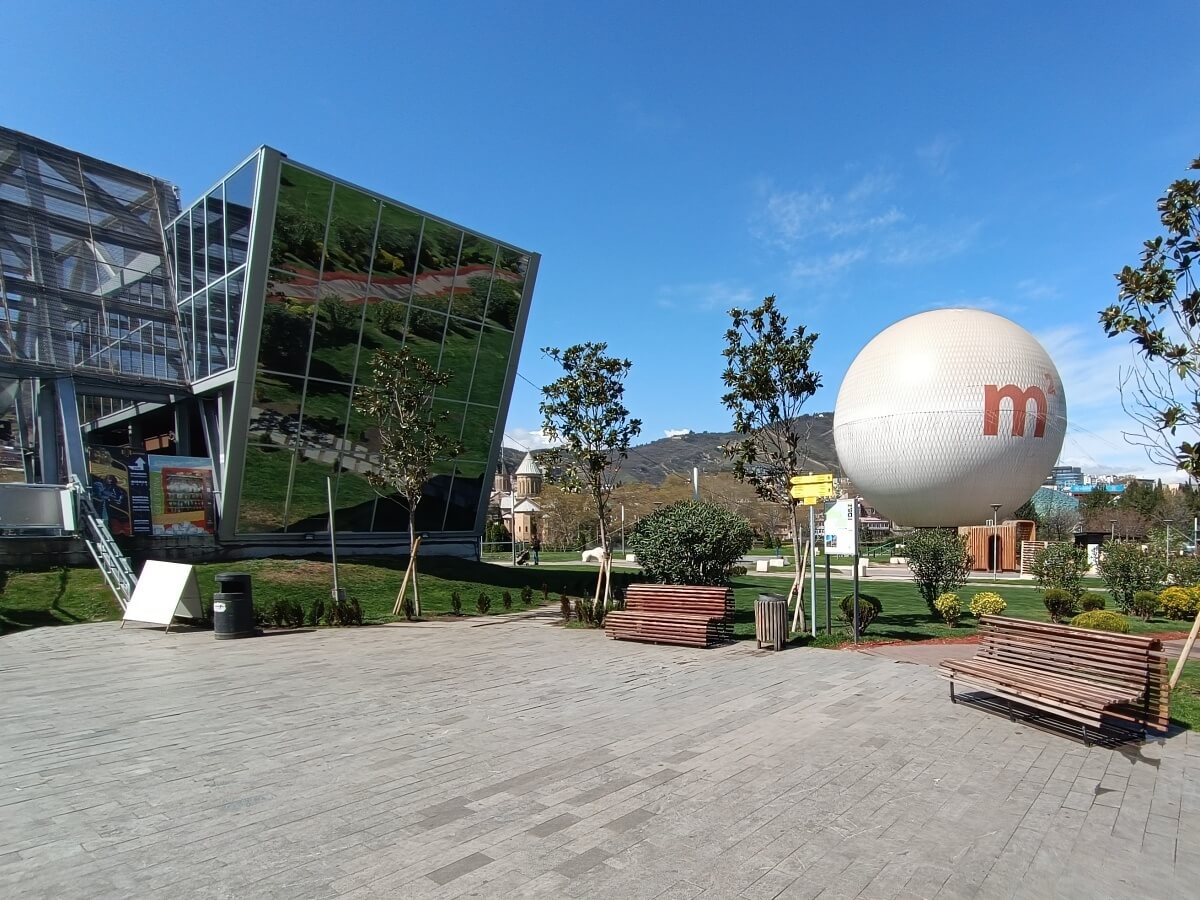
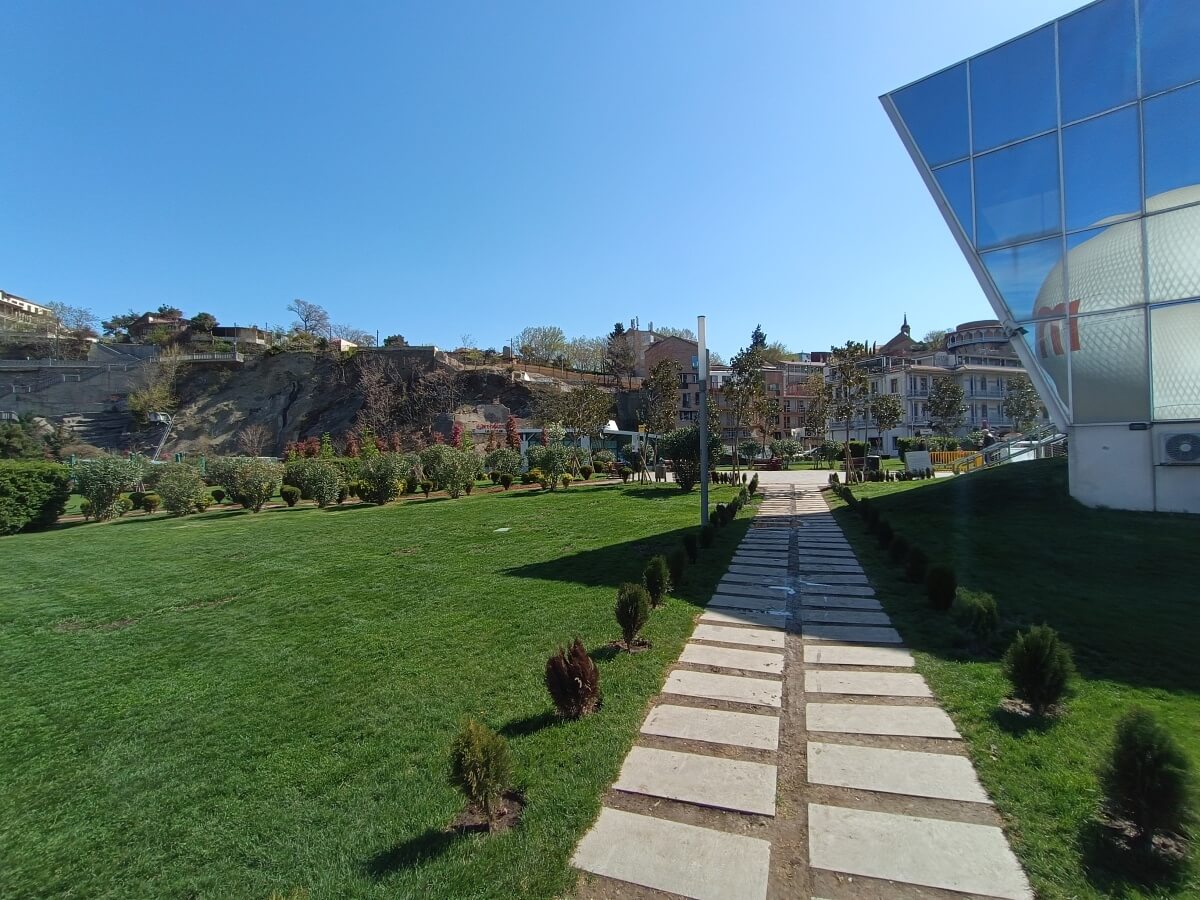
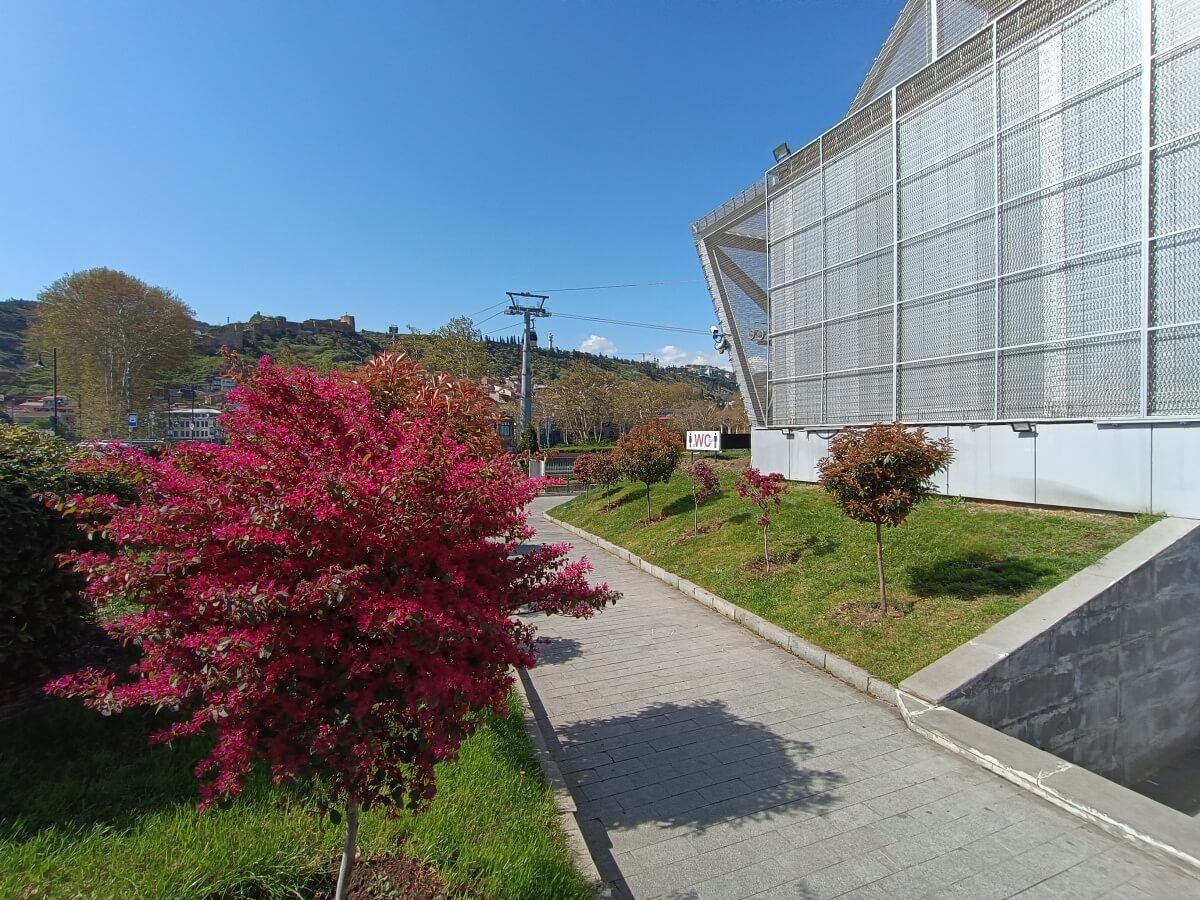
This is also where the giant tethered balloon rises into the sky, offering tourists breathtaking panoramic views over Tbilisi:
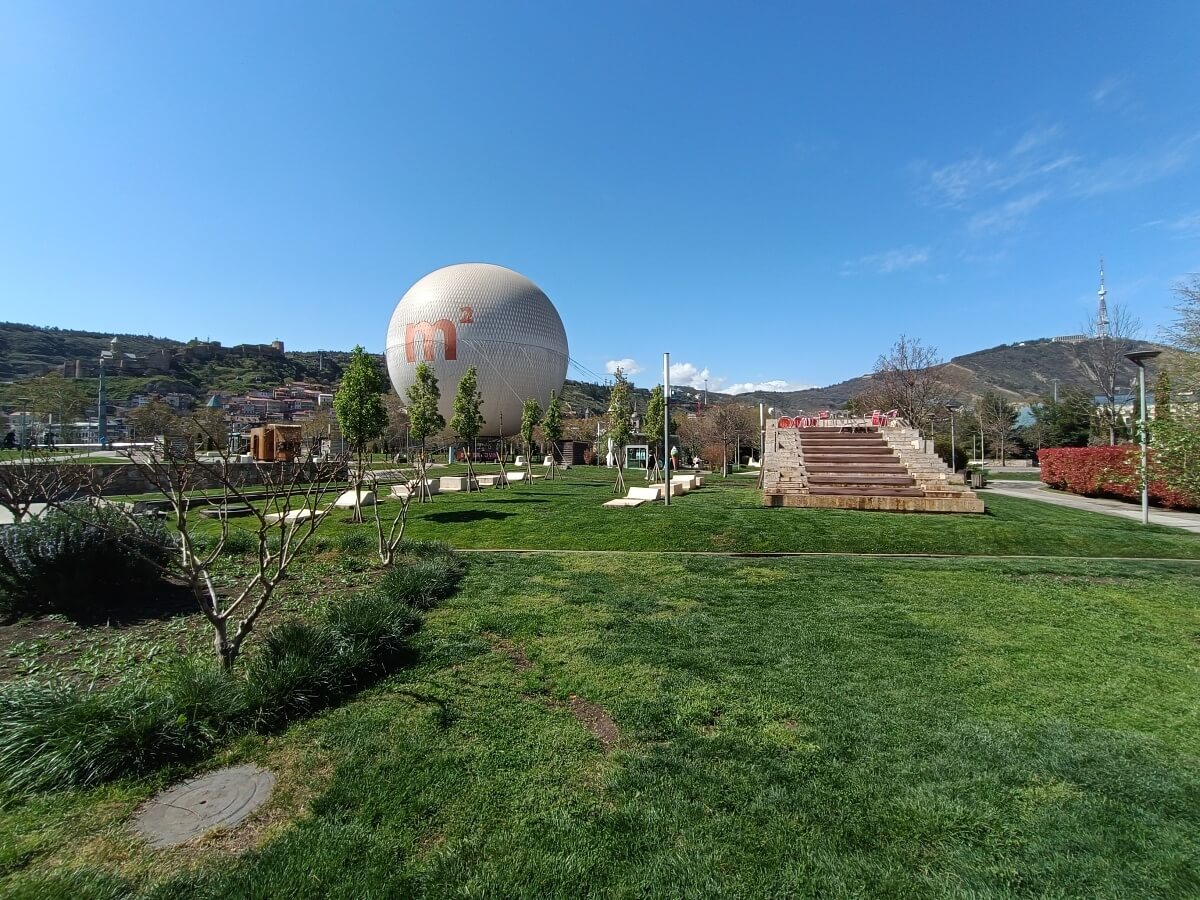
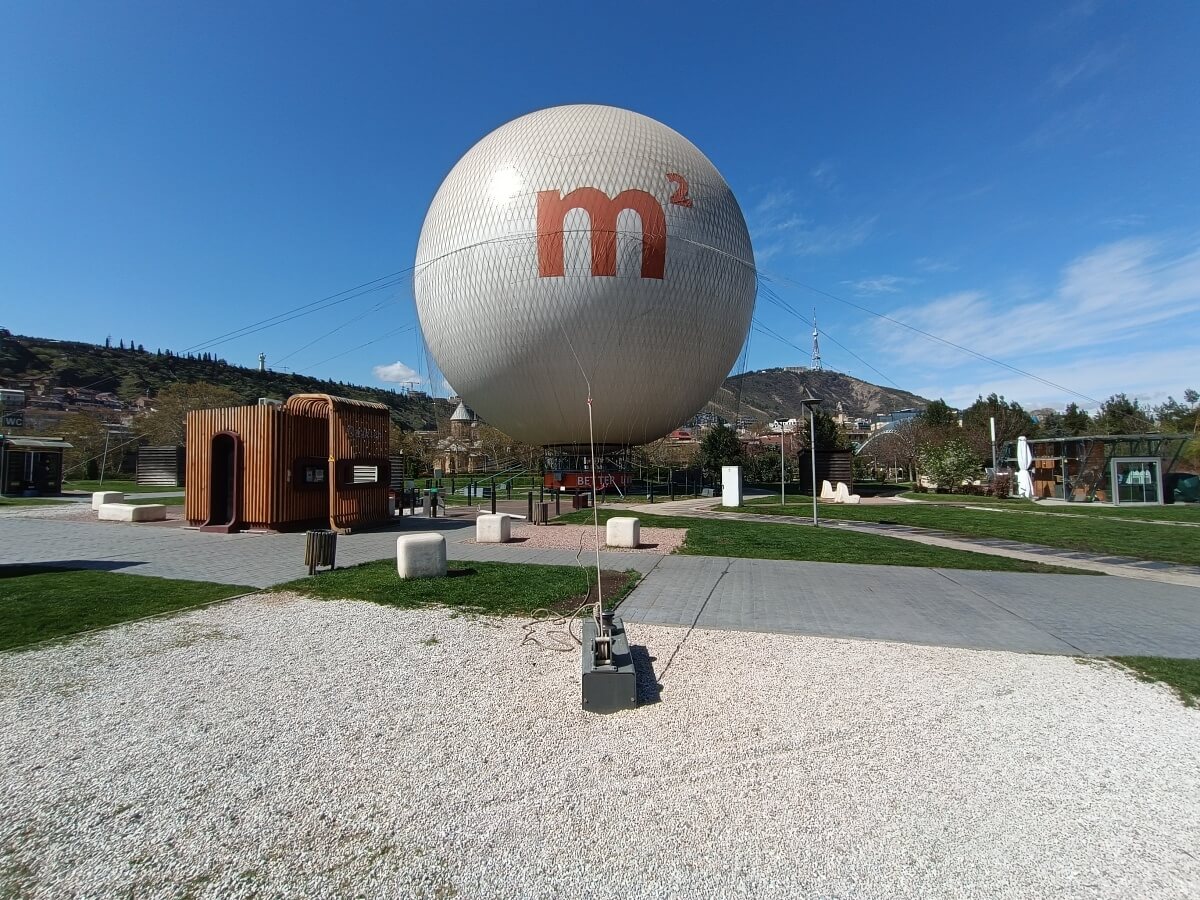
Let’s take a walk through the greenery of Rike Park:
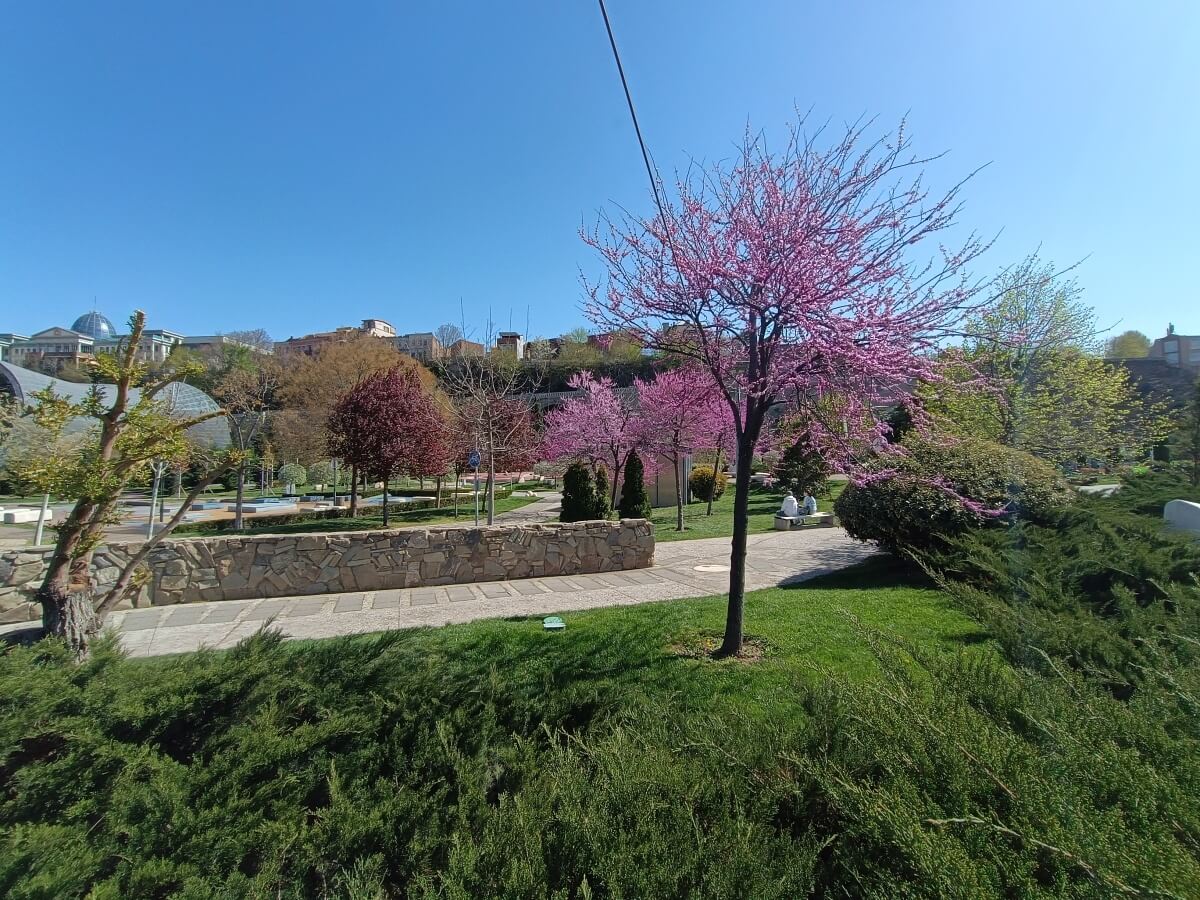
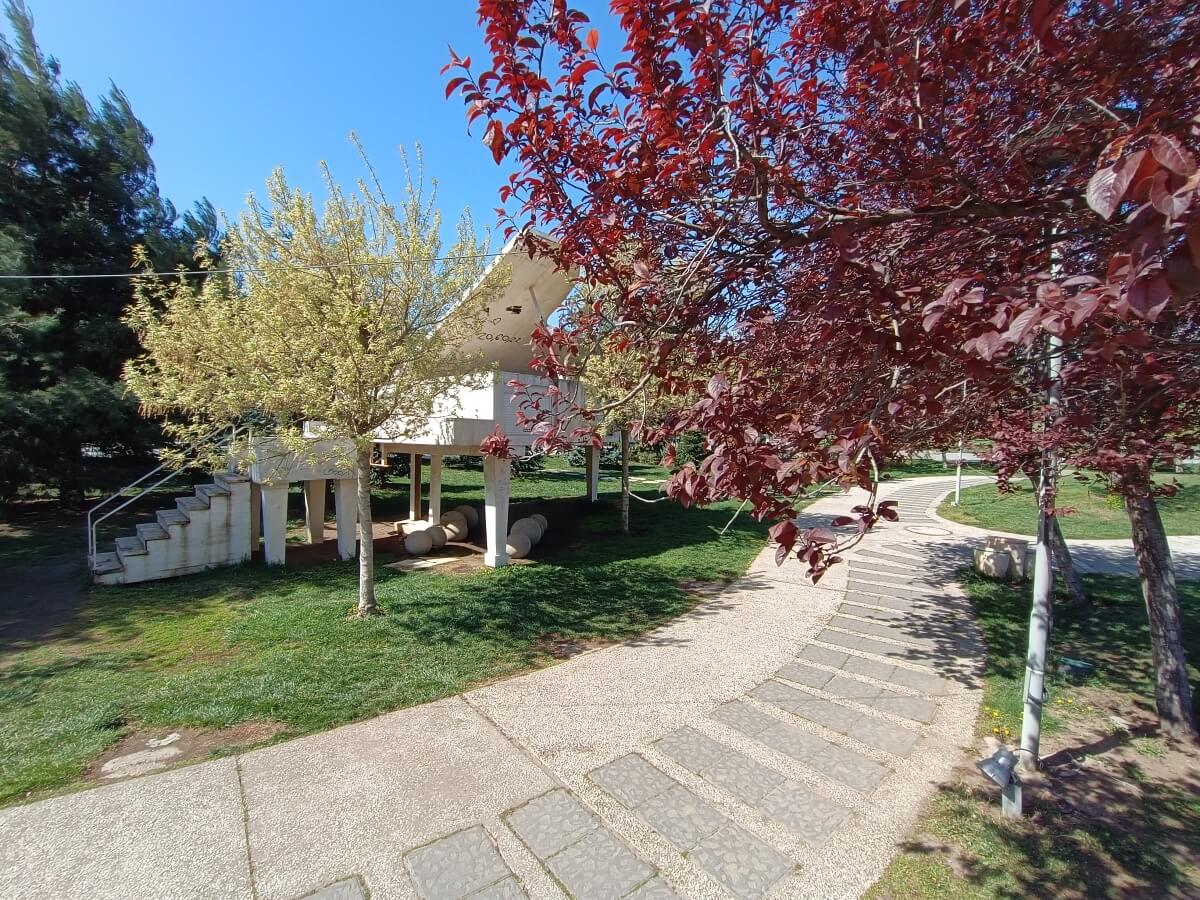
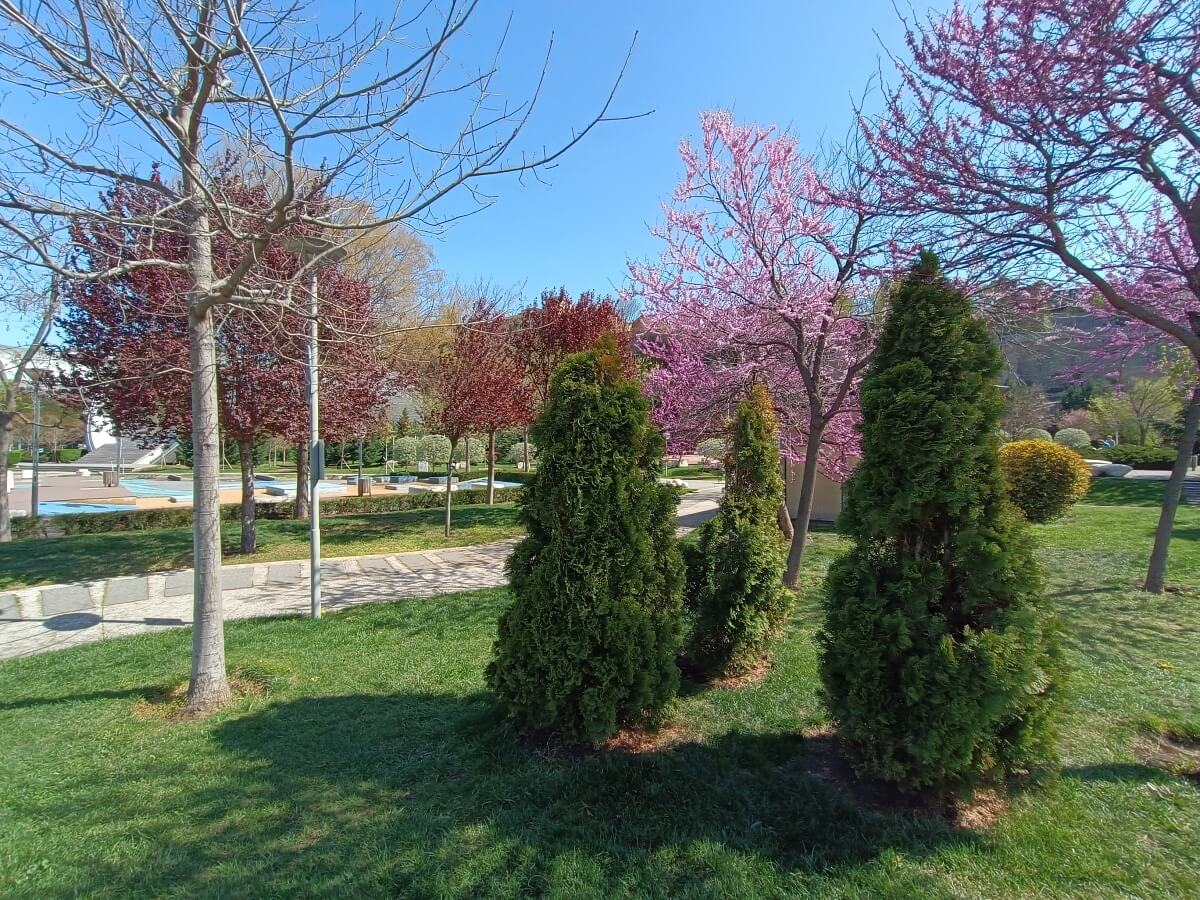
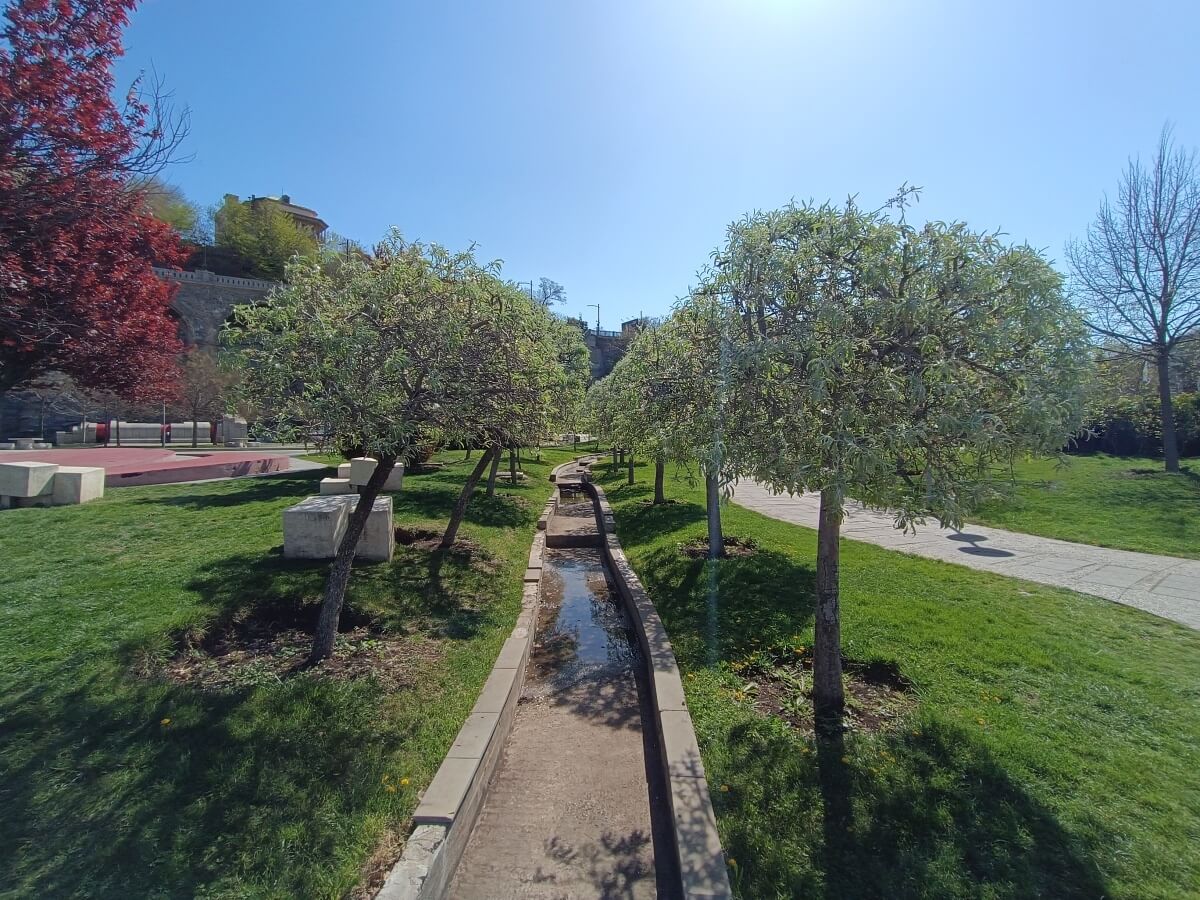

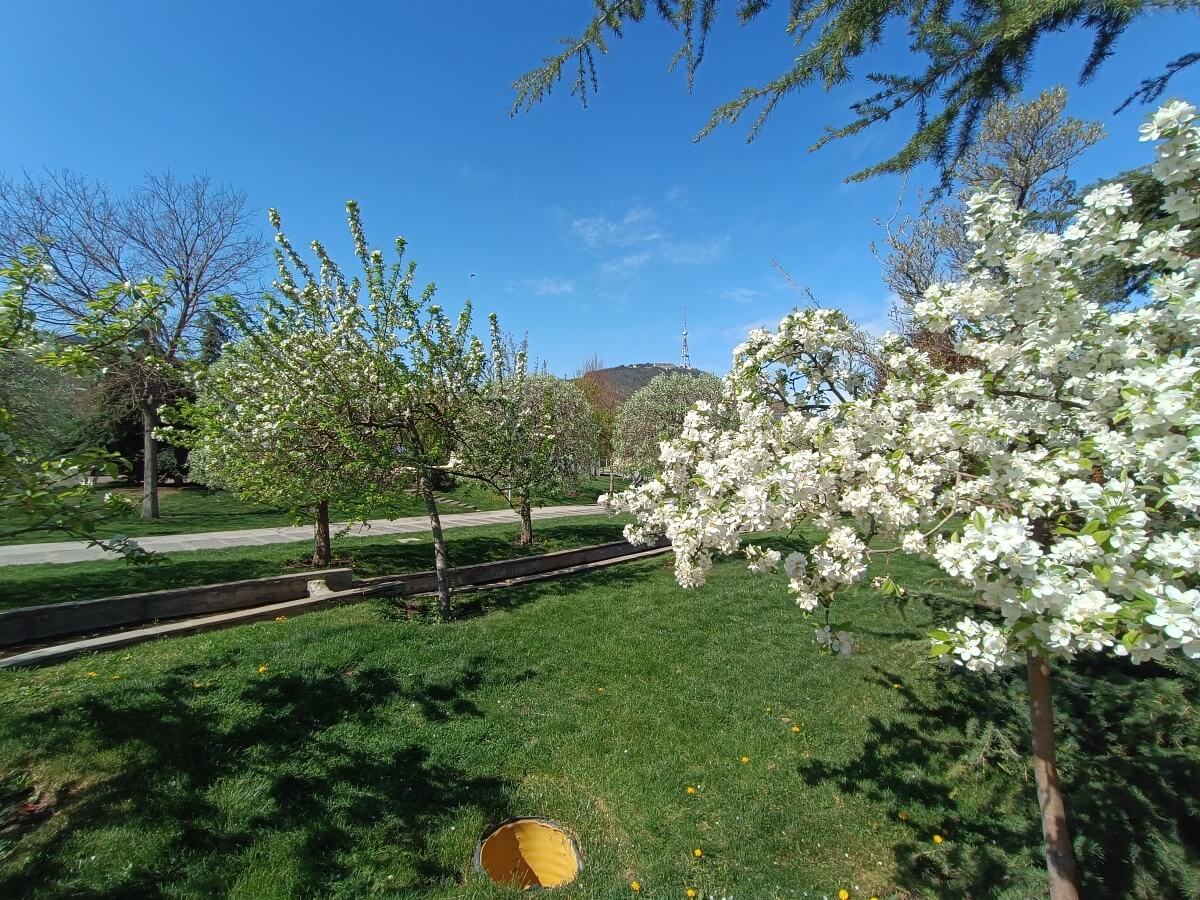
And enjoy the warm Tbilisi sun:
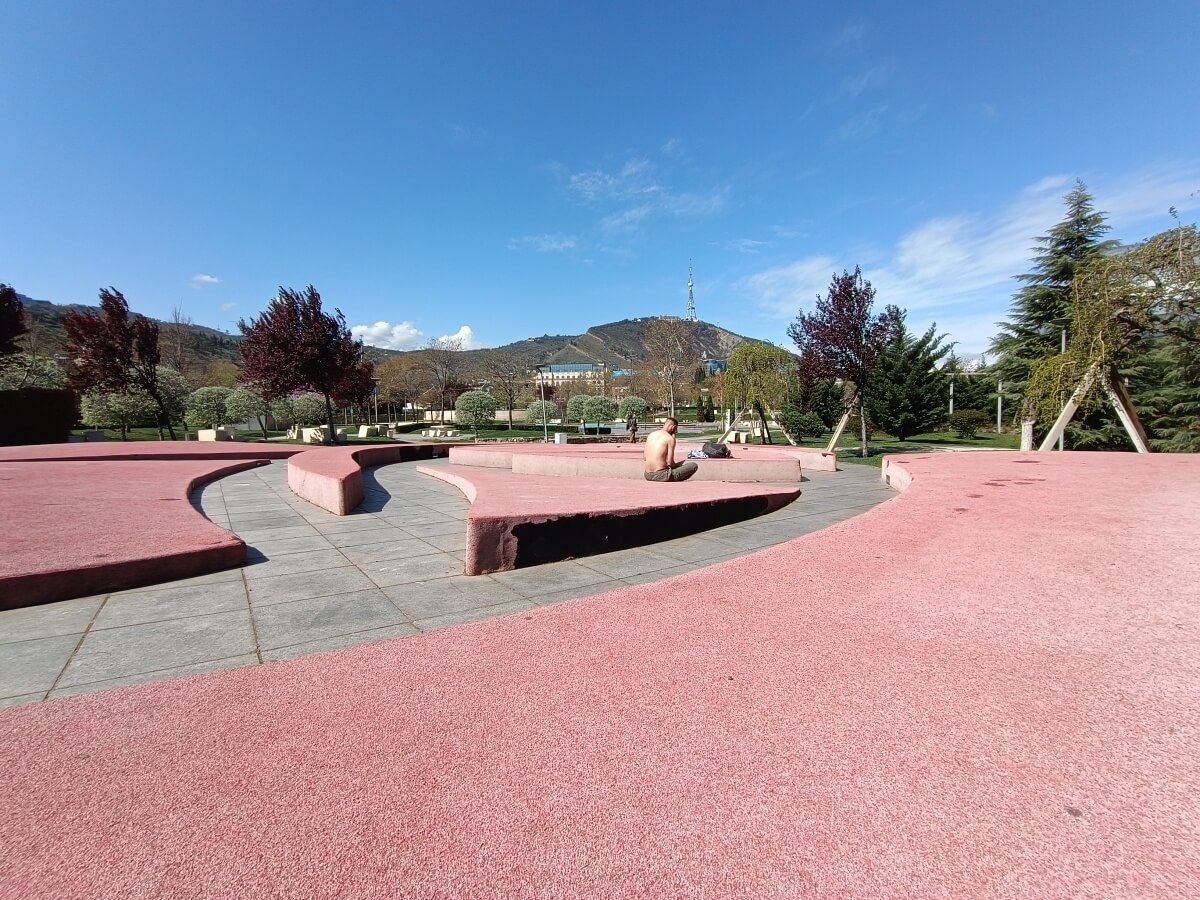
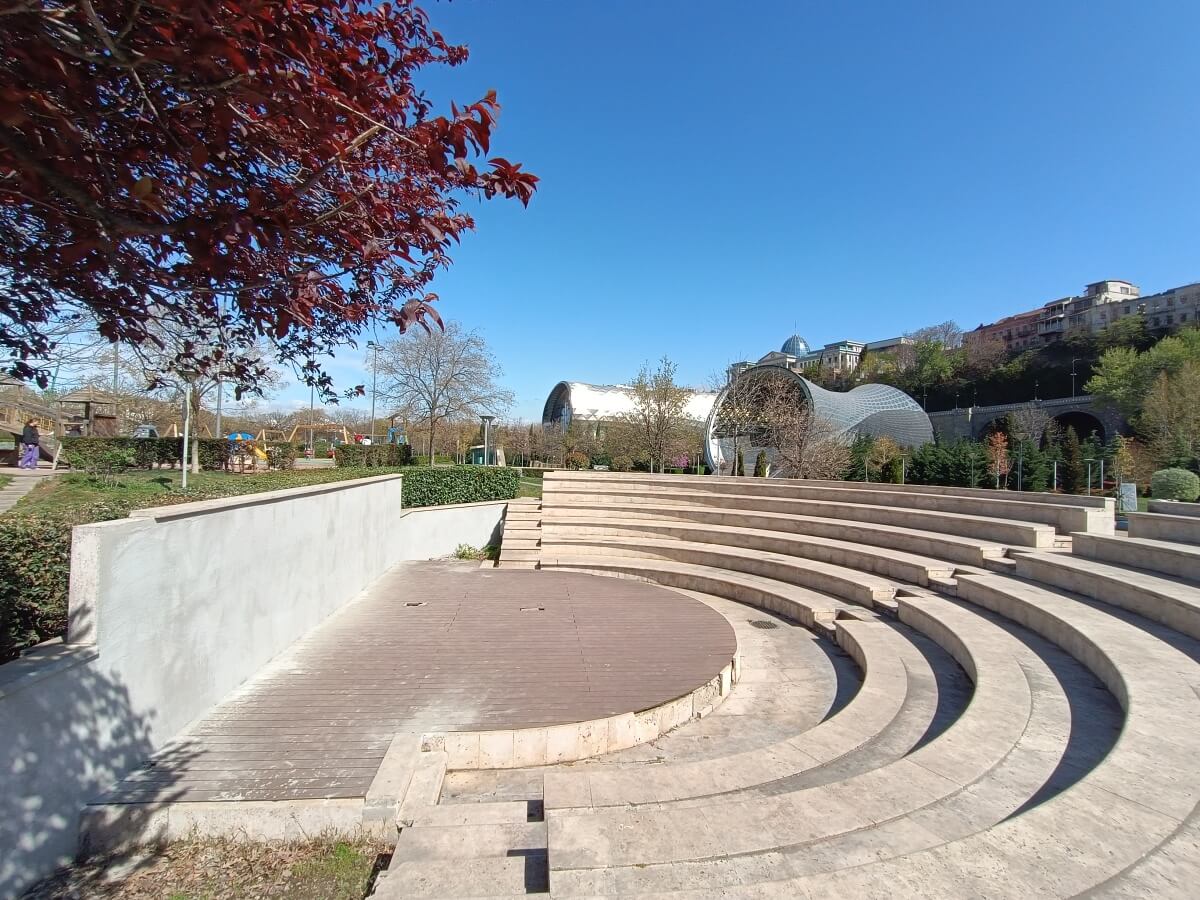
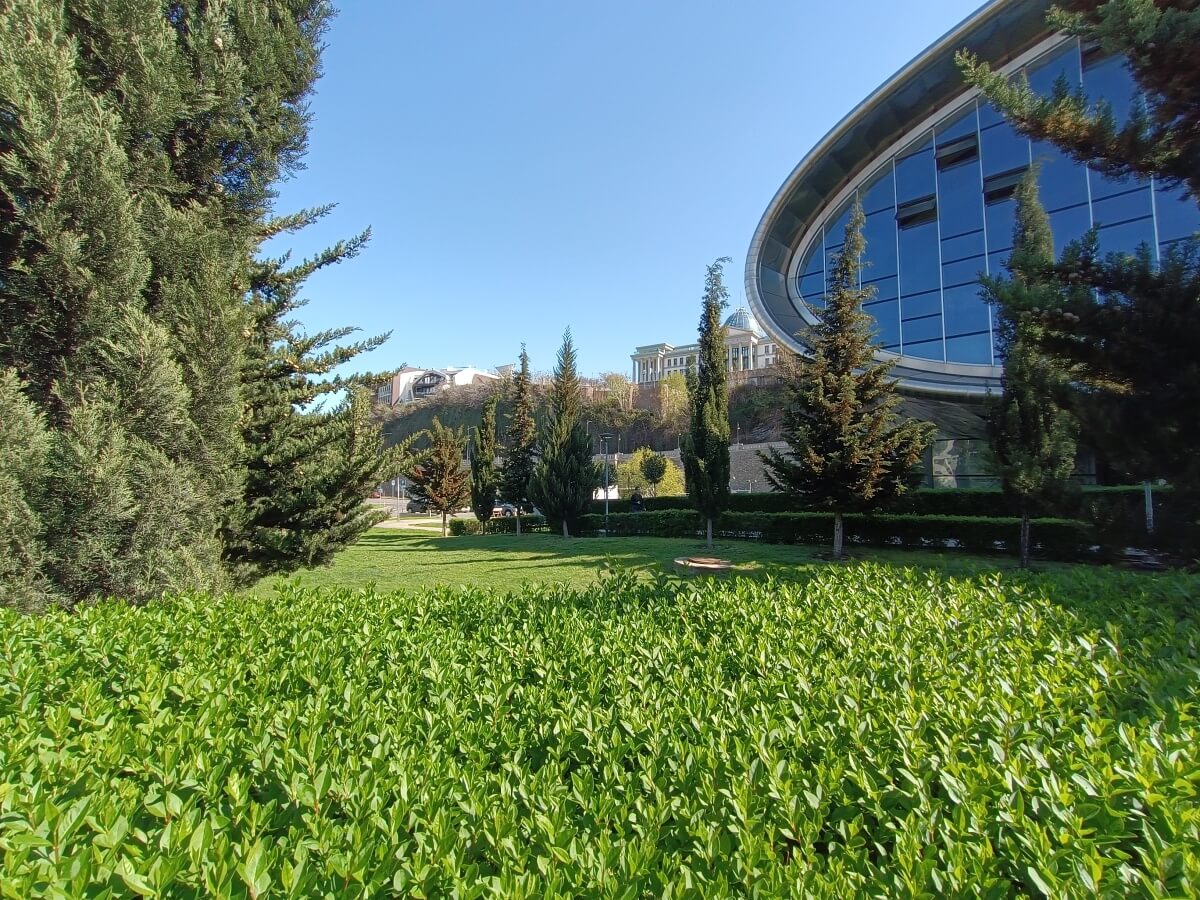
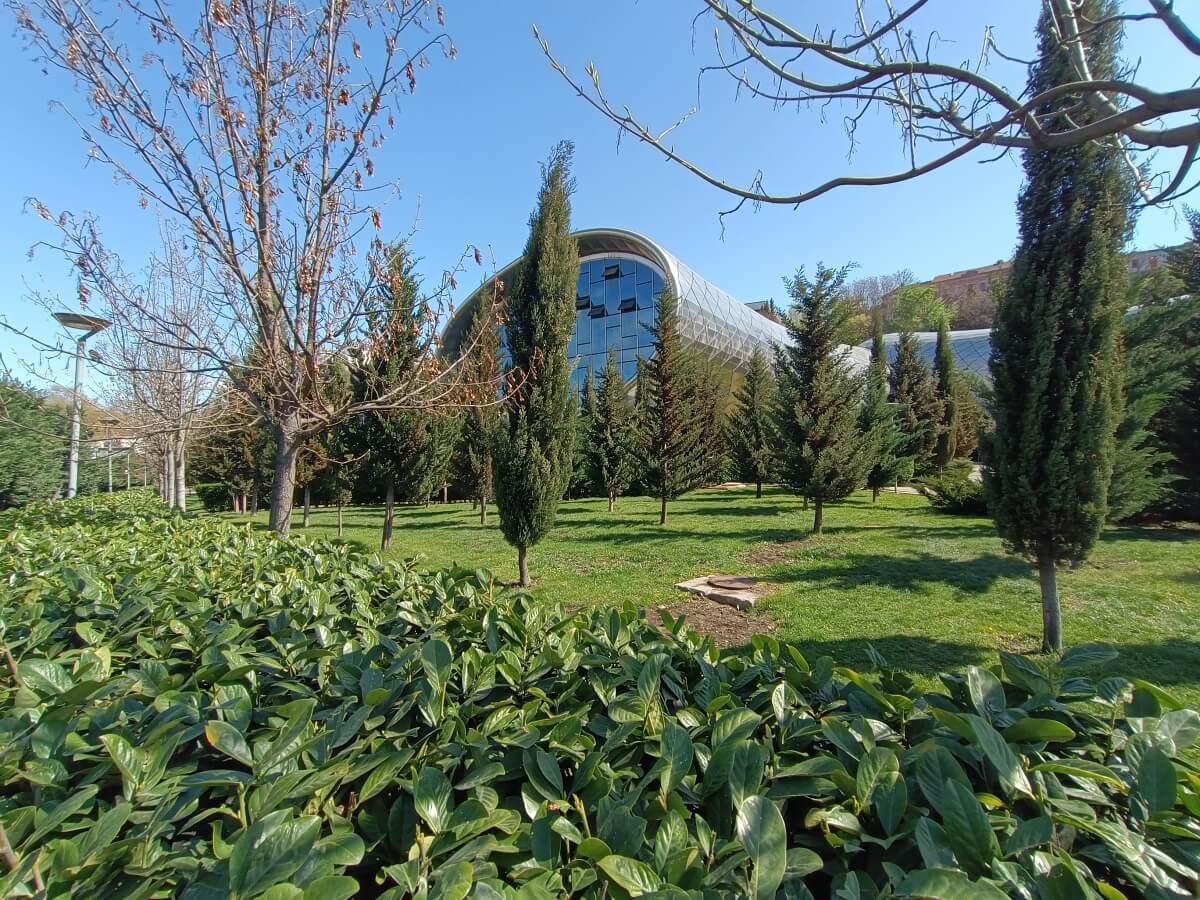
Finally, another important landmark in this part of the district is the Cultural Center designed by Italian architect Massimiliano Fuksas. Built in 2012, it has never officially operated and today remains more of an art object within the park.
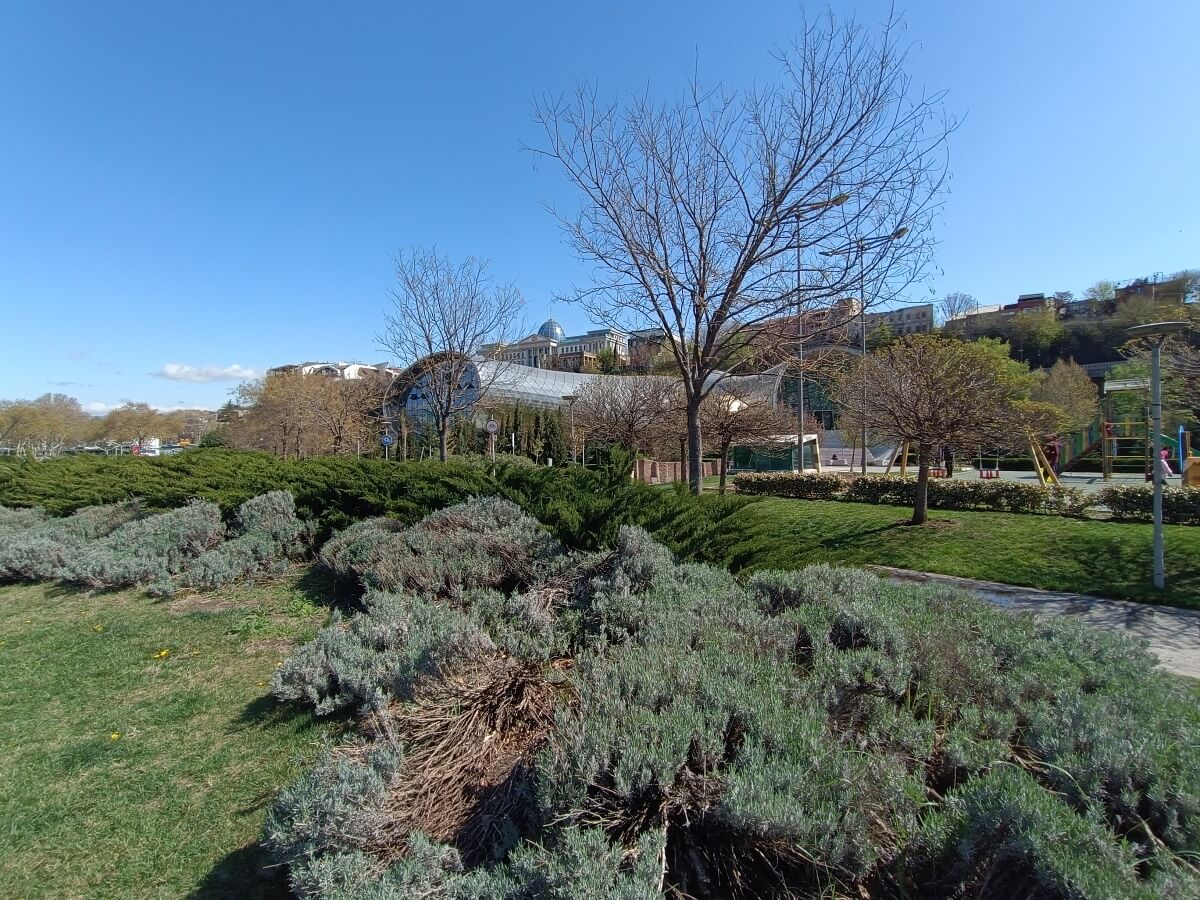
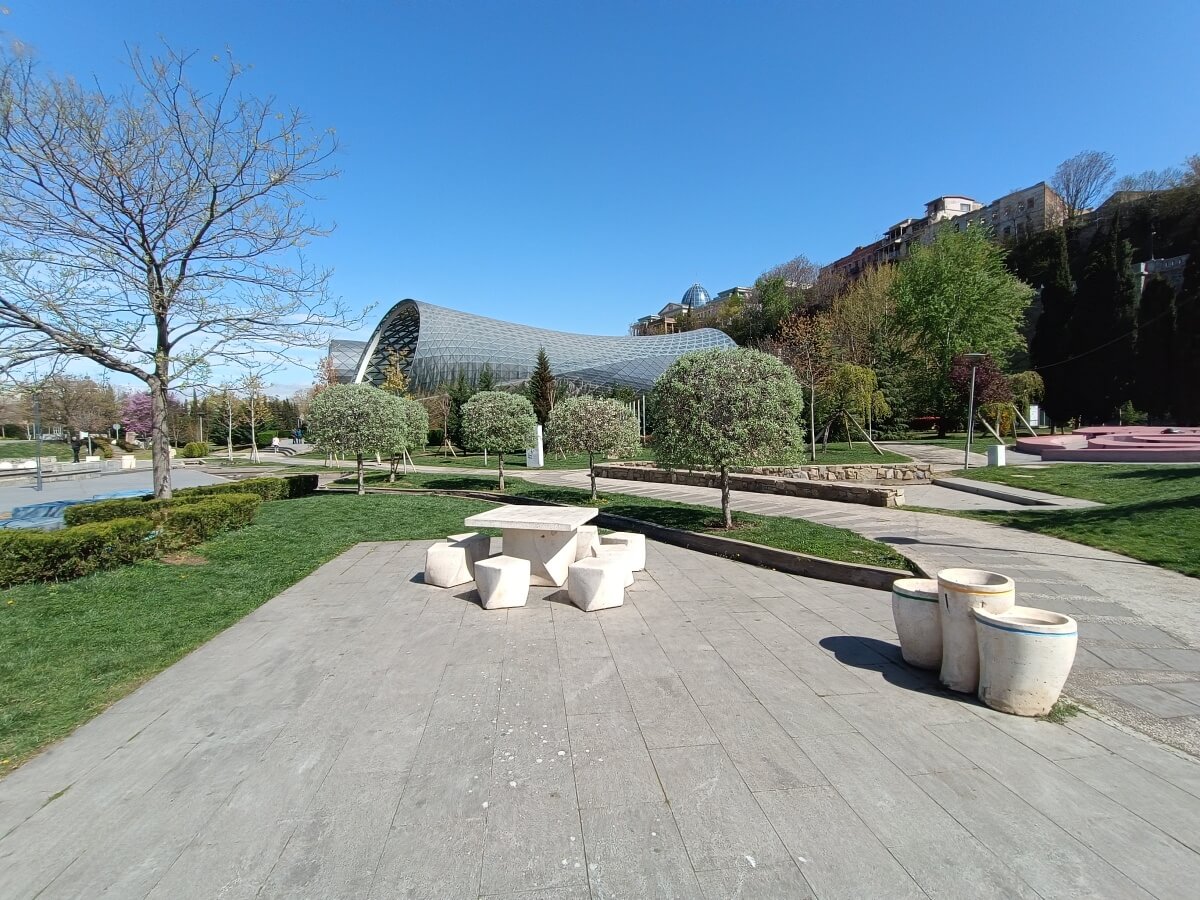
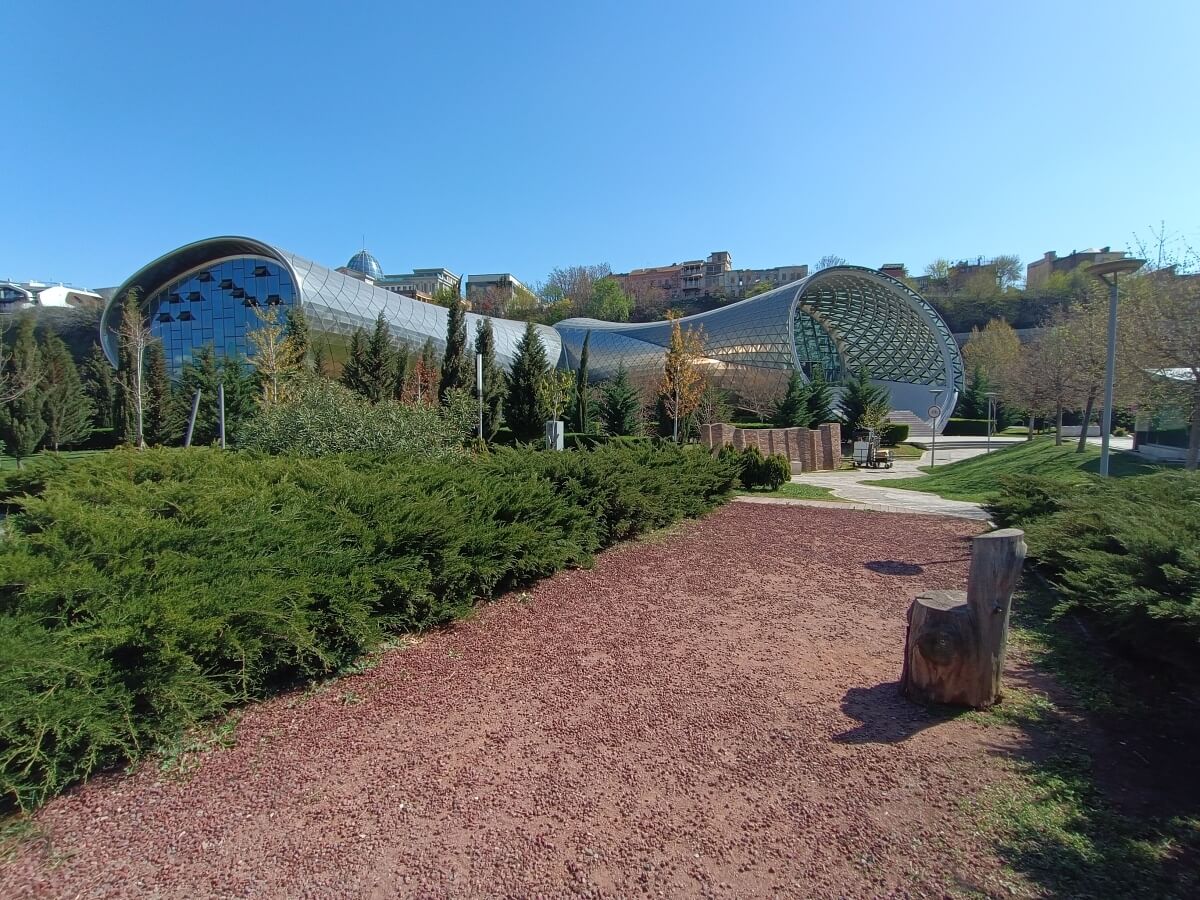
The Cultural Center consists of two elongated tubular structures filled with glass and metal panels. One was intended to house a concert hall, the other an exhibition gallery for temporary displays — but the project never fully came to life.
You can venture deeper into the district from Rike Park not only via Wine Rise, but also along Metekhi Street, which climbs steeply from the church toward Avlabari Square. The street is lined with cozy cafés, shops, and hotels, though ordinary locals still live here as well.
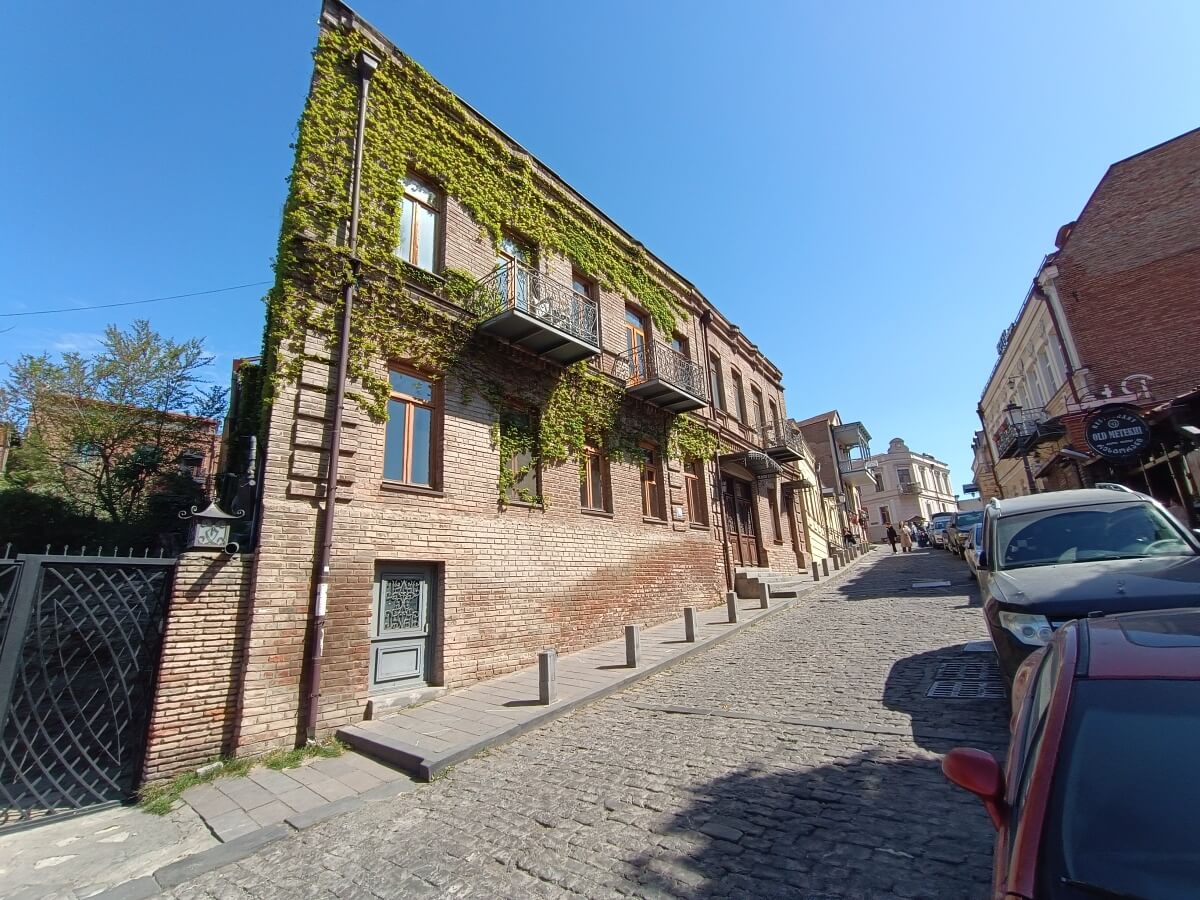
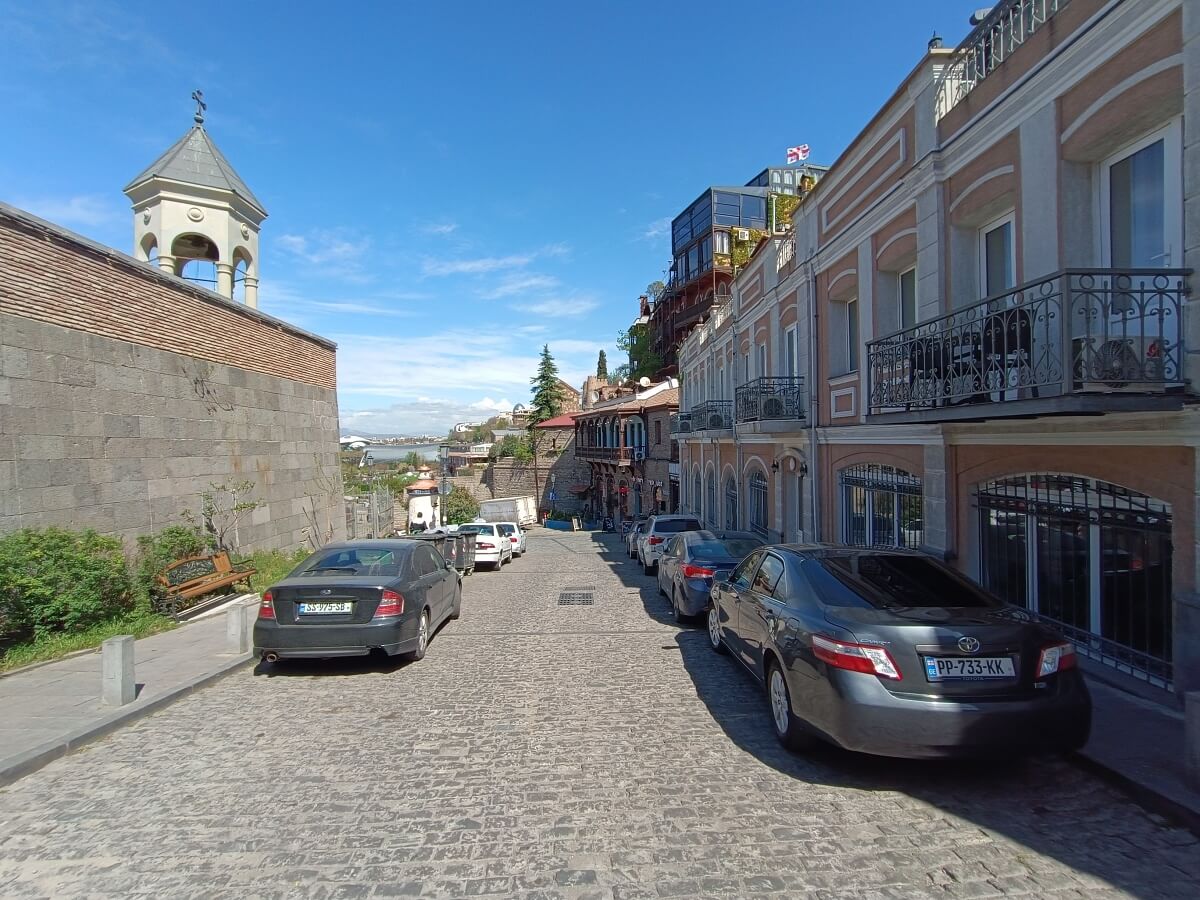
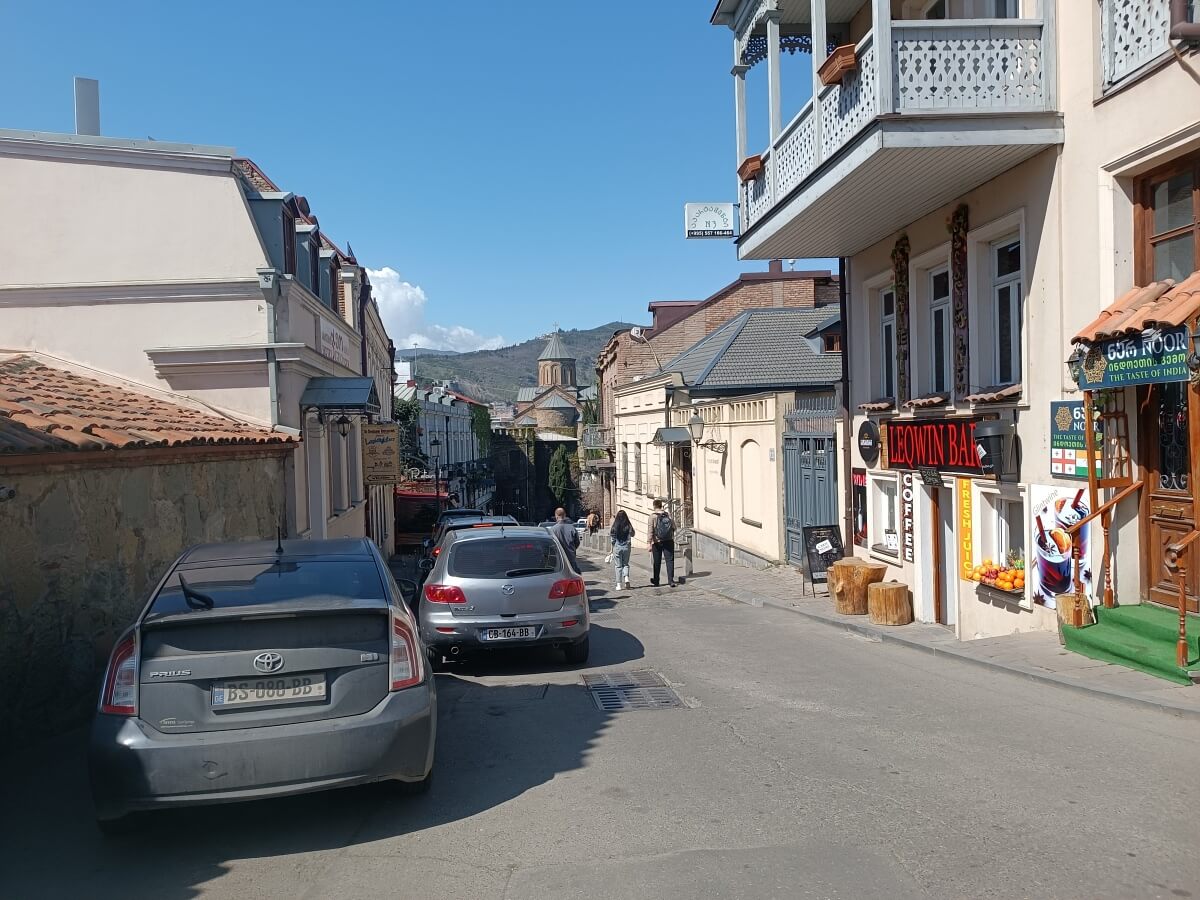
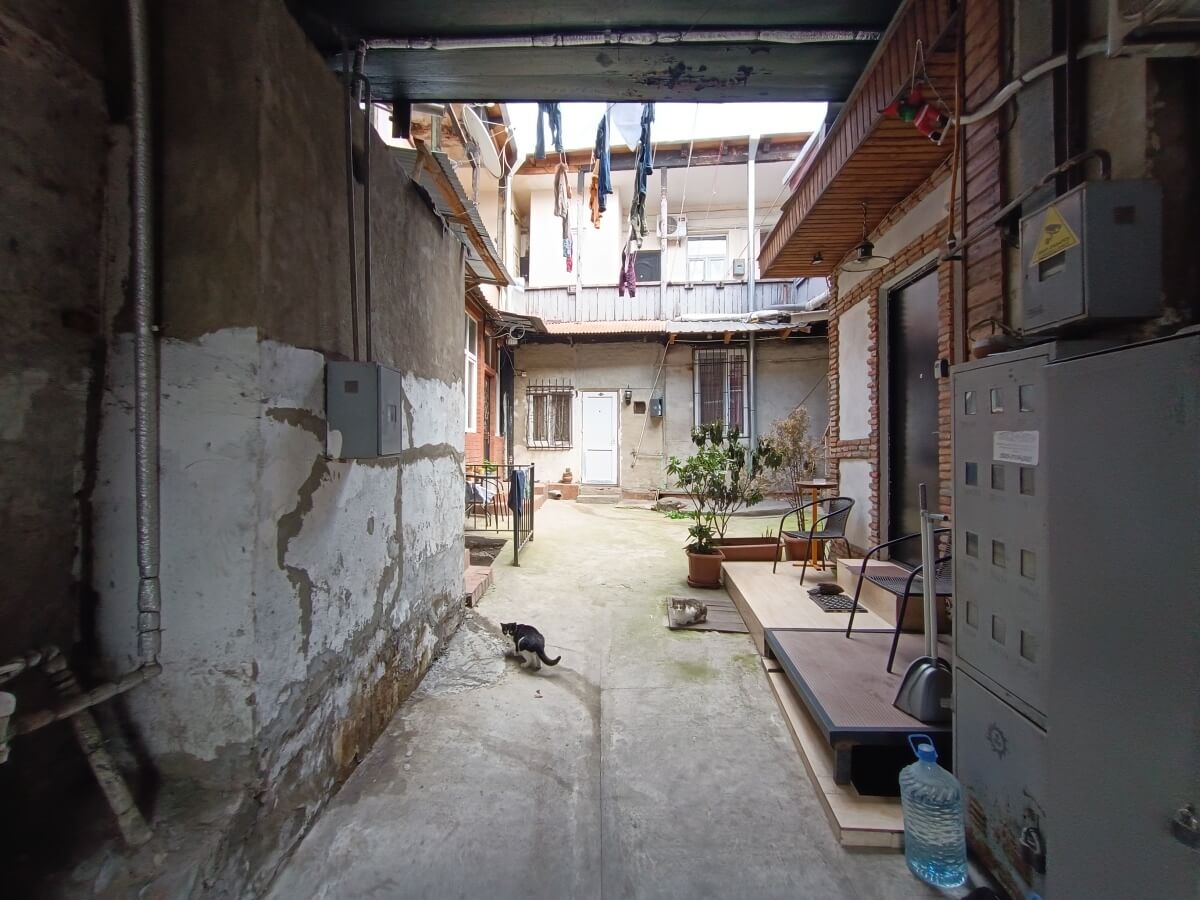
The farther you move away from the park, the more abandoned and deteriorating buildings begin to appear — one of Avlabari’s most recognizable features. At times, it’s hard to believe people still live inside them.
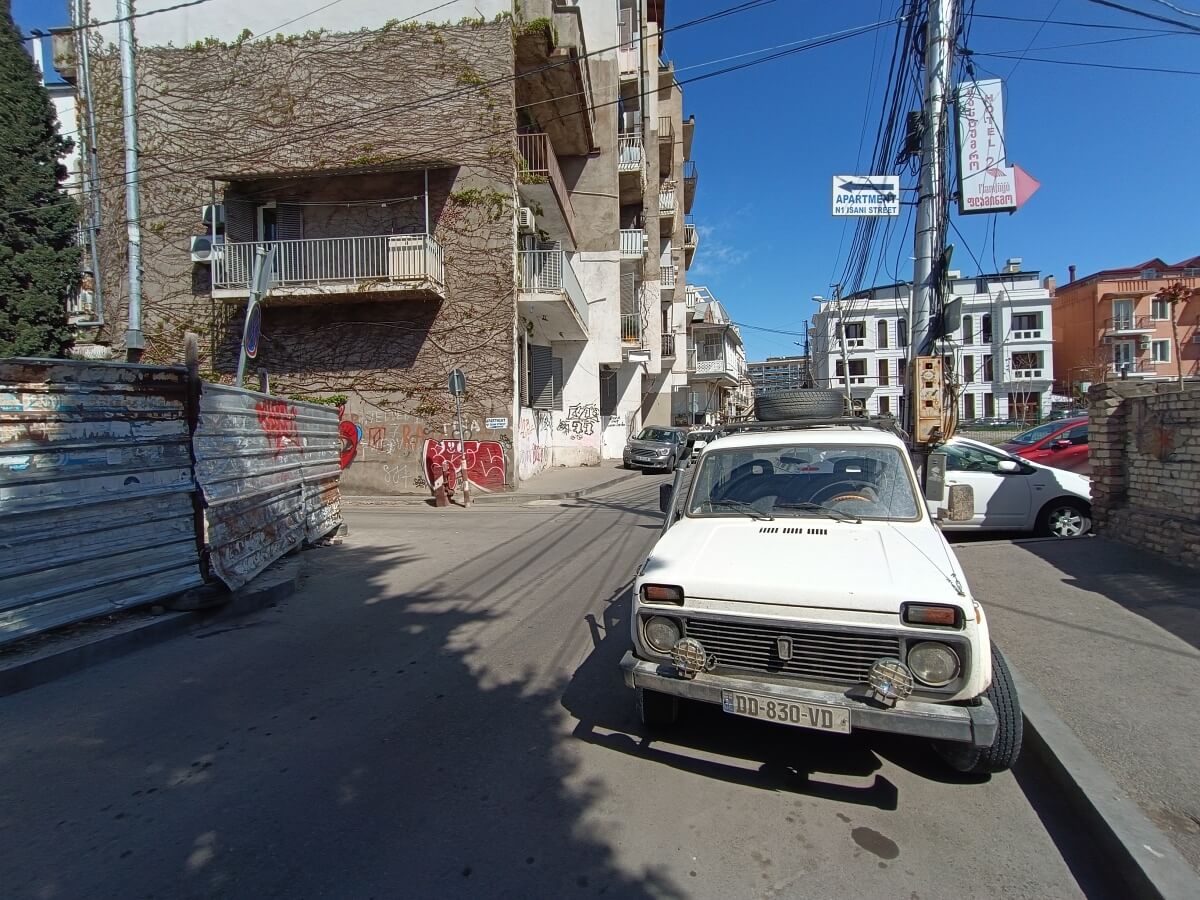
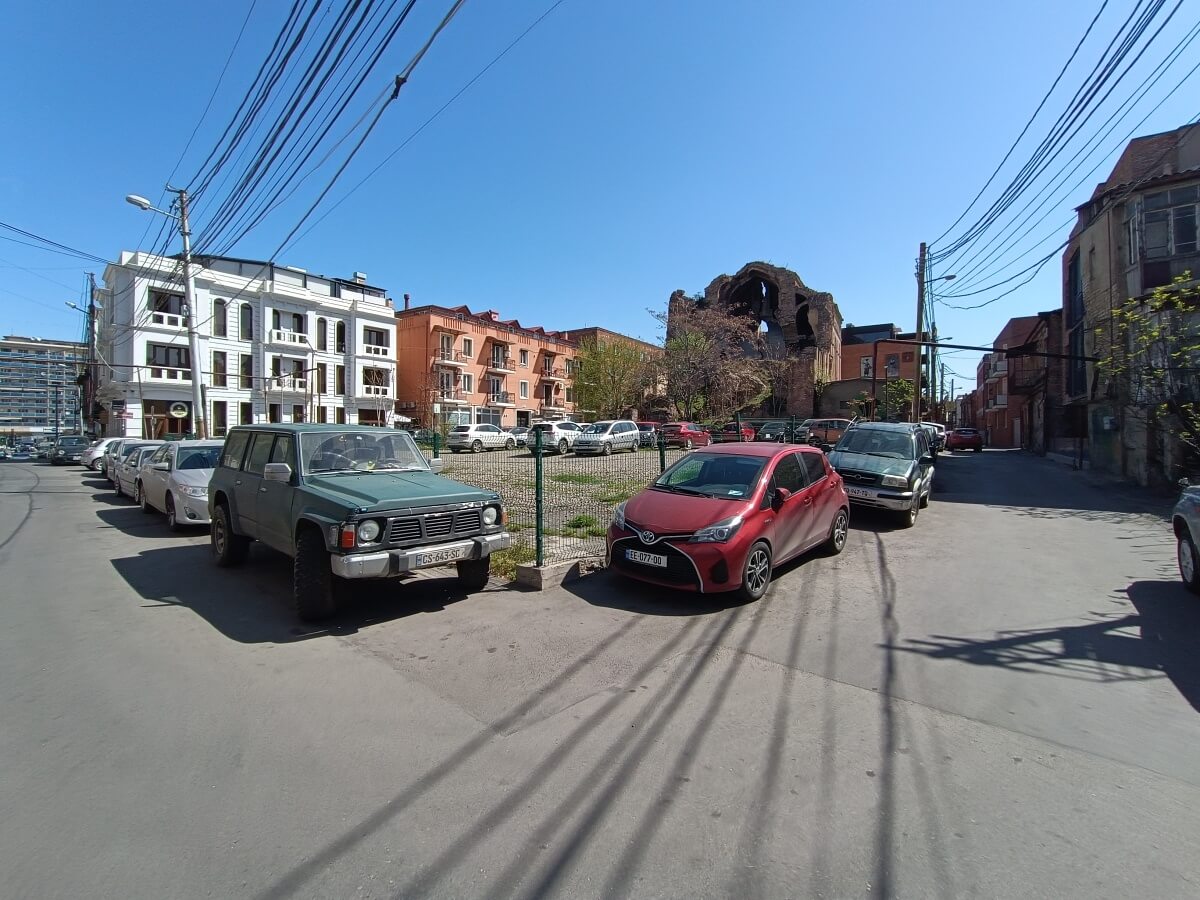
At the corner of Metekhi and Isani streets stand the ruins of an Armenian church surrounded by urban legends. Some say it was blown up by Soviet authorities, others claim it was damaged during the 2002 earthquake. According to local residents, however, the church simply fell into ruin naturally after being abandoned long ago.
Metekhi Street eventually leads to Avlabari Square, with the metro station of the same name beneath it. If Rike Park is the tourist heart of the district, then this square is its social heart. This is where everyday Avlabari truly comes alive.
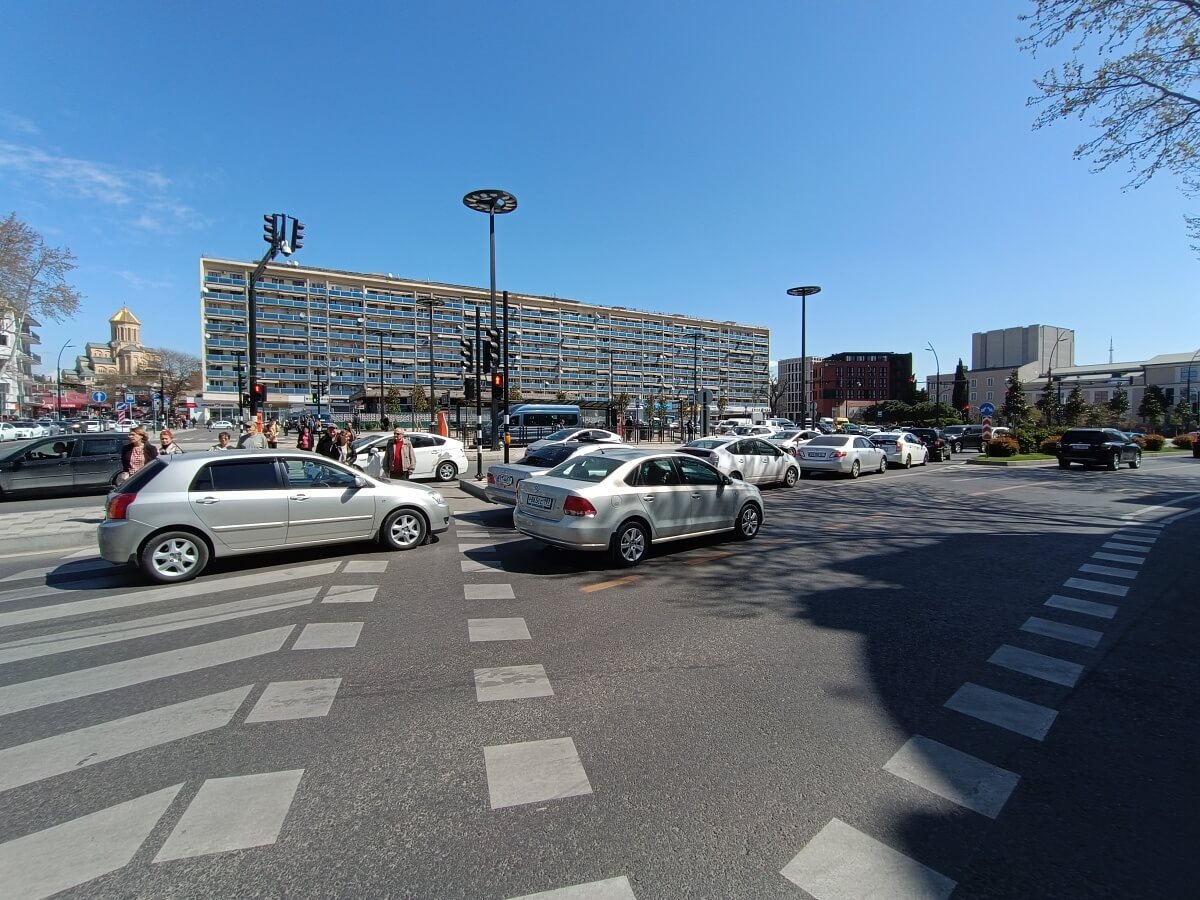
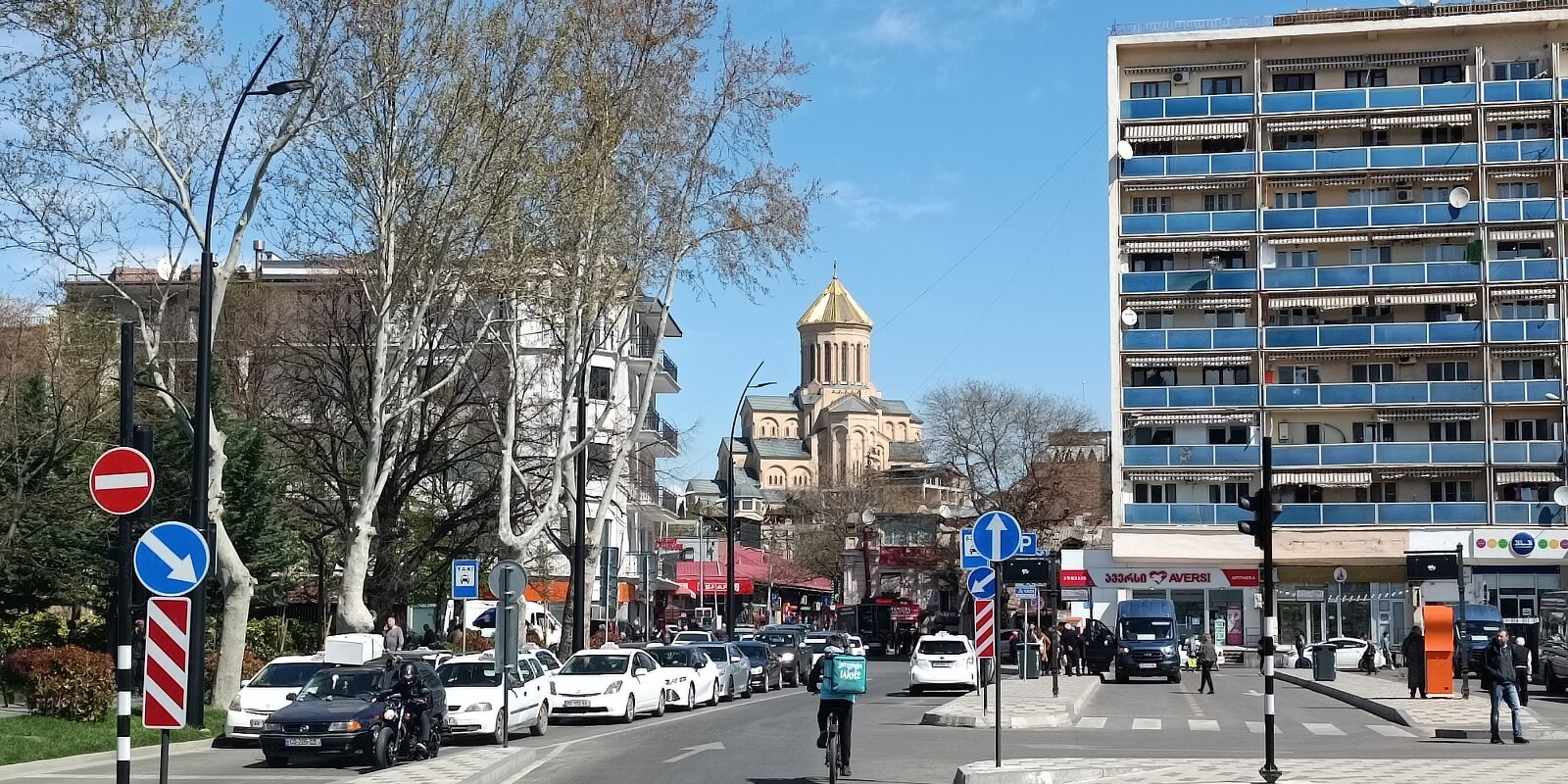
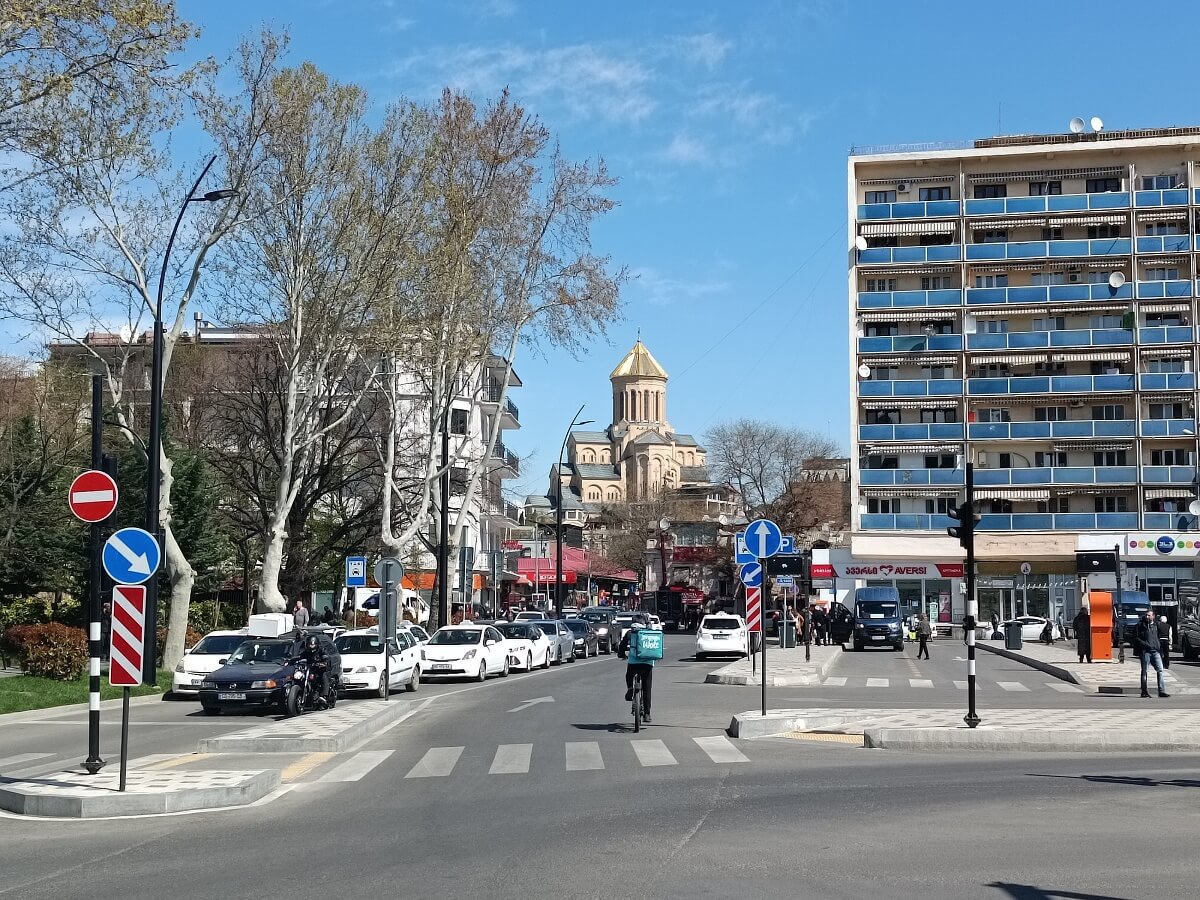
From the square, the massive Holy Trinity Cathedral is already clearly visible — though we will reach it a bit later.
Facing the square stands the Nor Echmiadzin Church of the Armenian Apostolic Church, a silent reminder of the Armenian community that has long been part of Avlabari. Built in the early 19th century, it remains active to this day.
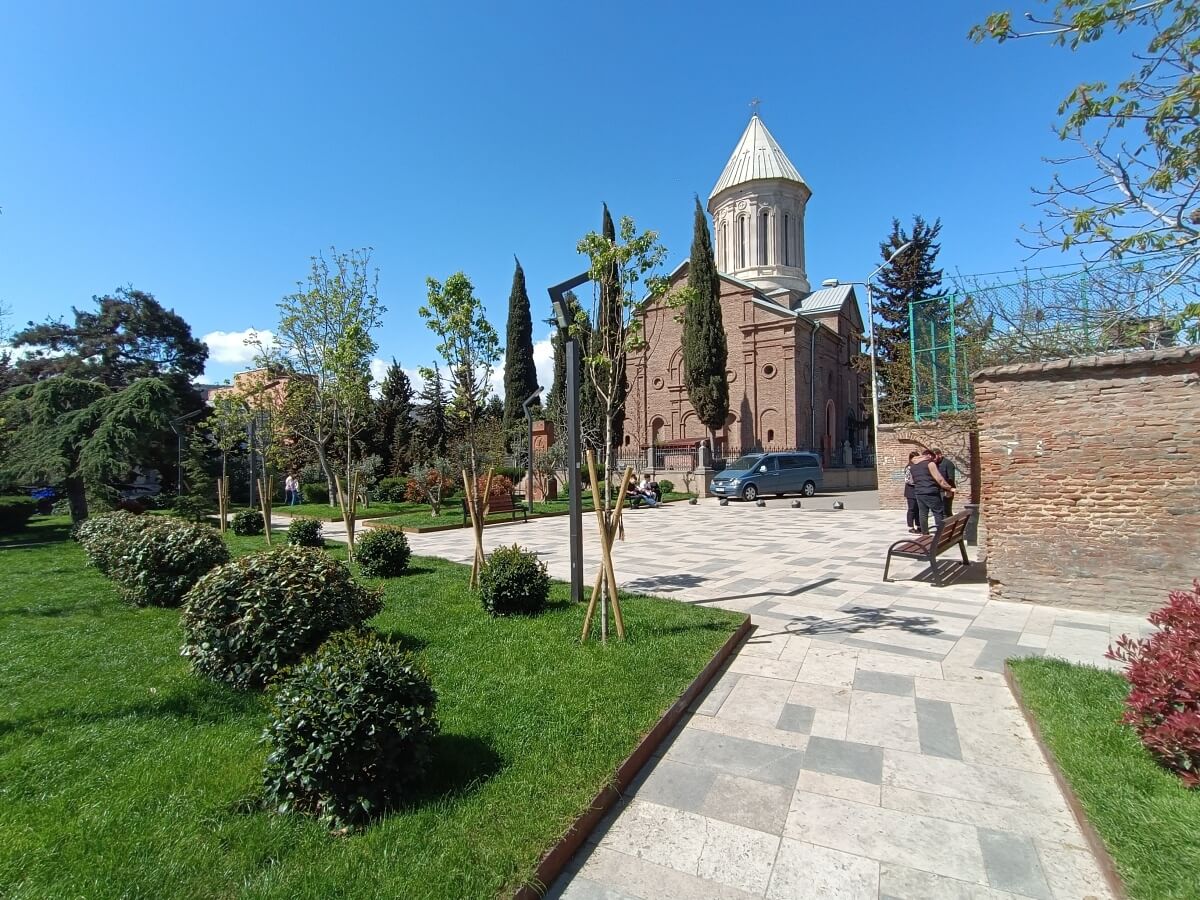
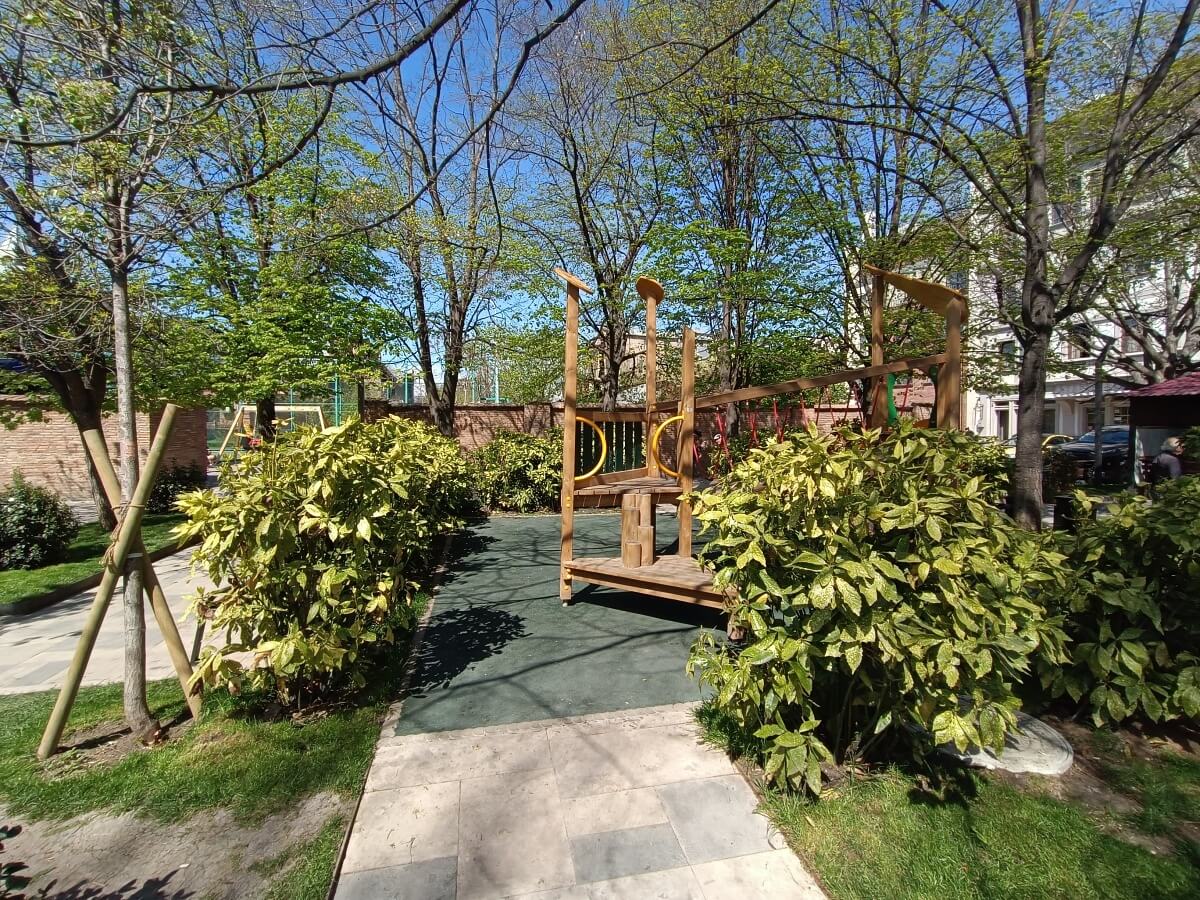
A children’s playground beside the church:
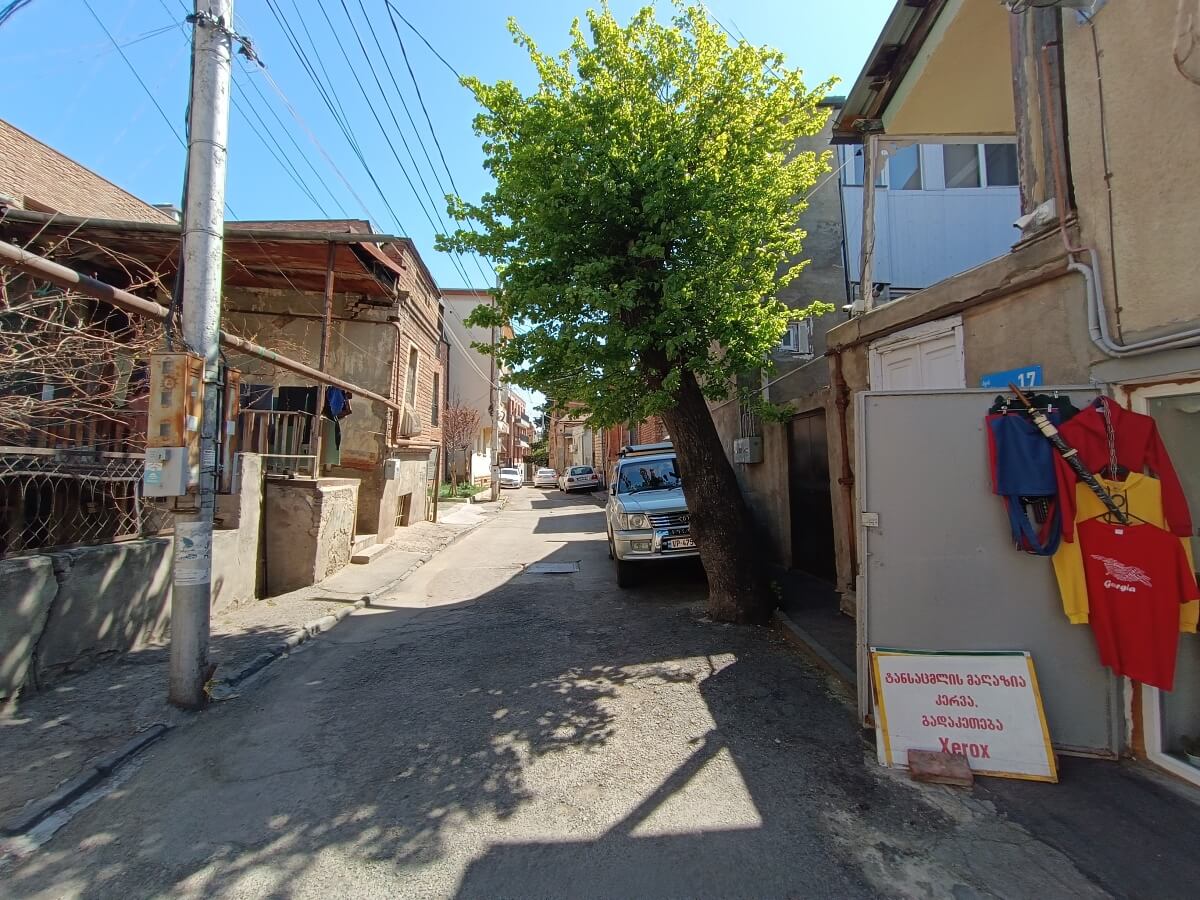
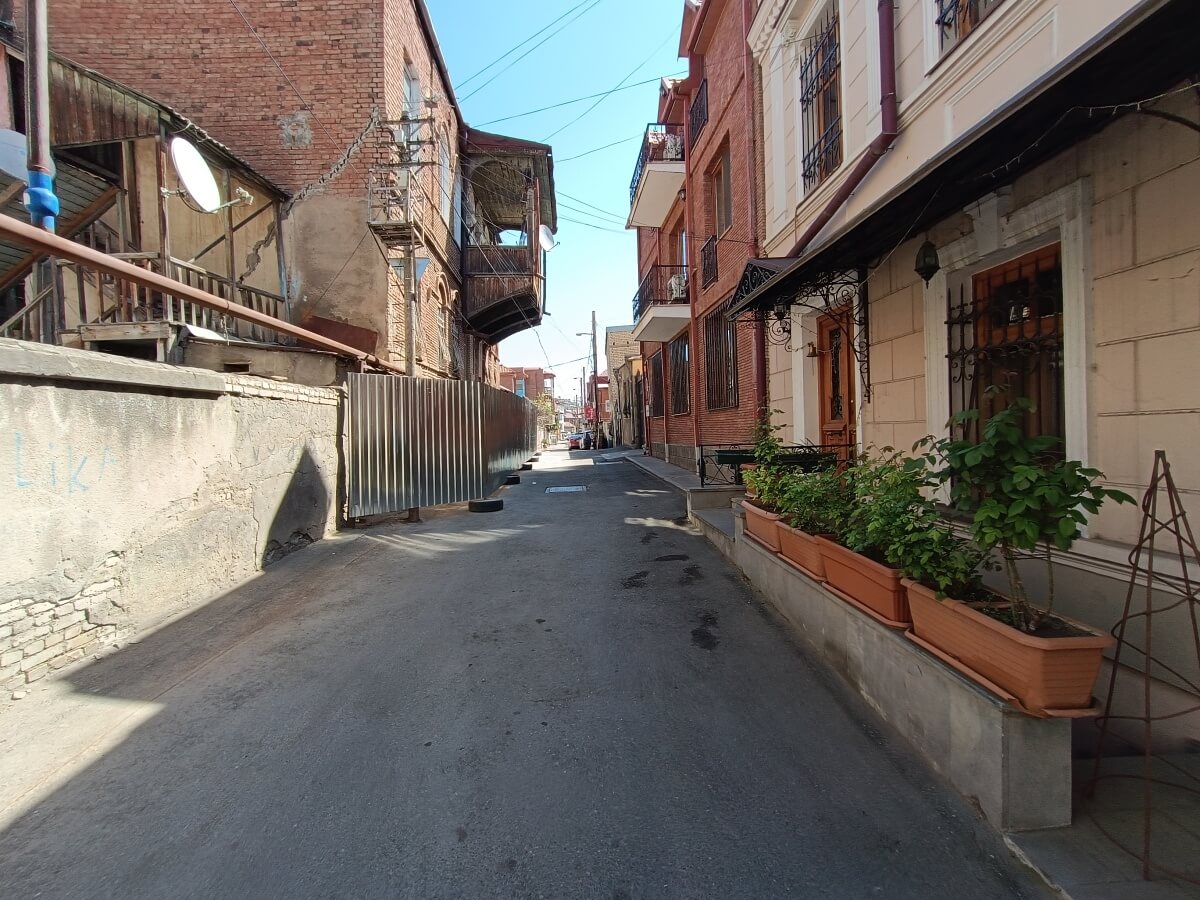
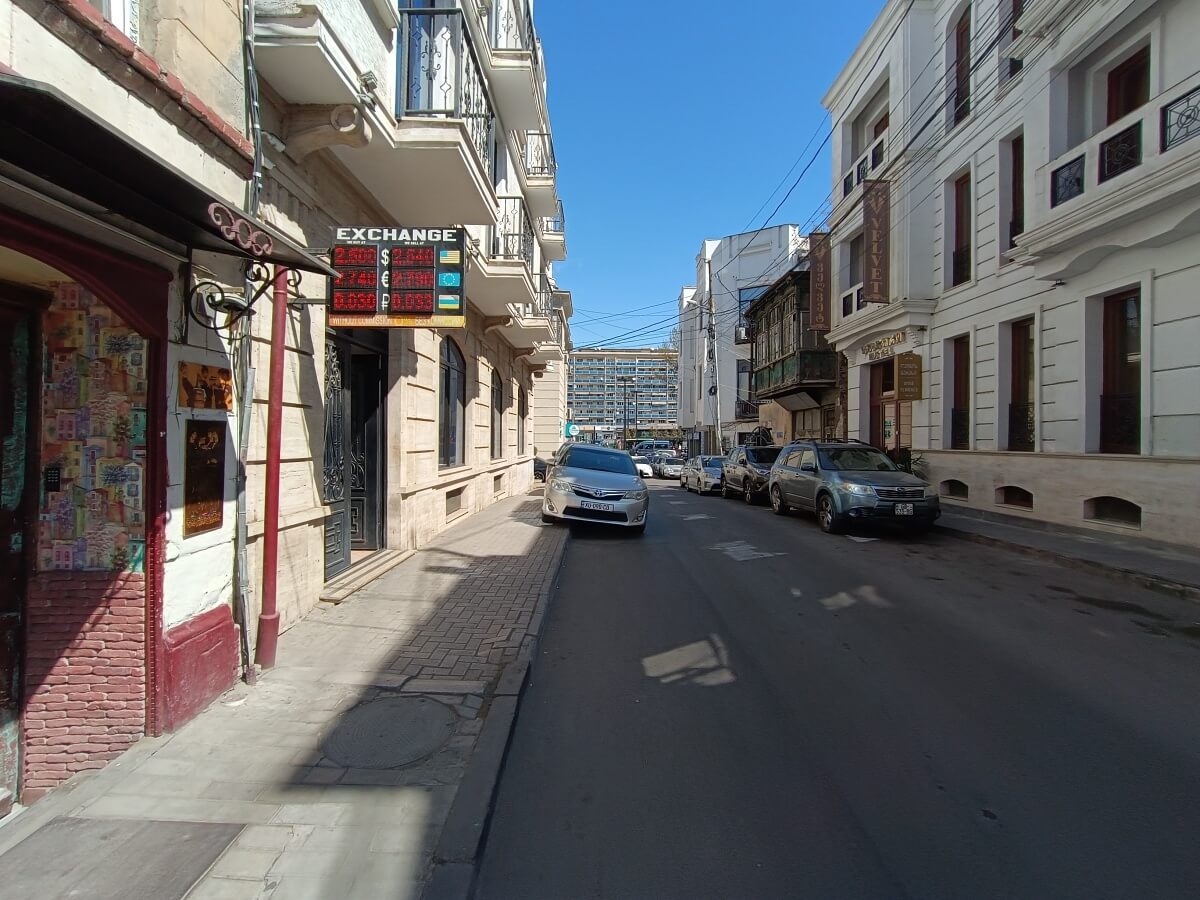
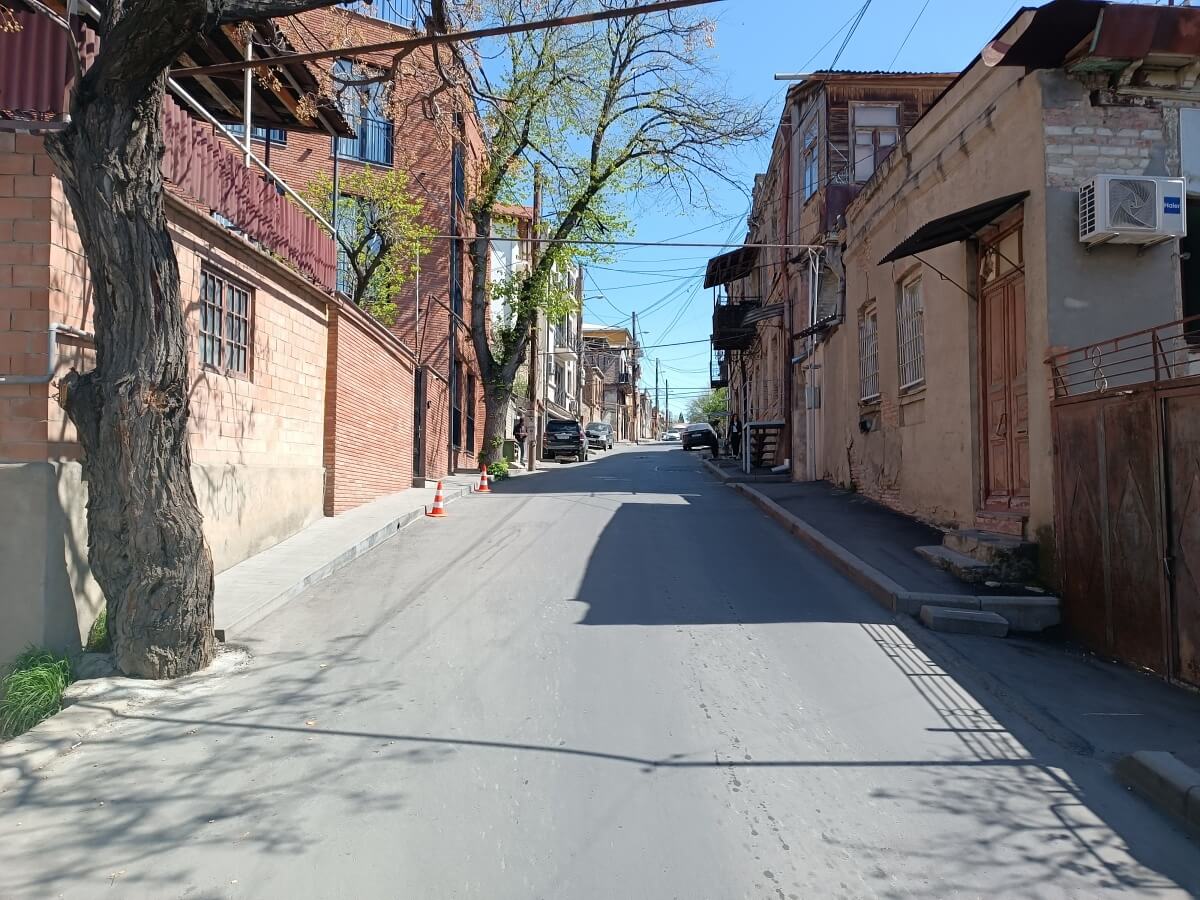
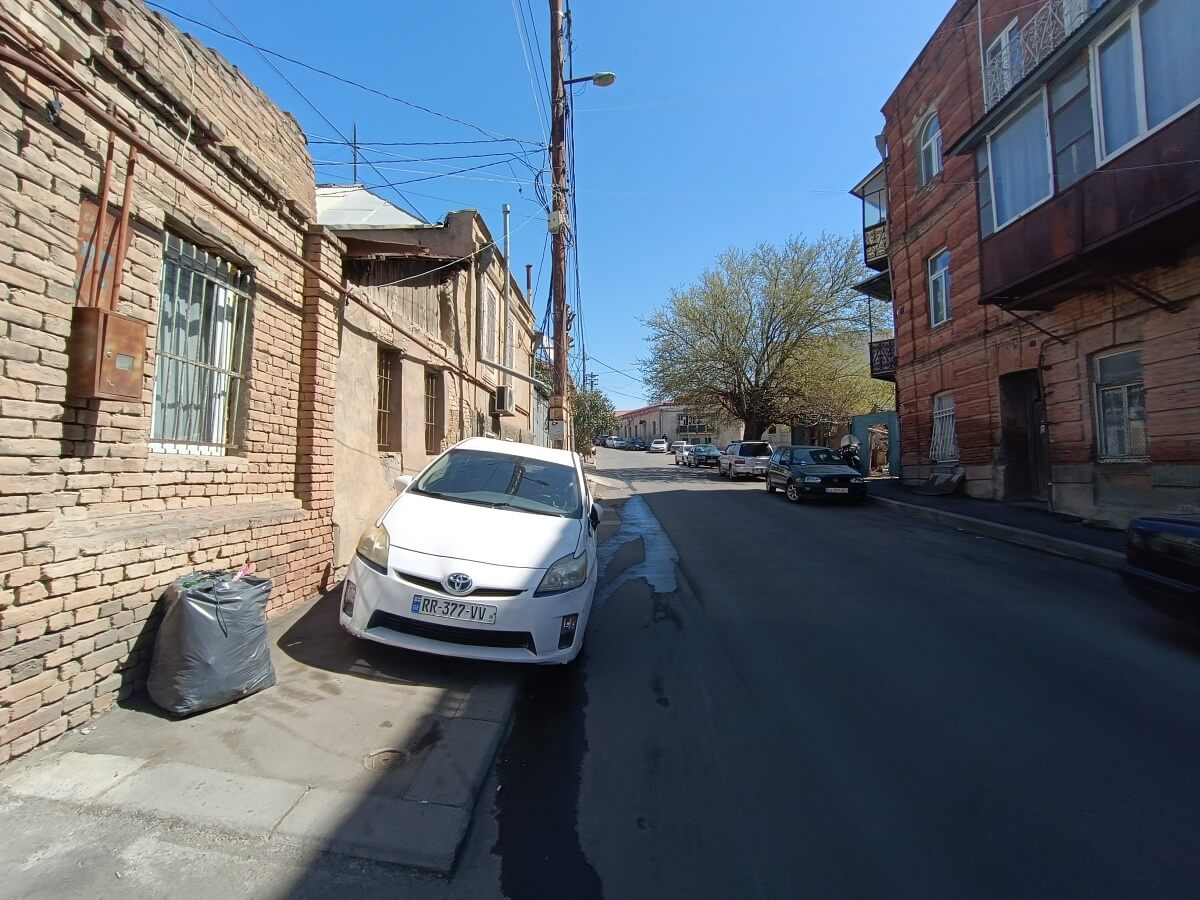
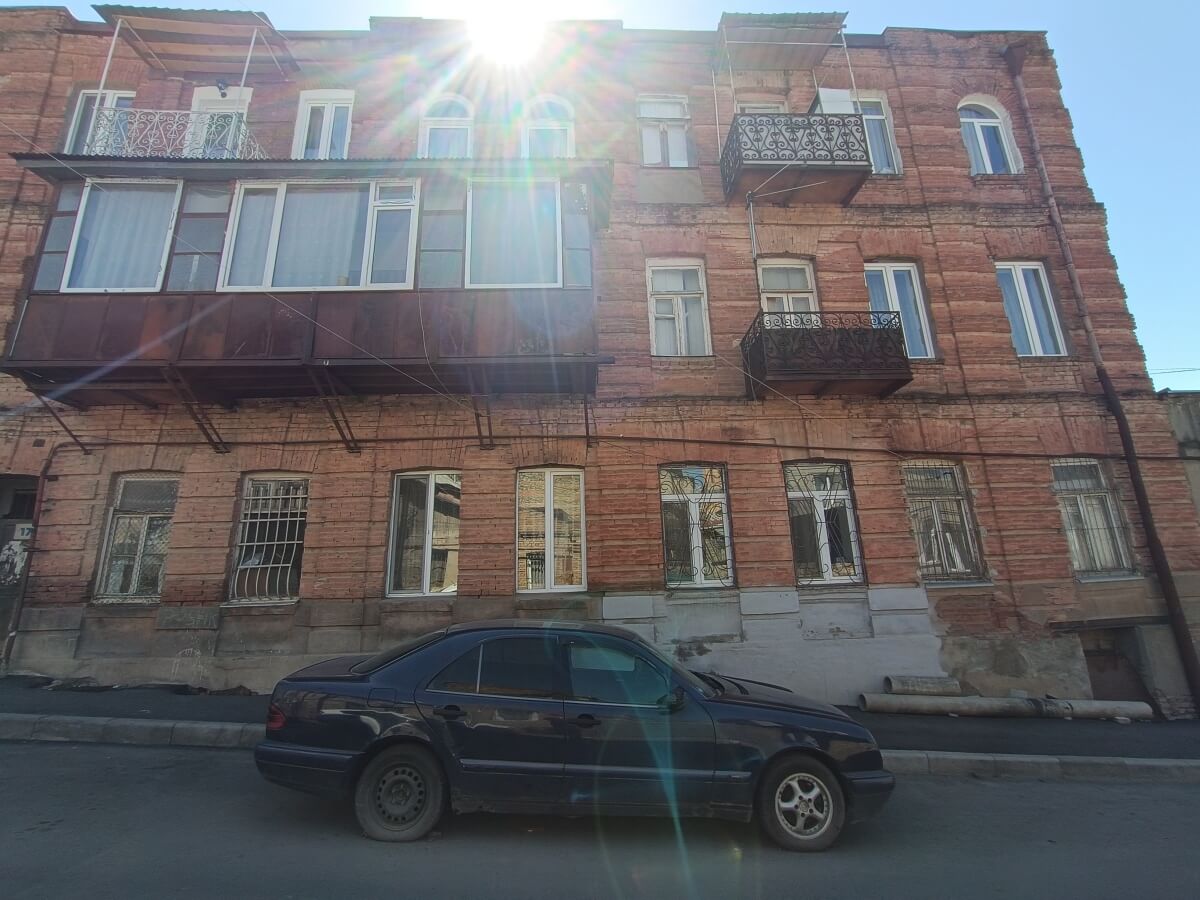
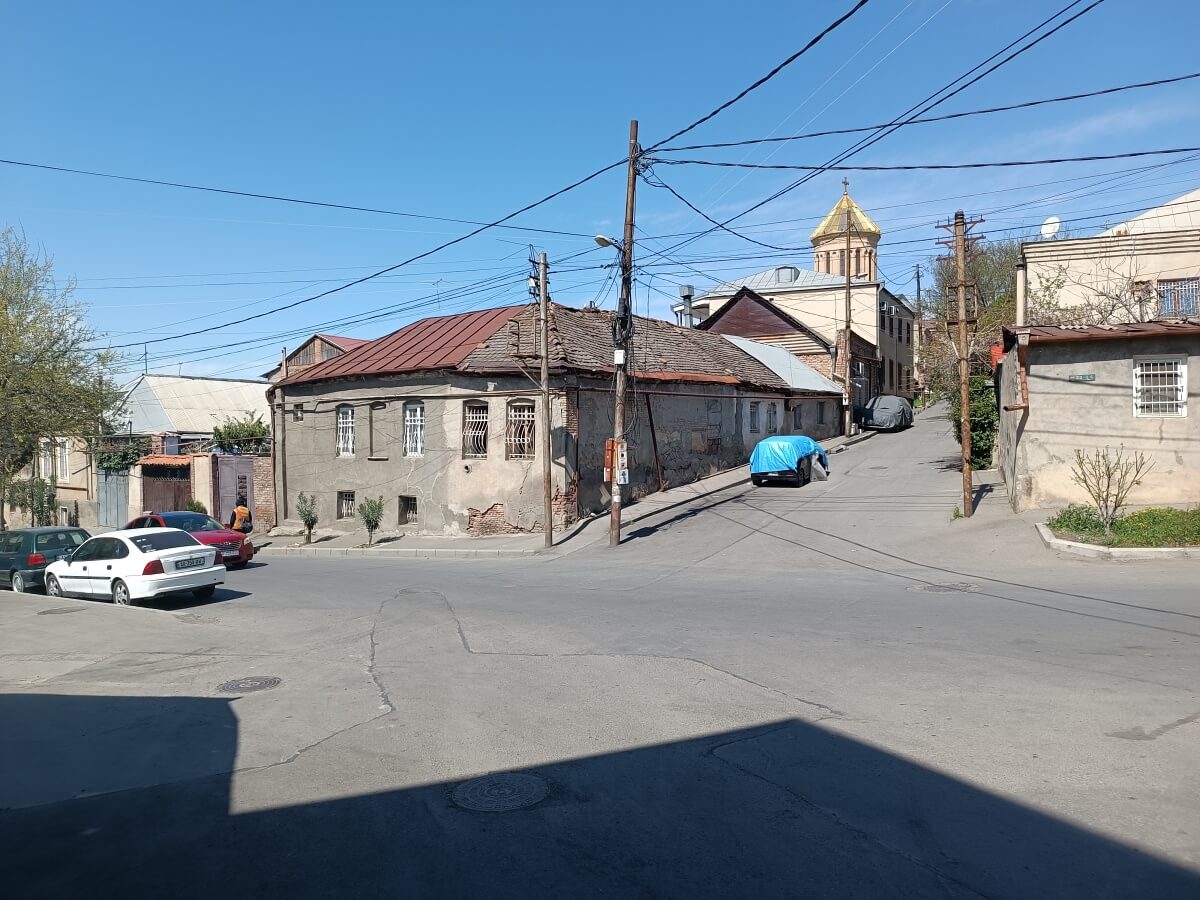
Many houses in Avlabari were built one hundred, two hundred, even three hundred years ago. The district feels like a patchwork stitched together from entirely different eras and textures, constantly rebuilt and reshaped over time — which only adds to its unique charm. Typical streets look like this:
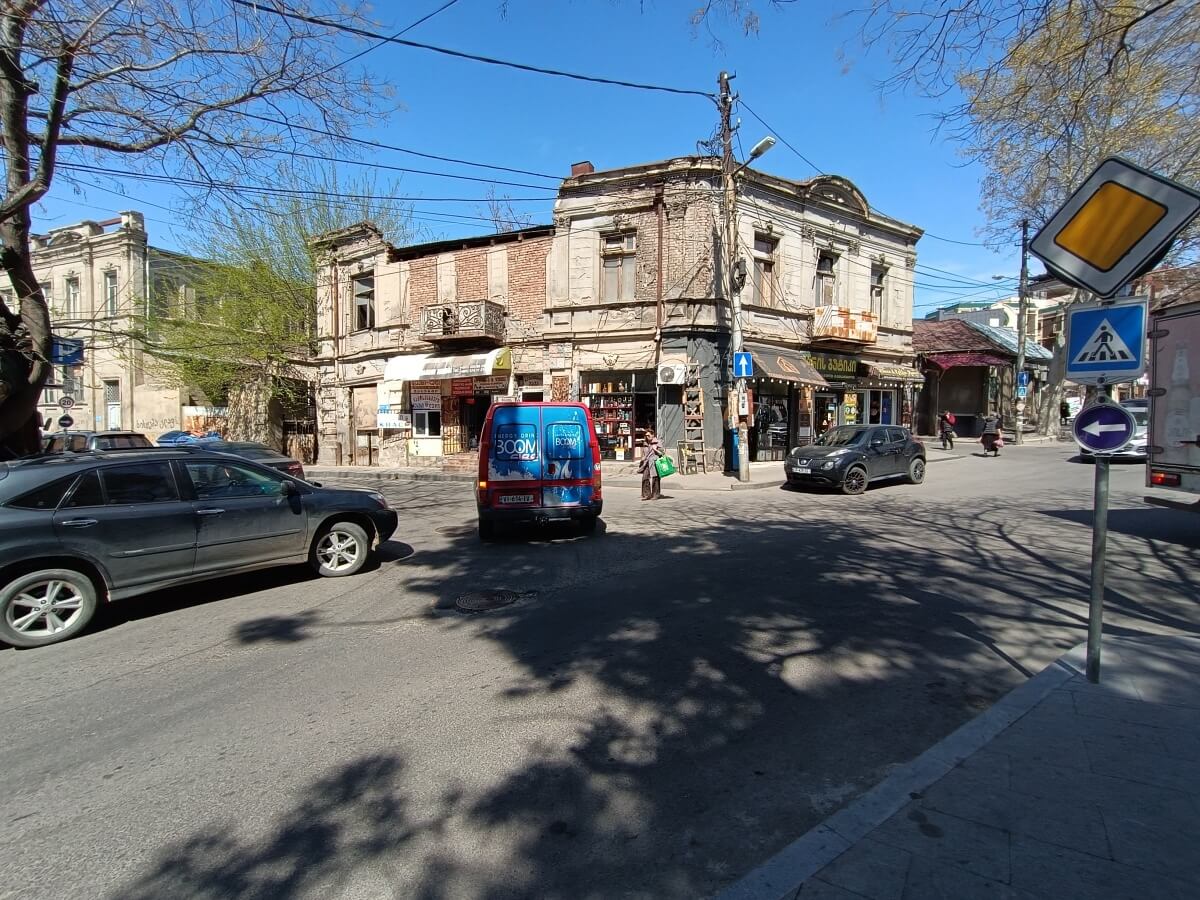
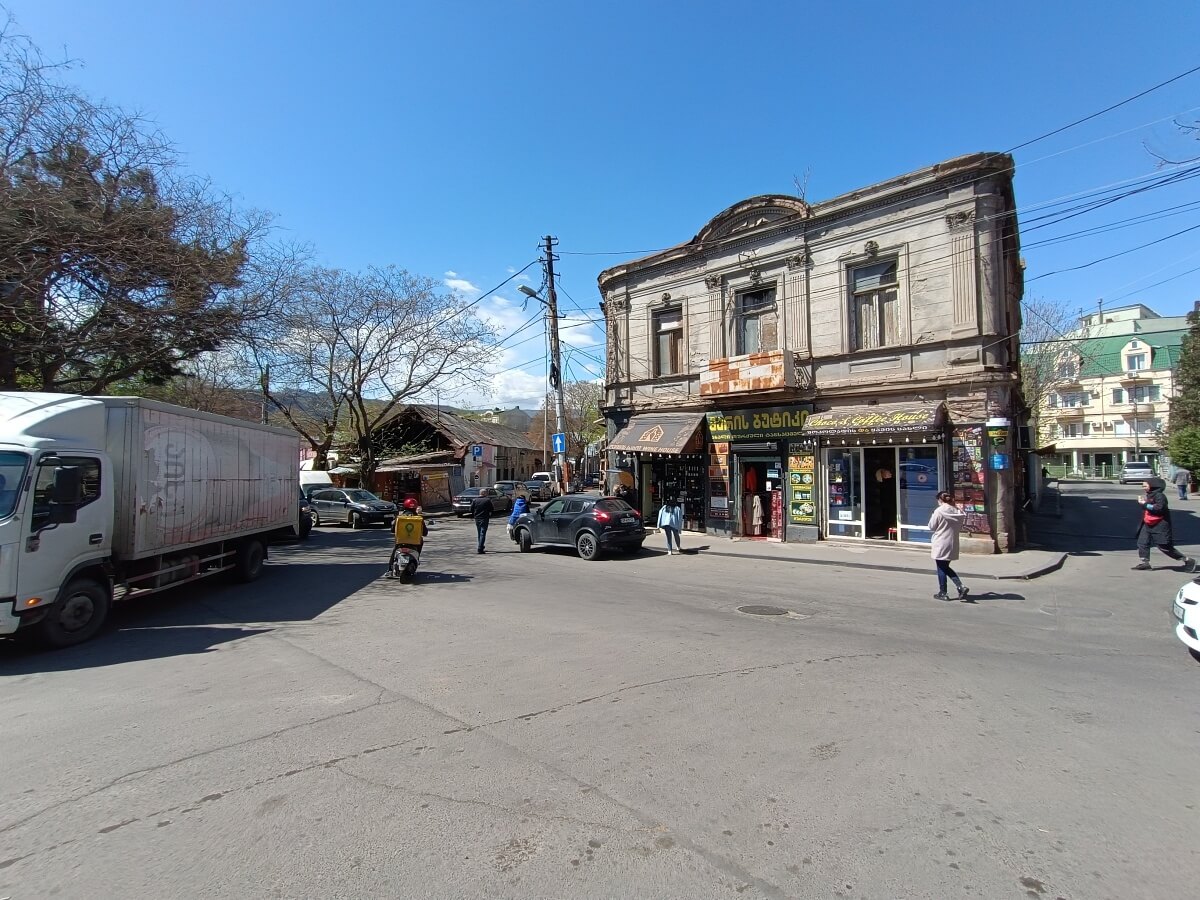
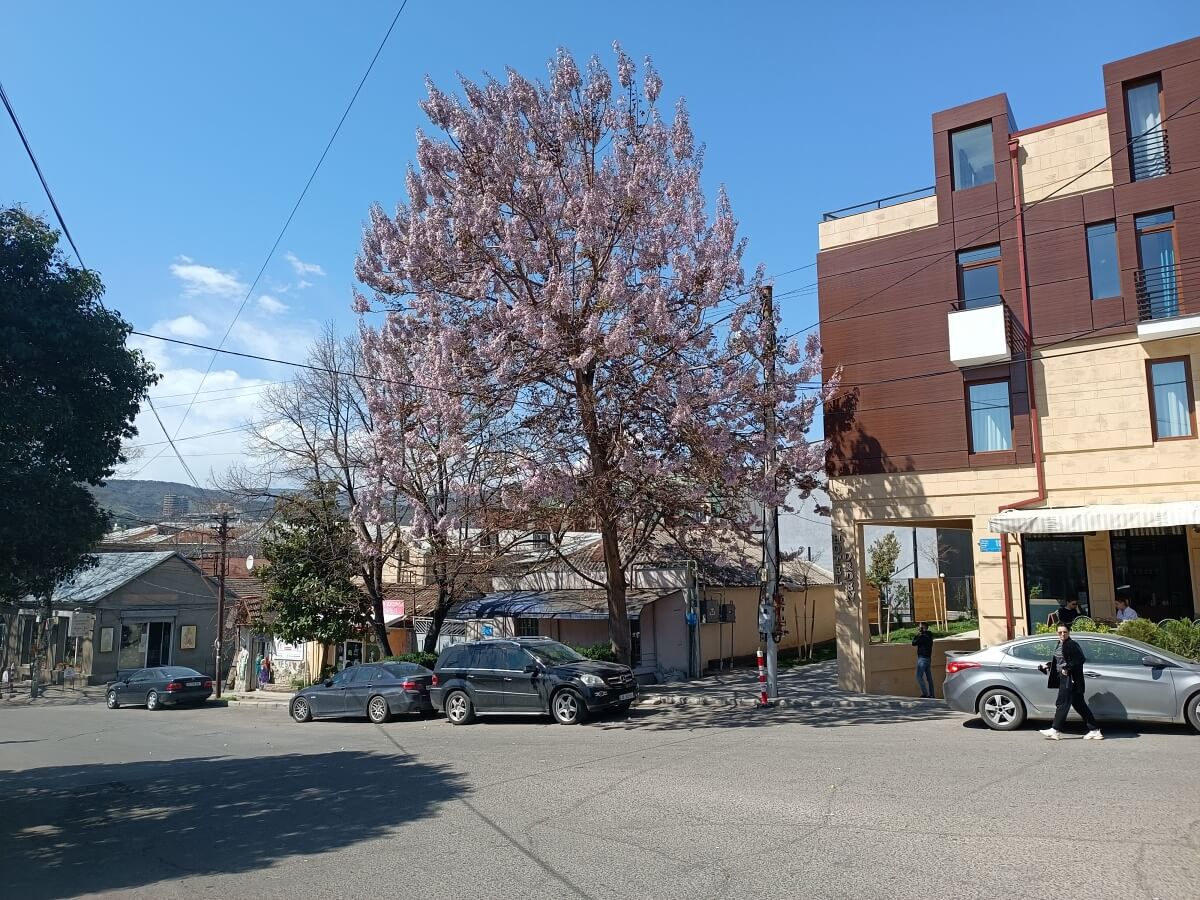
Gradually, the hill transforms into the steep slopes of Mount Makhata, giving Avlabari even more character. The blanket of historic development tightly covers every available piece of land:
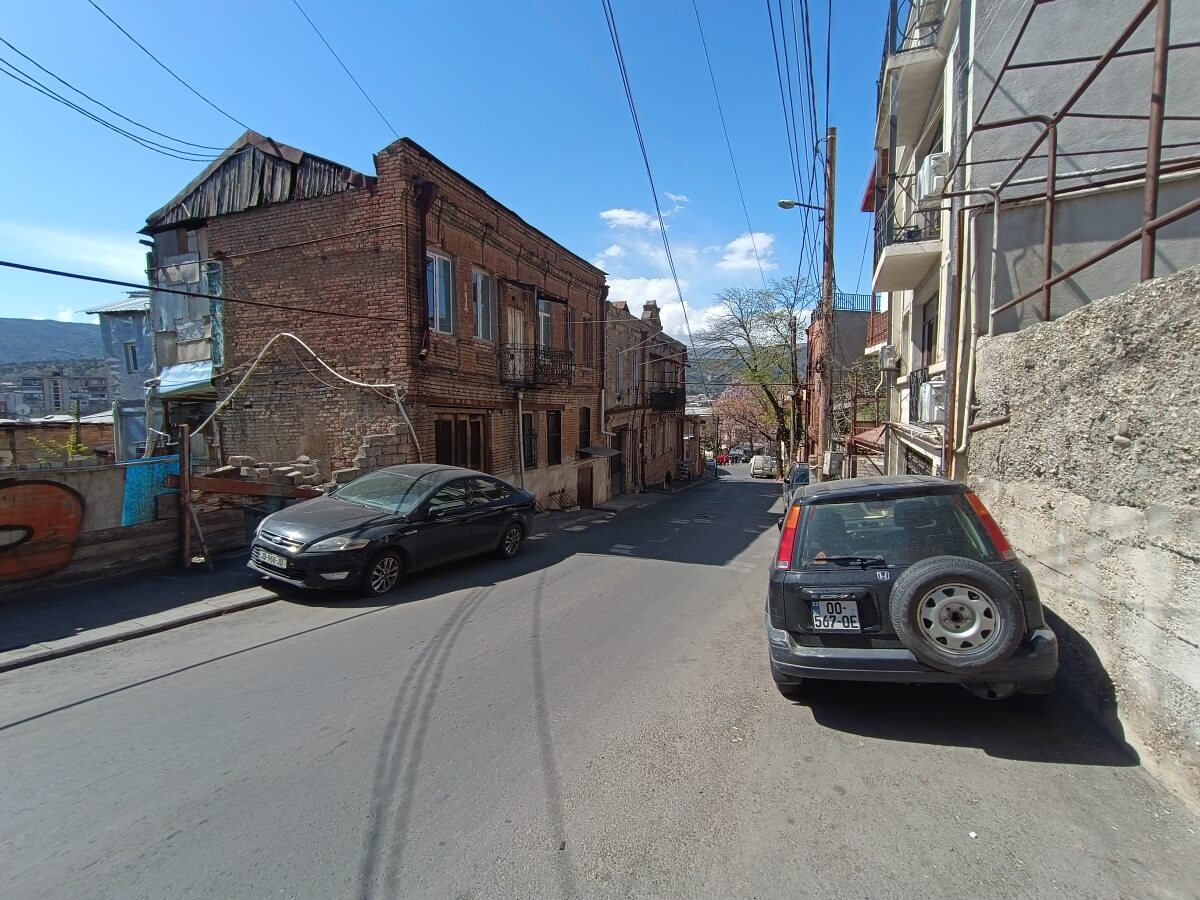
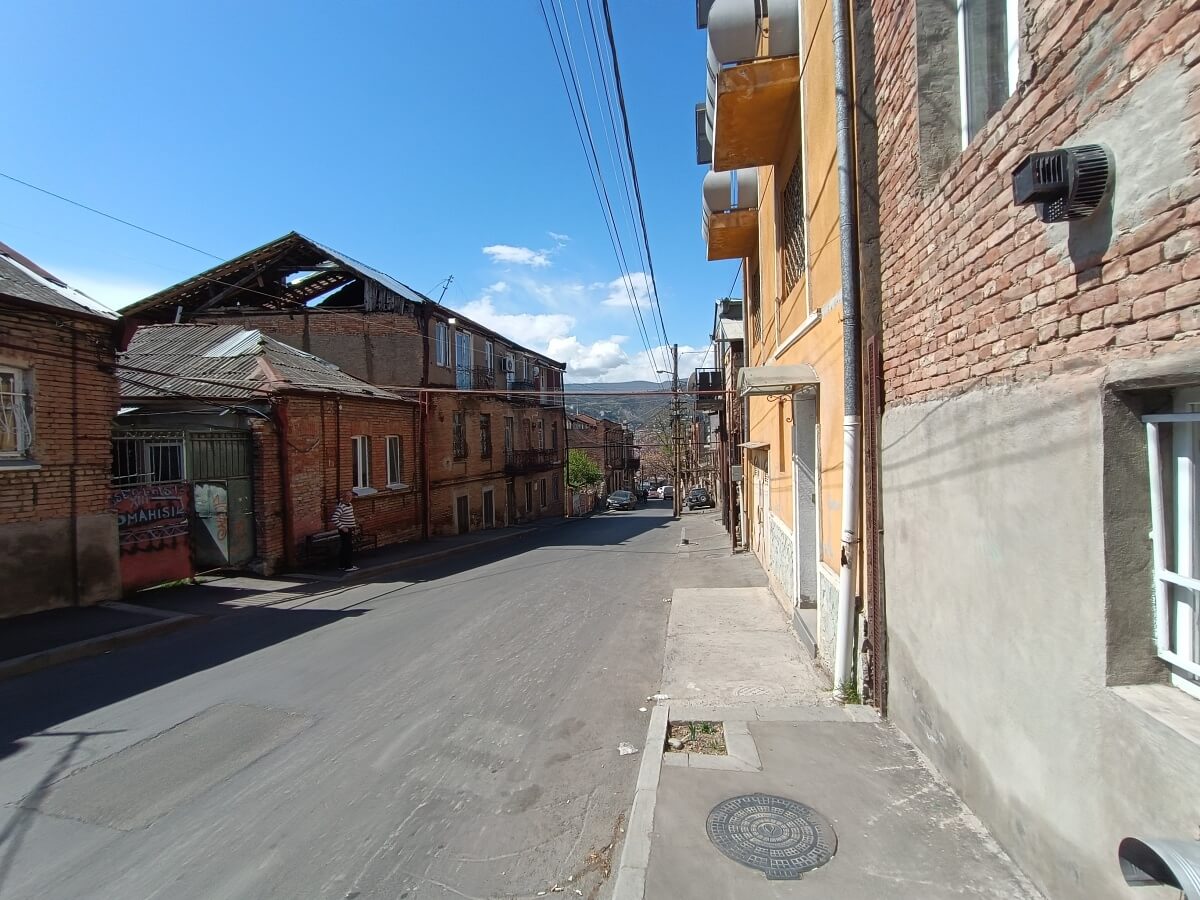
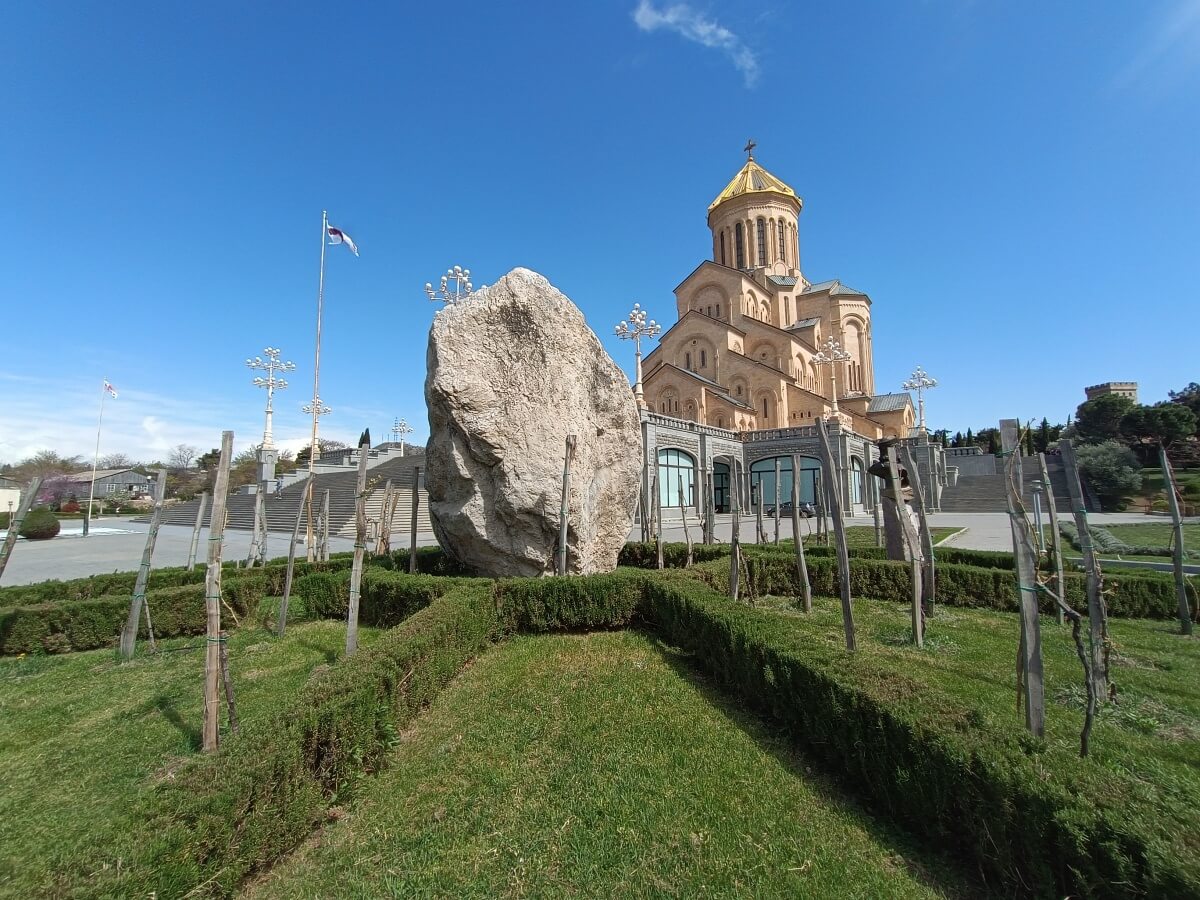
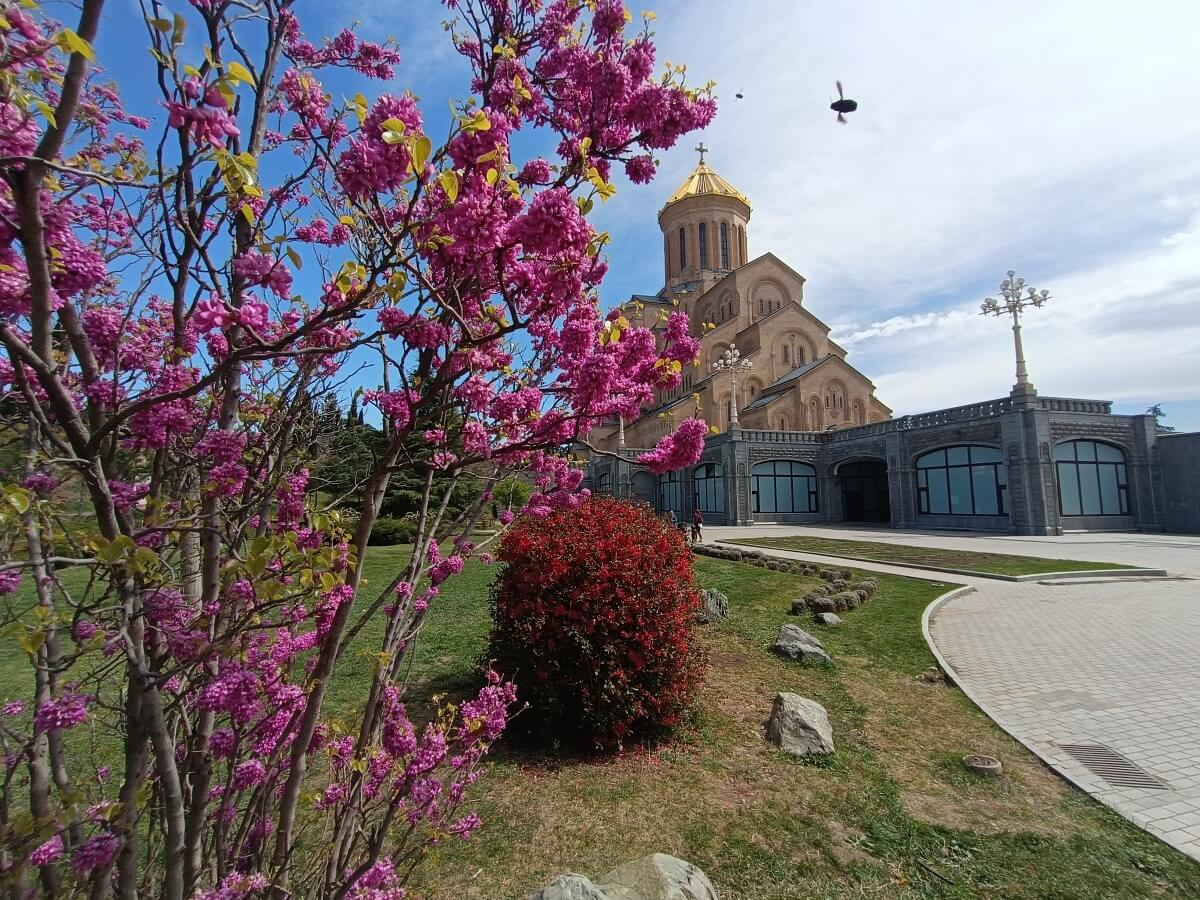
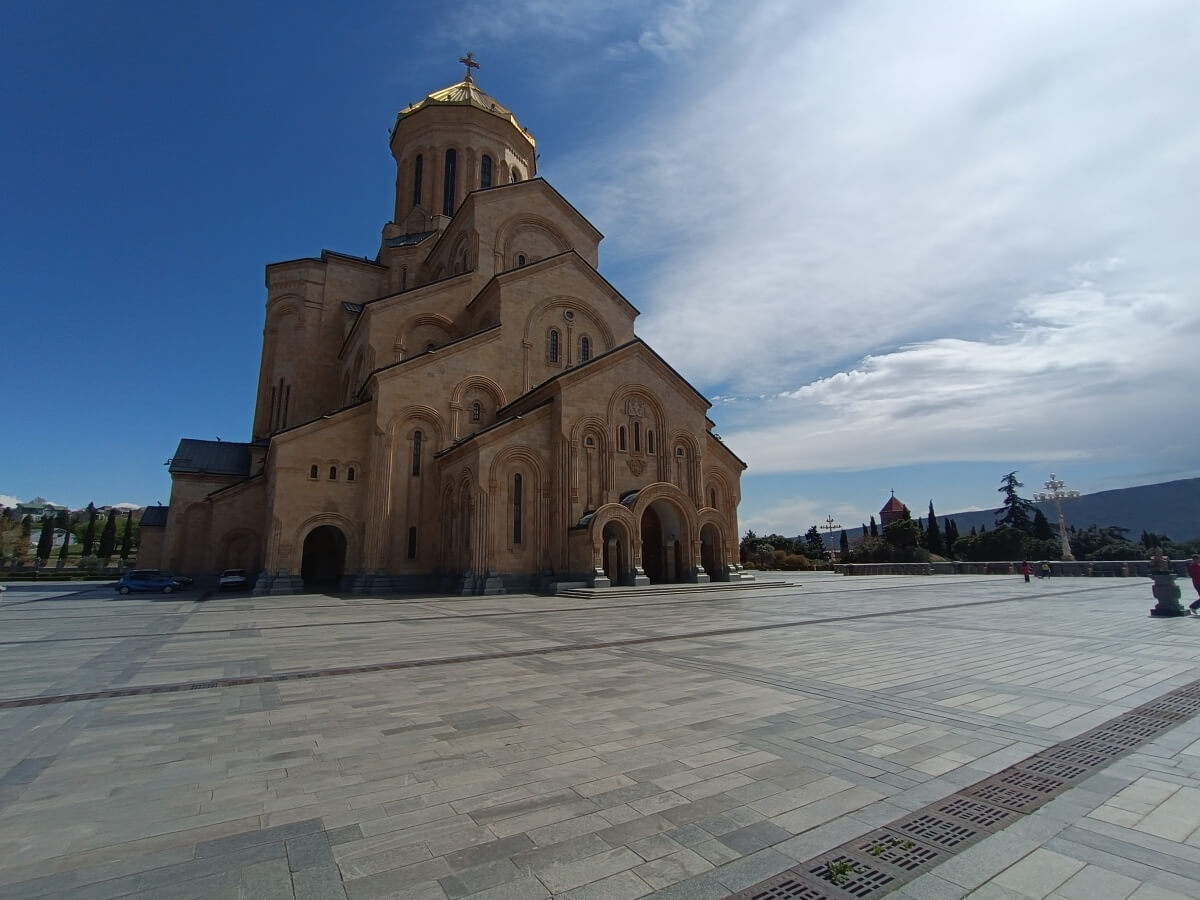
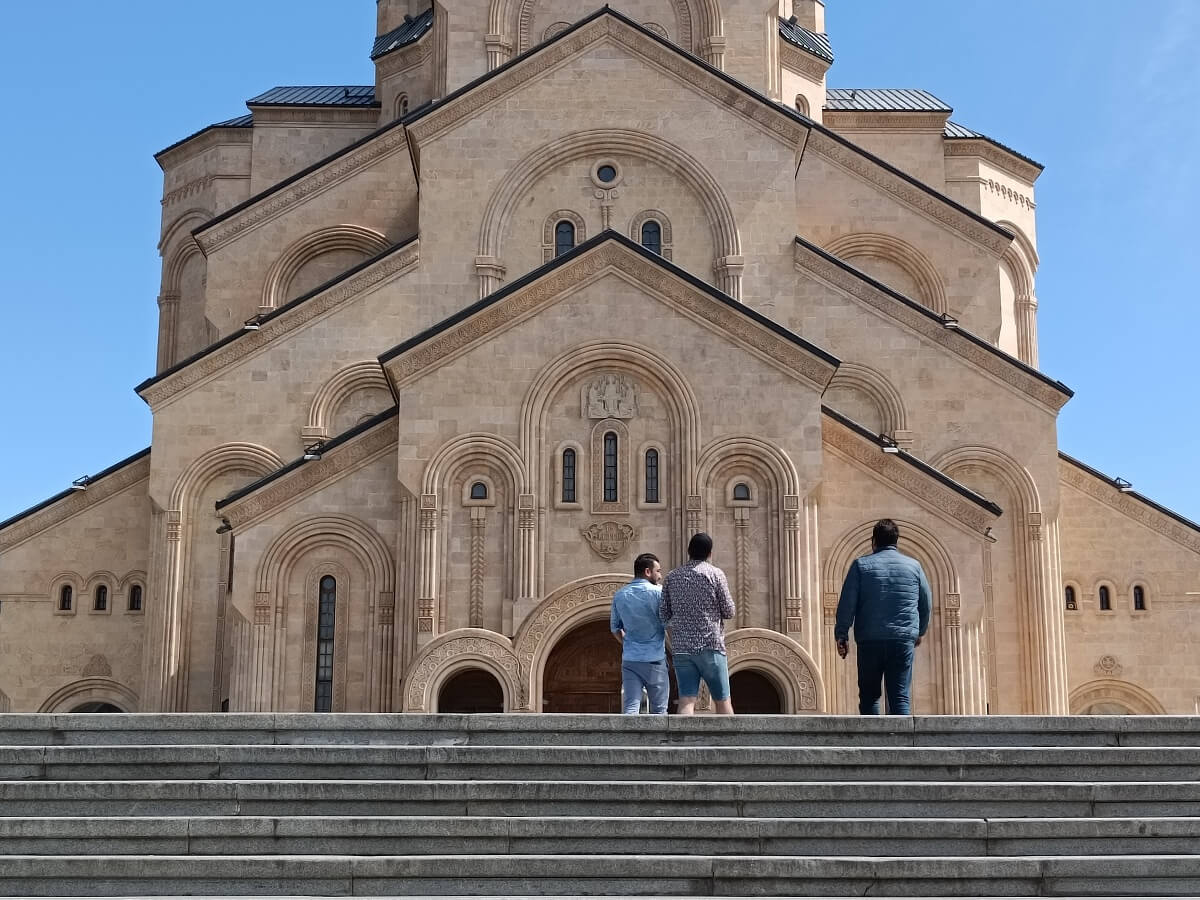
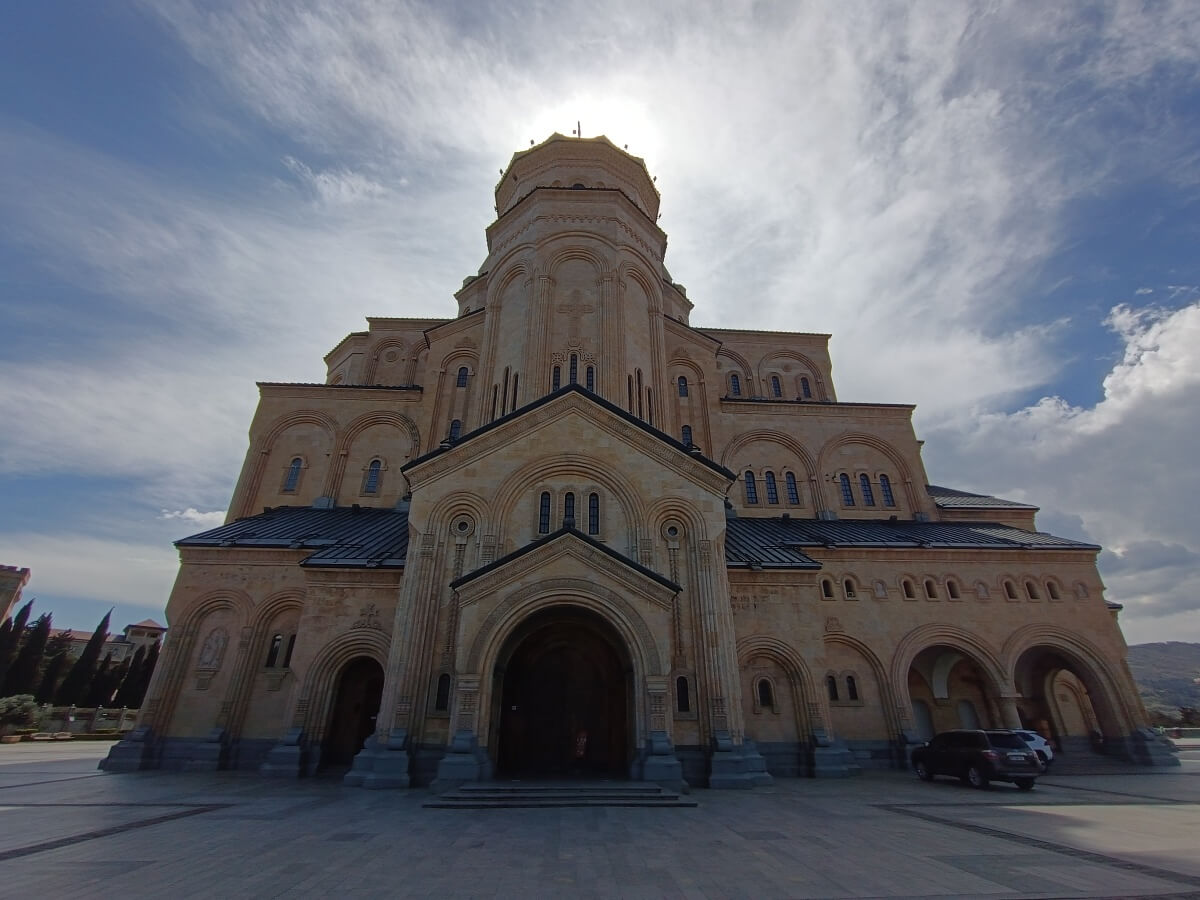
At one of the highest points, the new cathedral of the Georgian Orthodox Church was built in the 21st century, becoming not only one of the city’s architectural landmarks, but also a major tourist attraction. Pilgrims come here to pray, while travelers come to admire the views and atmosphere.
The cathedral complex occupies a vast part of Avlabari and is itself a remarkable architectural achievement. Sameba is more than just a church — it is also a park, a viewpoint, and a spiritual place of significance.
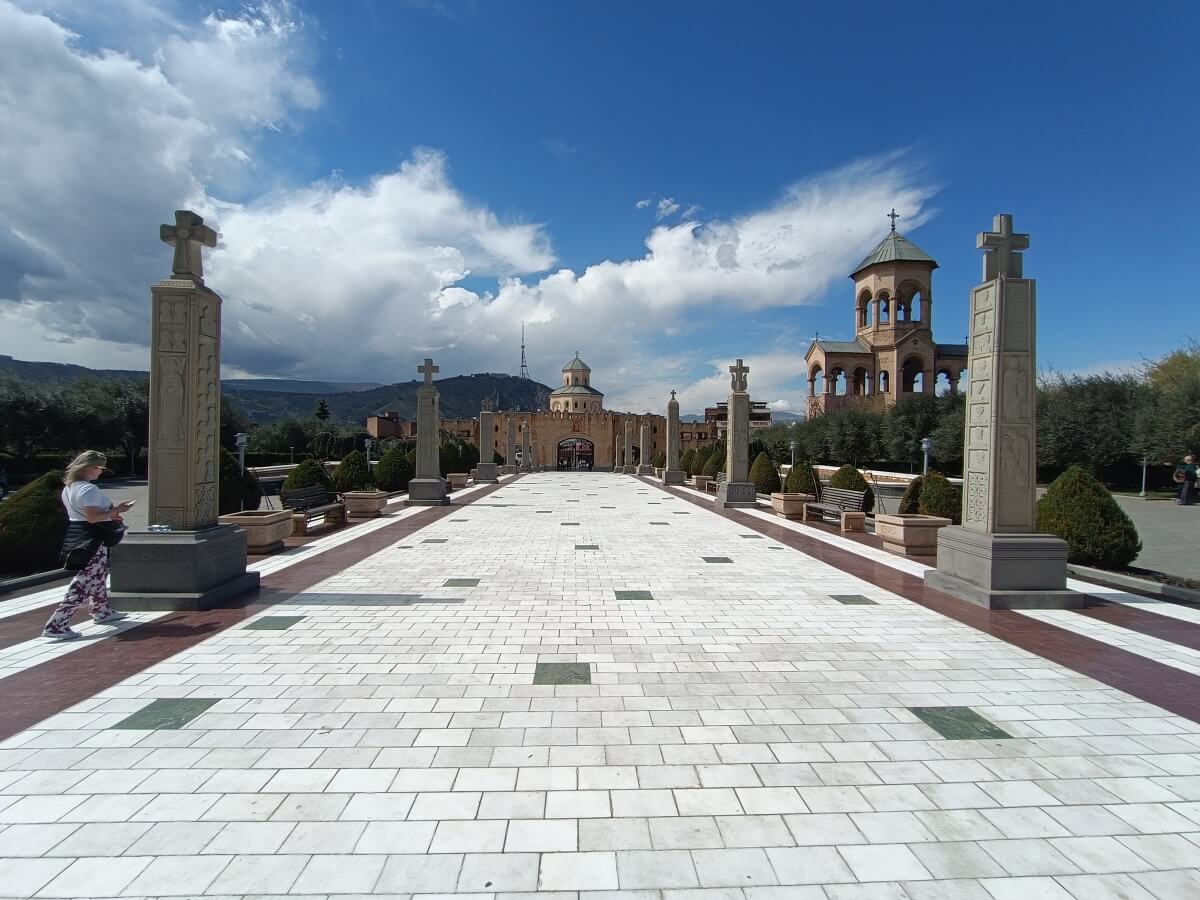
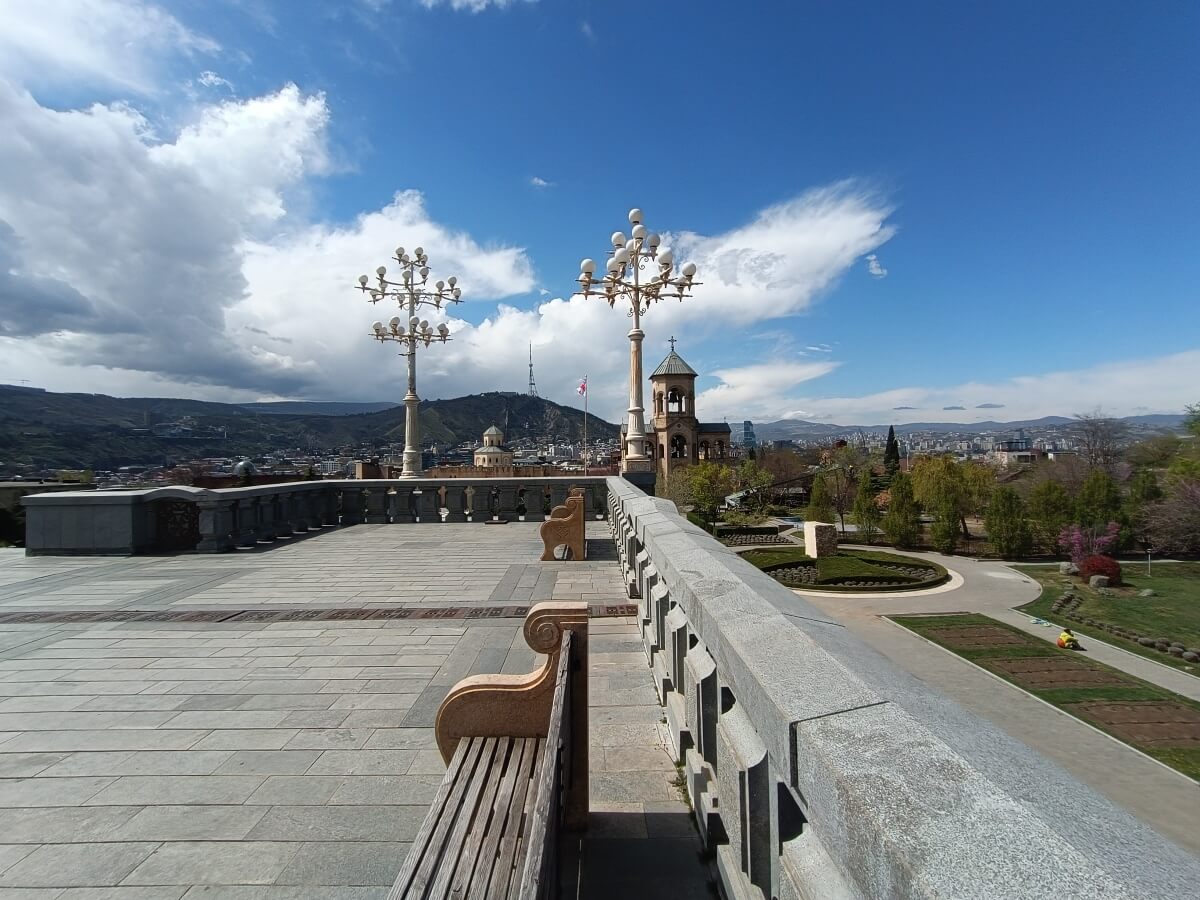
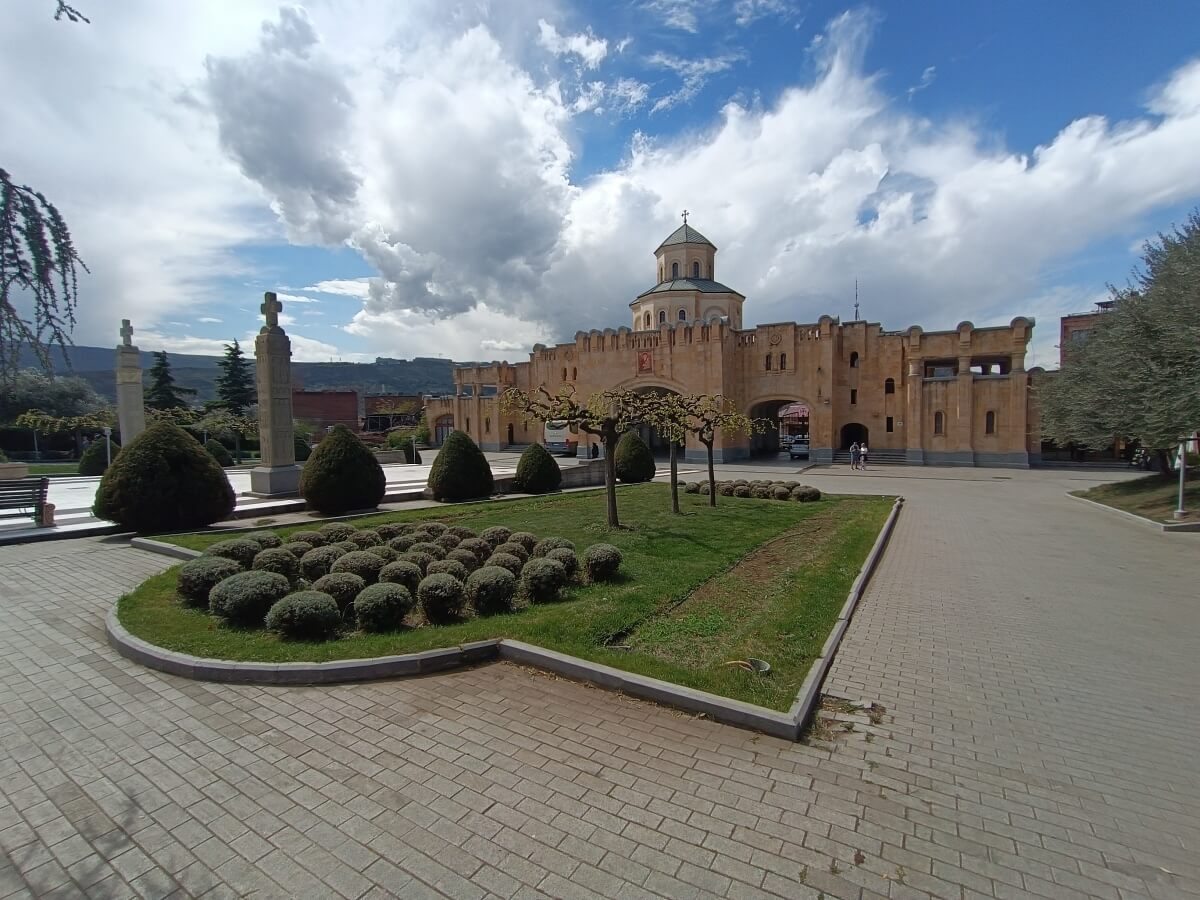
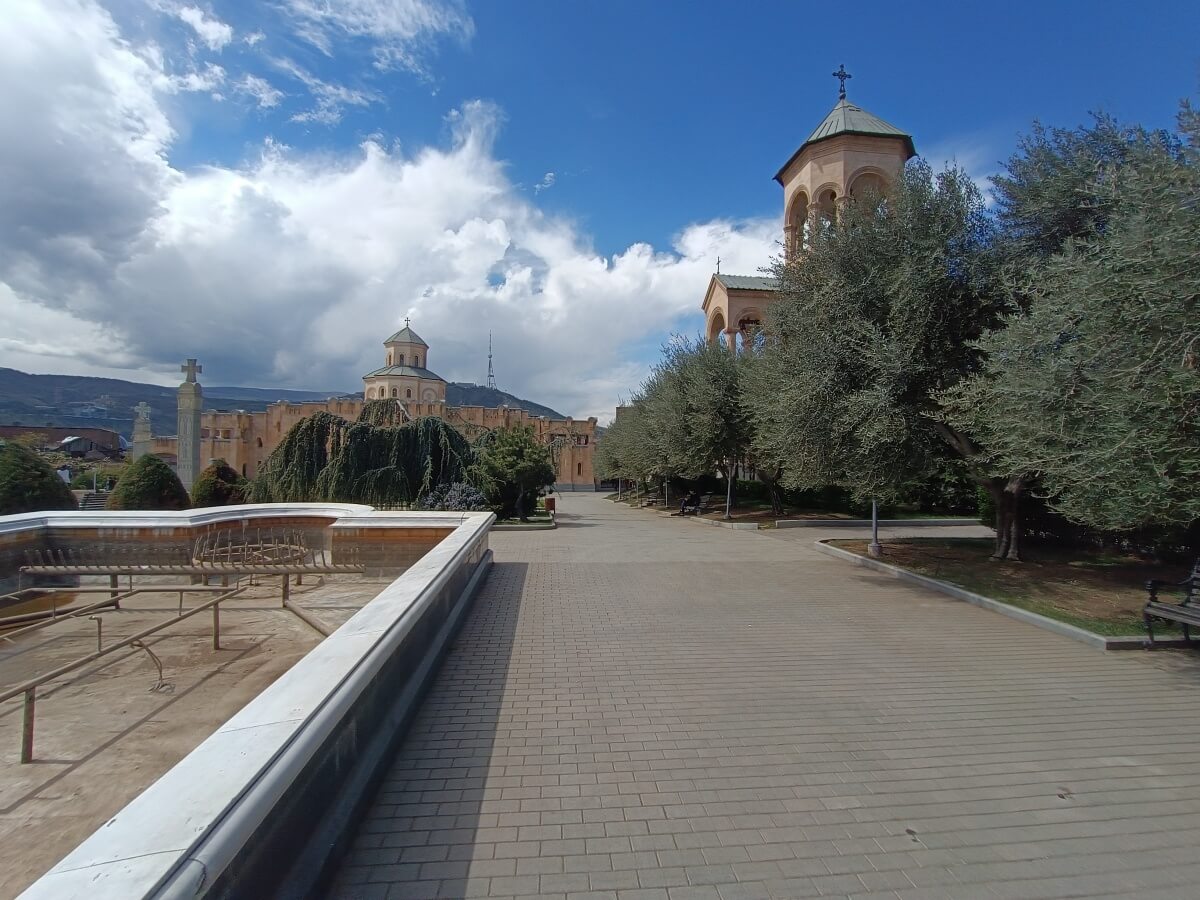
The cathedral itself:
But let’s continue higher. Avlabari keeps climbing along the mountain slopes:
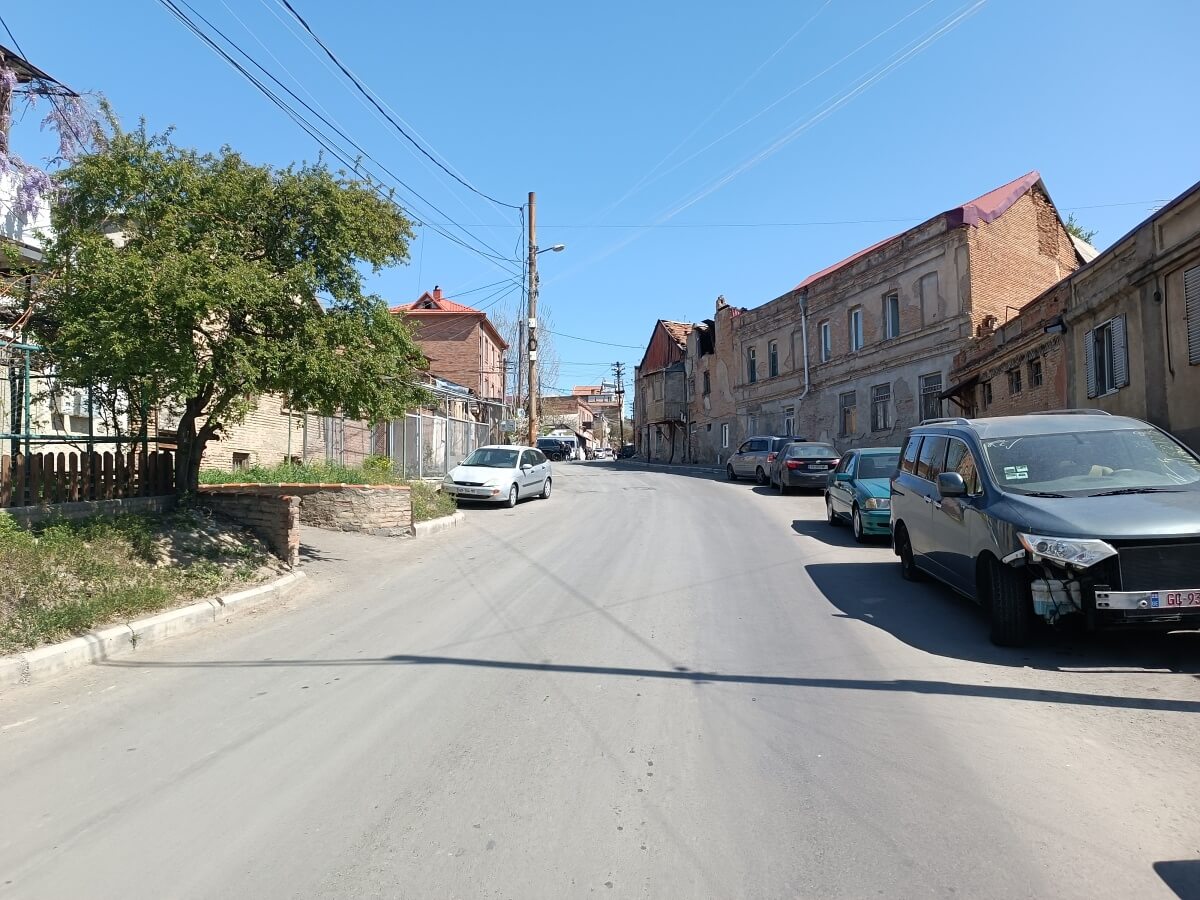
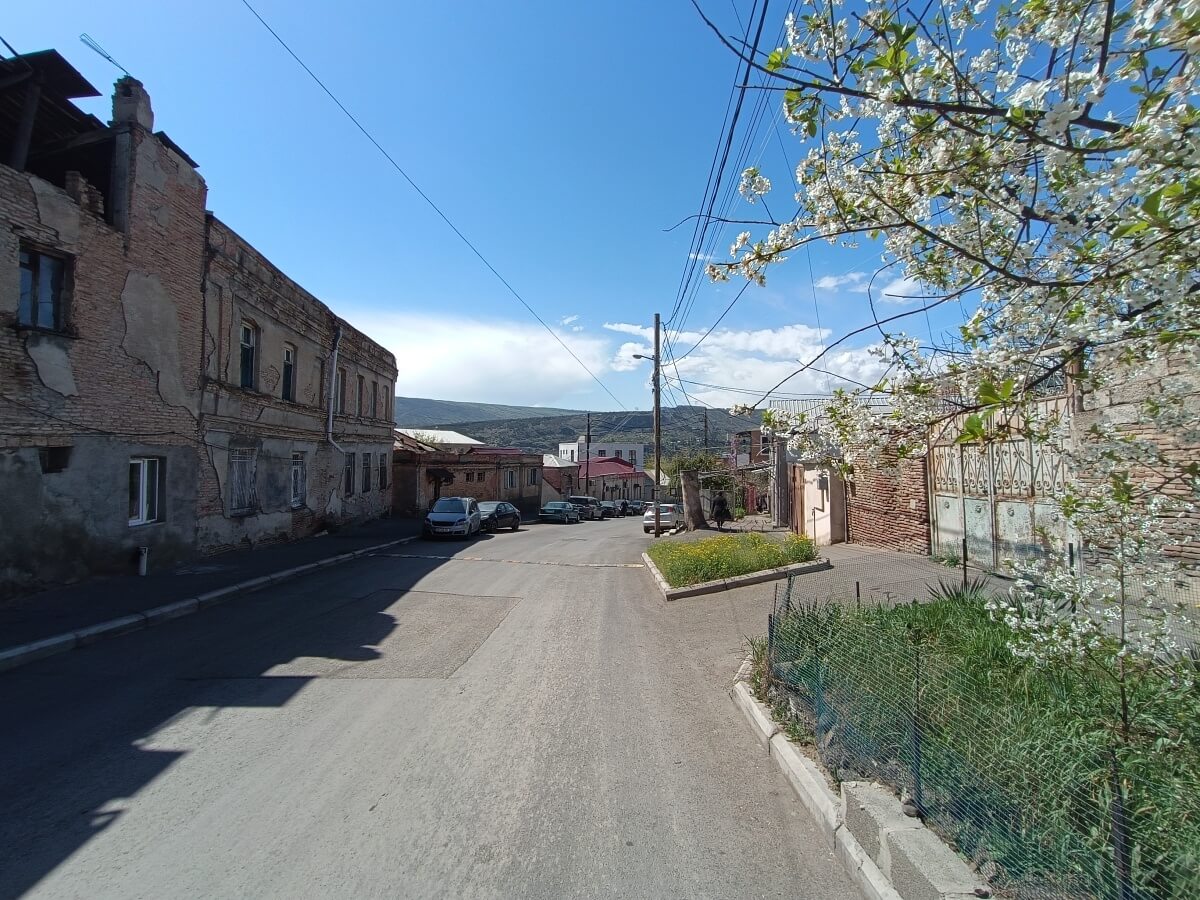
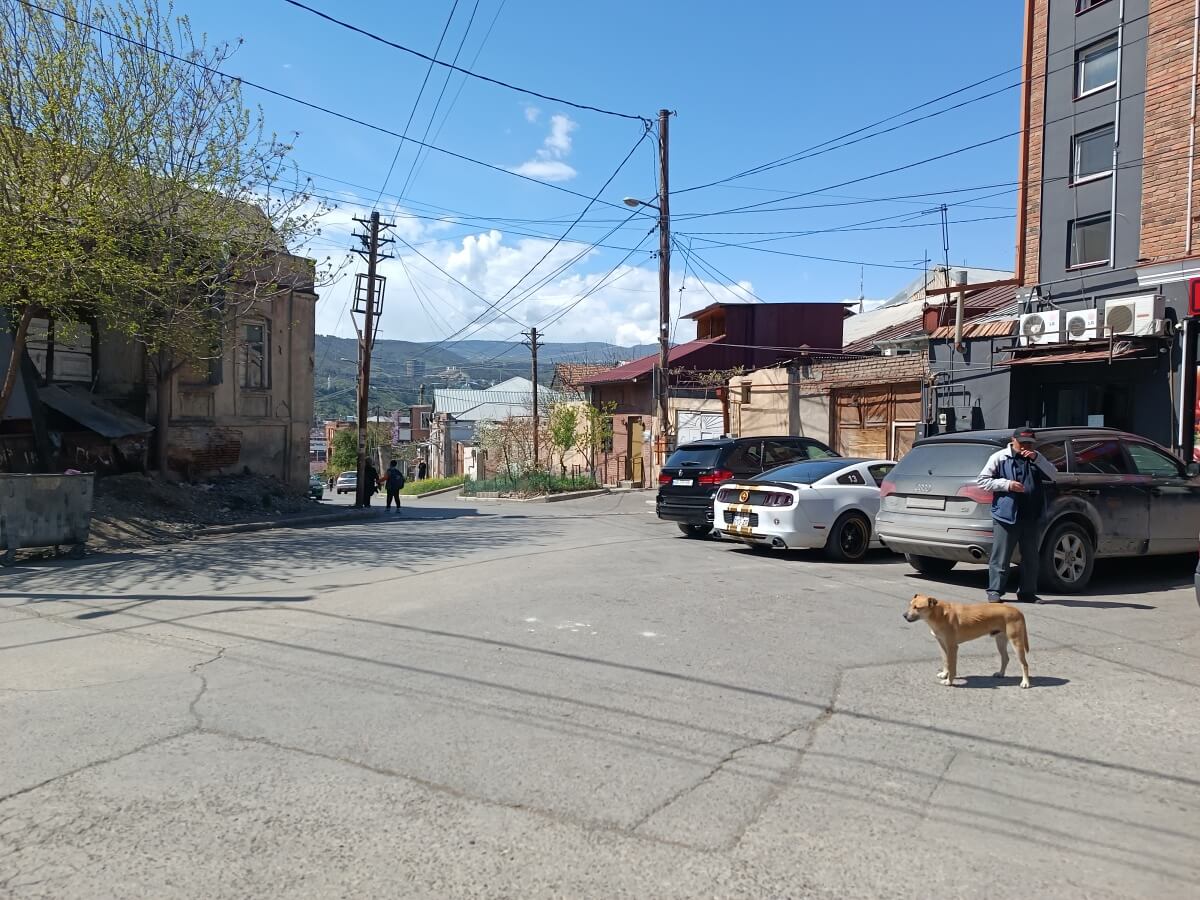
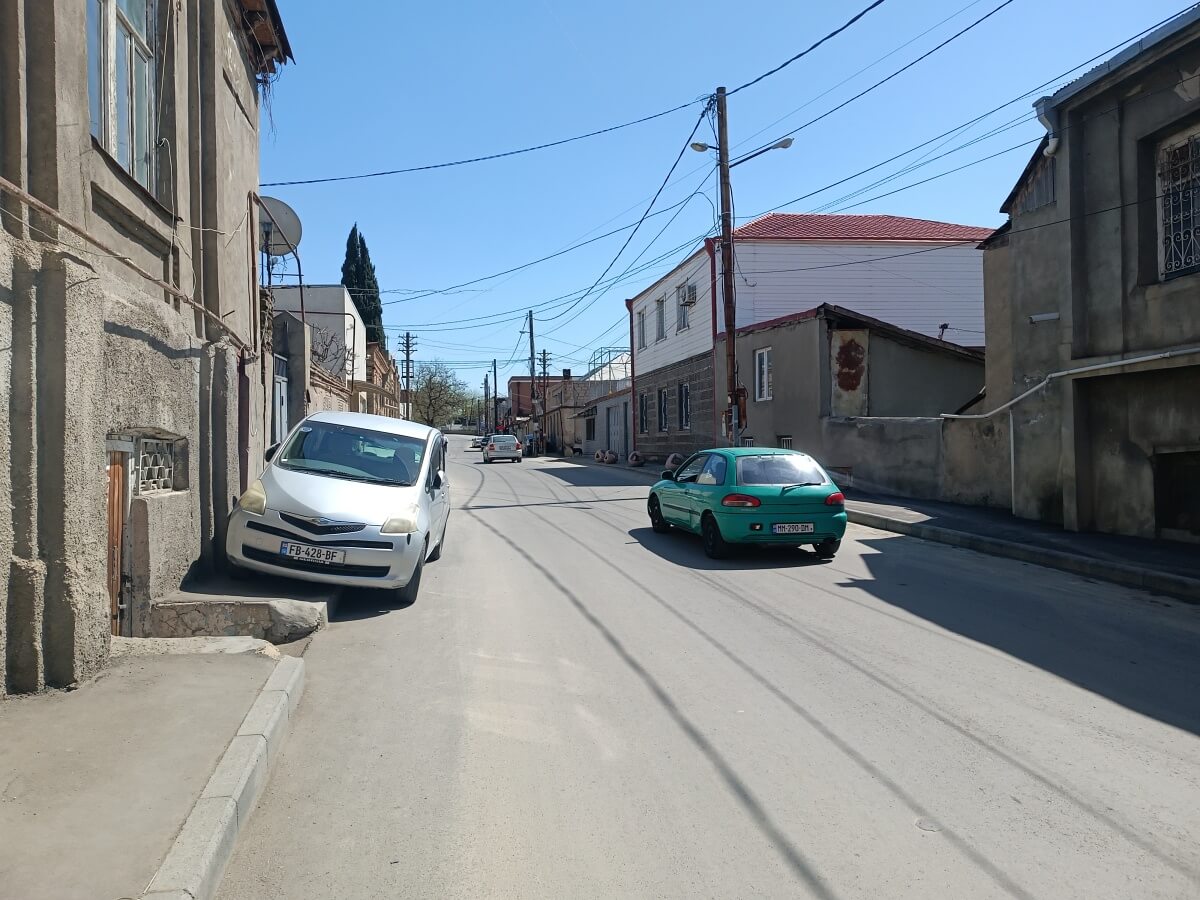
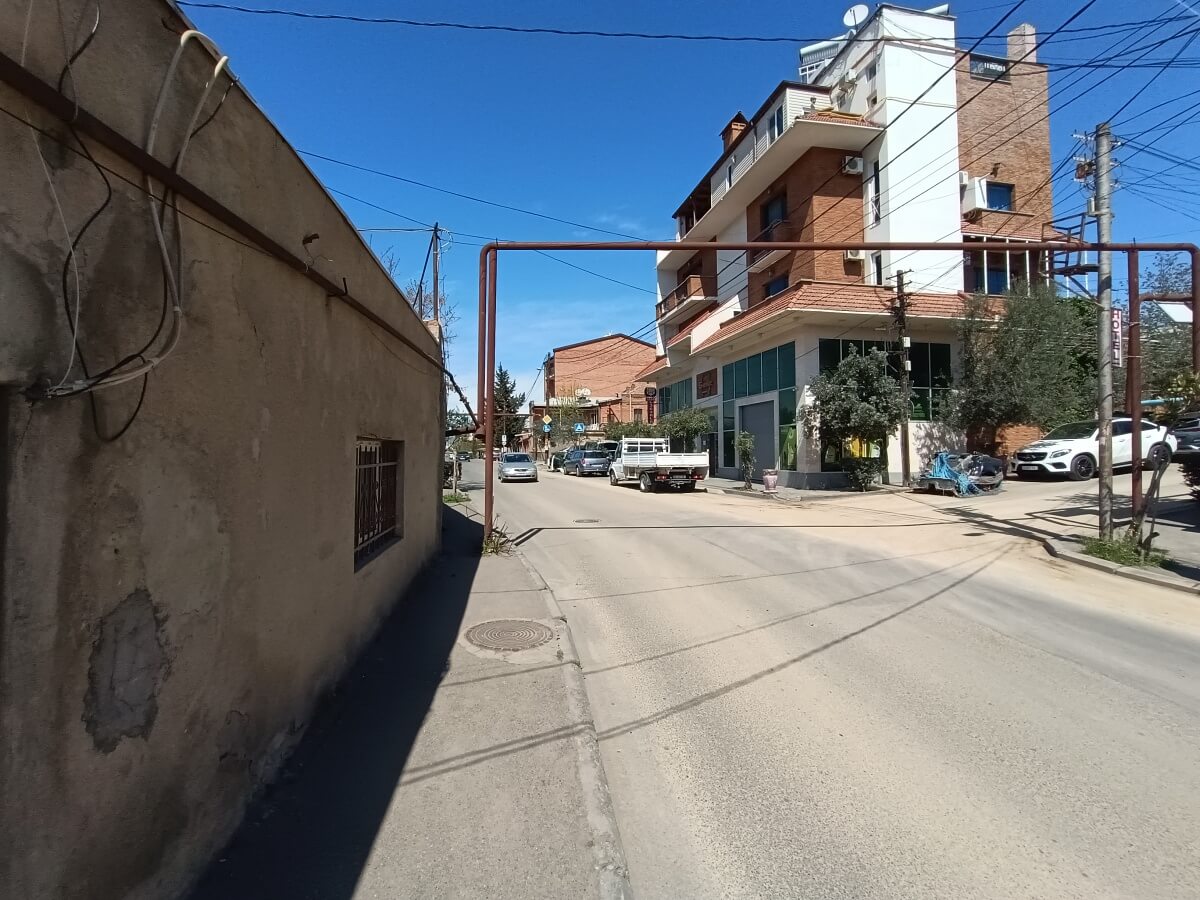
Eventually, the district reaches its northern edge, defined by the Tbilisi–Baku railway line. The railway runs through a deep cutting and is crossed by several bridges:
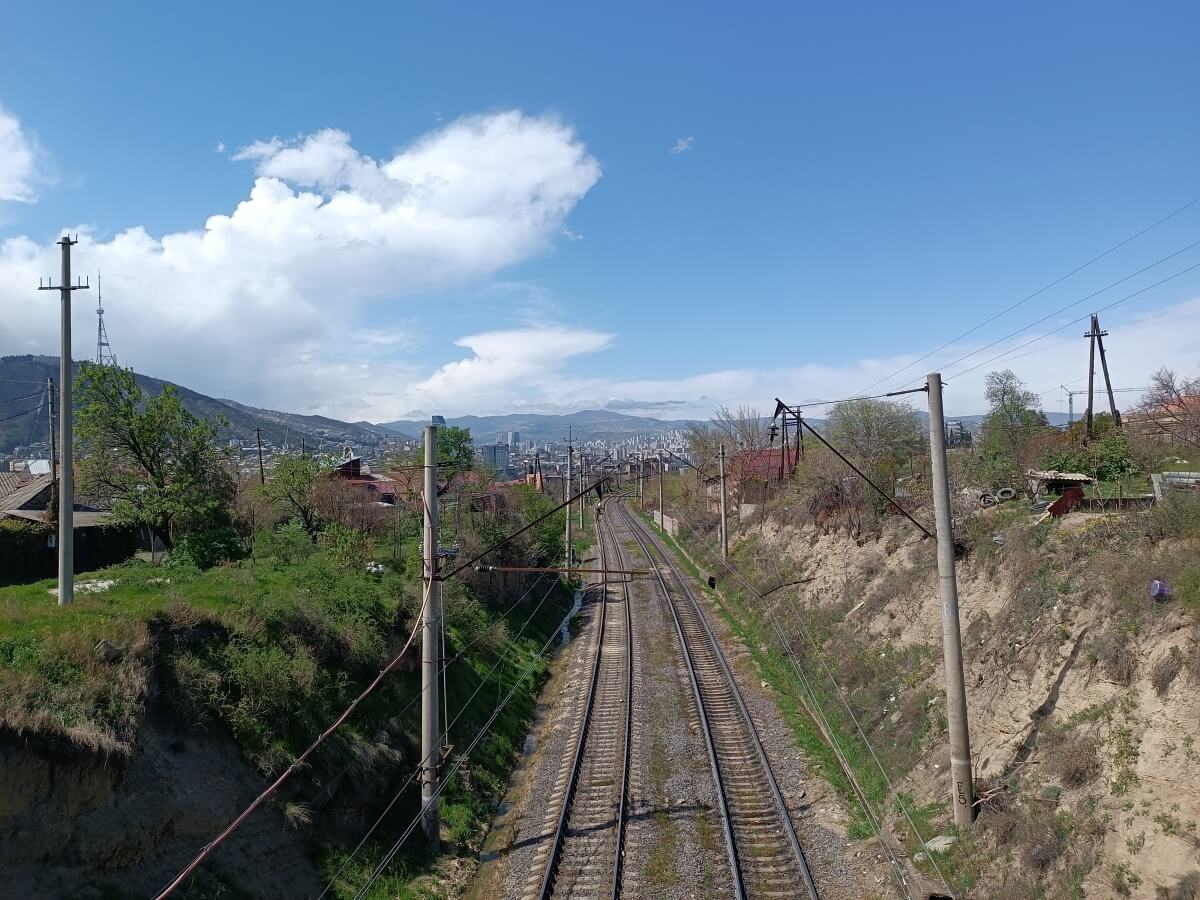
Beyond the railway lies Elia — a much younger district than Avlabari, still continuing to develop on the highest slopes of Mount Makhata. The already modest building heights become even lower here, though Soviet-era apartment blocks begin to appear among the smaller houses.
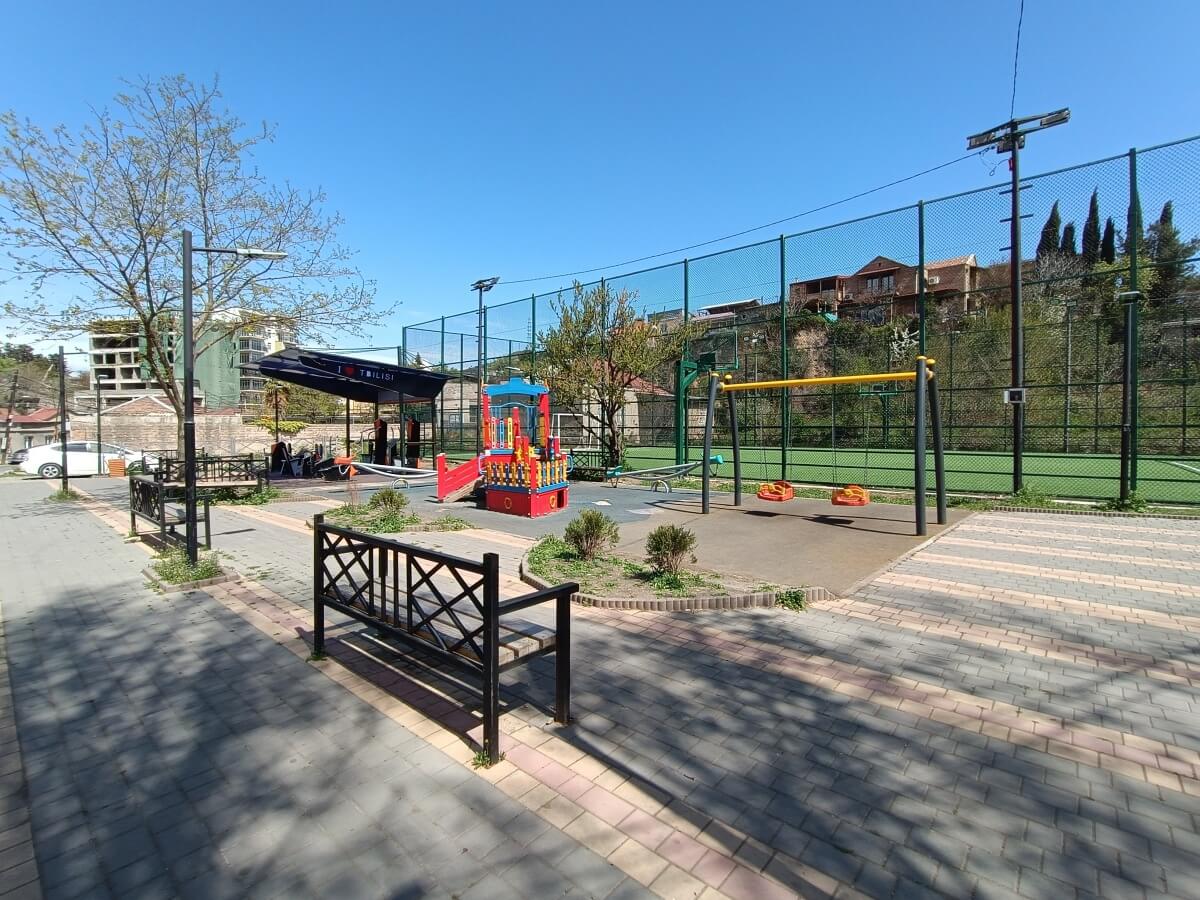
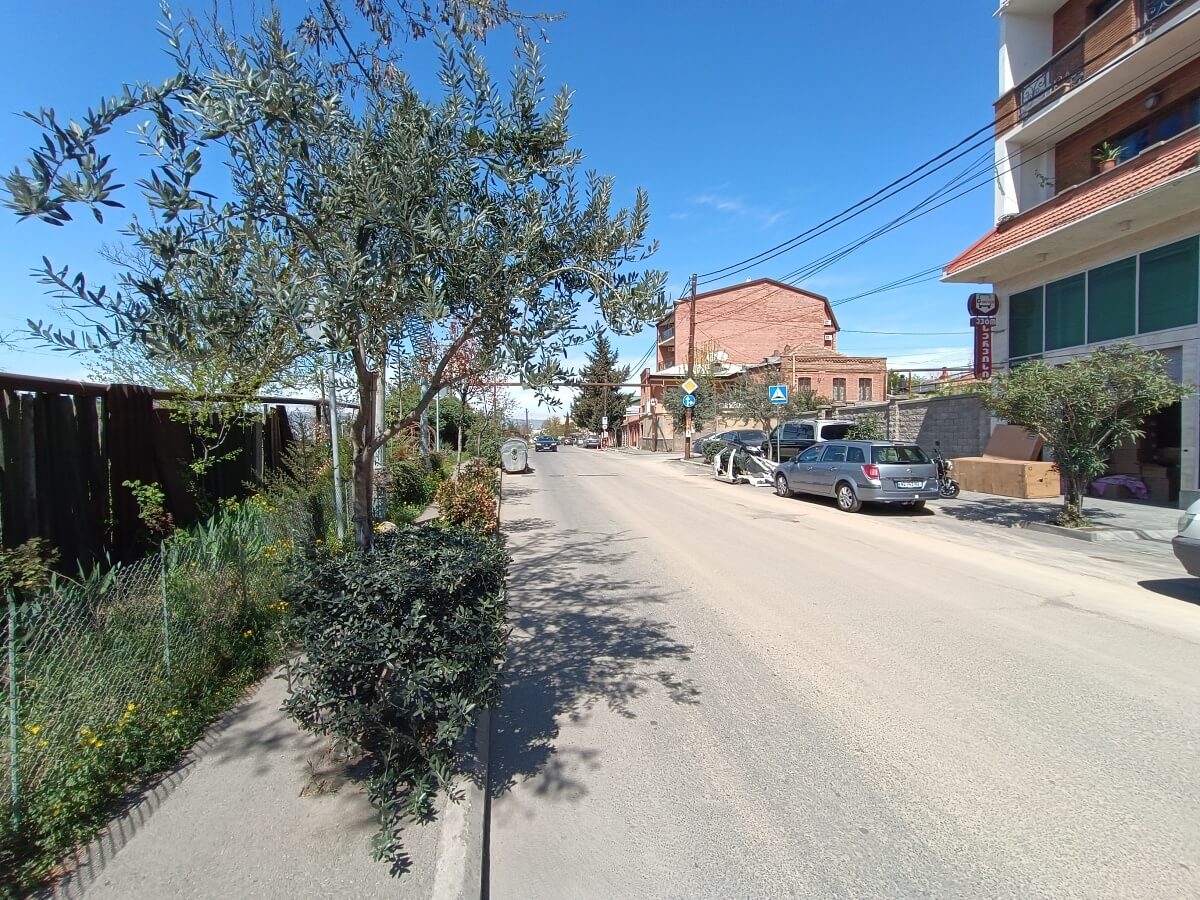
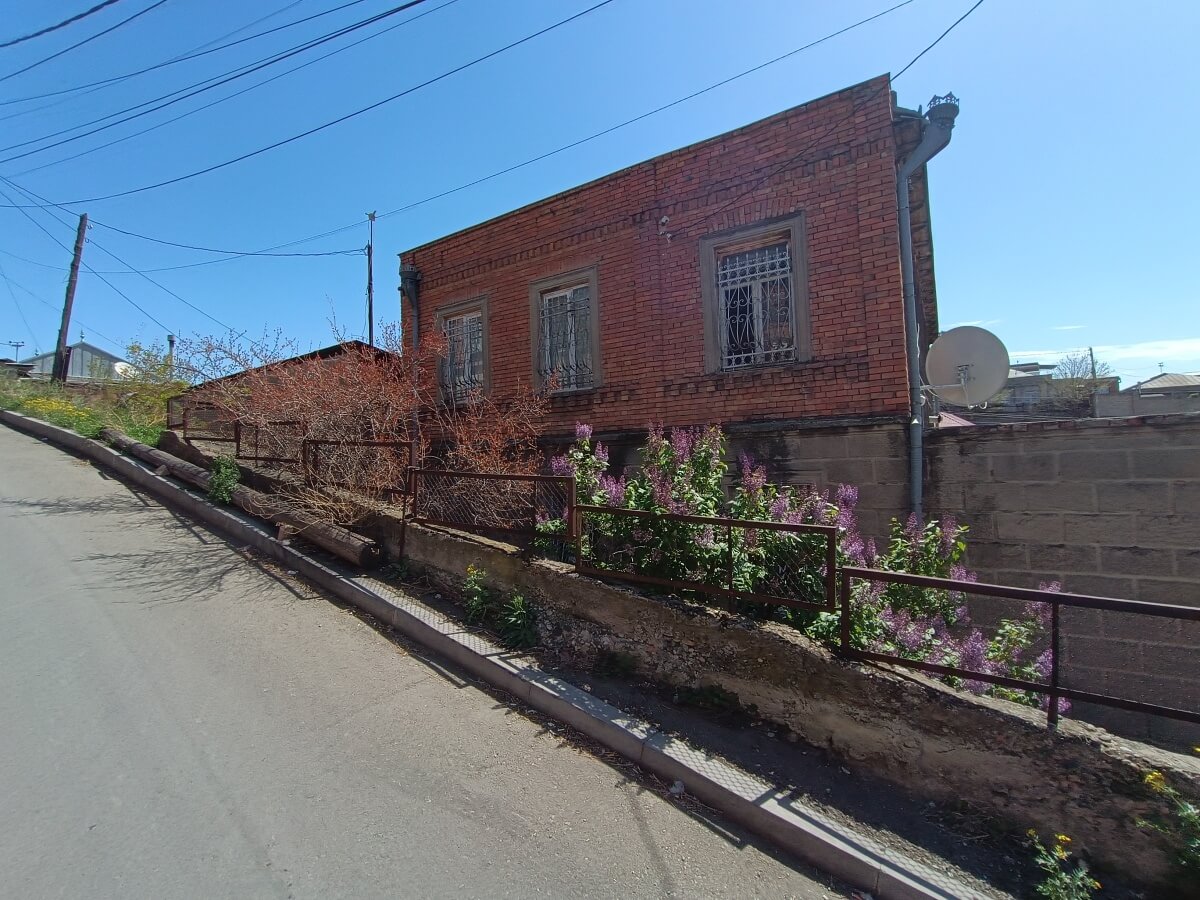
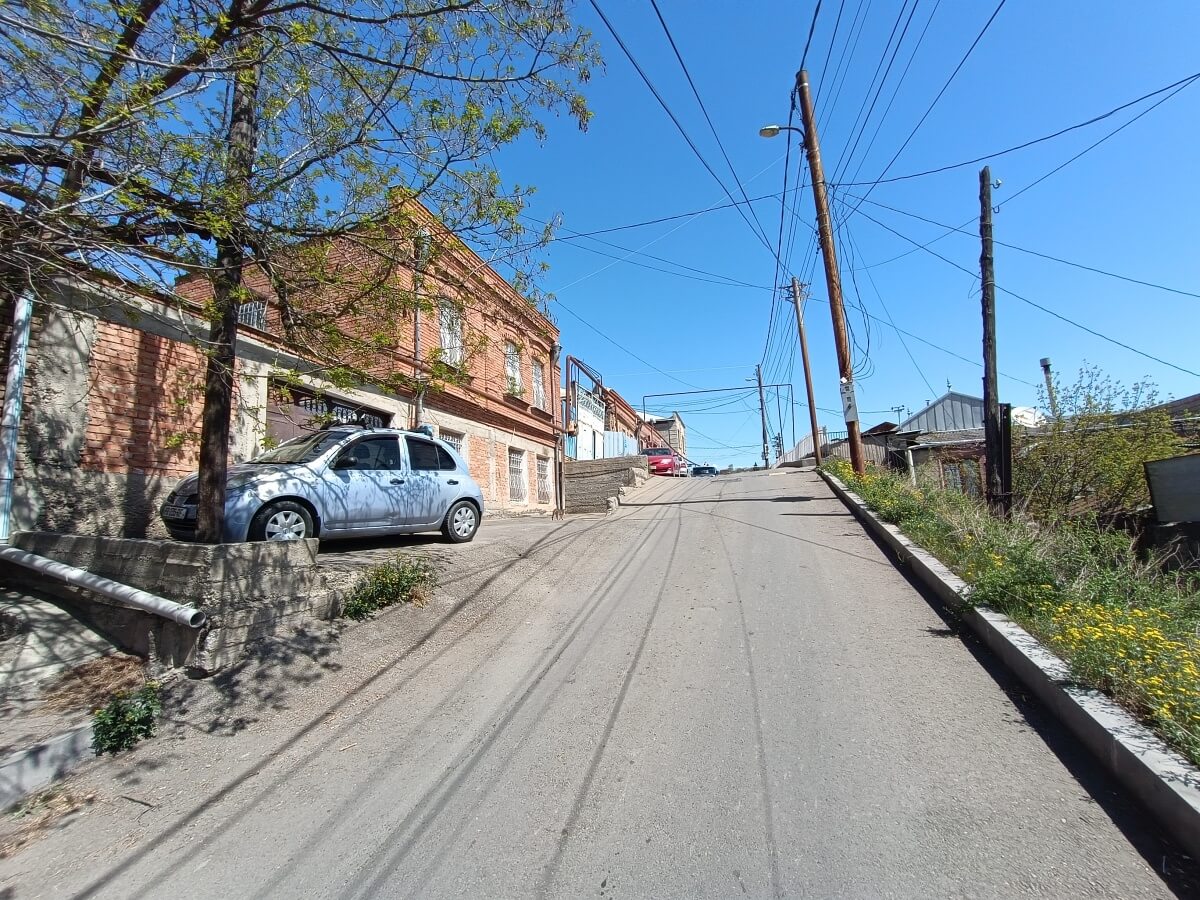
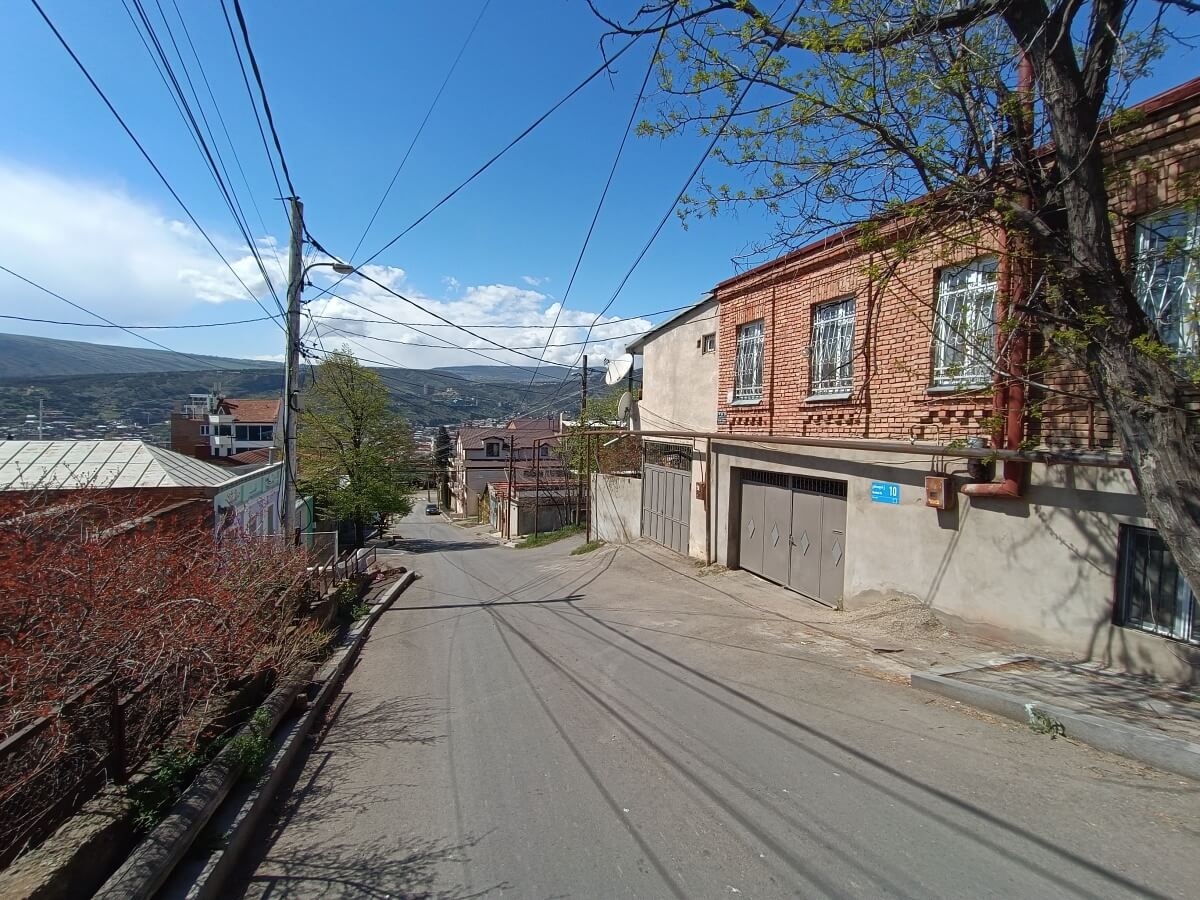
Despite the difficult terrain and the challenges of construction on such steep land, there is virtually no vacant space left in Elia. Some streets are so steep that walking along them can be exhausting.
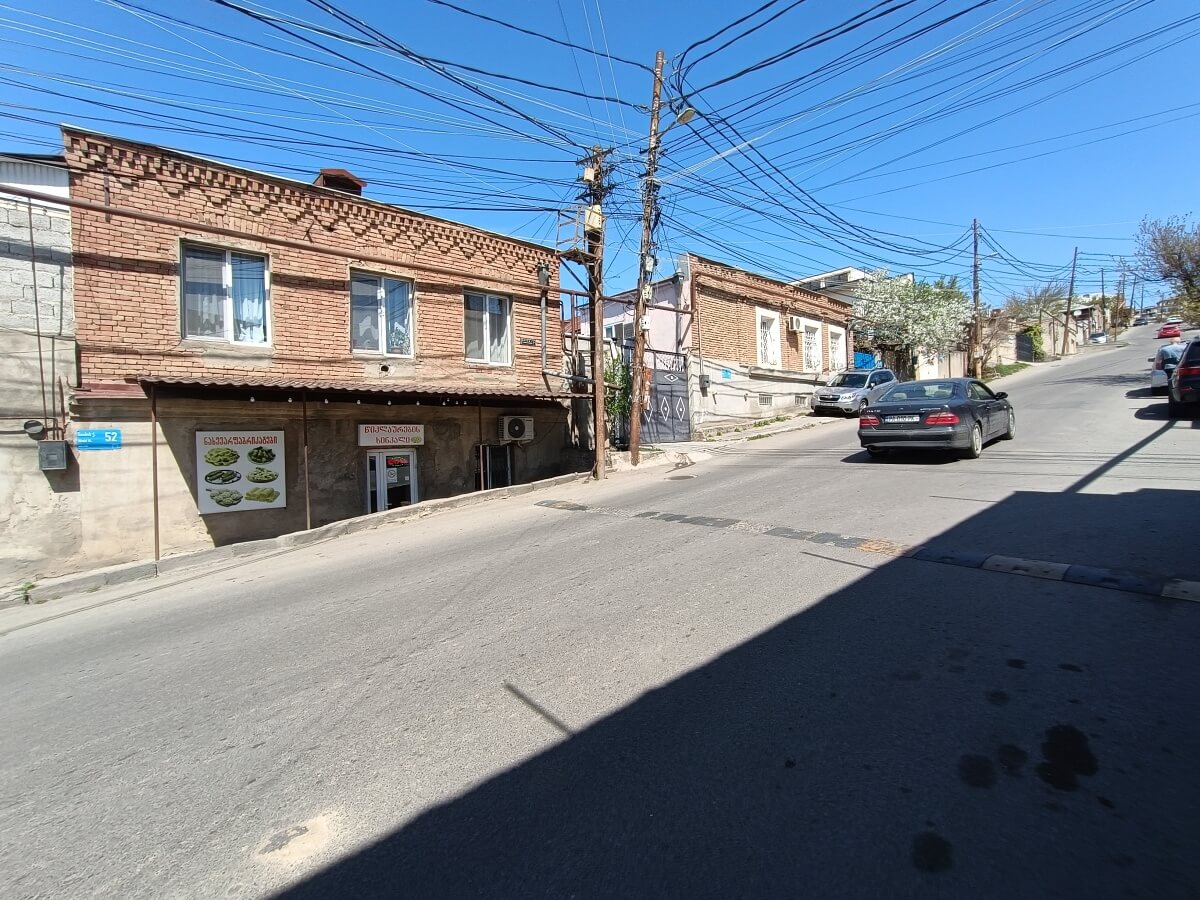
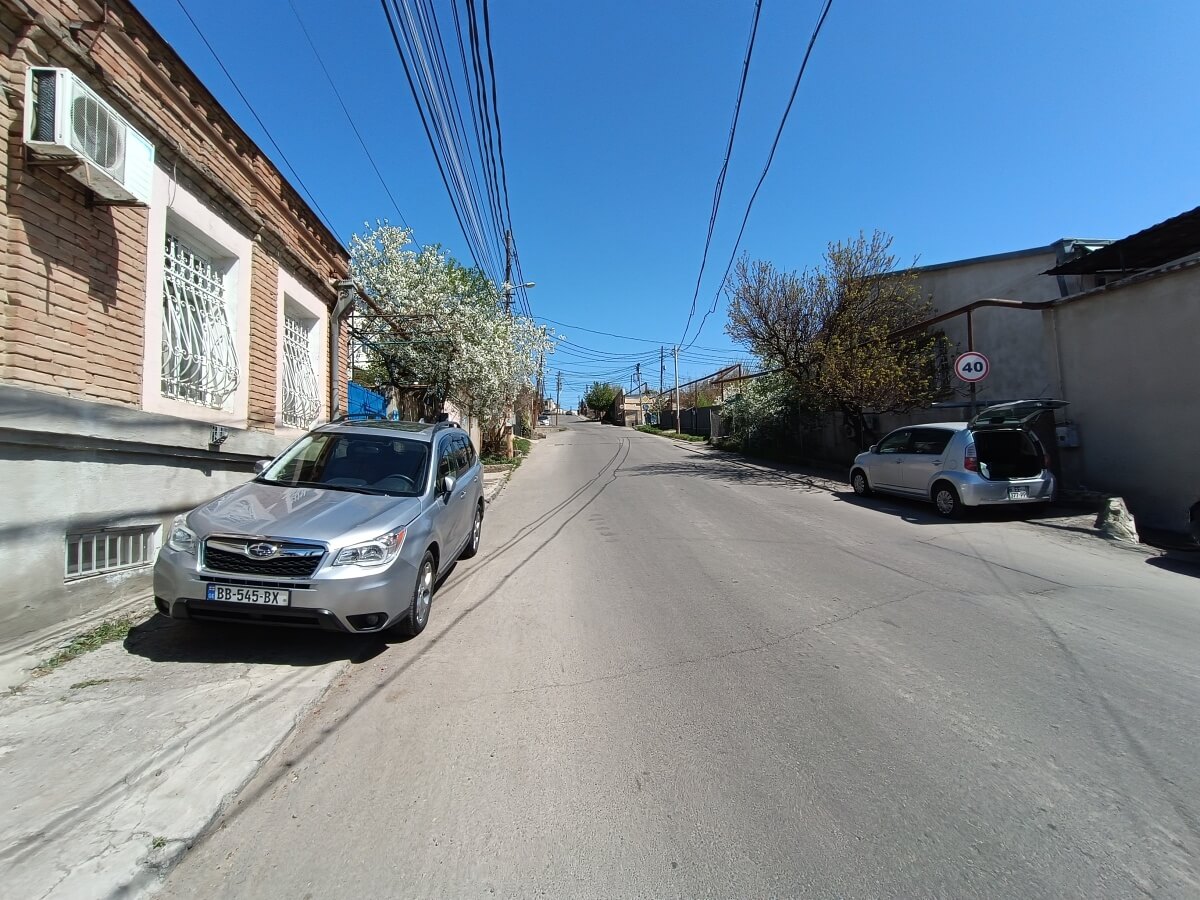
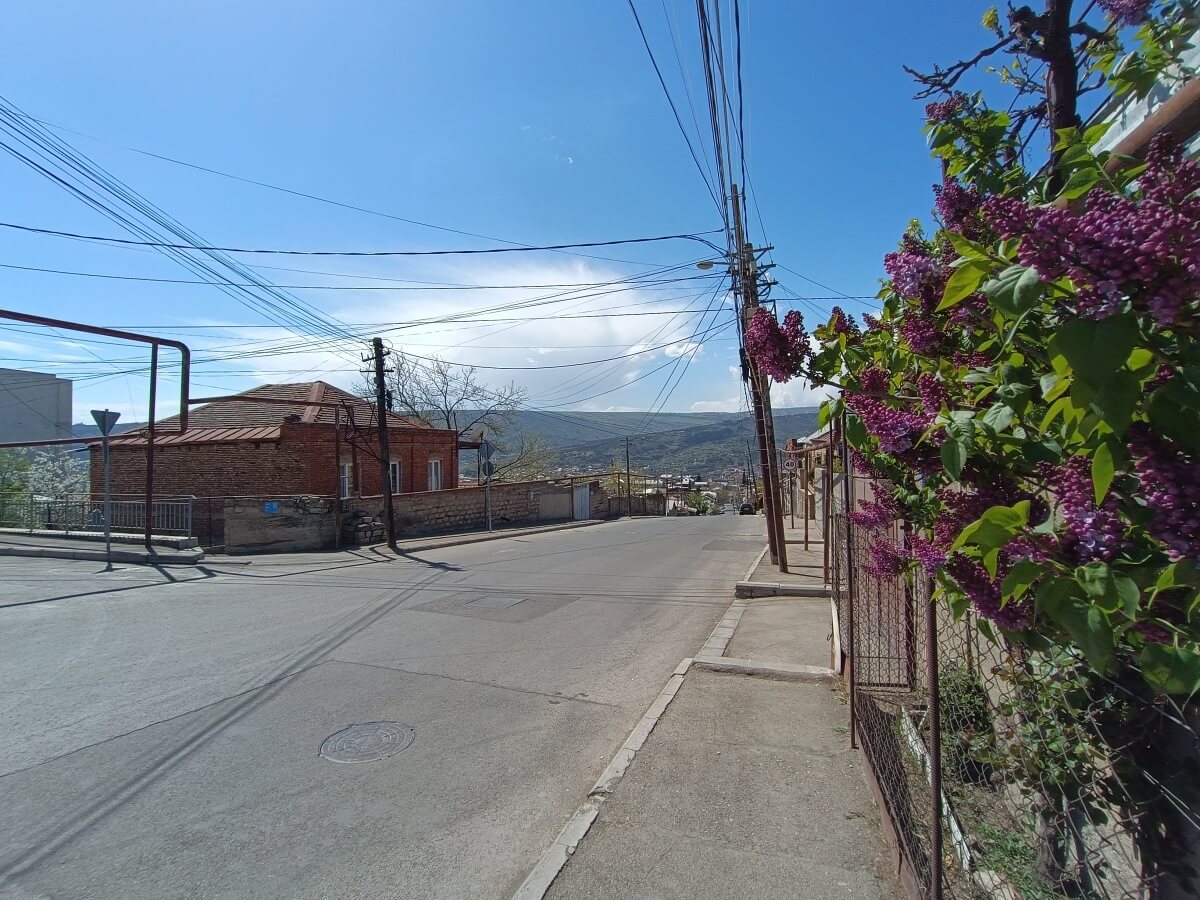
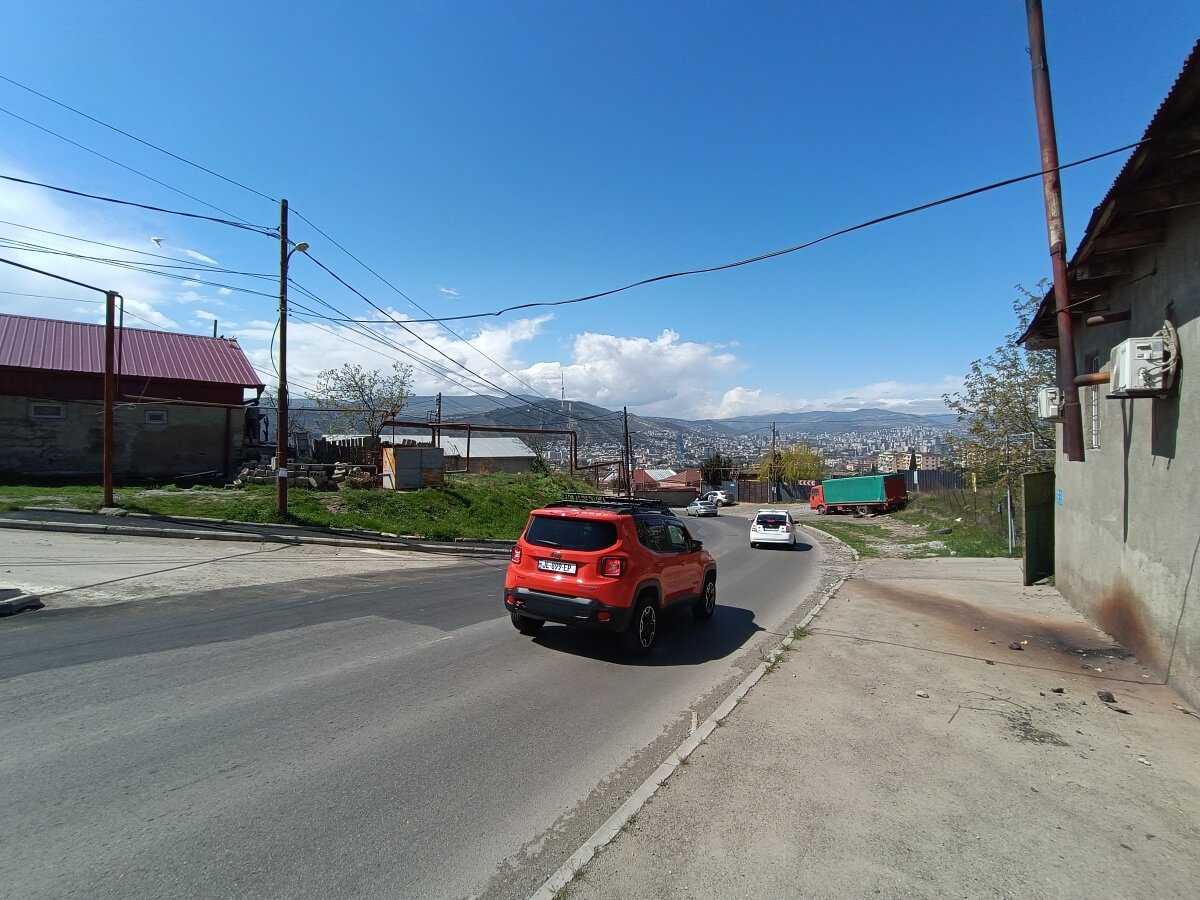
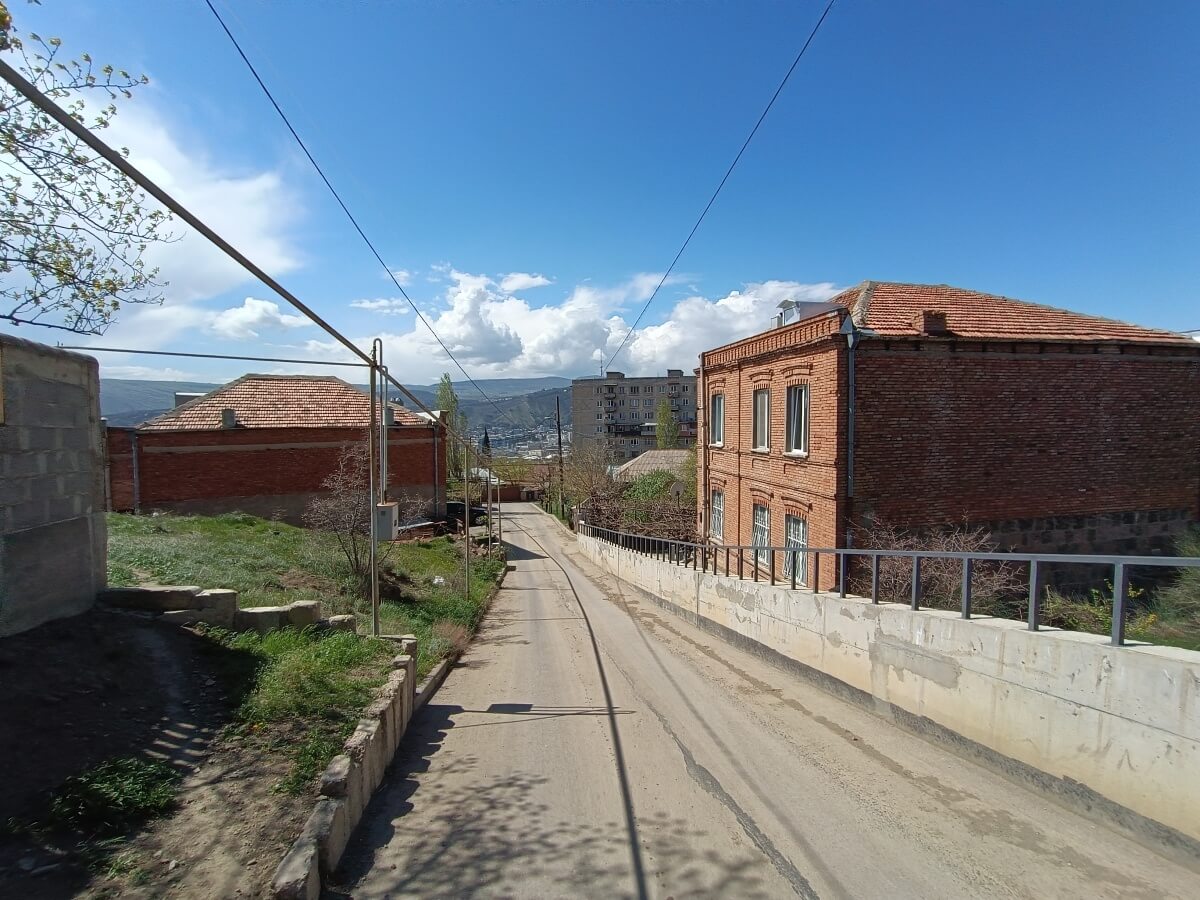
The same situation can be seen around the Soviet apartment buildings on Giorgi Abramishvili Street. Still, there’s no need to worry too much — municipal minibuses reach even the most remote corners of Elia.
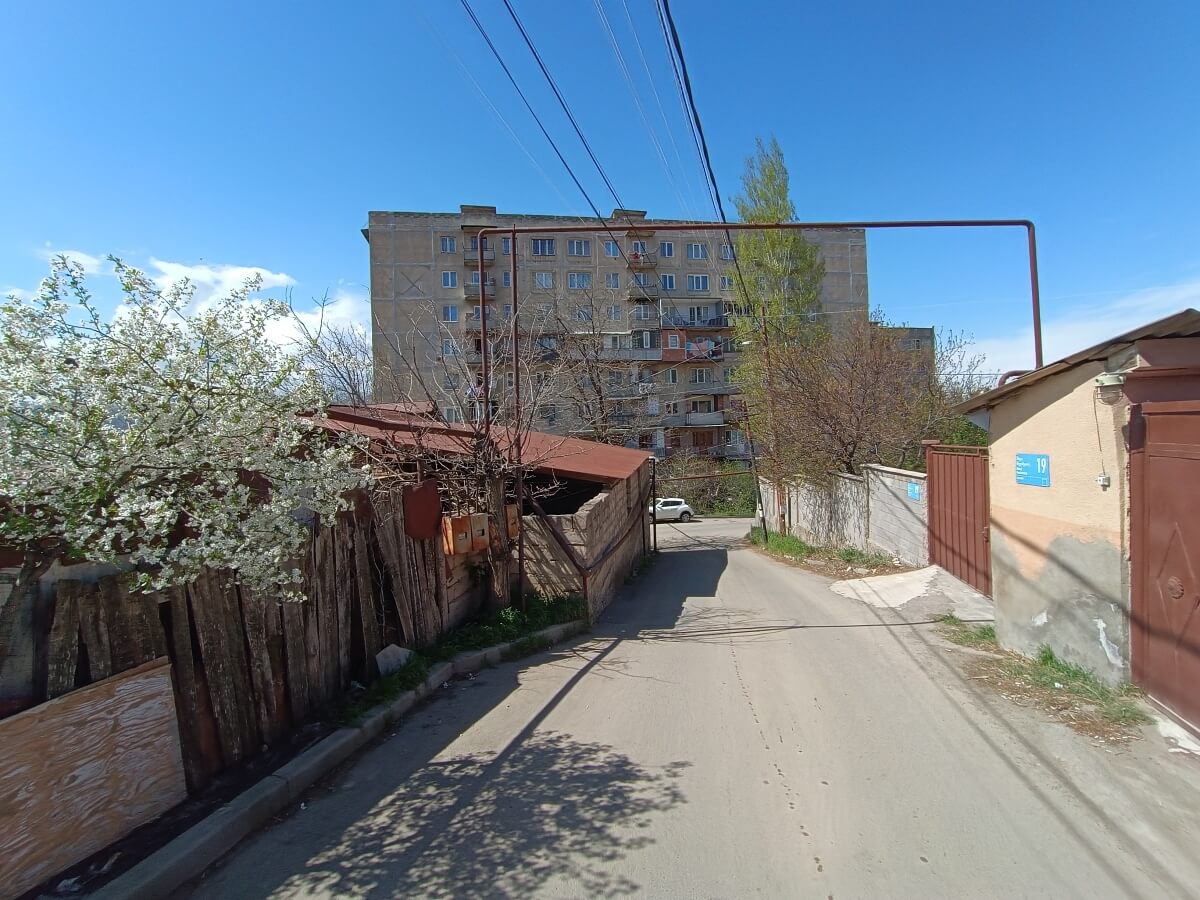
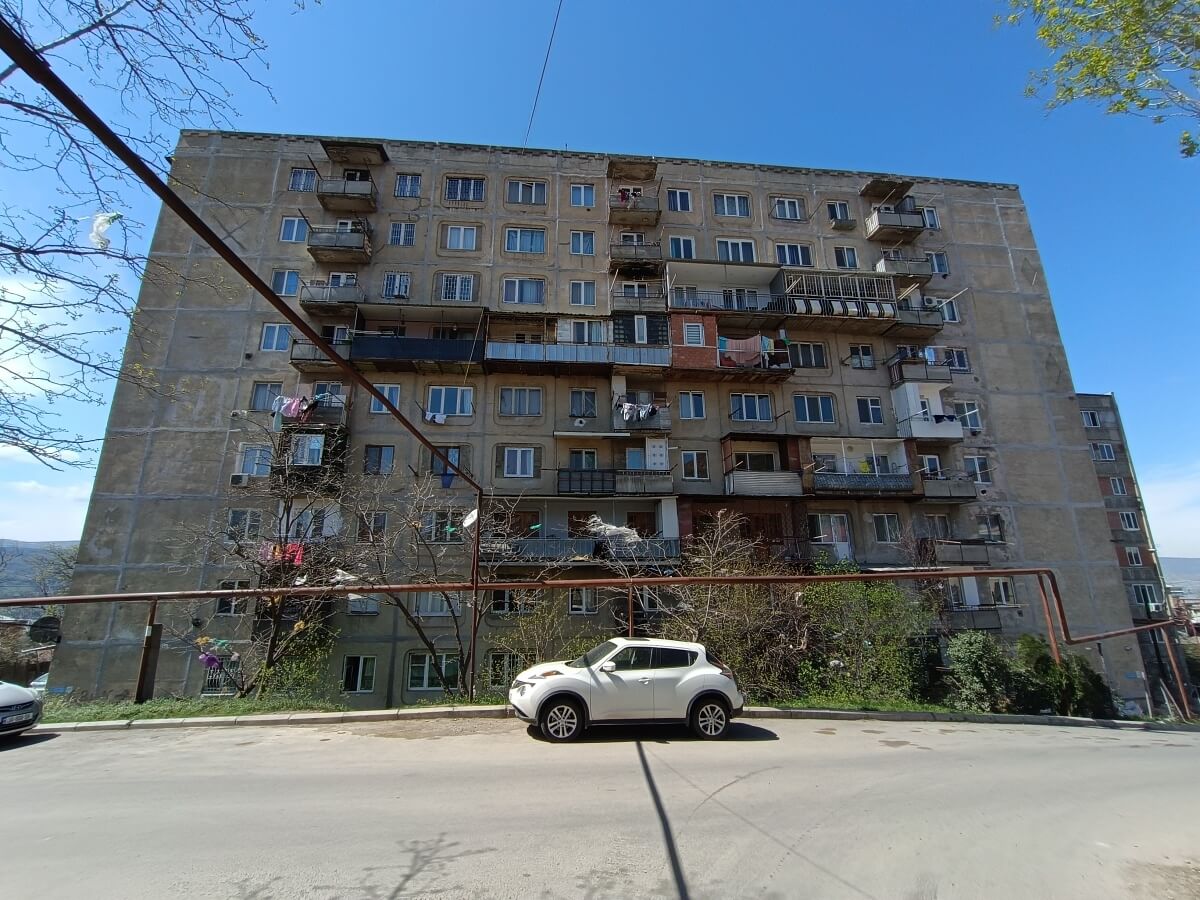
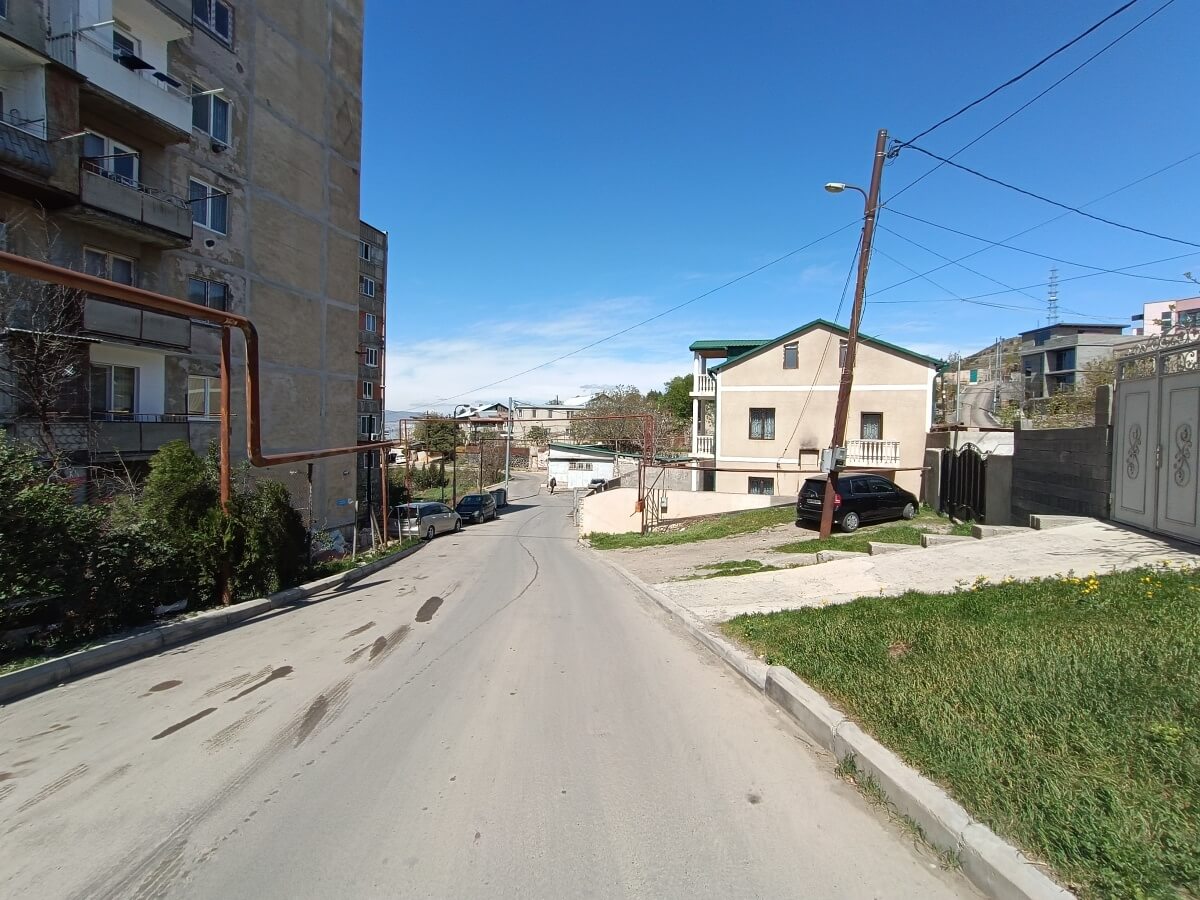
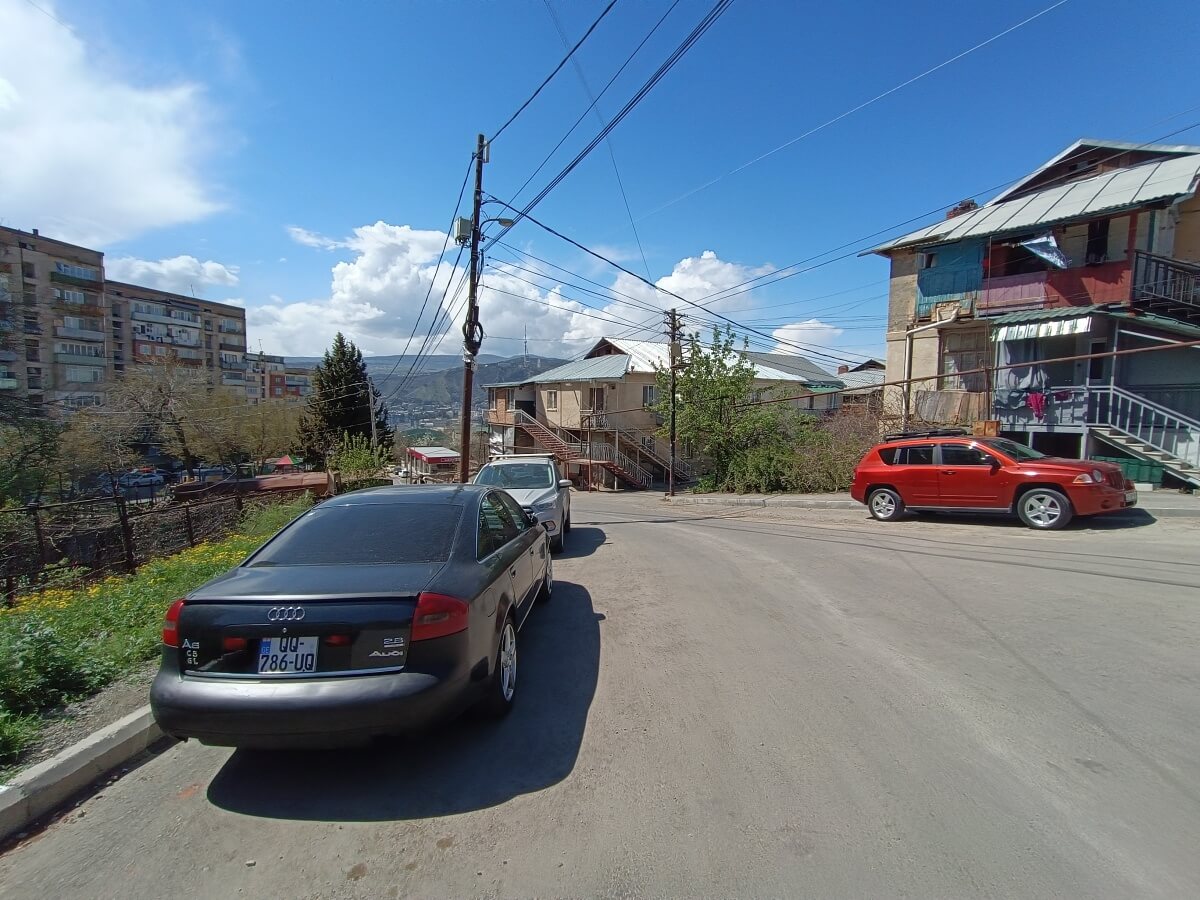
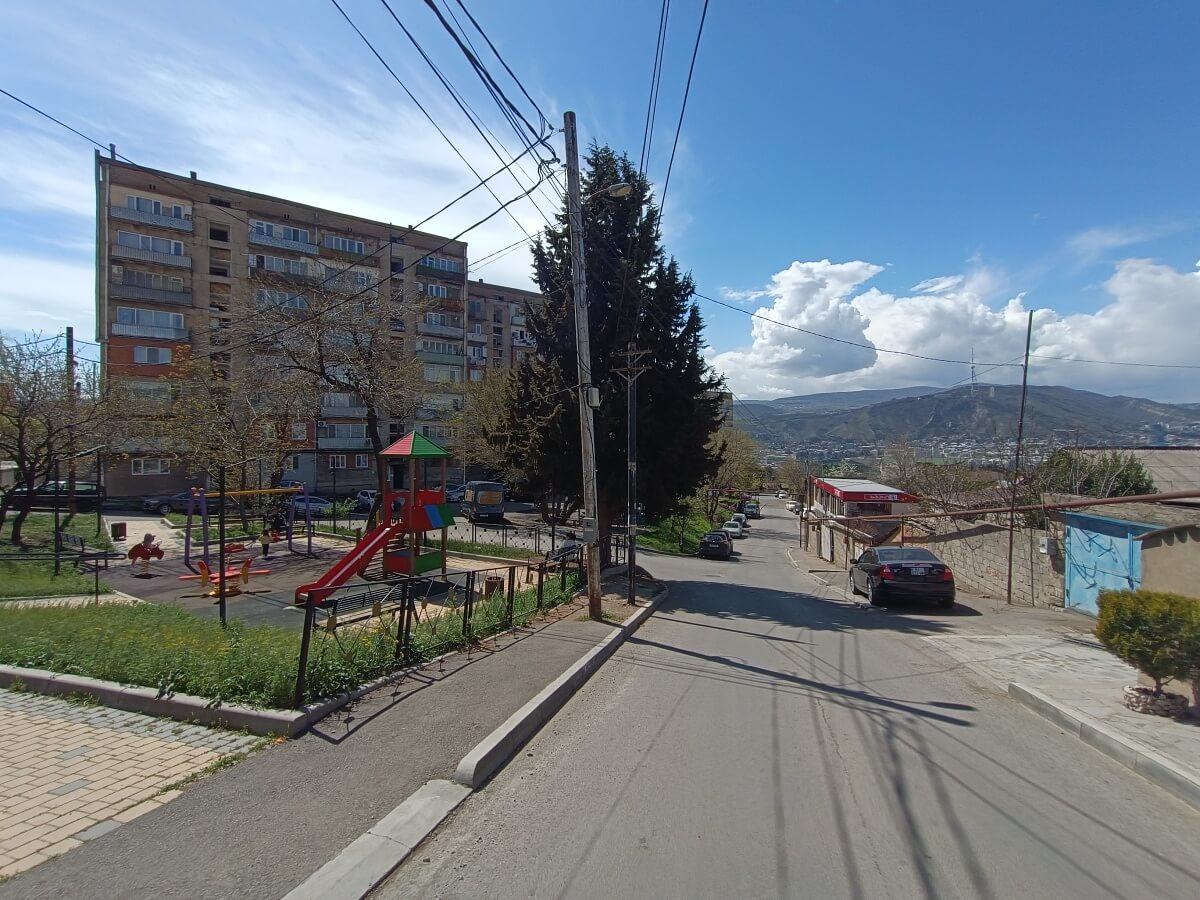
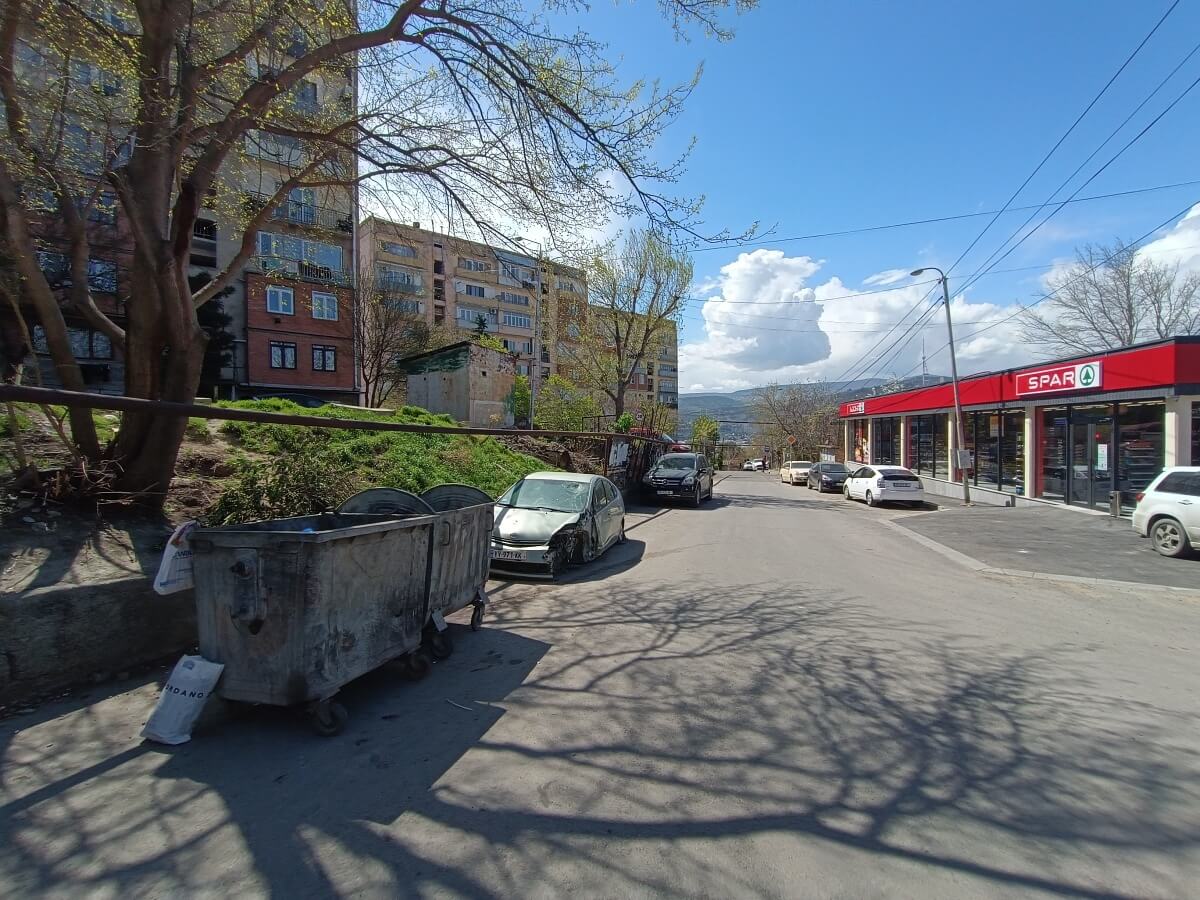
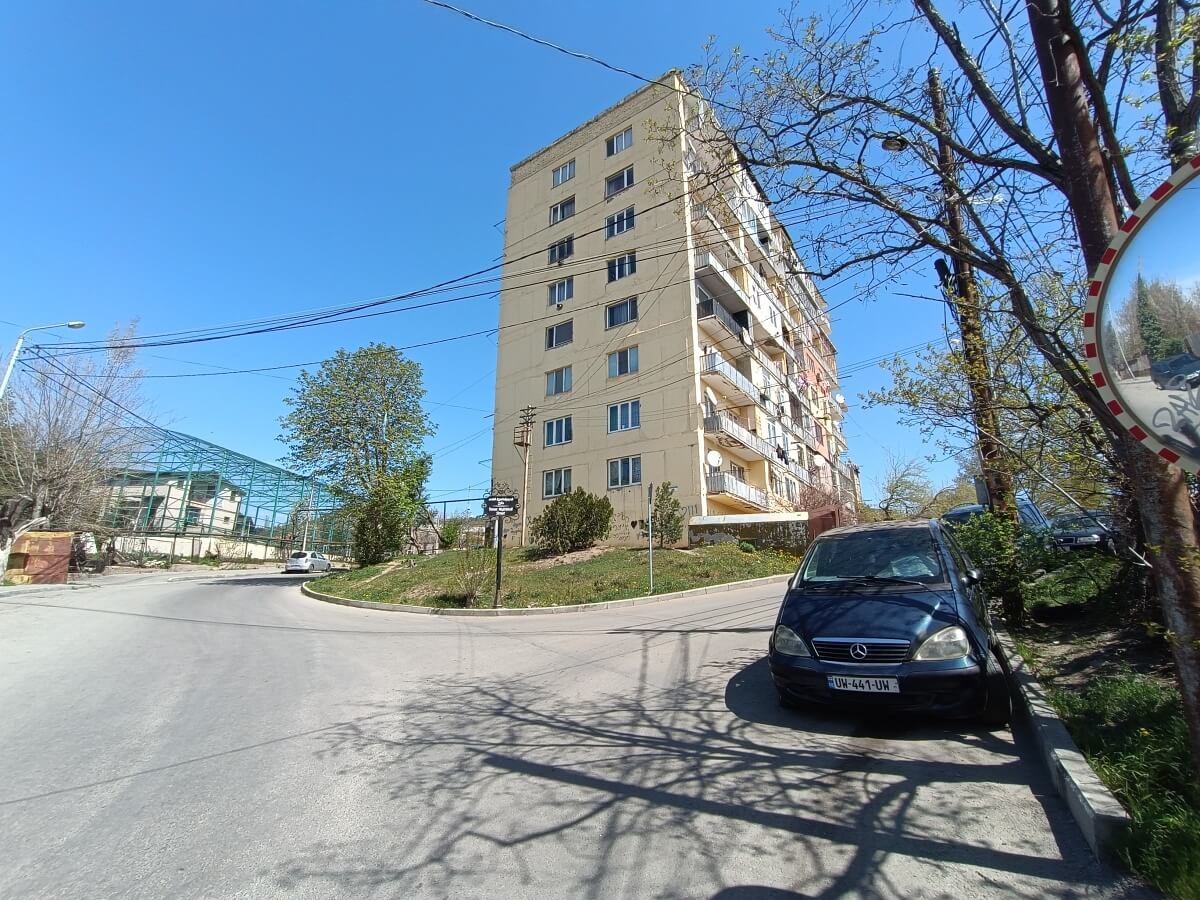
The elevation of Mount Makhata is comparable to Mtatsminda, located directly across the Kura River valley. Residents of the upper floors in these apartment blocks likely enjoy spectacular views over the city.
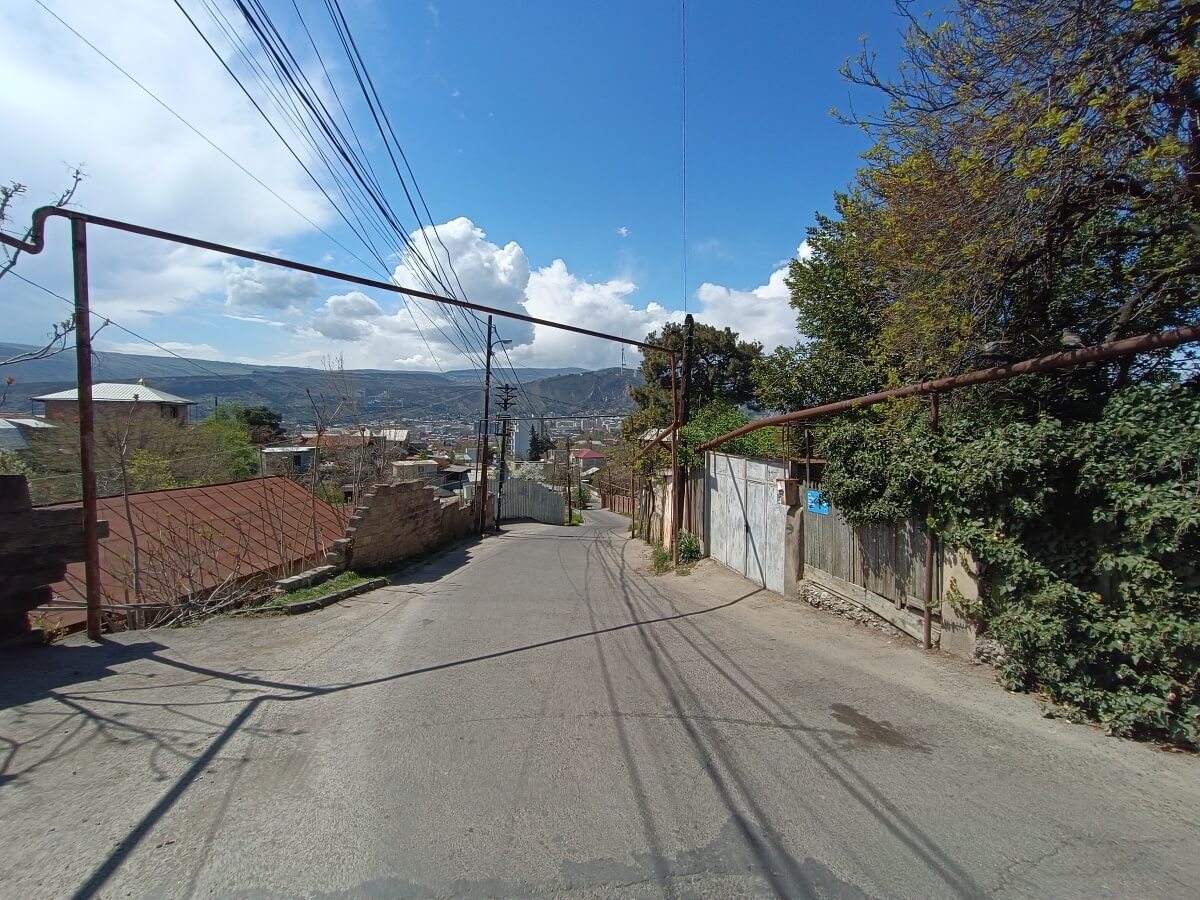
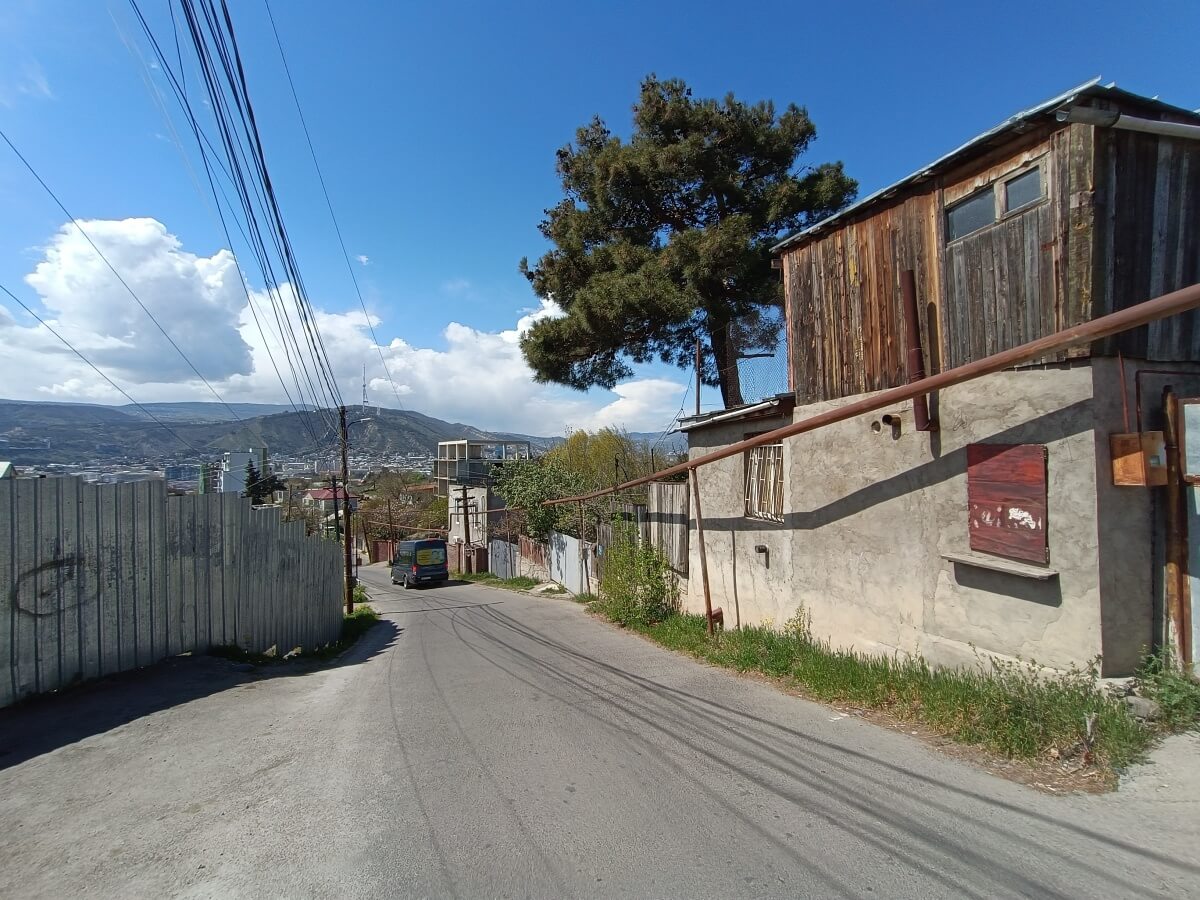
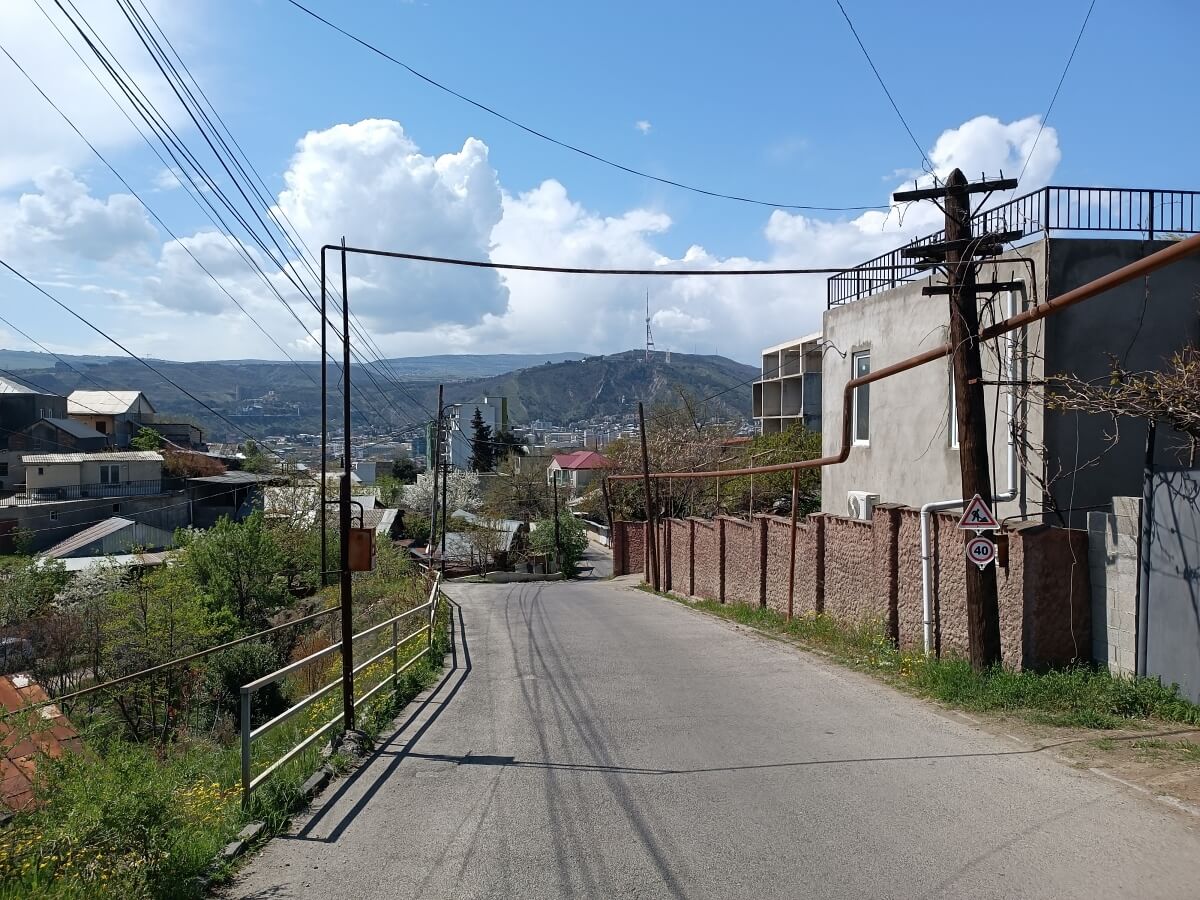
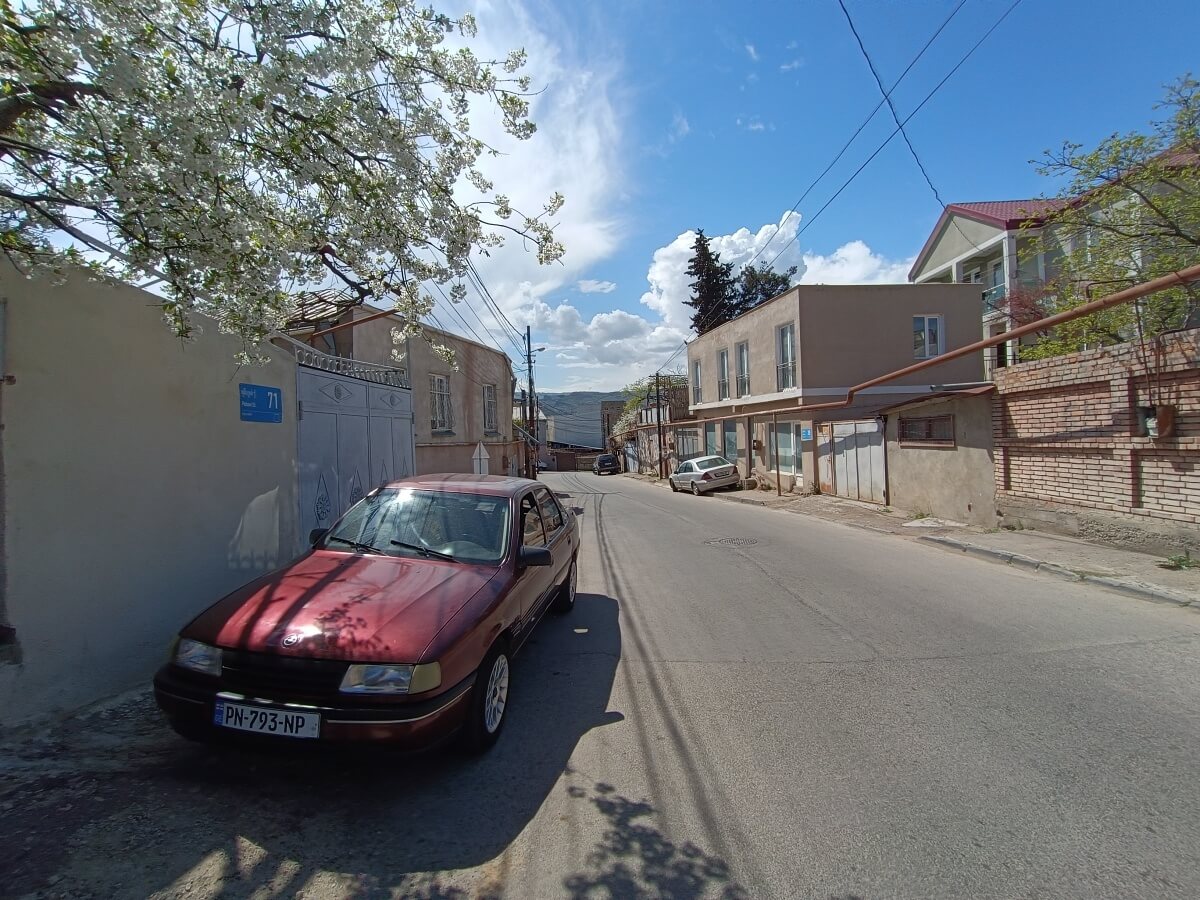
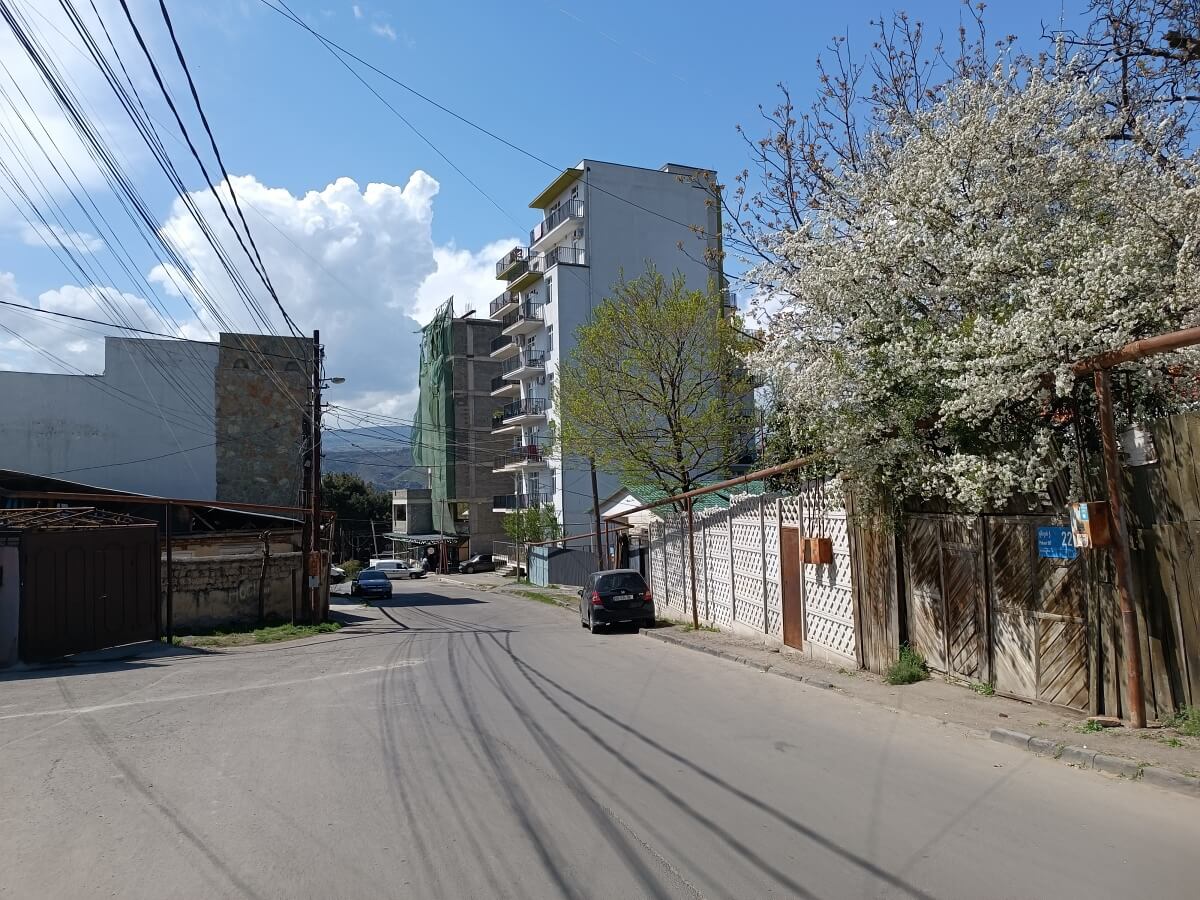
Avlabari–Elia reaches an elevation of around 620 meters, offering panoramic views over nearly the entire center of Tbilisi — the city we love so much.