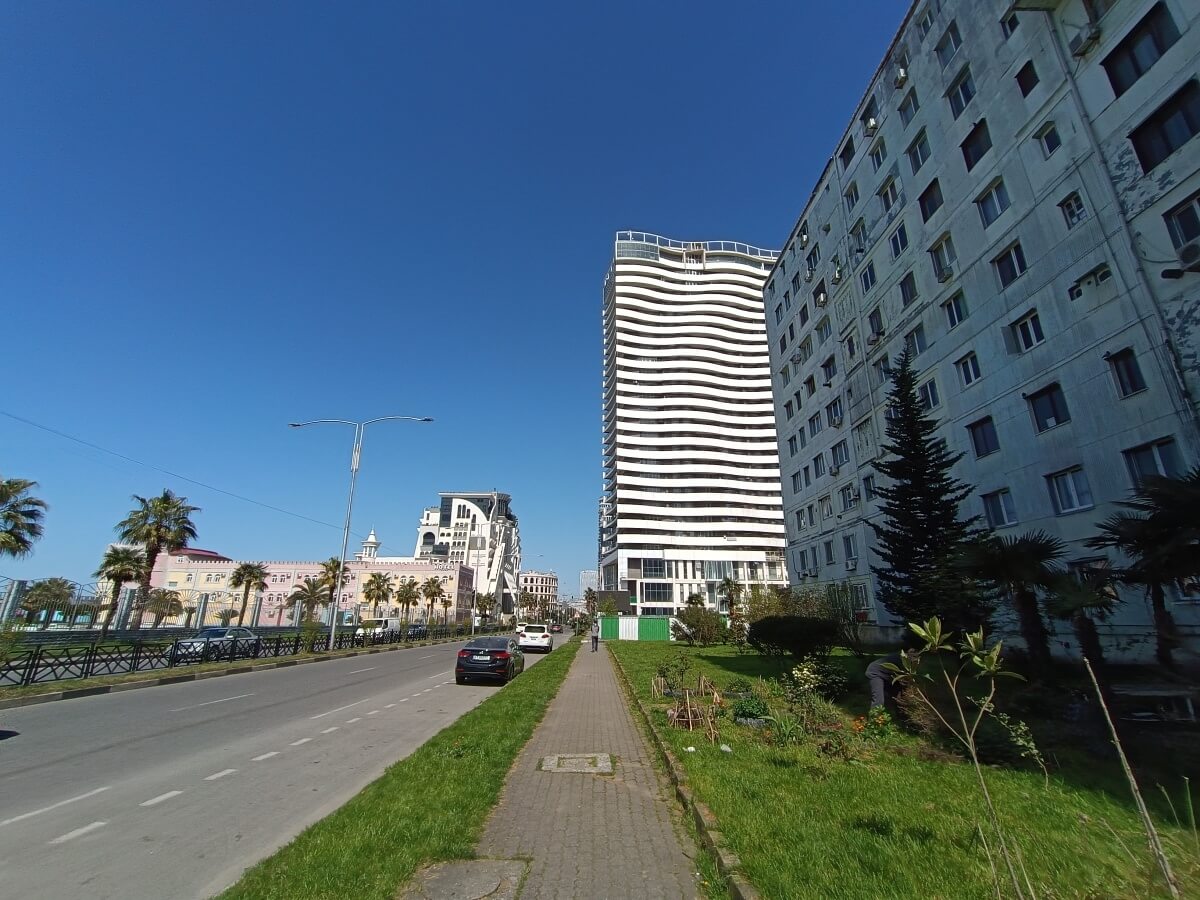
Khimshiashvili
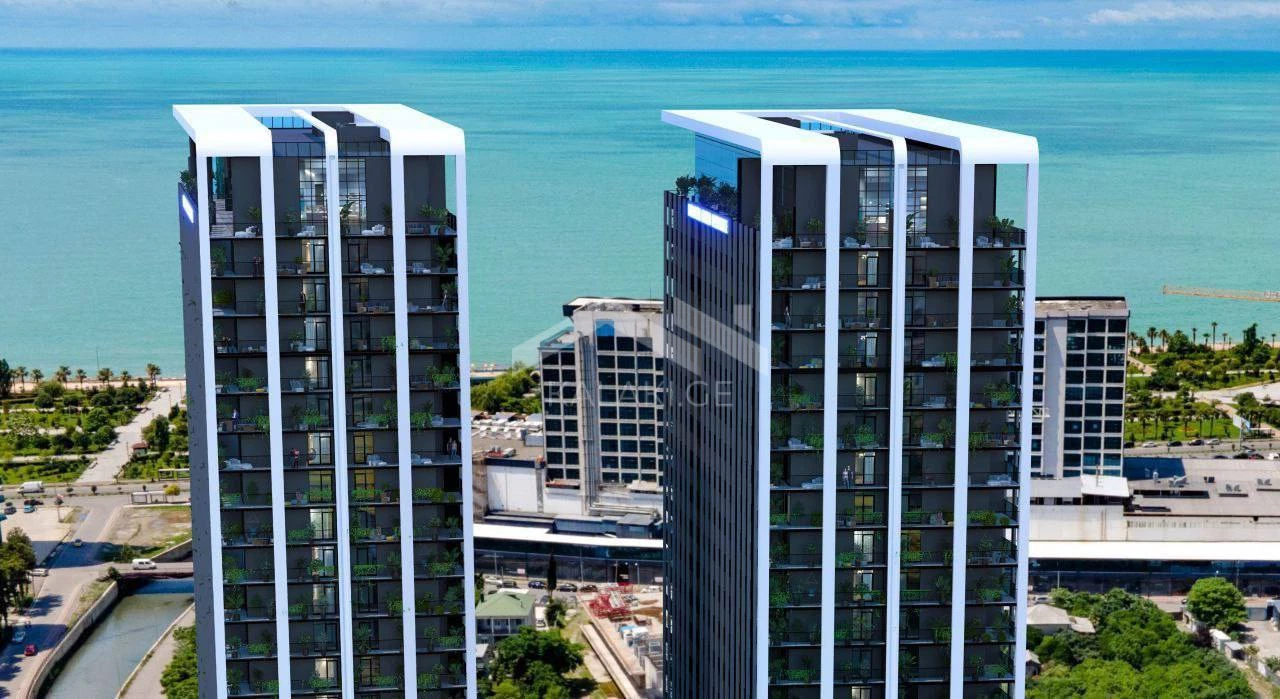
The high-rise heart of modern Batumi — a district defined by its striking skyscrapers, residential towers, and luxury hotels.
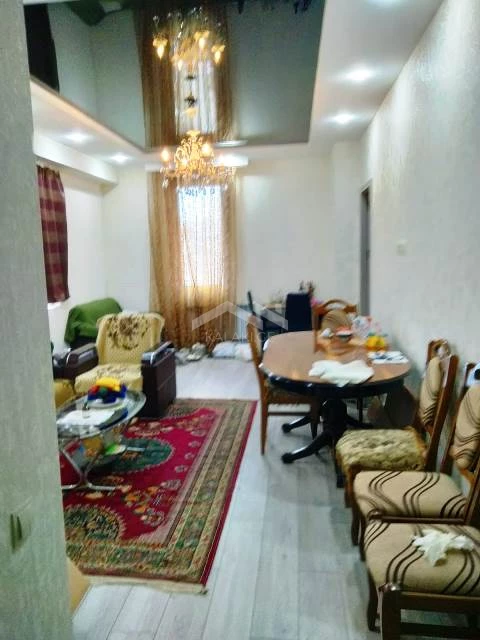
ნაკაშიძე-ბოლქვაძის ქუჩა, 11
2
79 m²
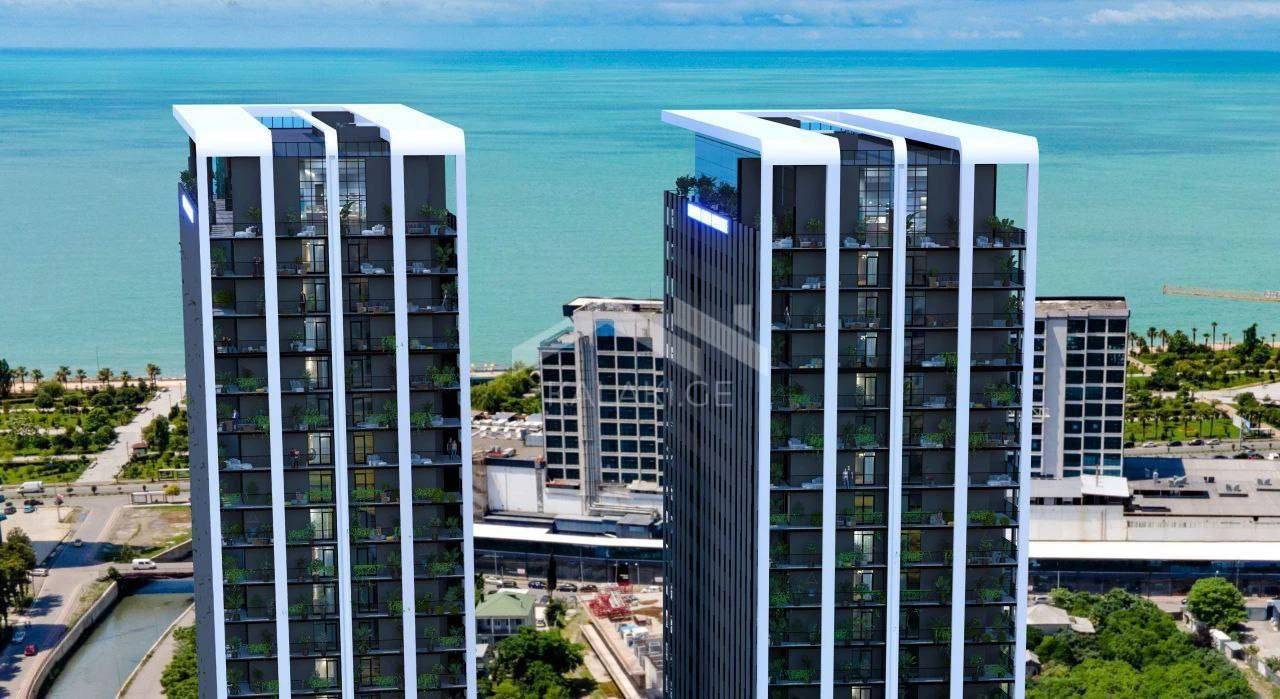
ლორთქიფანიძის ქუჩა, 1
1
31 m²
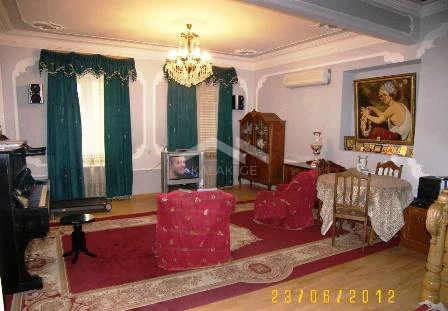
ბულაჩაური, 1
4
500 m²
ფიროსმანის ქუჩა, 1
1
44 m²
ლორთქიფანიძის ქუჩა, 1
1
66 m²
ახნეტელის მეტროსთან, 1
8
1475 m²
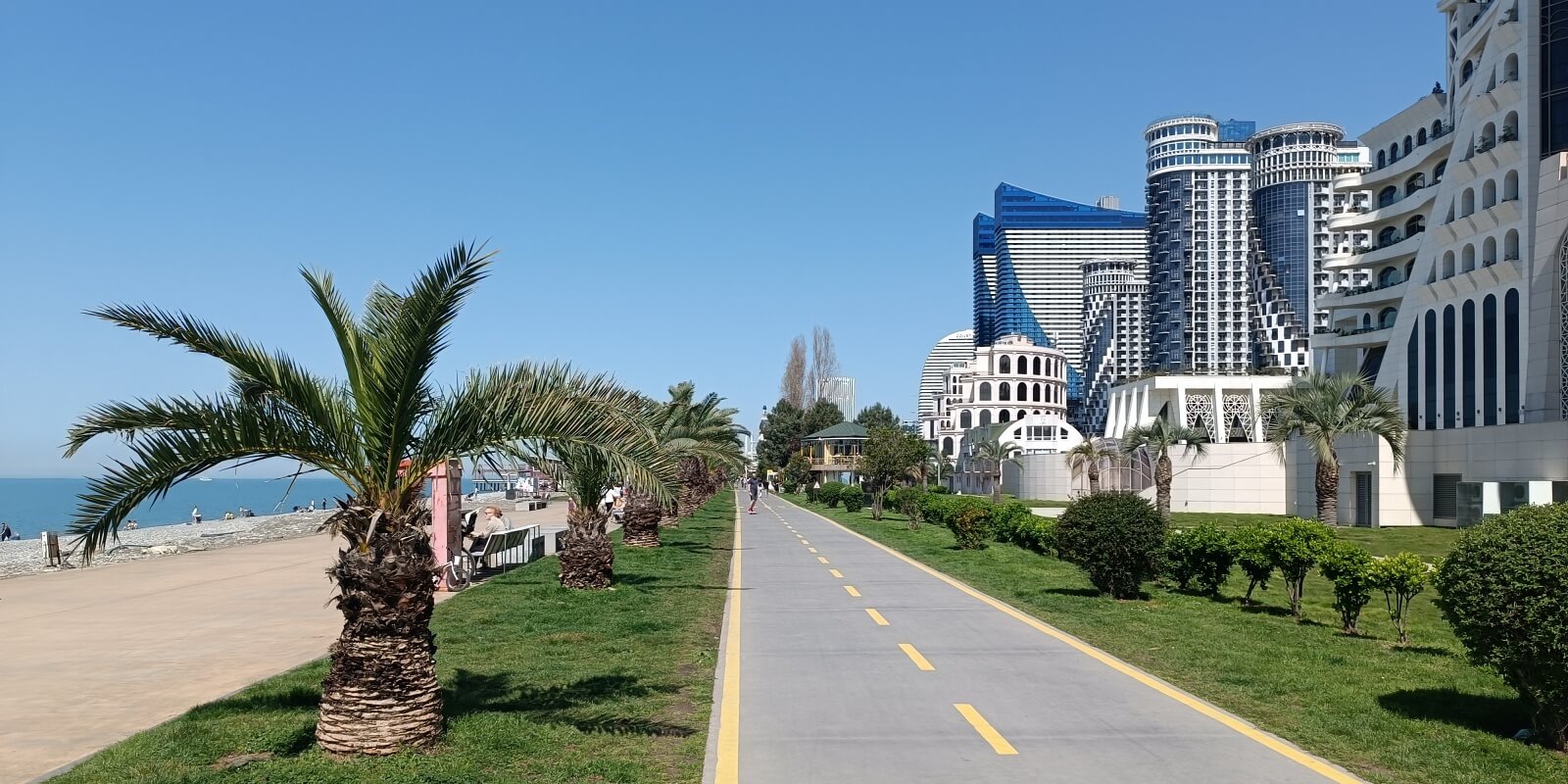
The high-rise heart of modern Batumi — a district defined by its striking skyscrapers, residential towers, and luxury hotels.
Credit must be given where it’s due: moving the center of the renewed Batumi away from the historic core was the right decision. The dramatic skyline of Georgia’s main seaside resort emerged in what used to be an ordinary Soviet-era residential neighborhood mixed with low-rise private homes. Over the past two decades, the area has transformed beyond recognition, with typical panel apartment blocks now hidden in the shadows of towering developments built by the country’s leading developers.
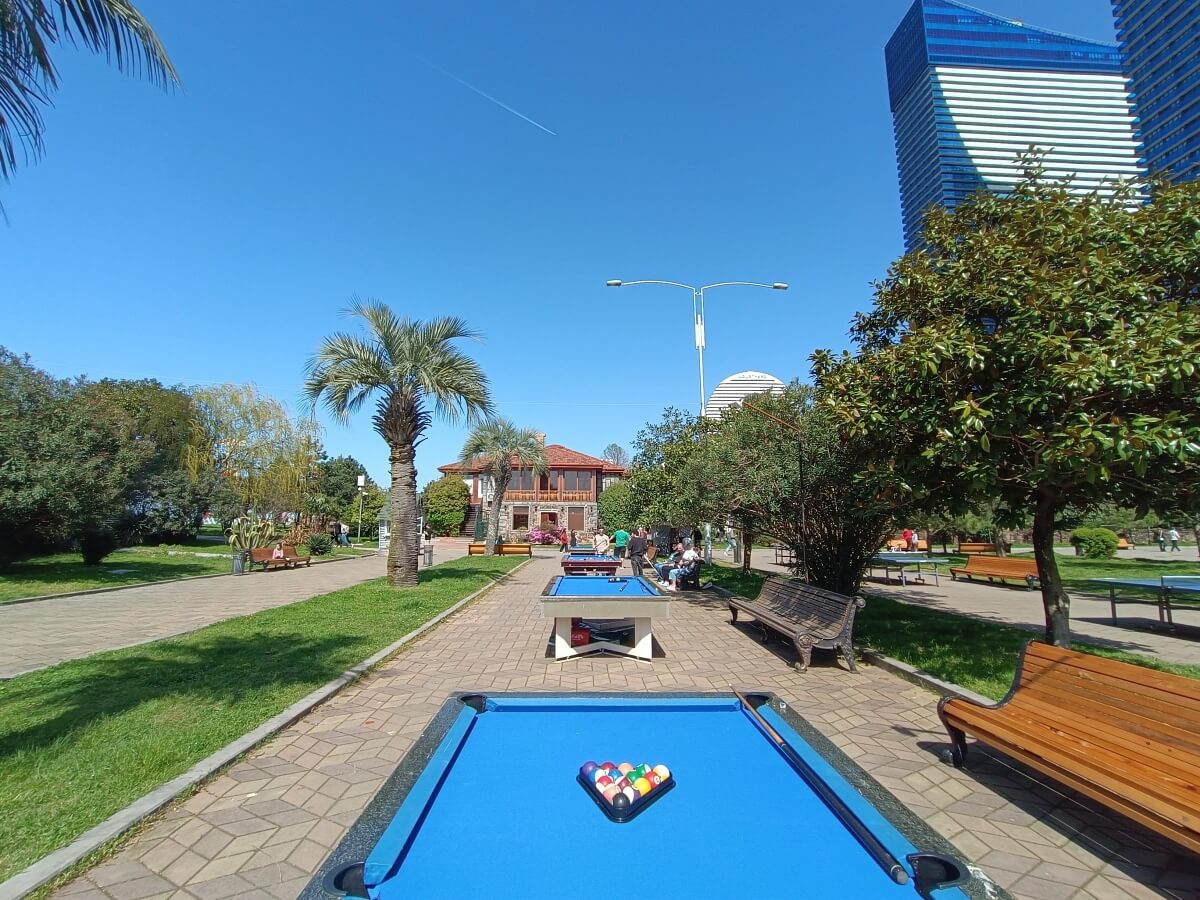
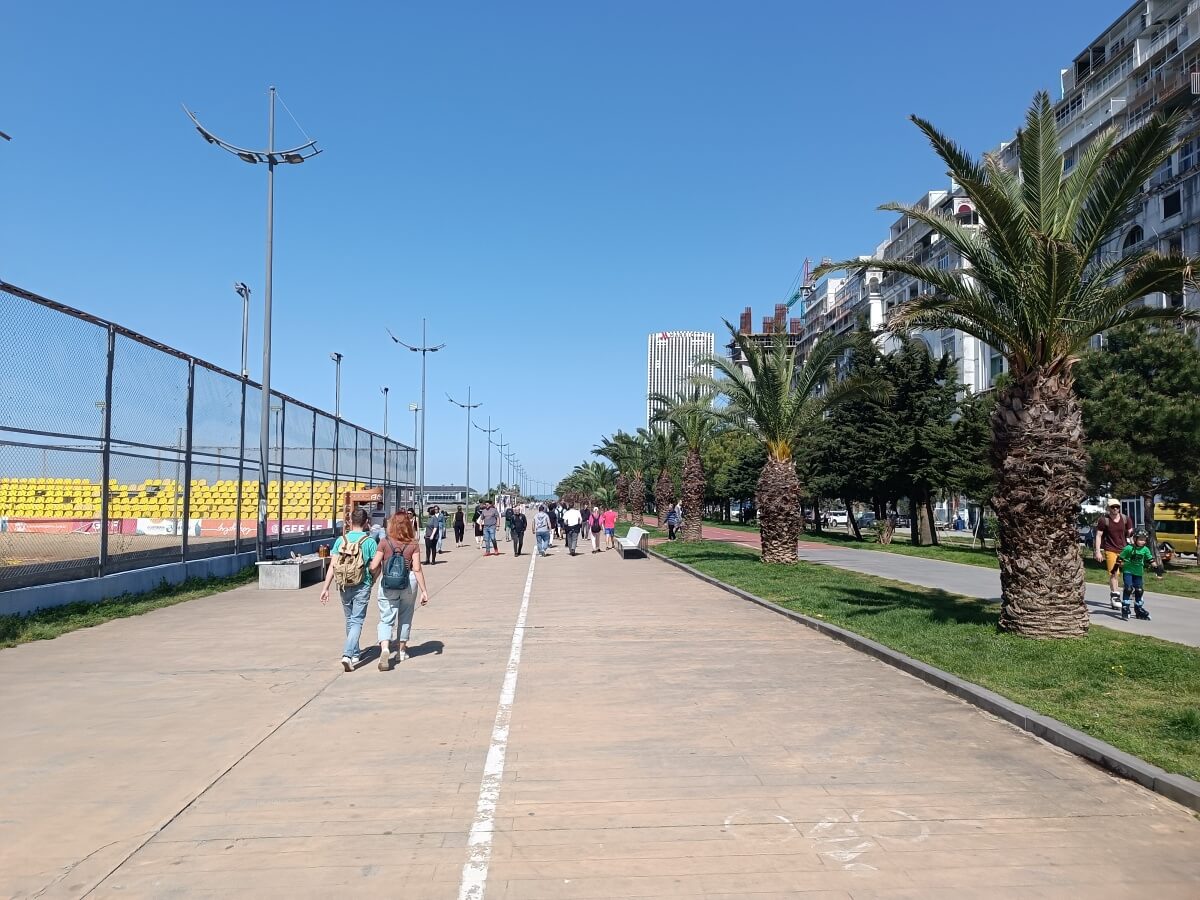
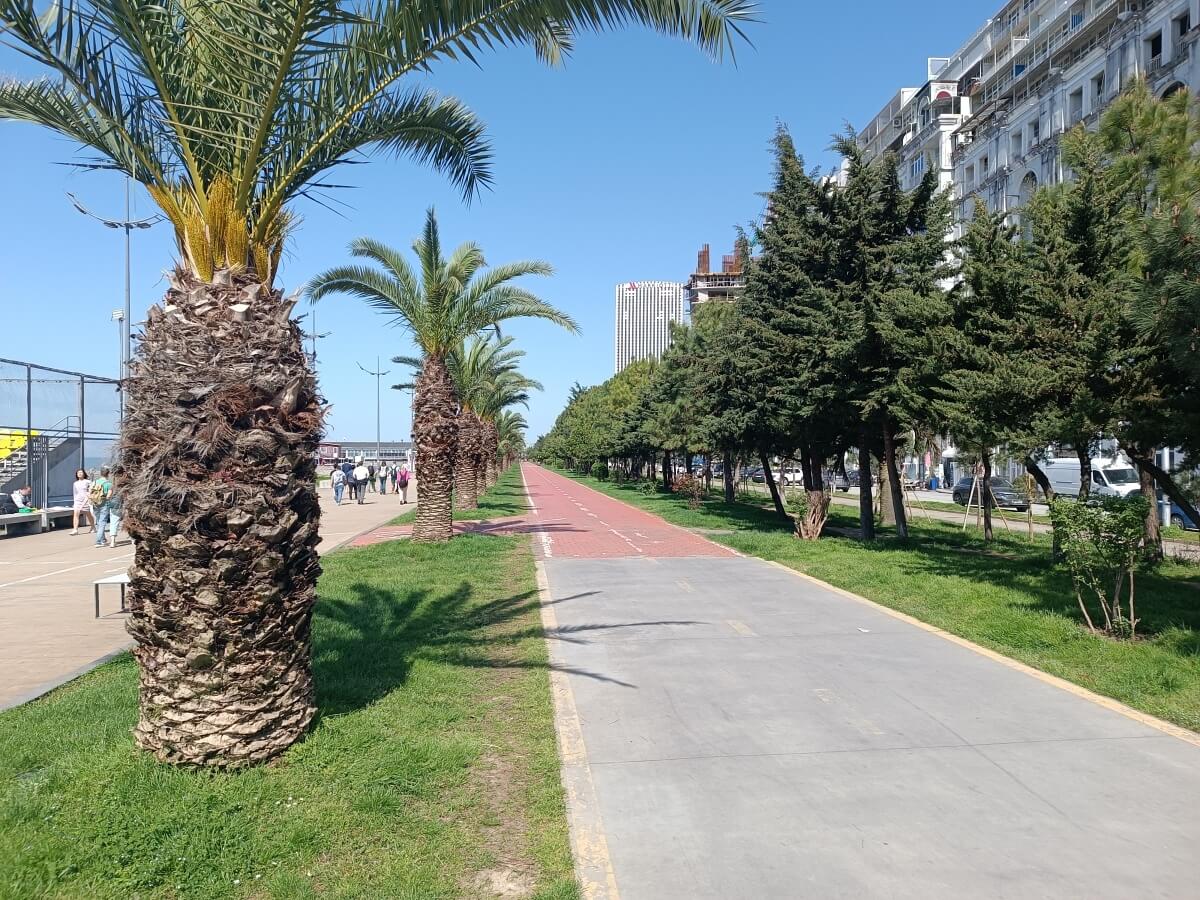
Anyone who has ever visited Batumi has almost certainly walked here — along the seaside promenade framed by the city’s modern skyline. The atmosphere is inviting: wide sidewalks, benches, countless kiosks selling drinks and snacks, palm trees, and blooming shrubs.
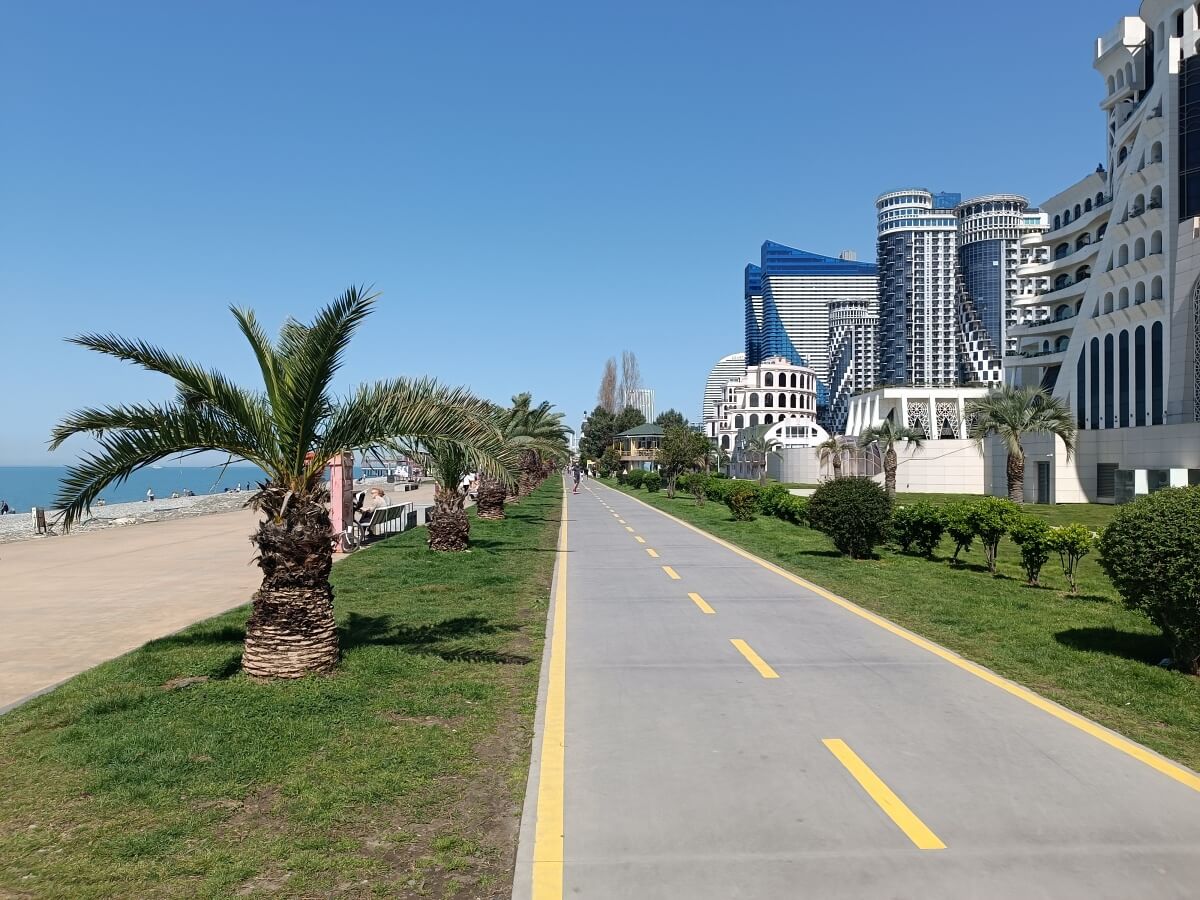
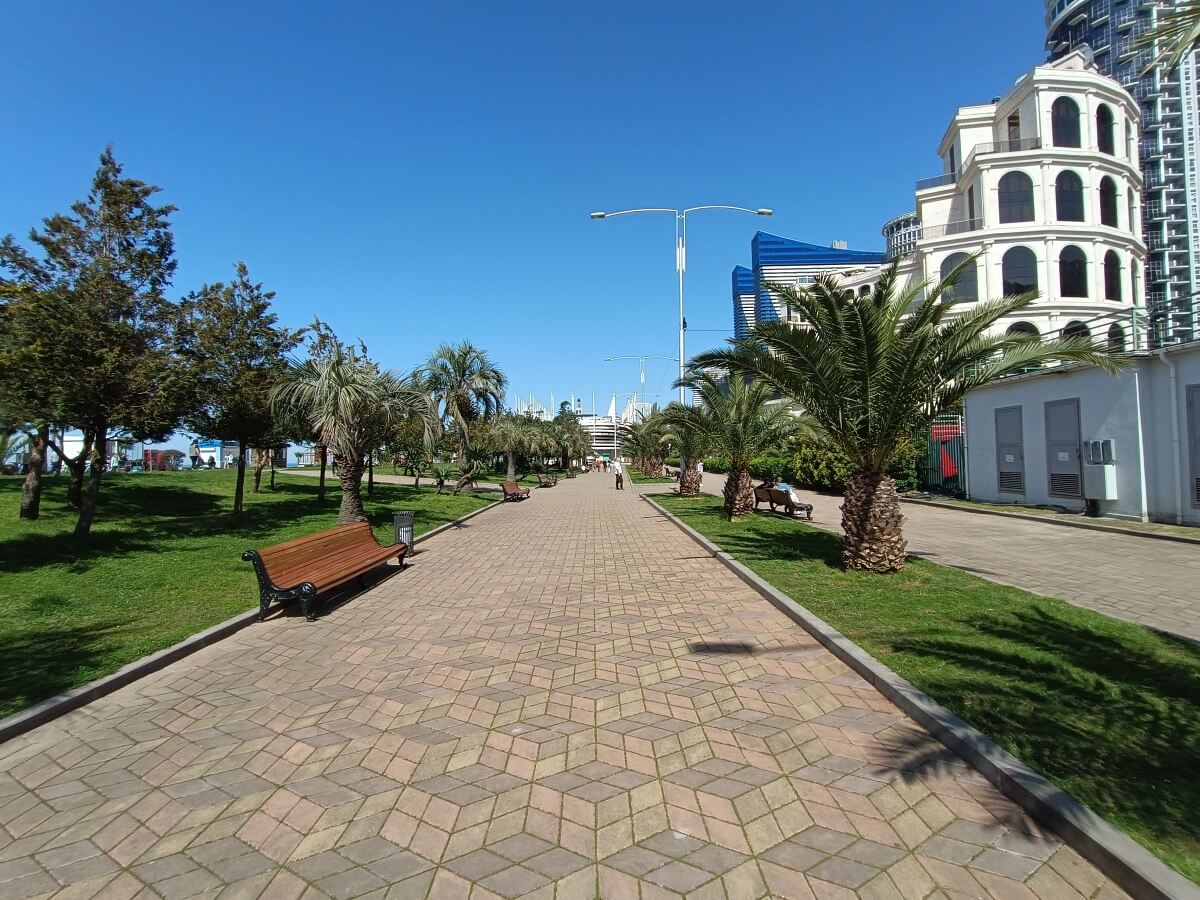
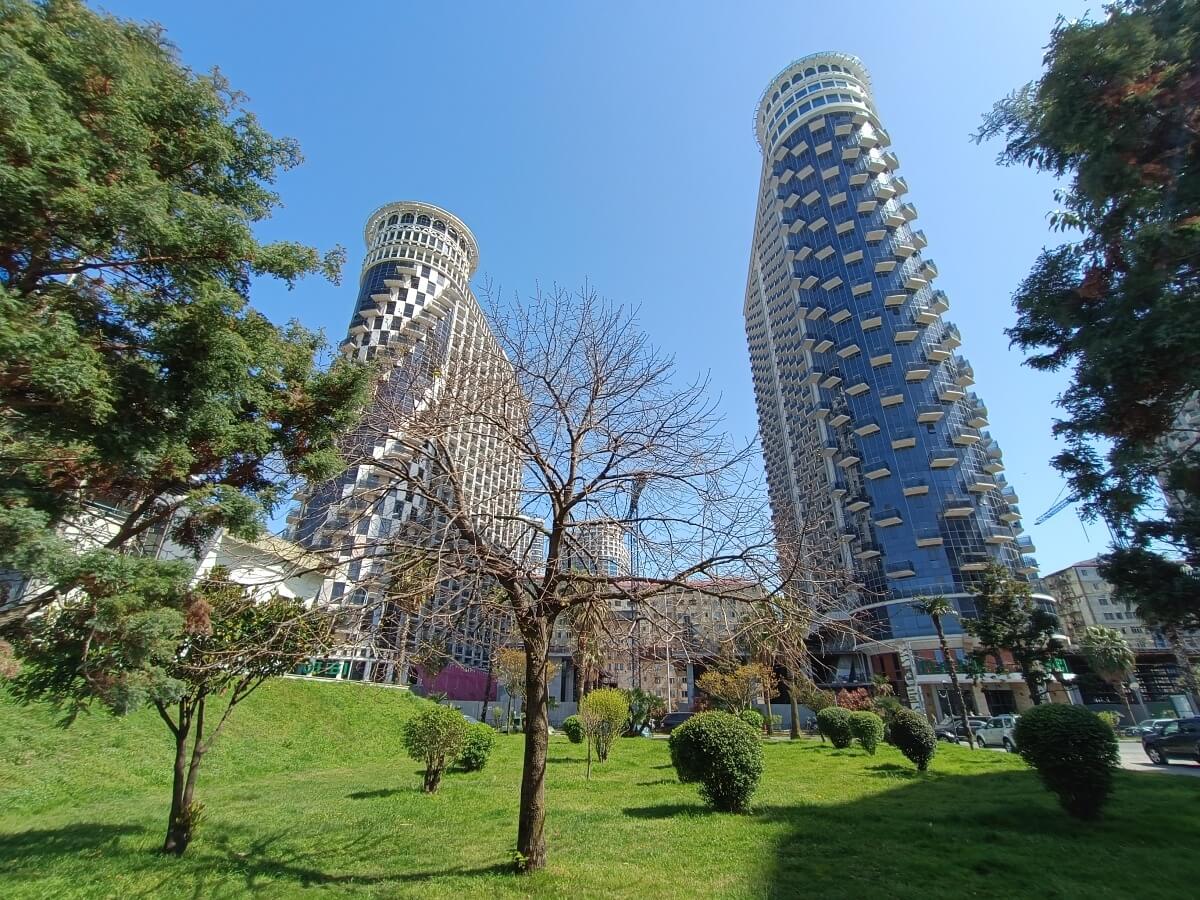
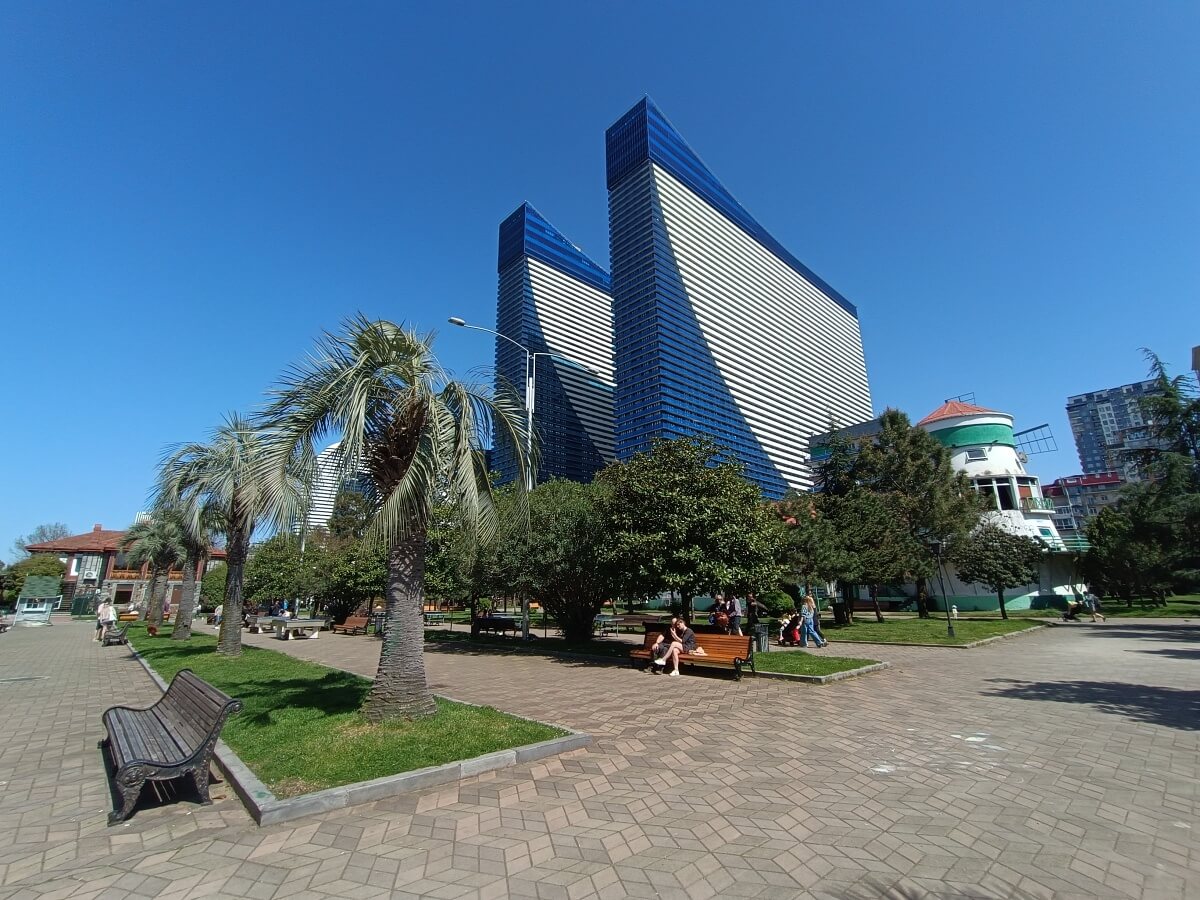
A game of billiards, perhaps?
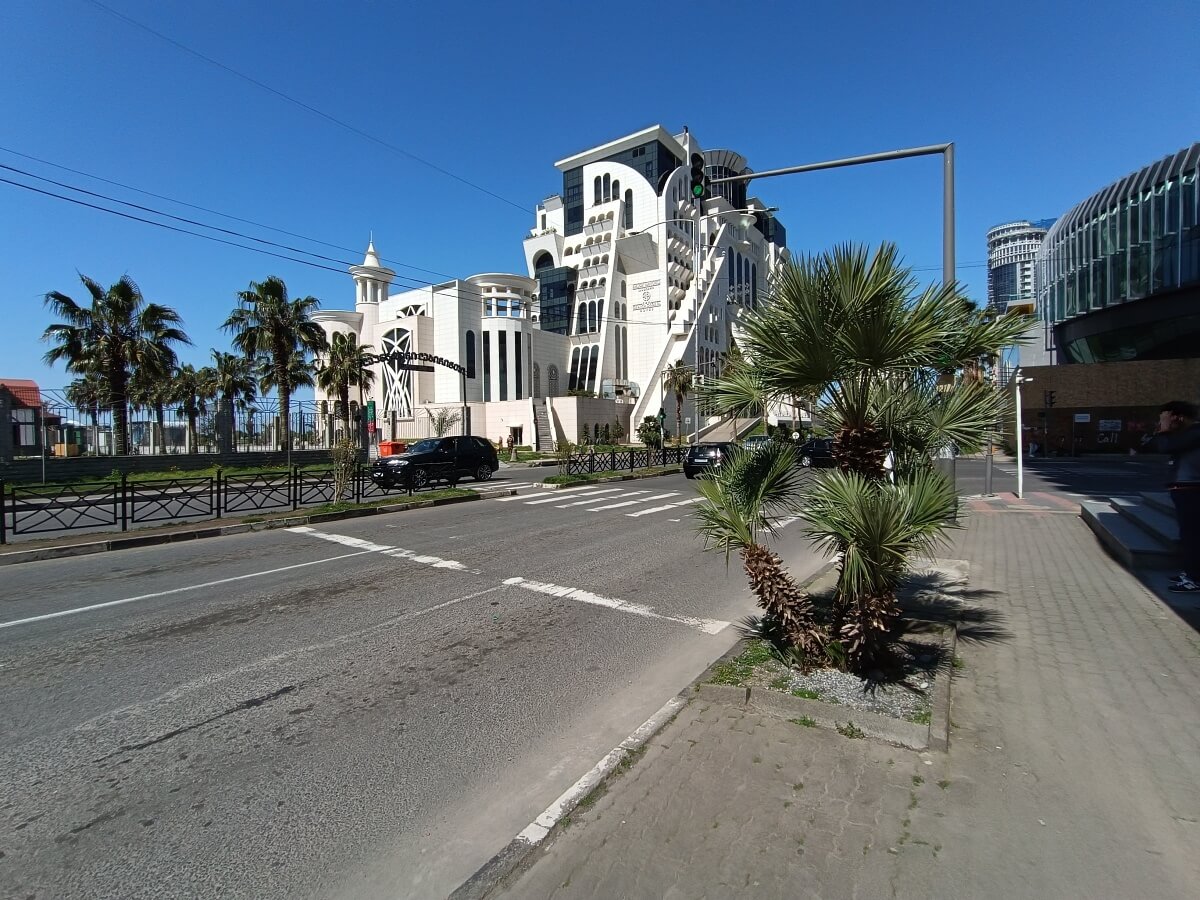
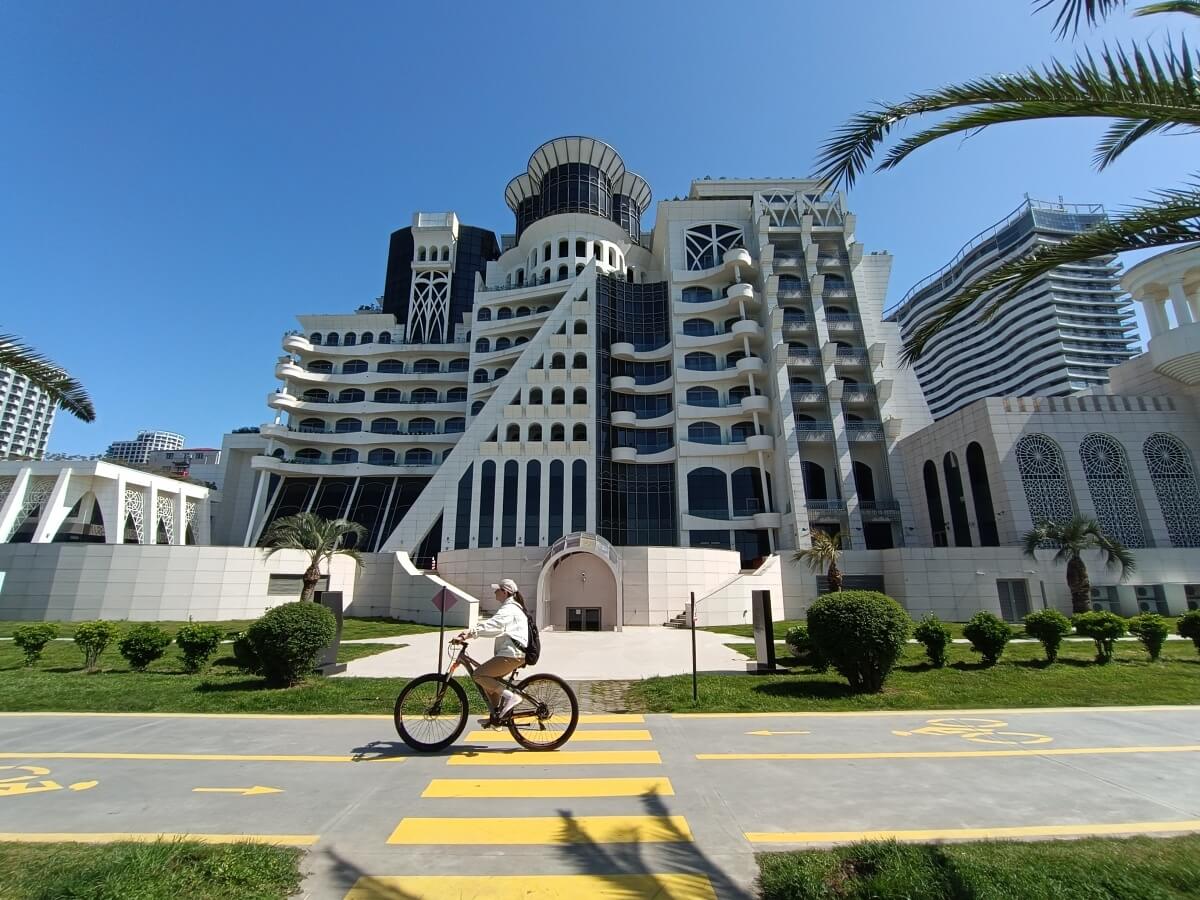
Since the very beginning of Batumi’s development as a resort city, architectural experimentation has always been part of its identity — blending styles, testing bold ideas, and reinventing familiar forms. The Grand Gloria Hotel might look unusual anywhere else, but in Batumi it feels perfectly natural:
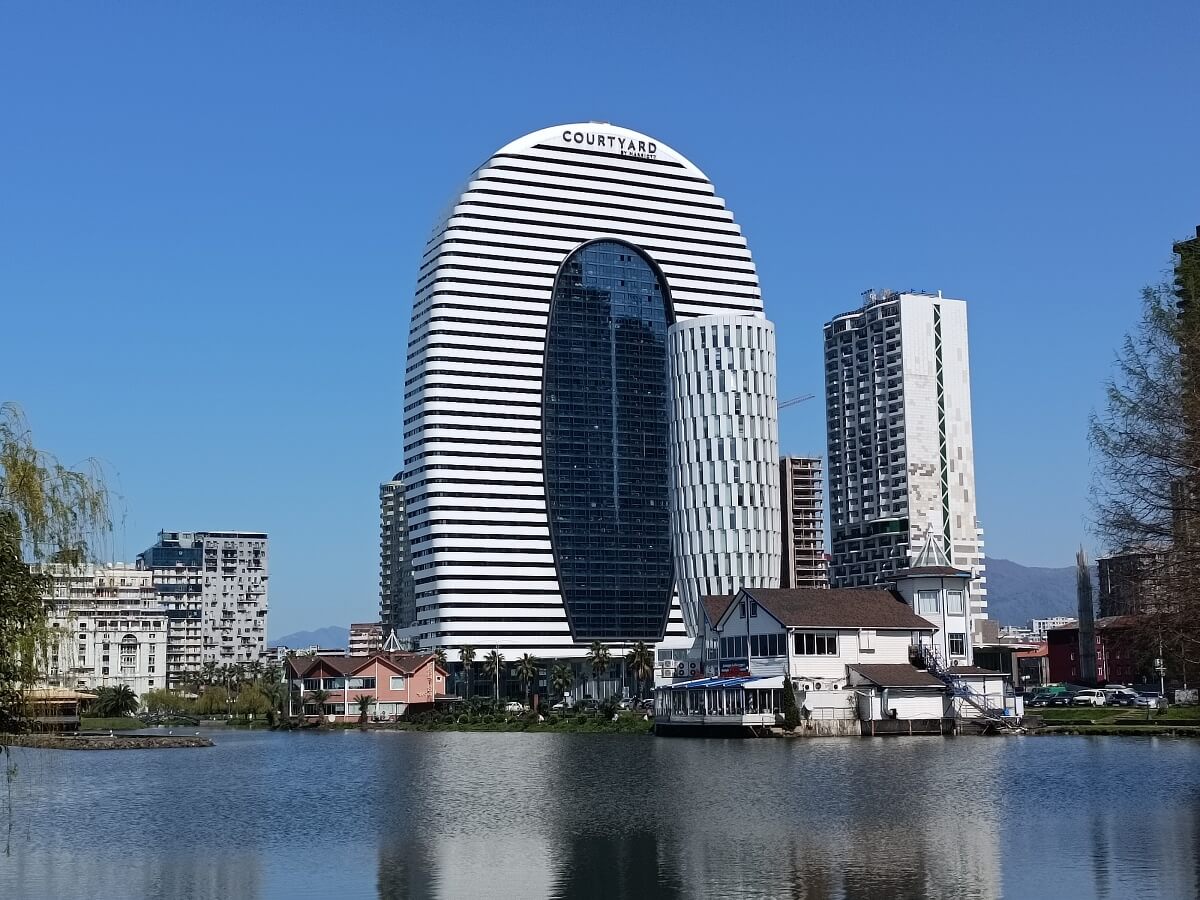
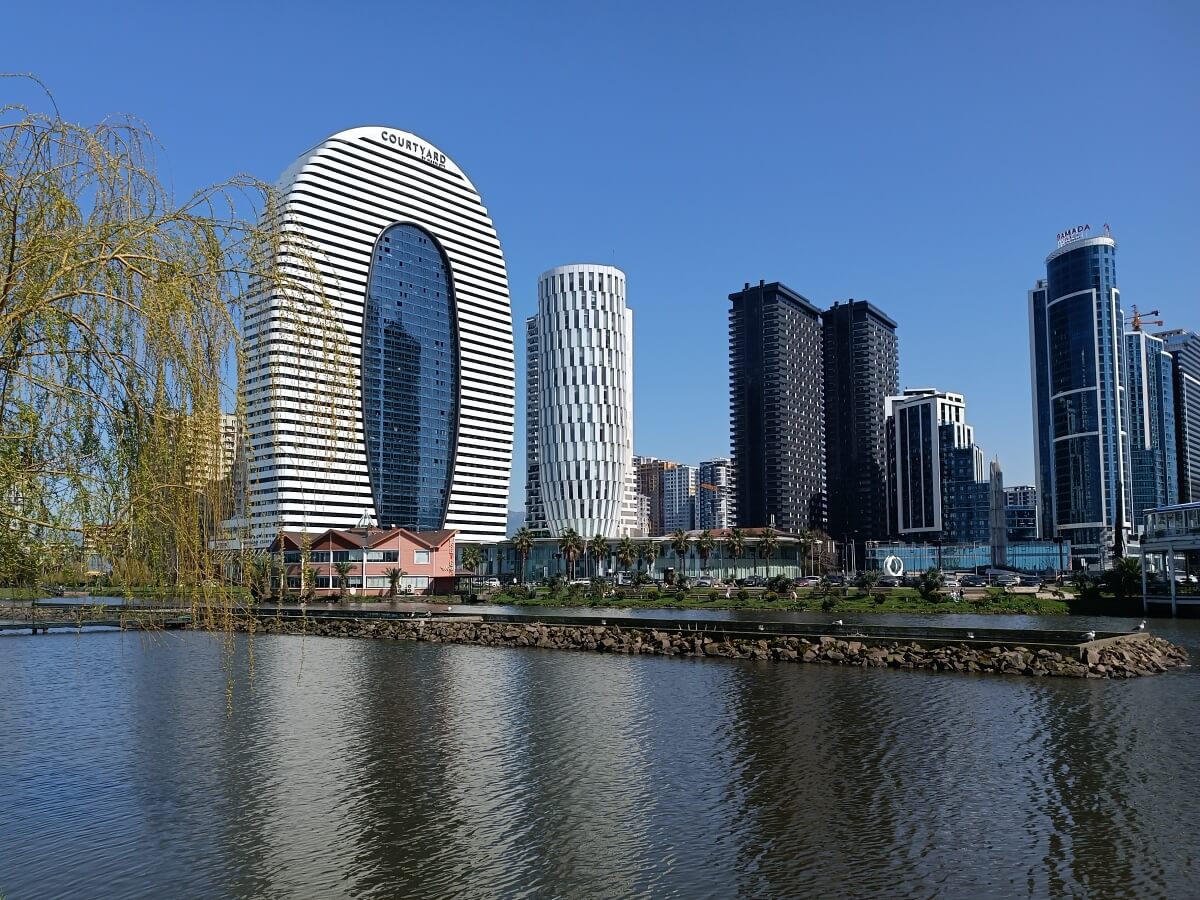
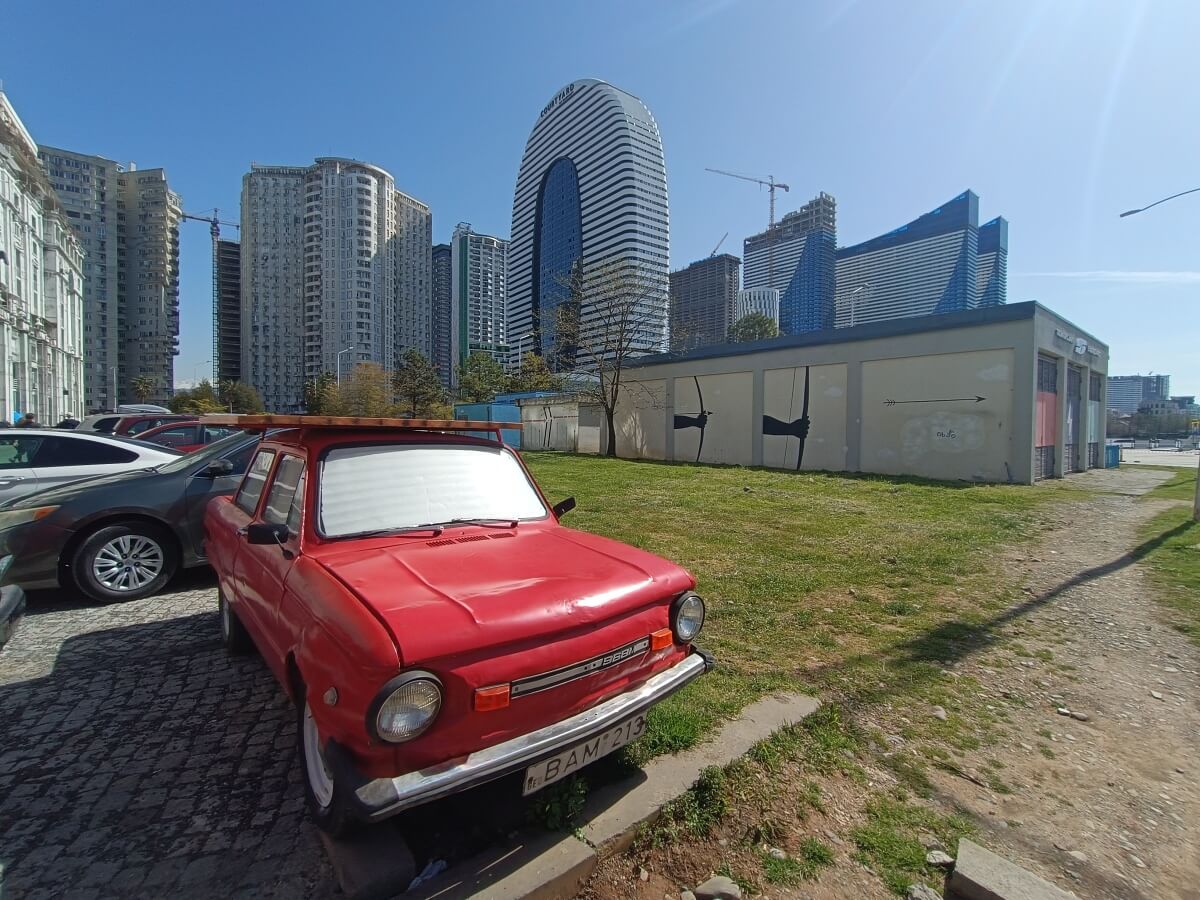
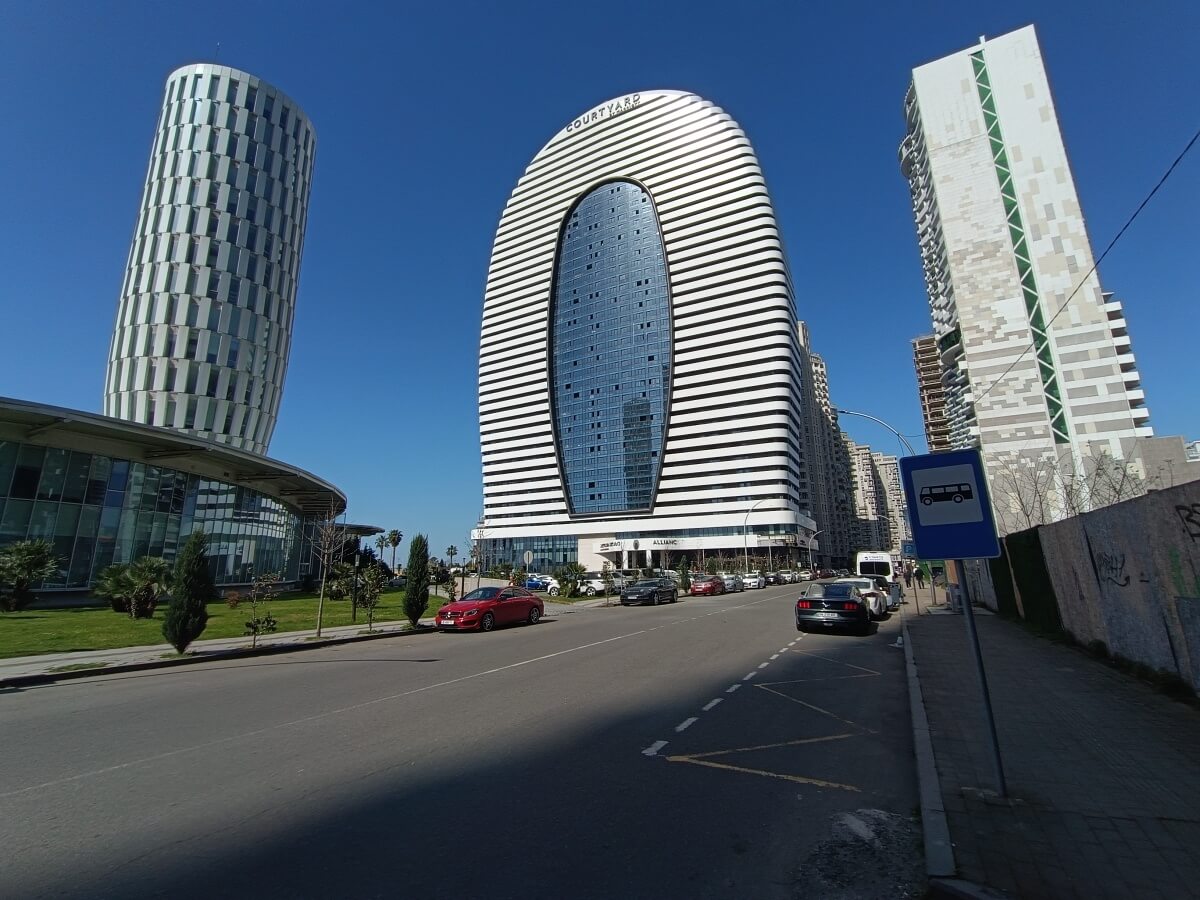
Meanwhile, the bold and expressive facade of Courtyard by Marriott has become one of the resort’s most recognizable landmarks. Few visitors leave without taking a photo of it:
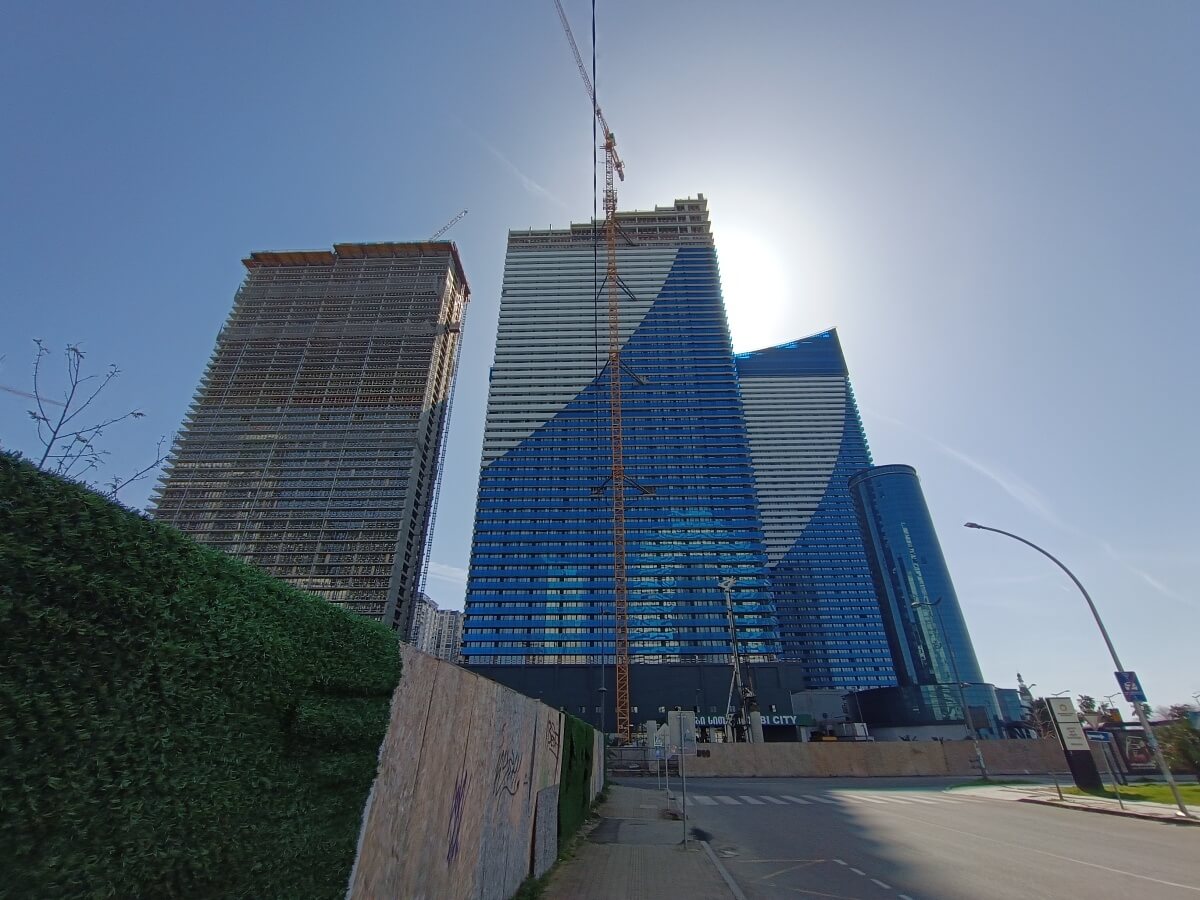
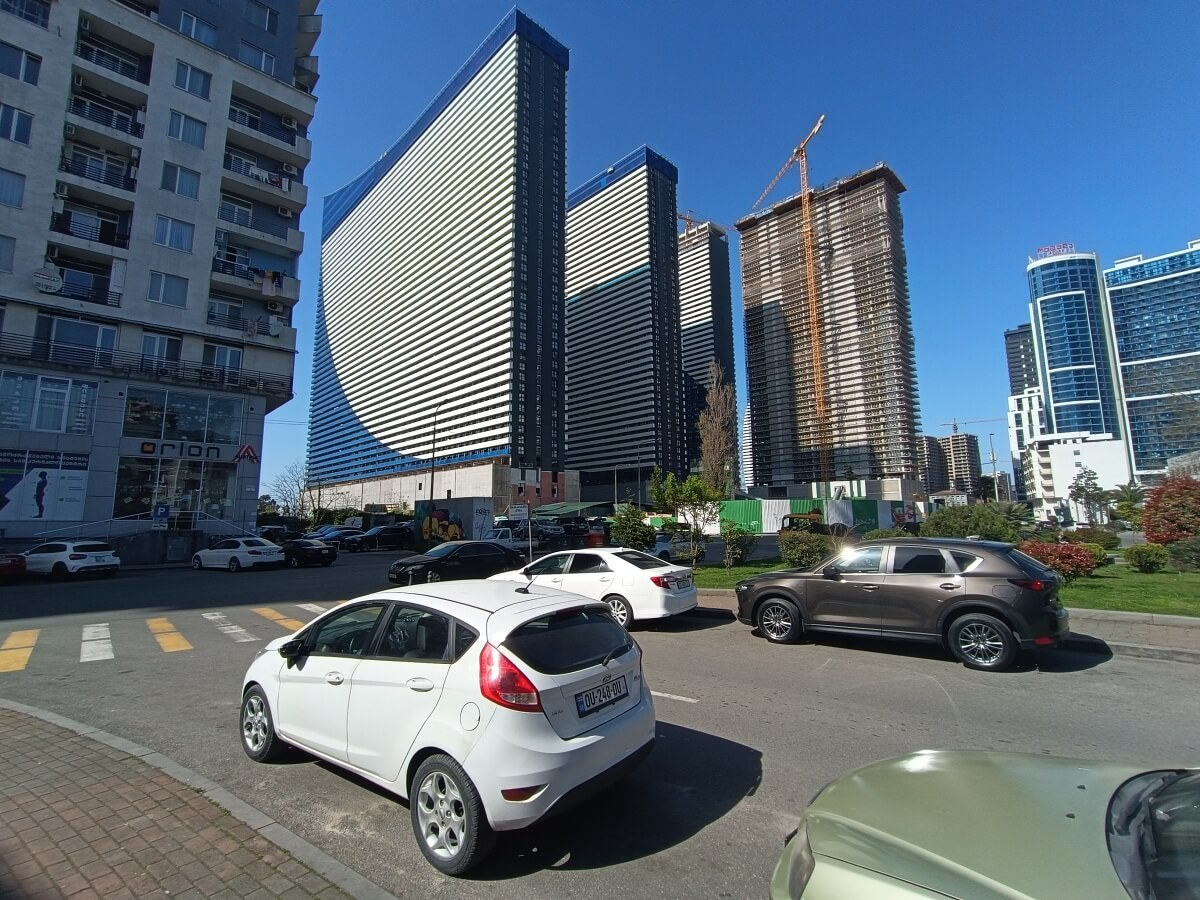
The true centerpiece of Batumi’s high-rise district is the four-tower complex of Orbi City. These buildings are so massive that they are clearly visible from the window of an arriving airplane several minutes before landing. The towers are filled with apartments, most of which are purchased as investment properties.
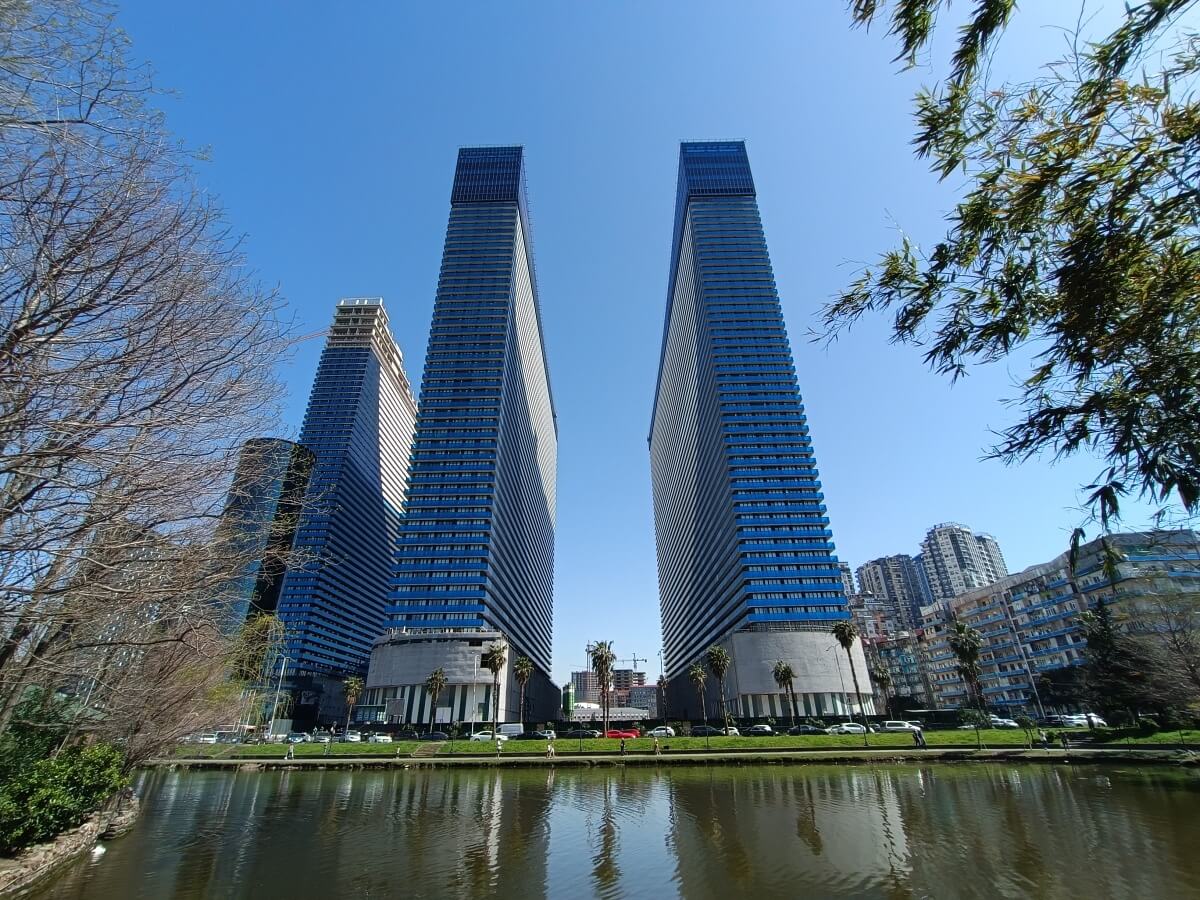
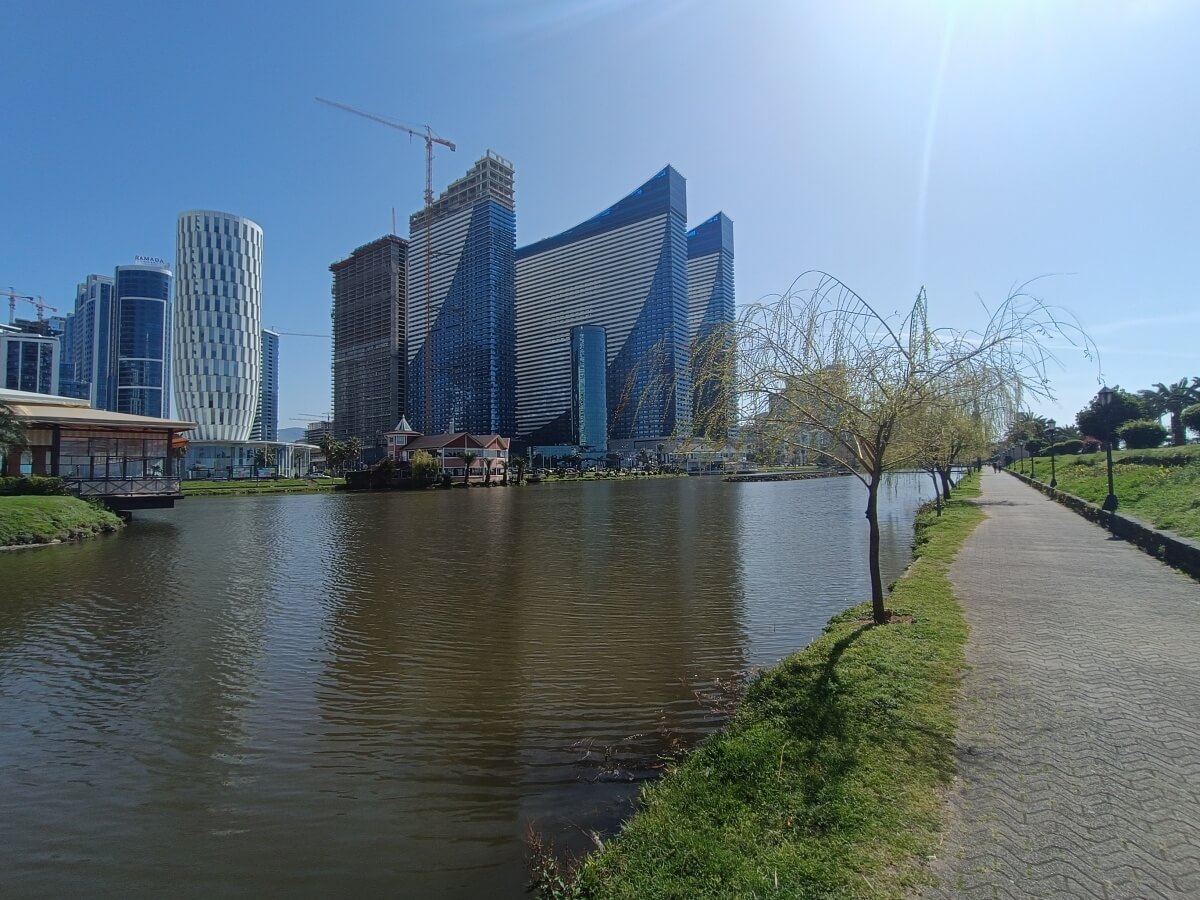
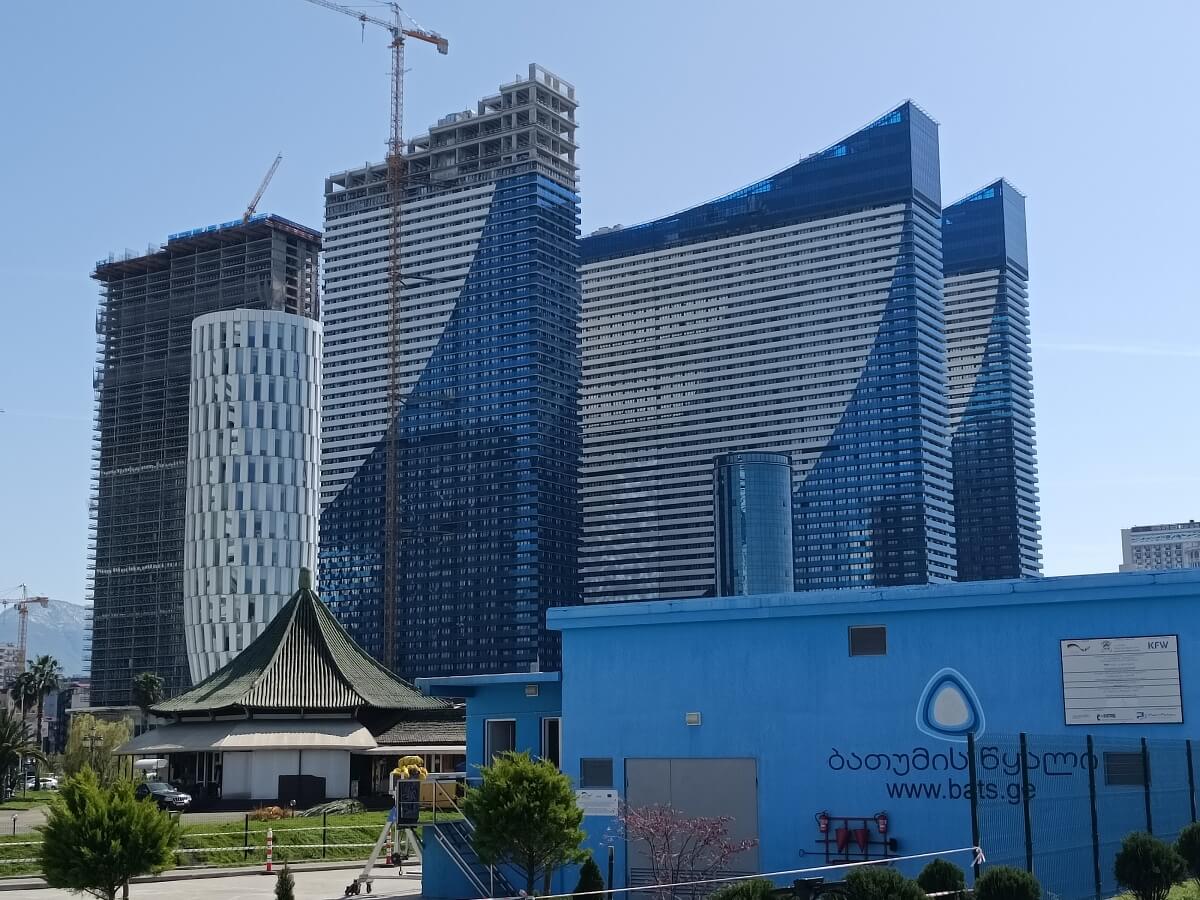
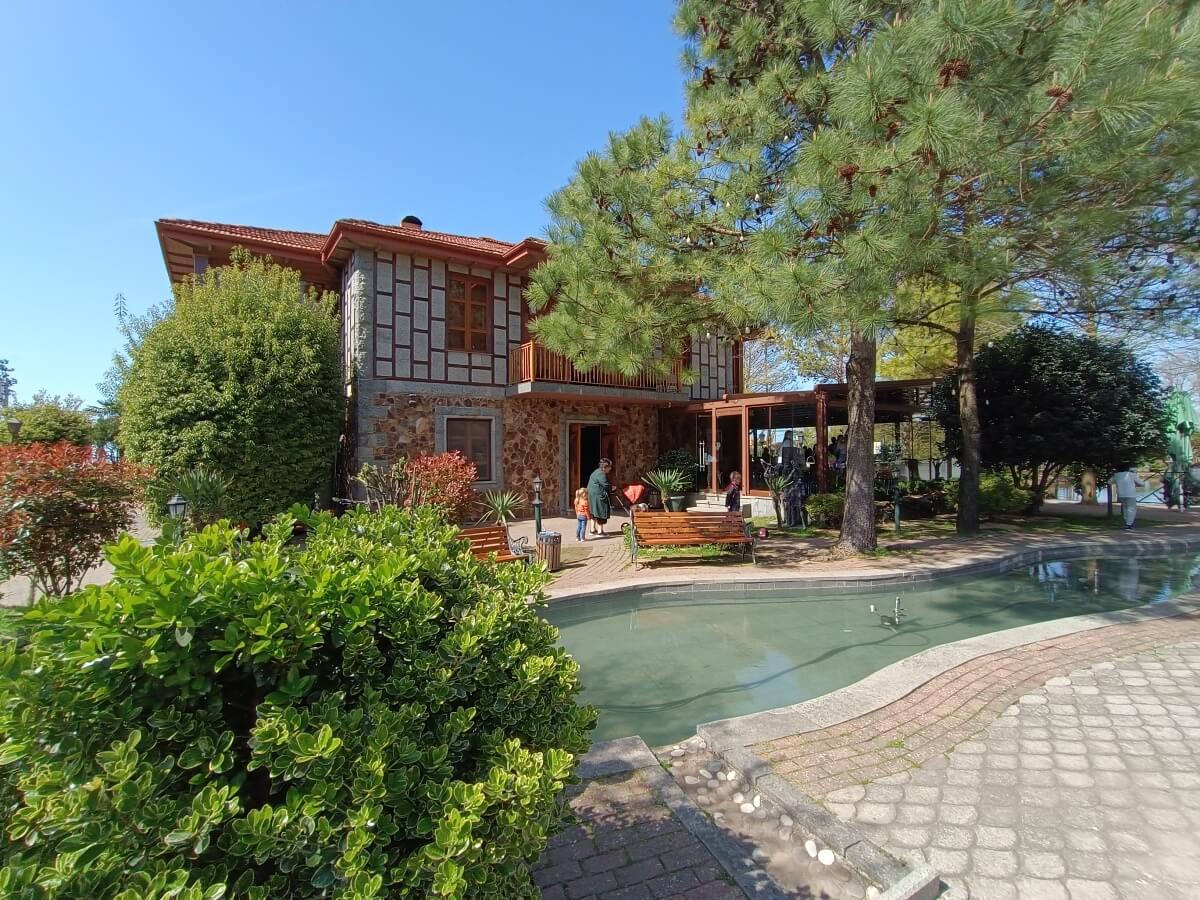
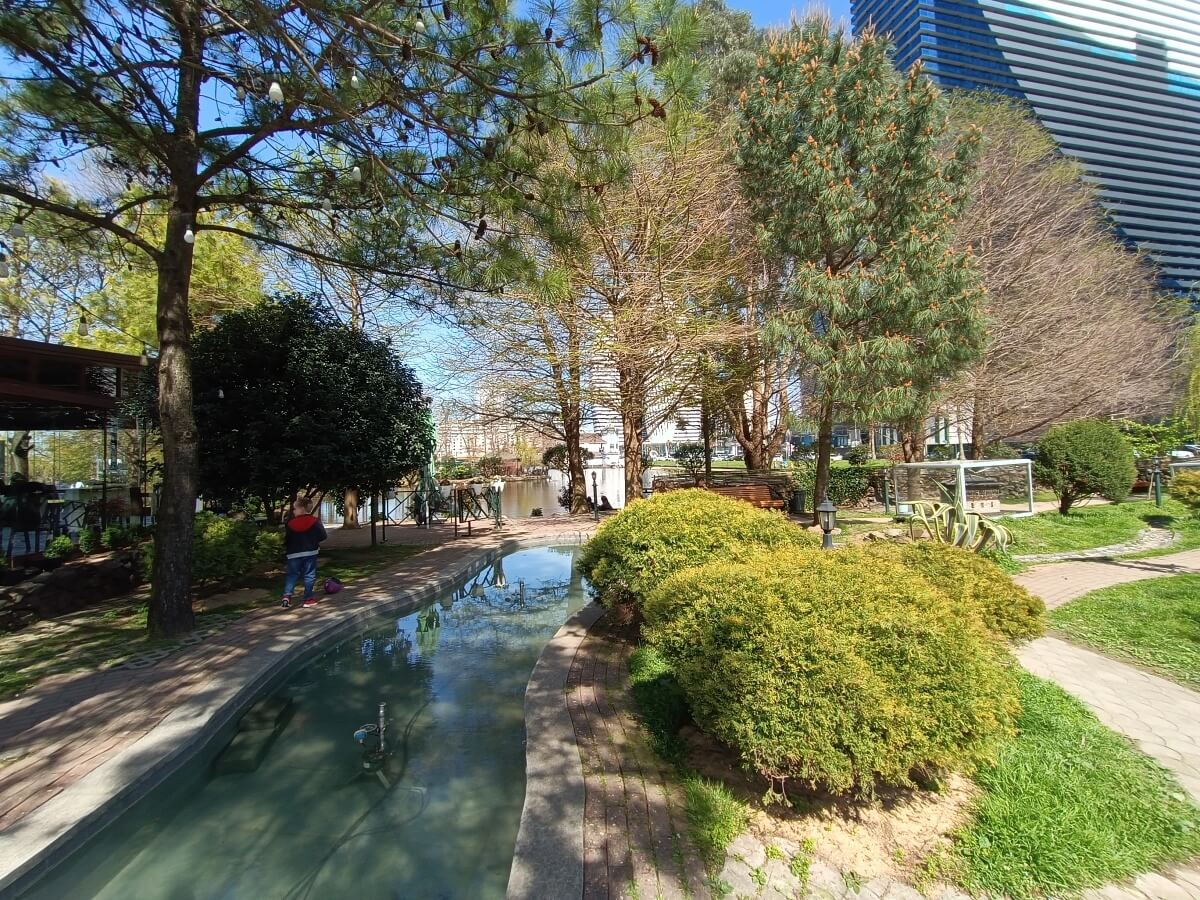
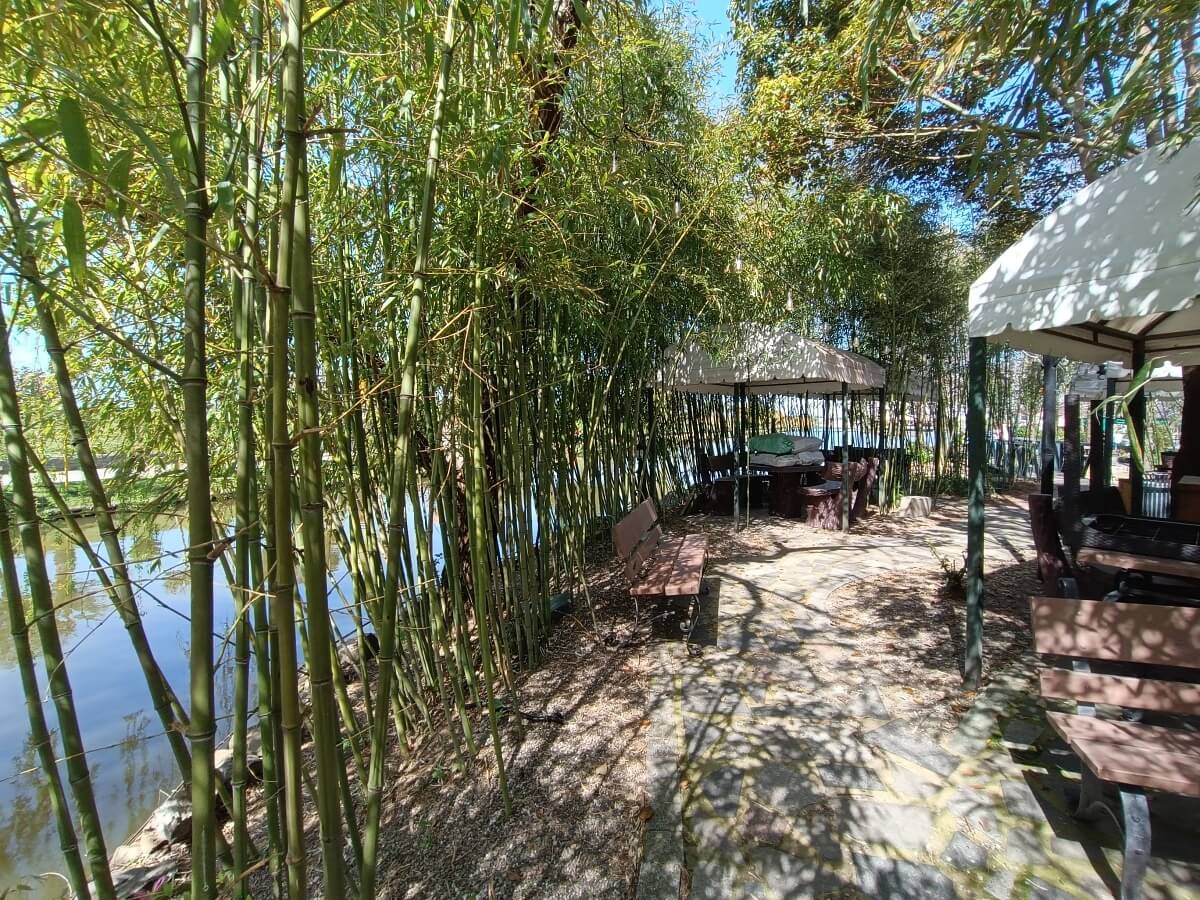
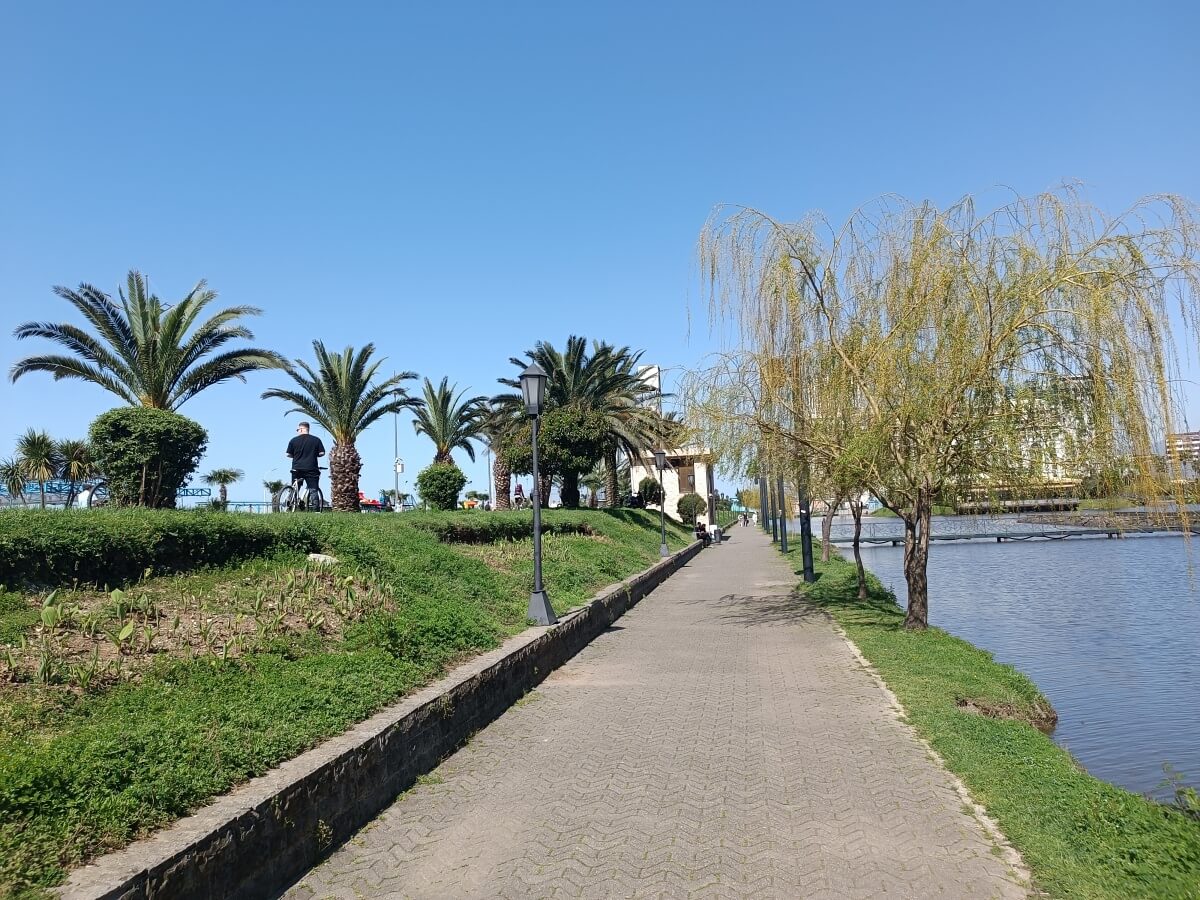
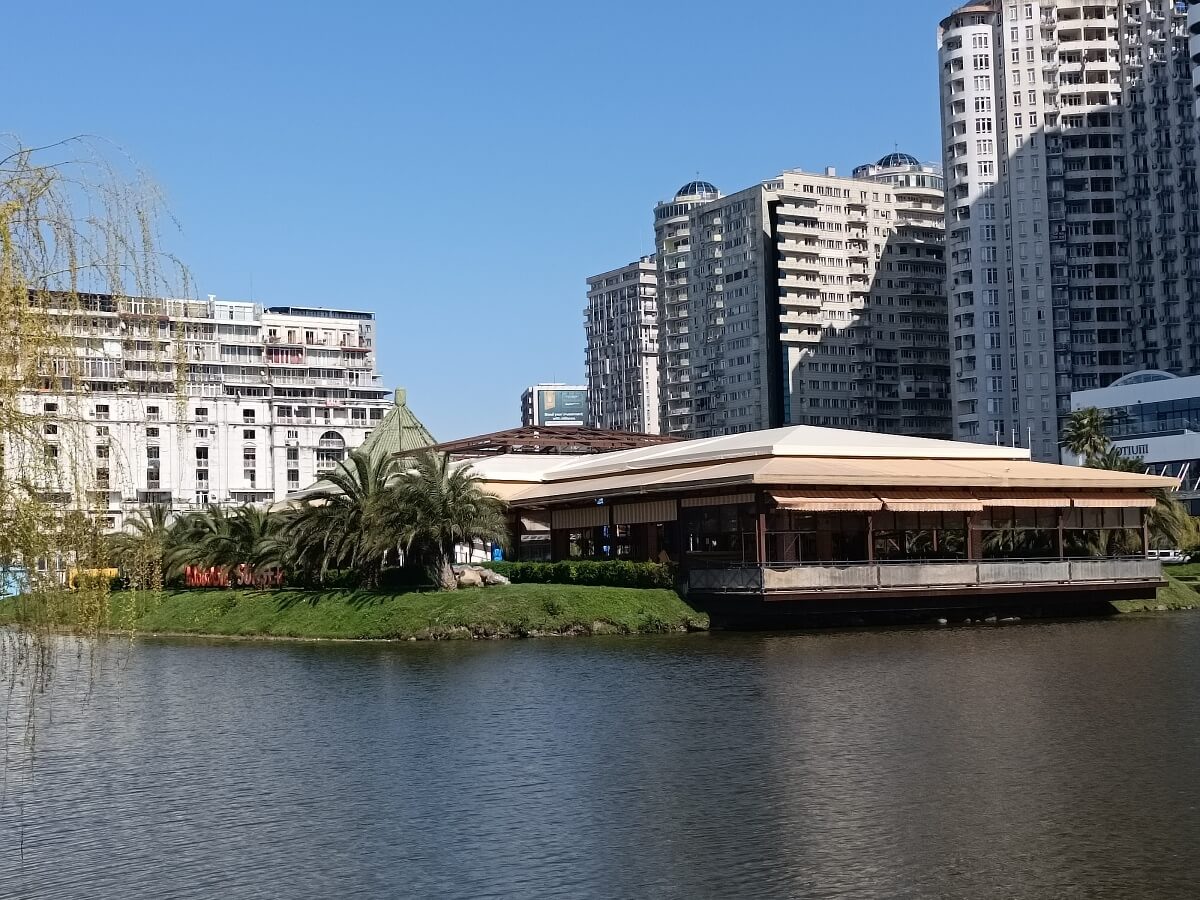
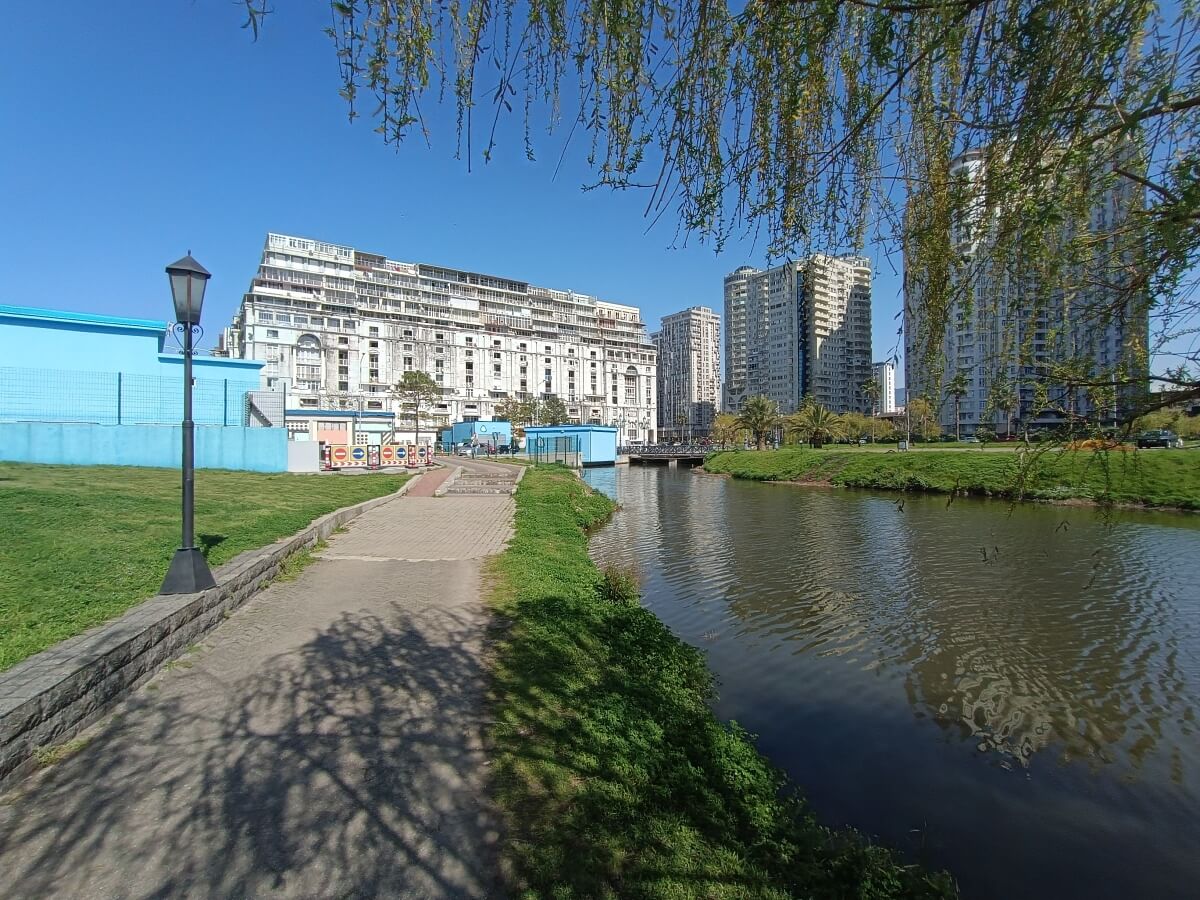
The Khimshiashvili district is also home to one of Batumi’s two lakes — Lake Ardagani. It is named after what is now a Turkish city that once belonged to historic Adjara. The scenery here is beautiful:
And from the opposite shore:
The promenade continues past the infamous White Magnolia residential complex. The pedestrian area itself is well designed, though the troubled building will likely be demolished one day. A major developer is already interested in redeveloping the site.
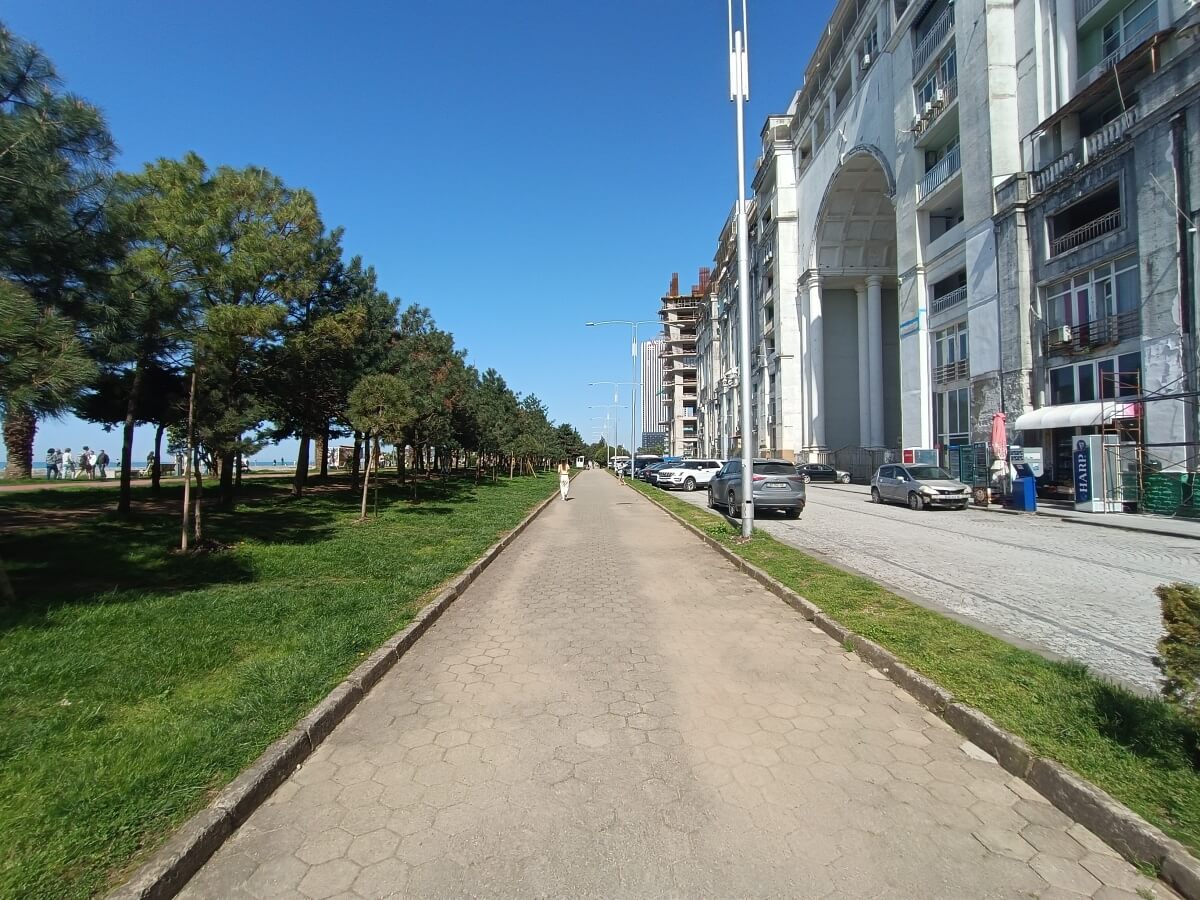
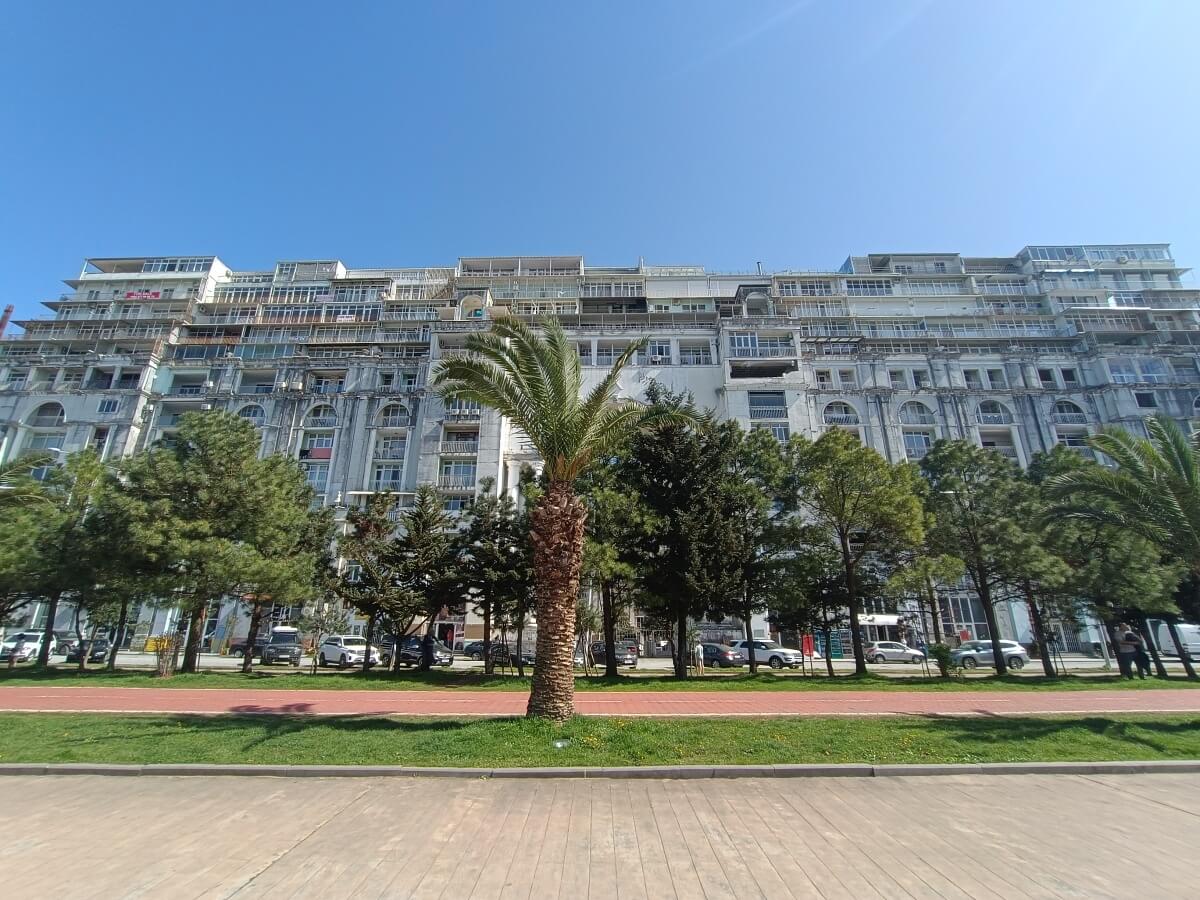
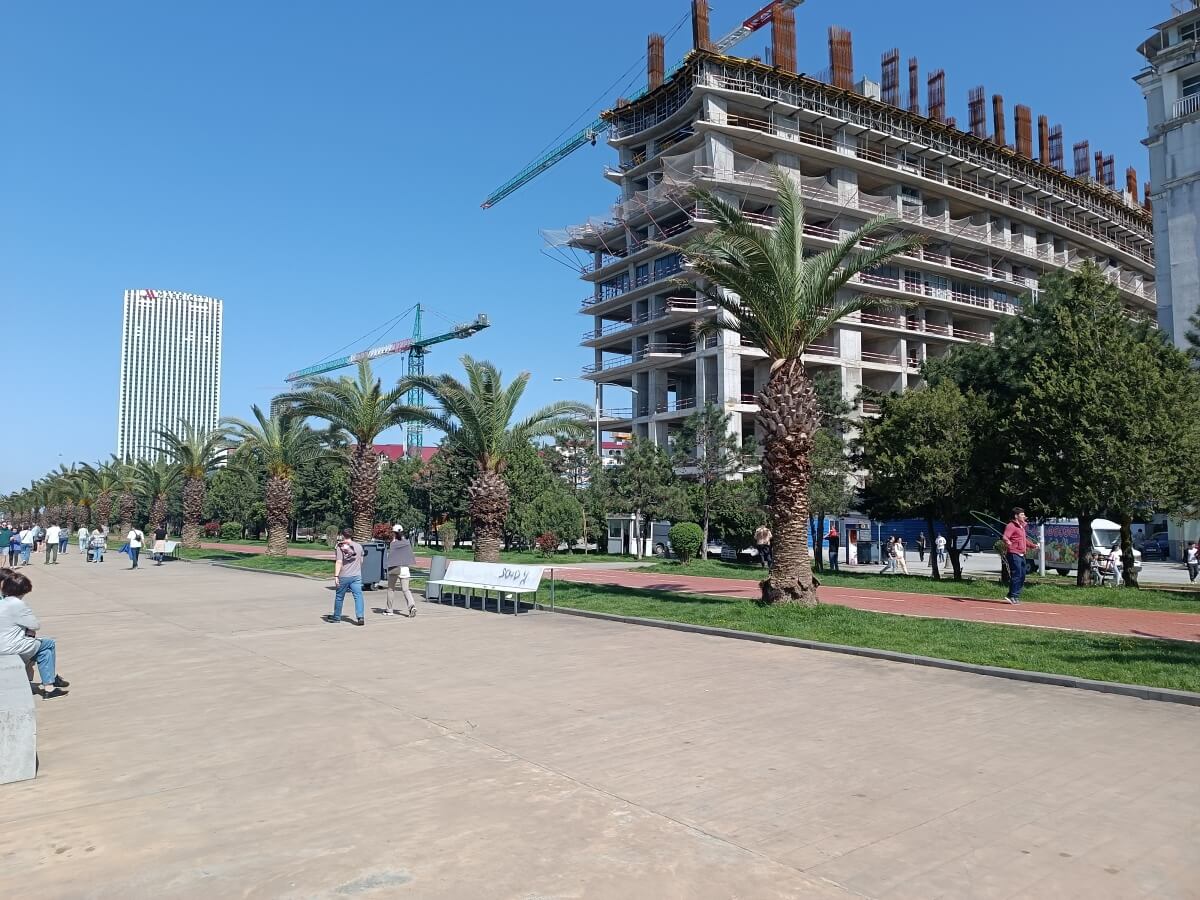
Incidentally, this same developer is currently transforming the location of the former “Luzhkov House”:
The second and third lines of Khimshiashvili are naturally less polished than the first coastline, yet the district still maintains its prestige and high-rise character. After all, this is the most expensive area in the city — its public face and economic engine.
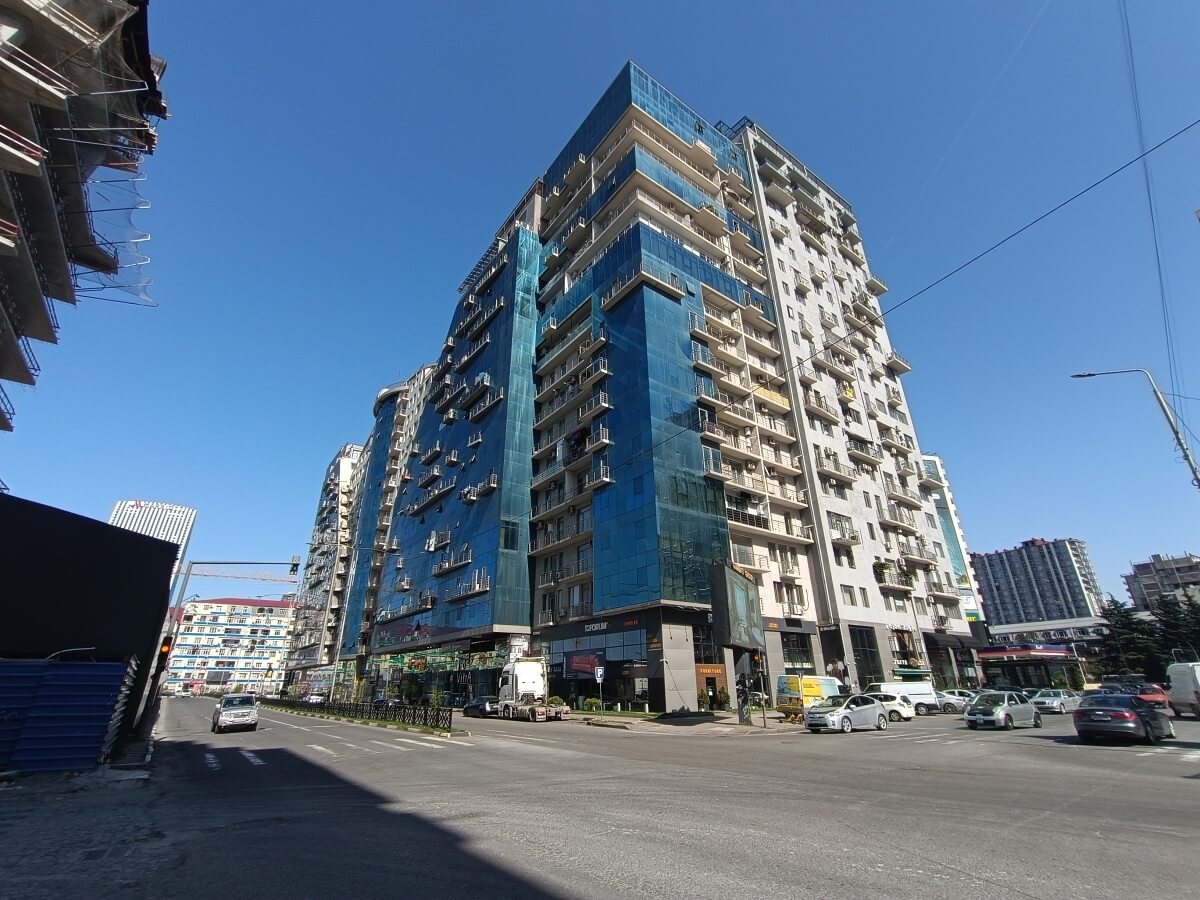
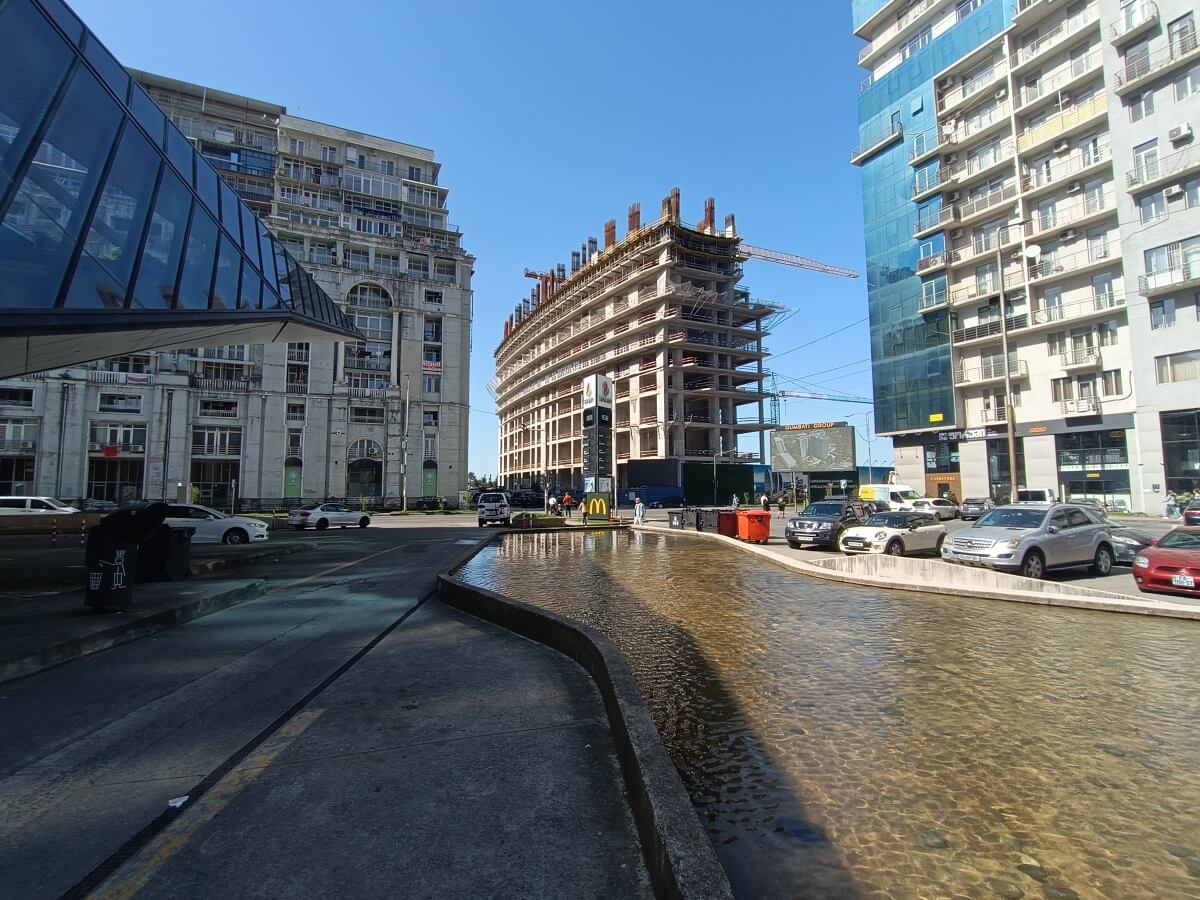
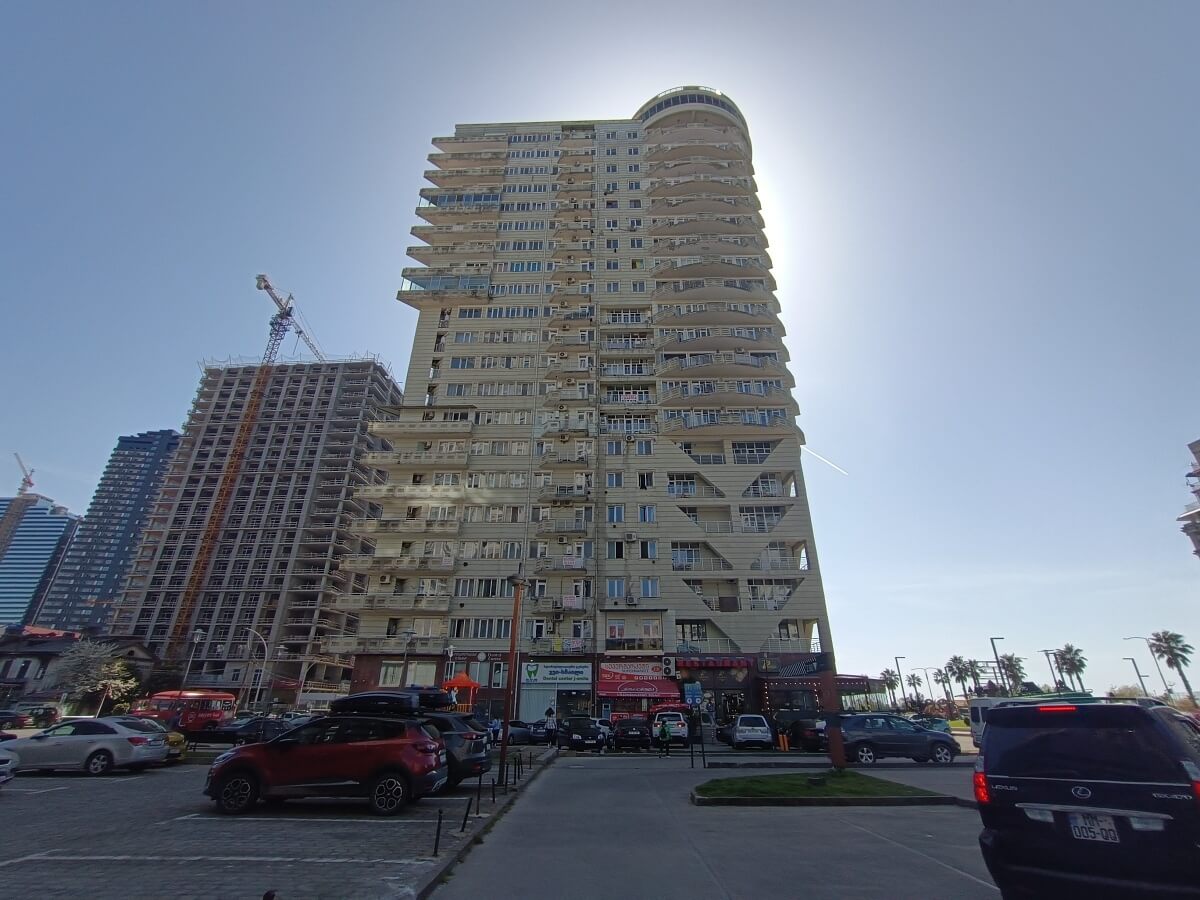
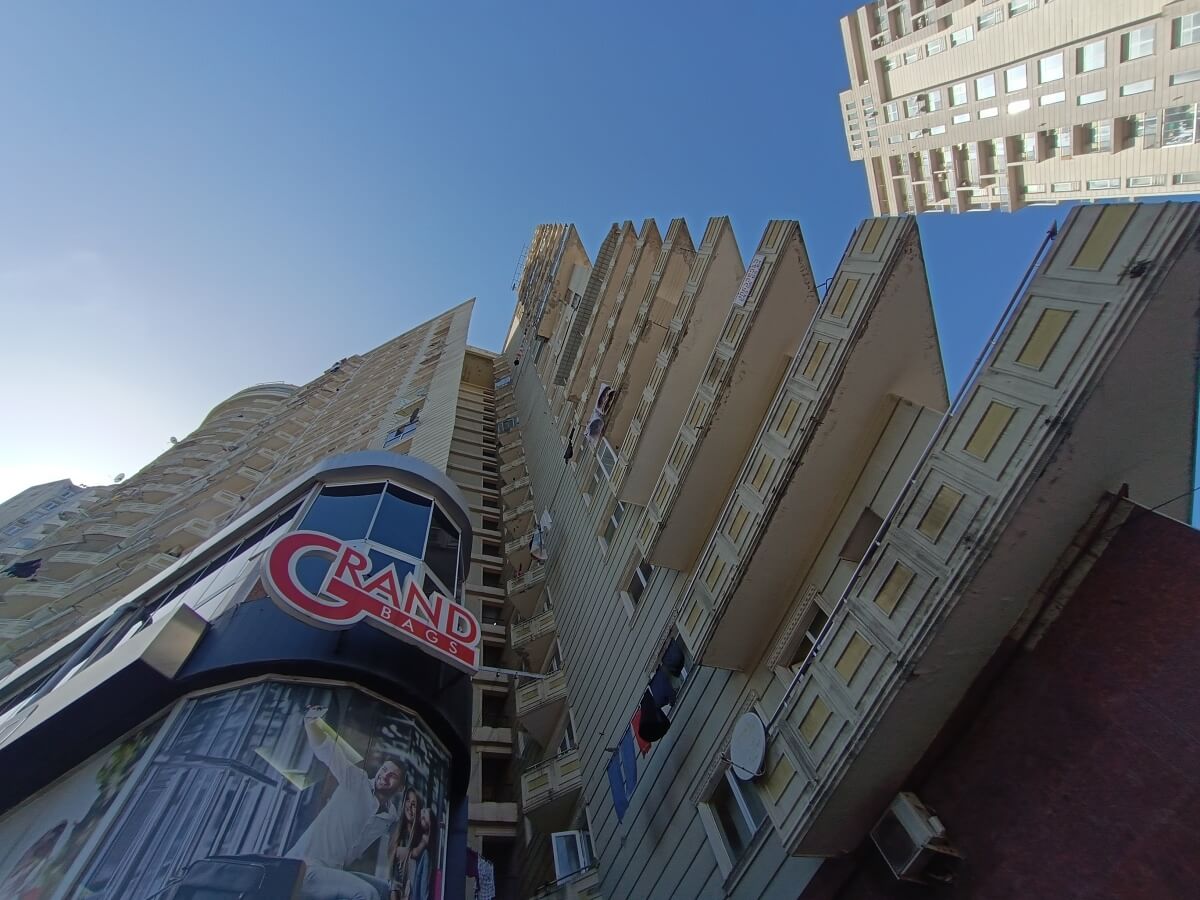
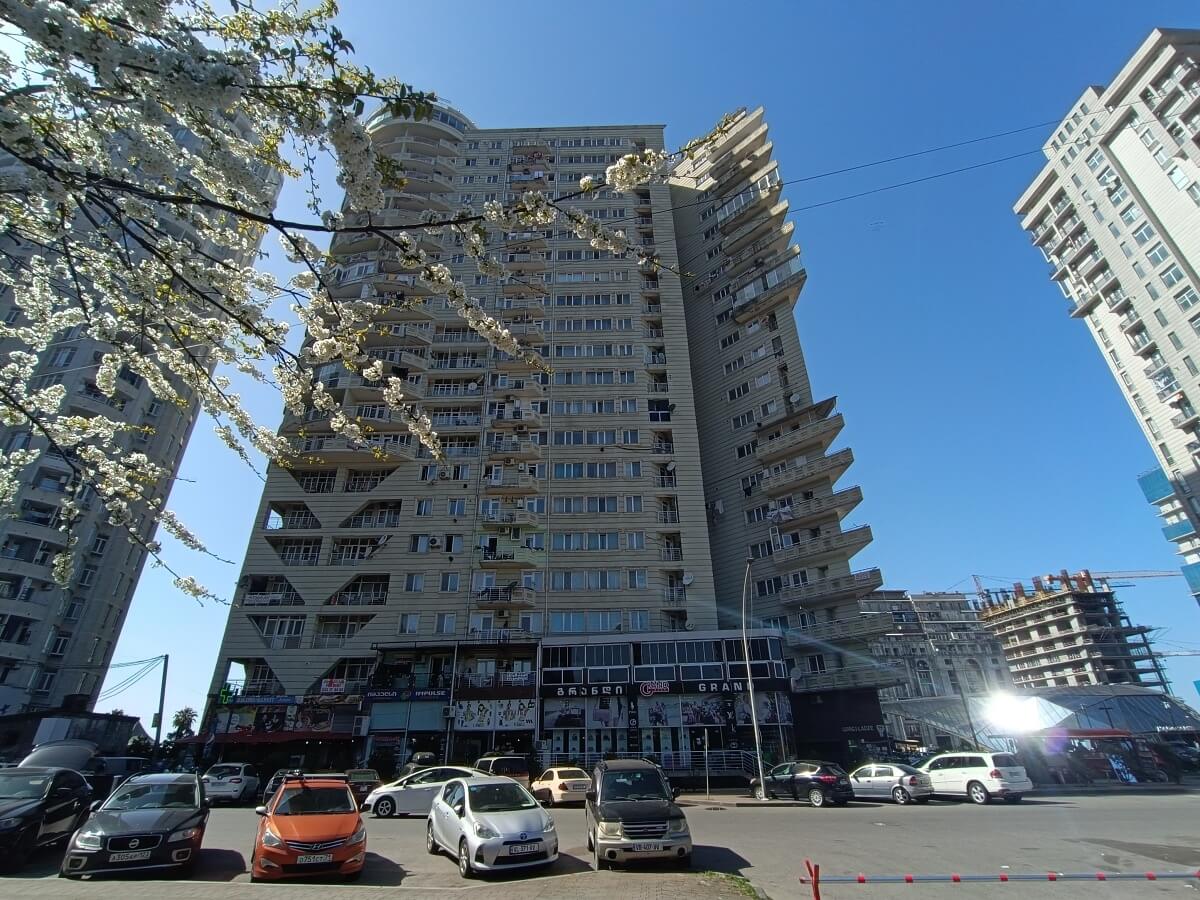
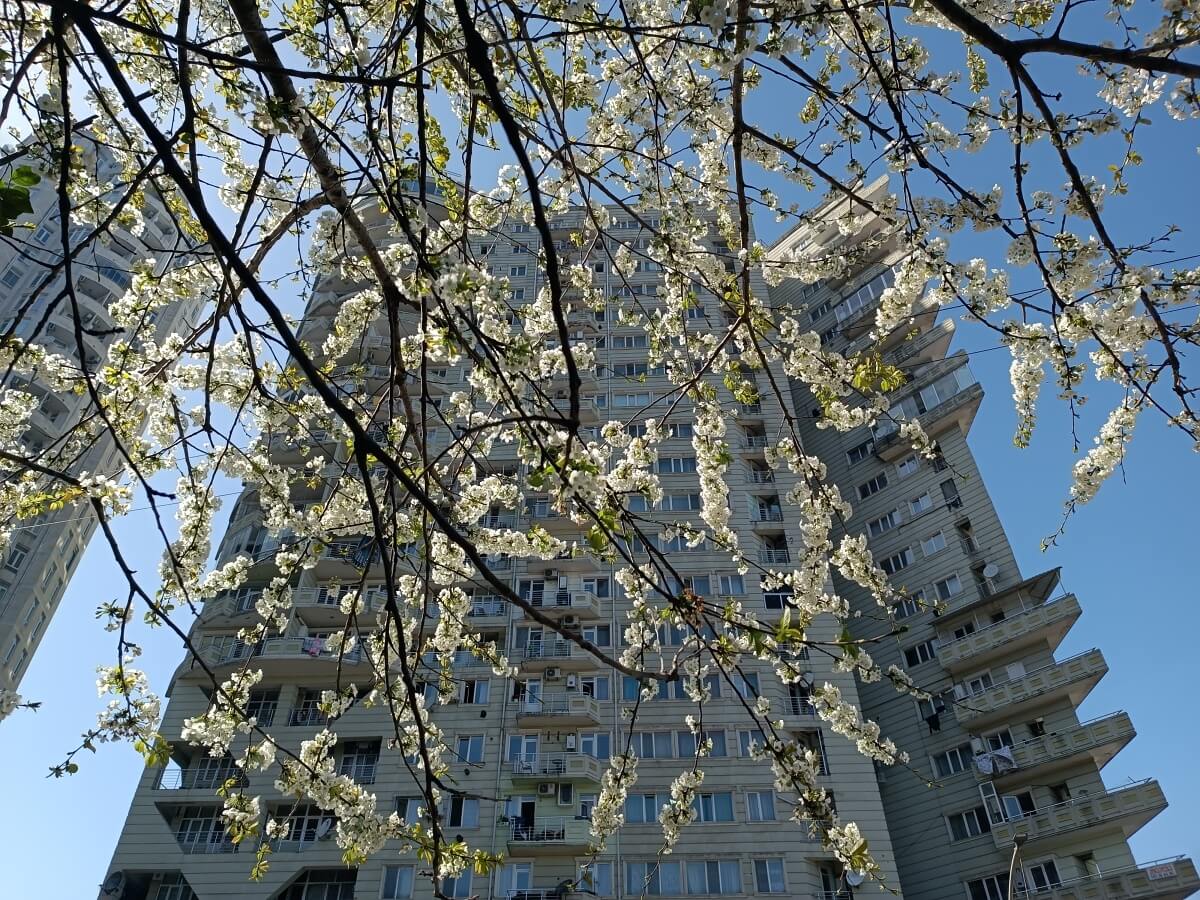
In some places, traces of old Batumi still remain — reminders of what the city looked like before the wave of investment capital transformed this port city into an international resort destination.
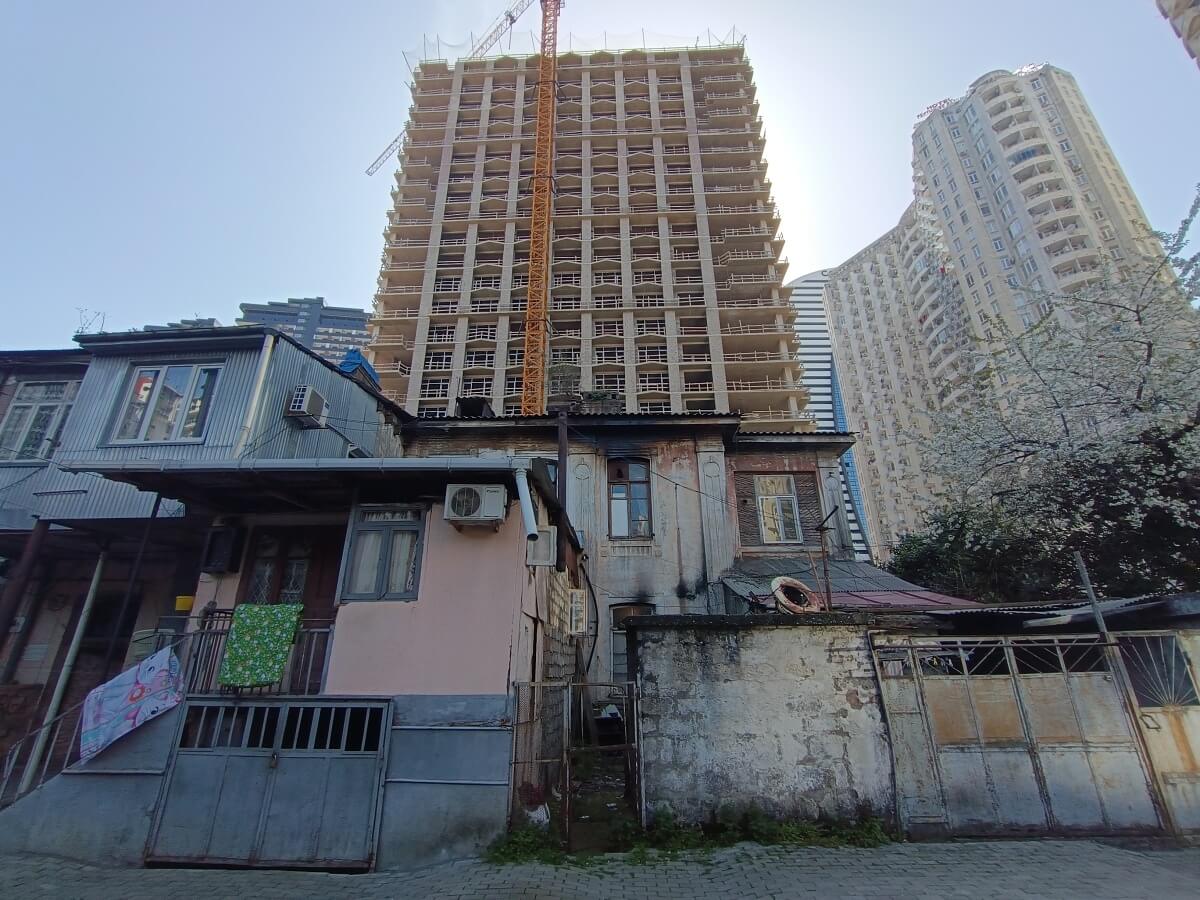
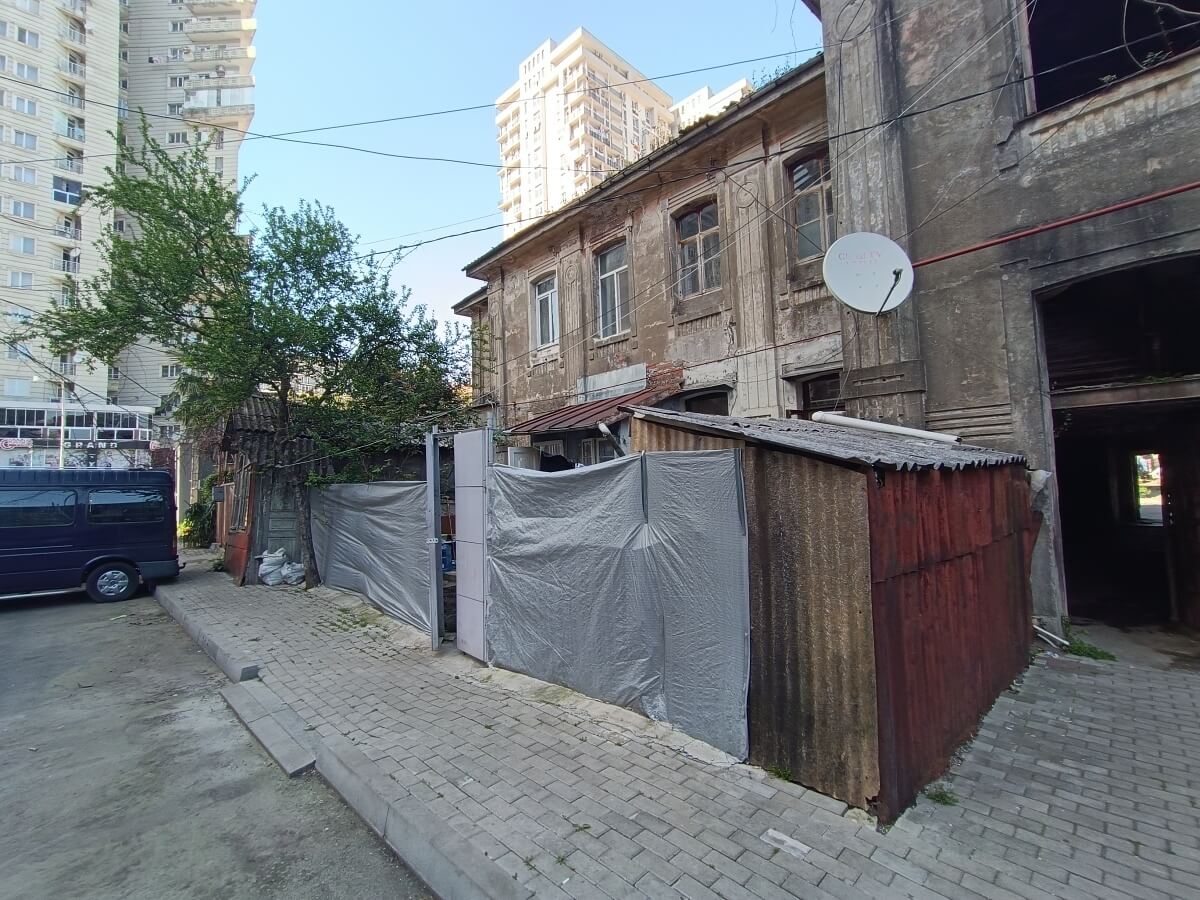
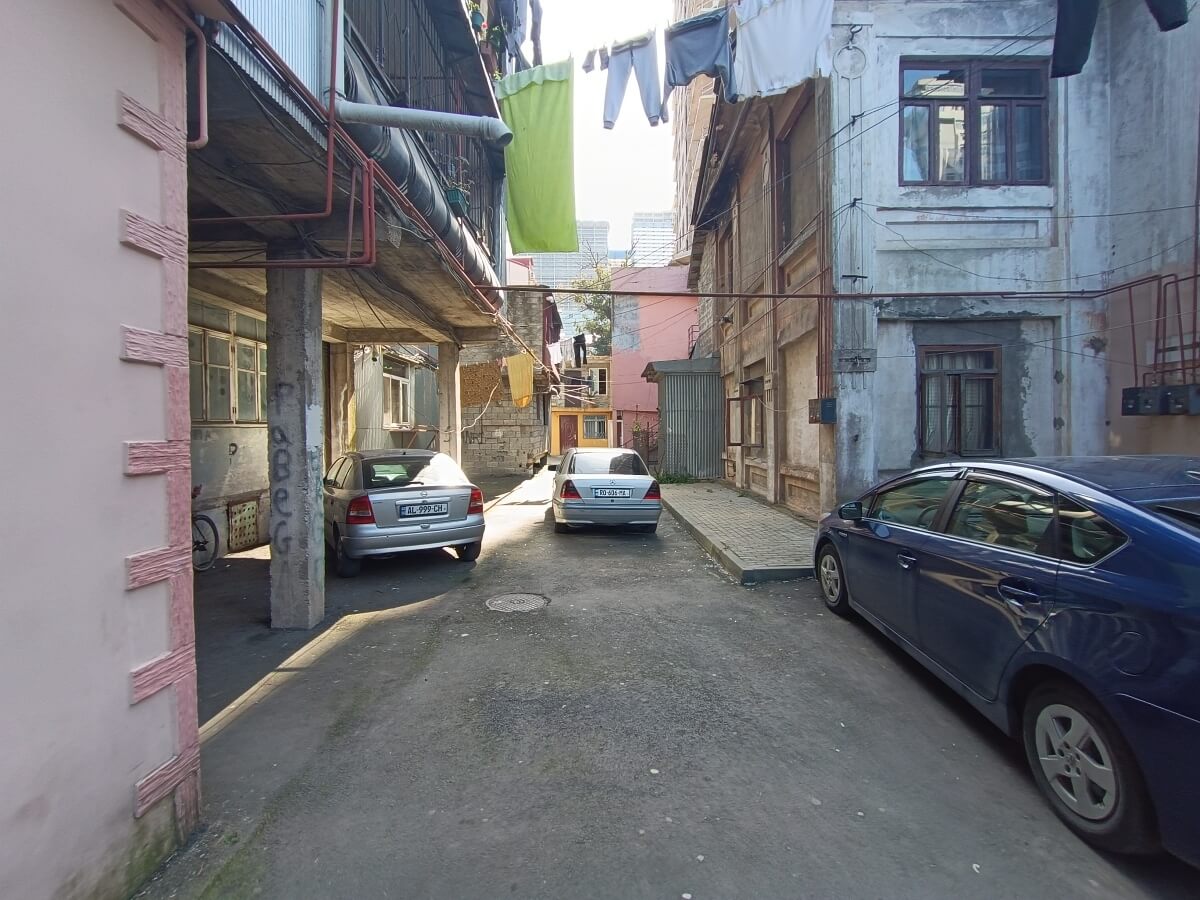
Still, there is little doubt that the surviving low-rise buildings from the past, the remnants of private homes, and perhaps even the Soviet-era apartment blocks have limited time left. Much depends on market conditions, of course, but the central district continues to attract major investment.
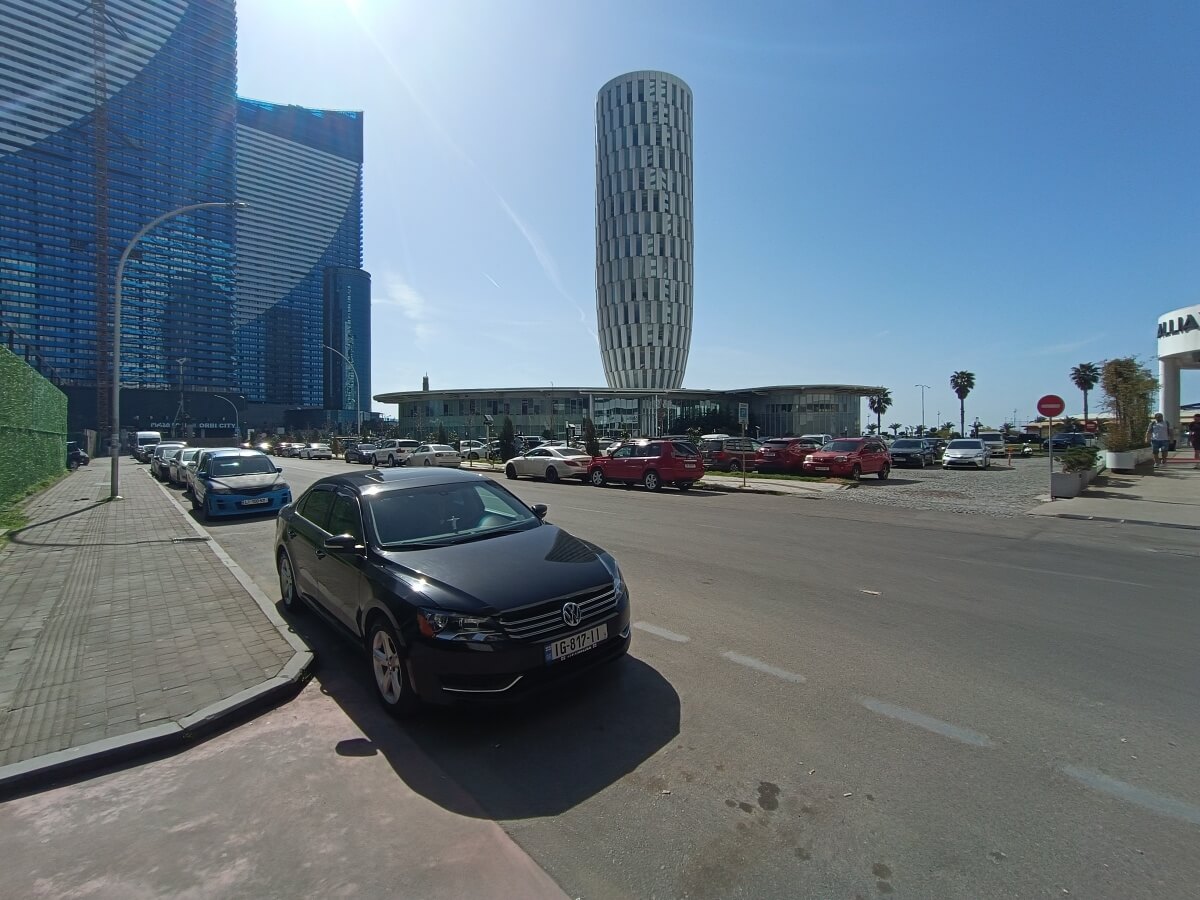
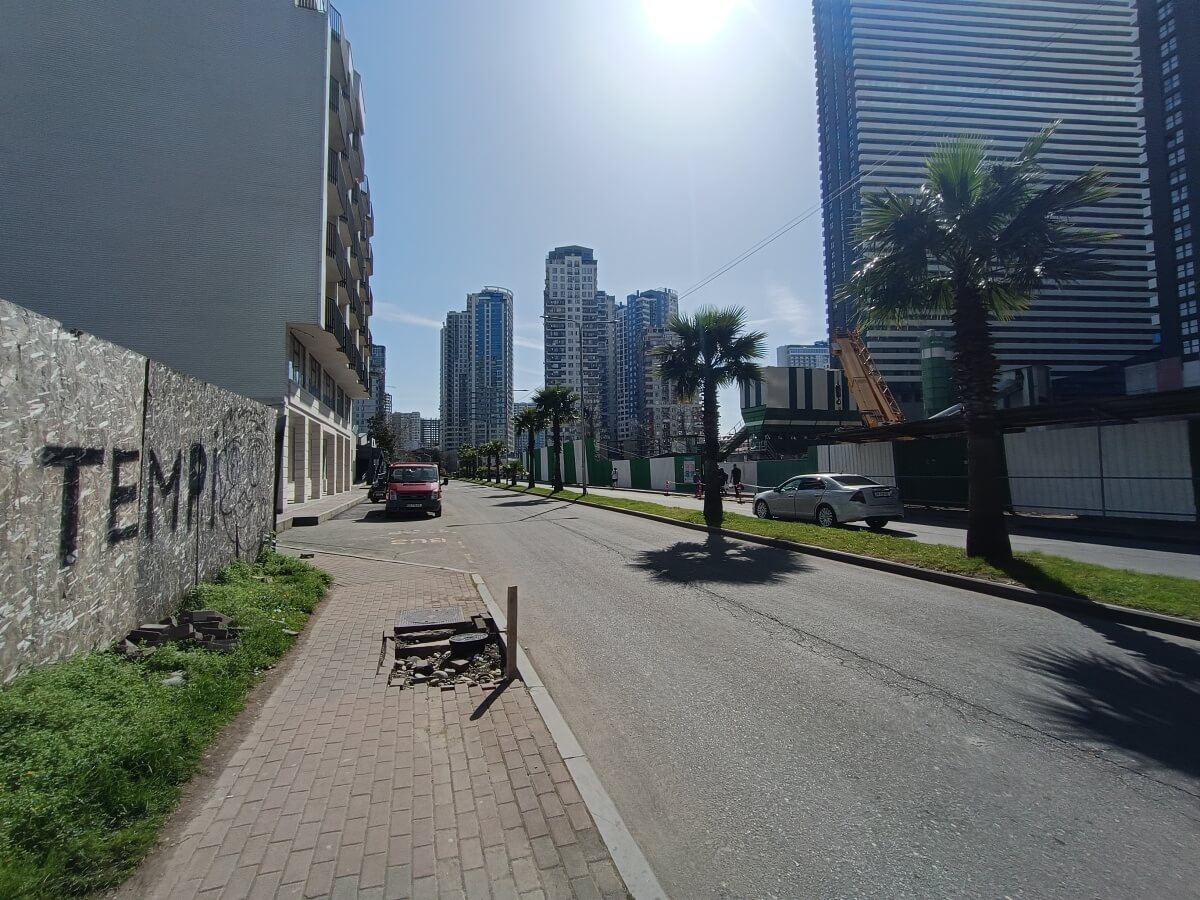
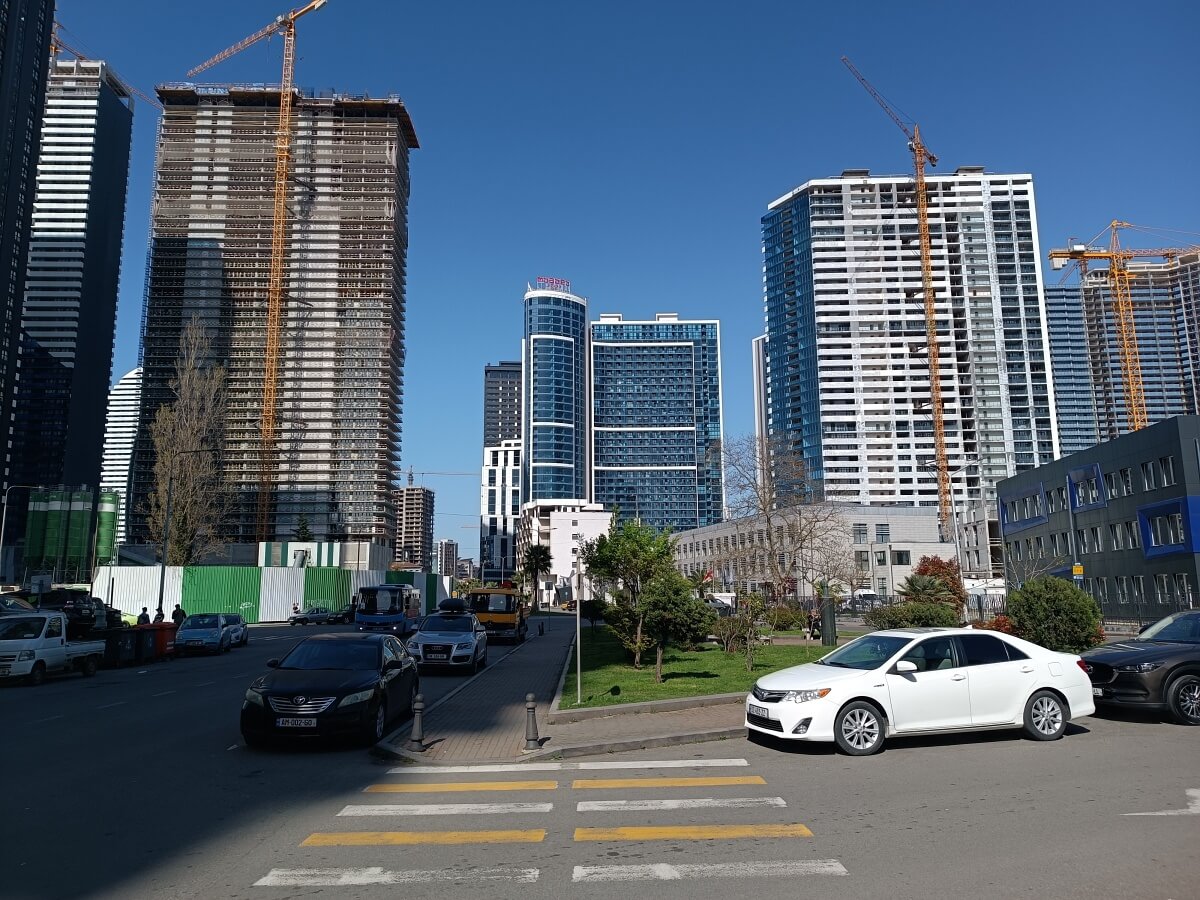
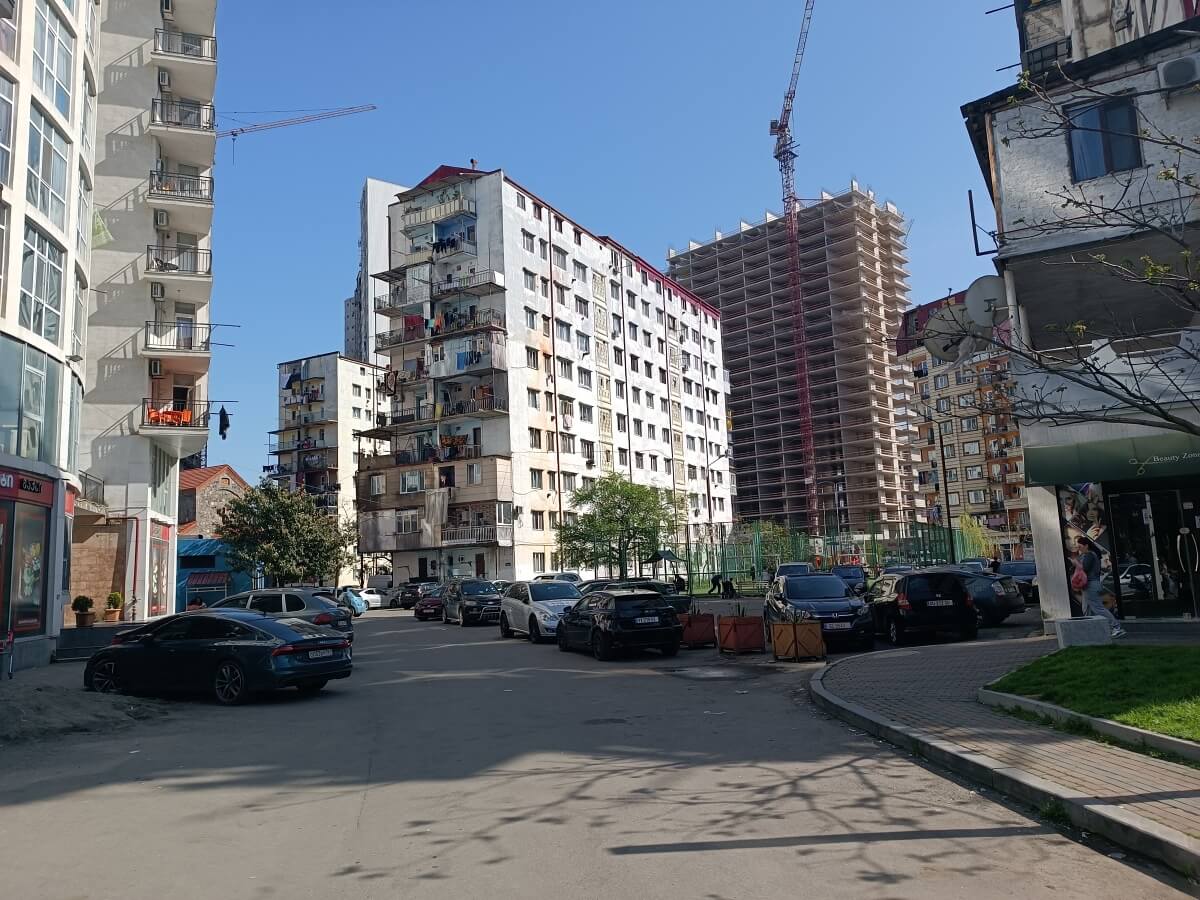
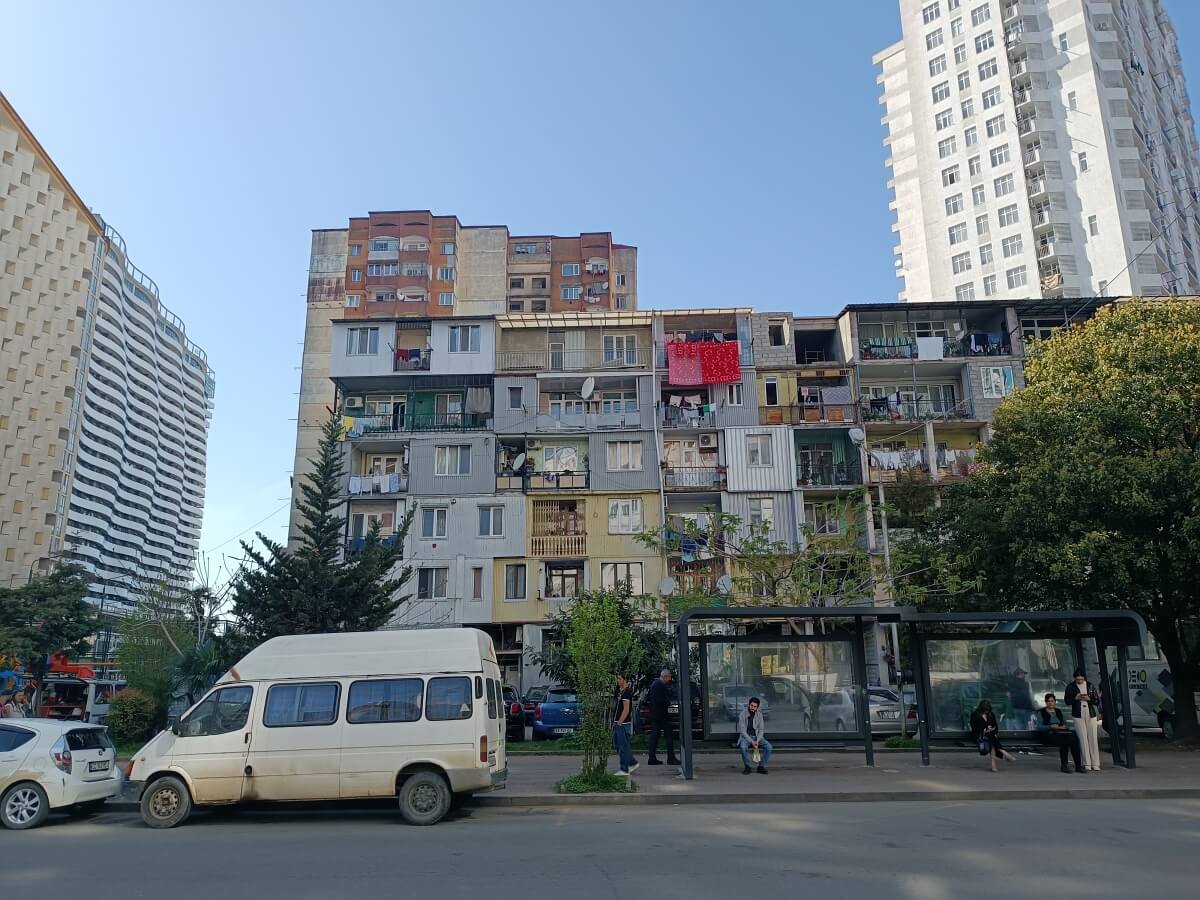
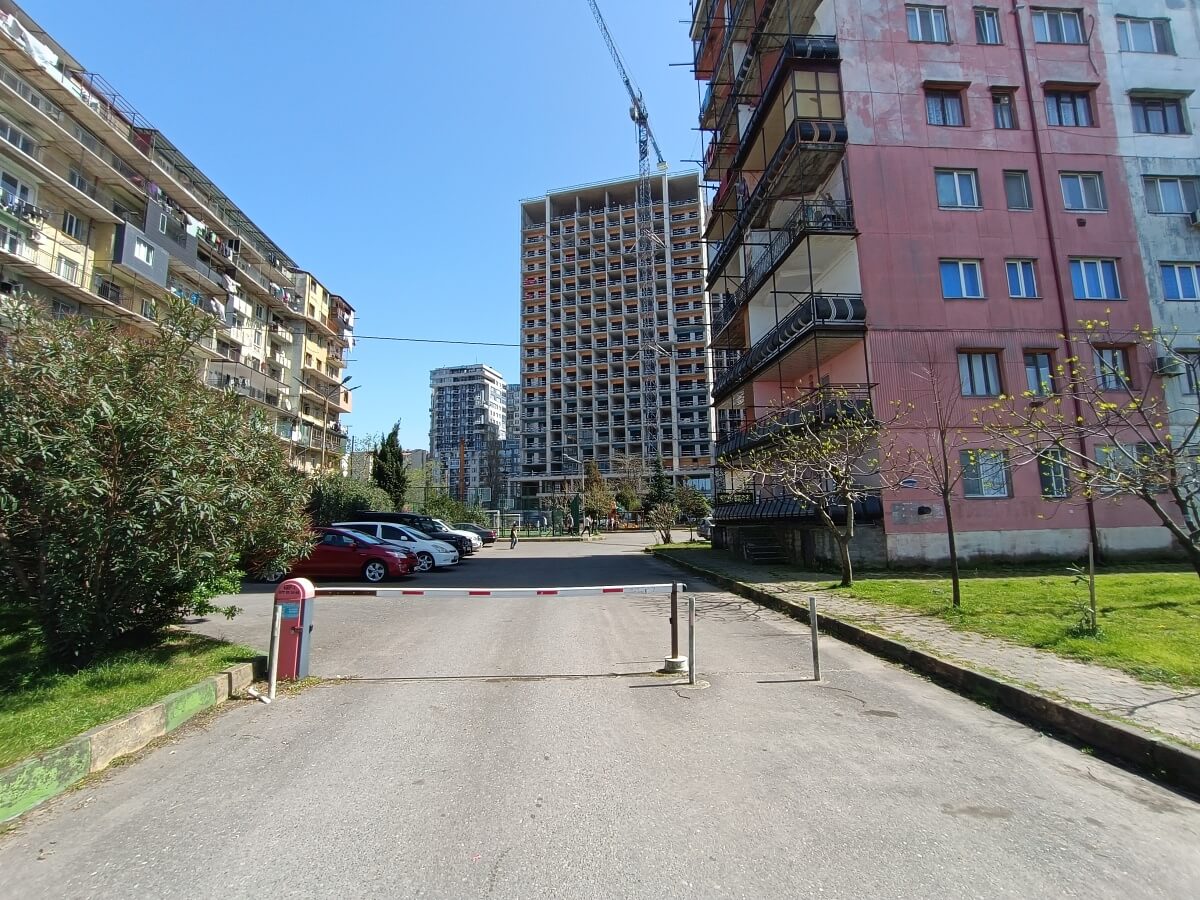
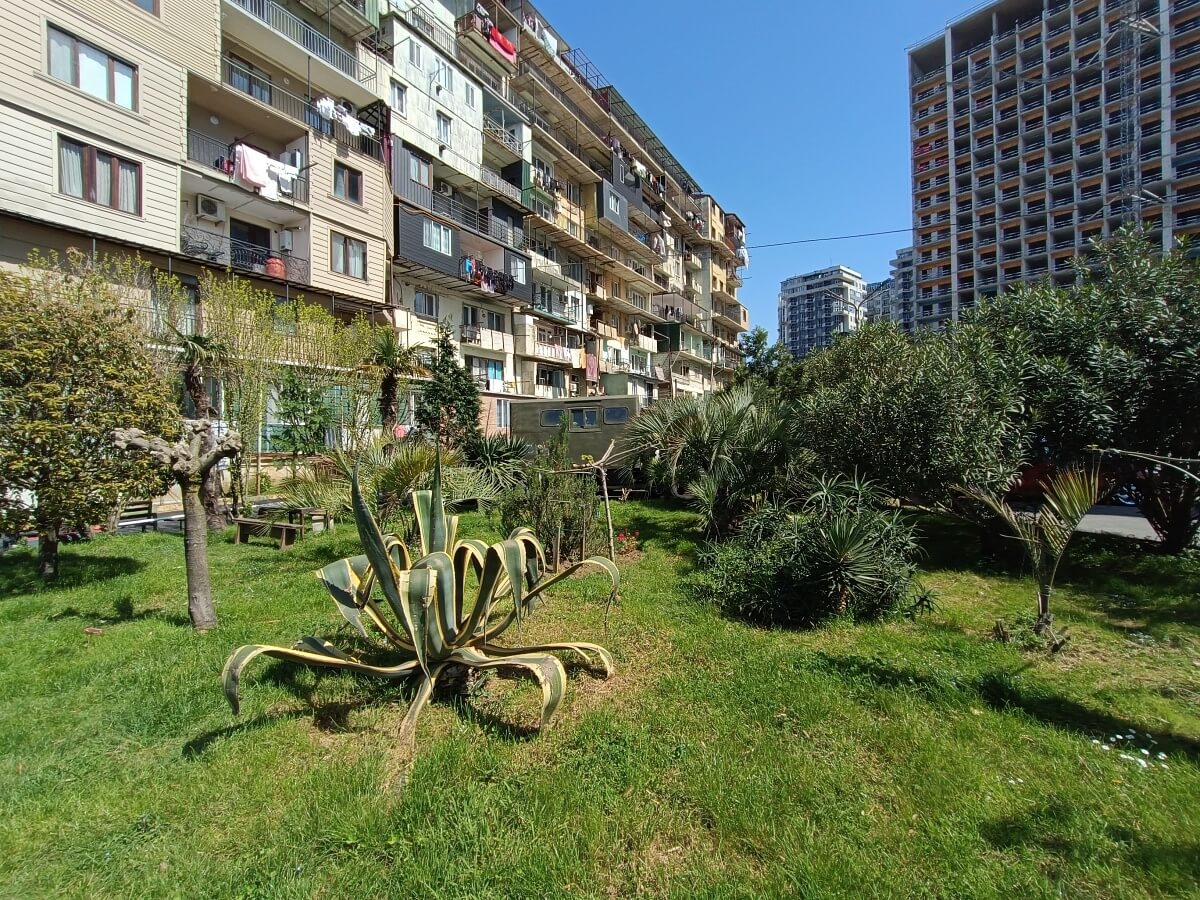
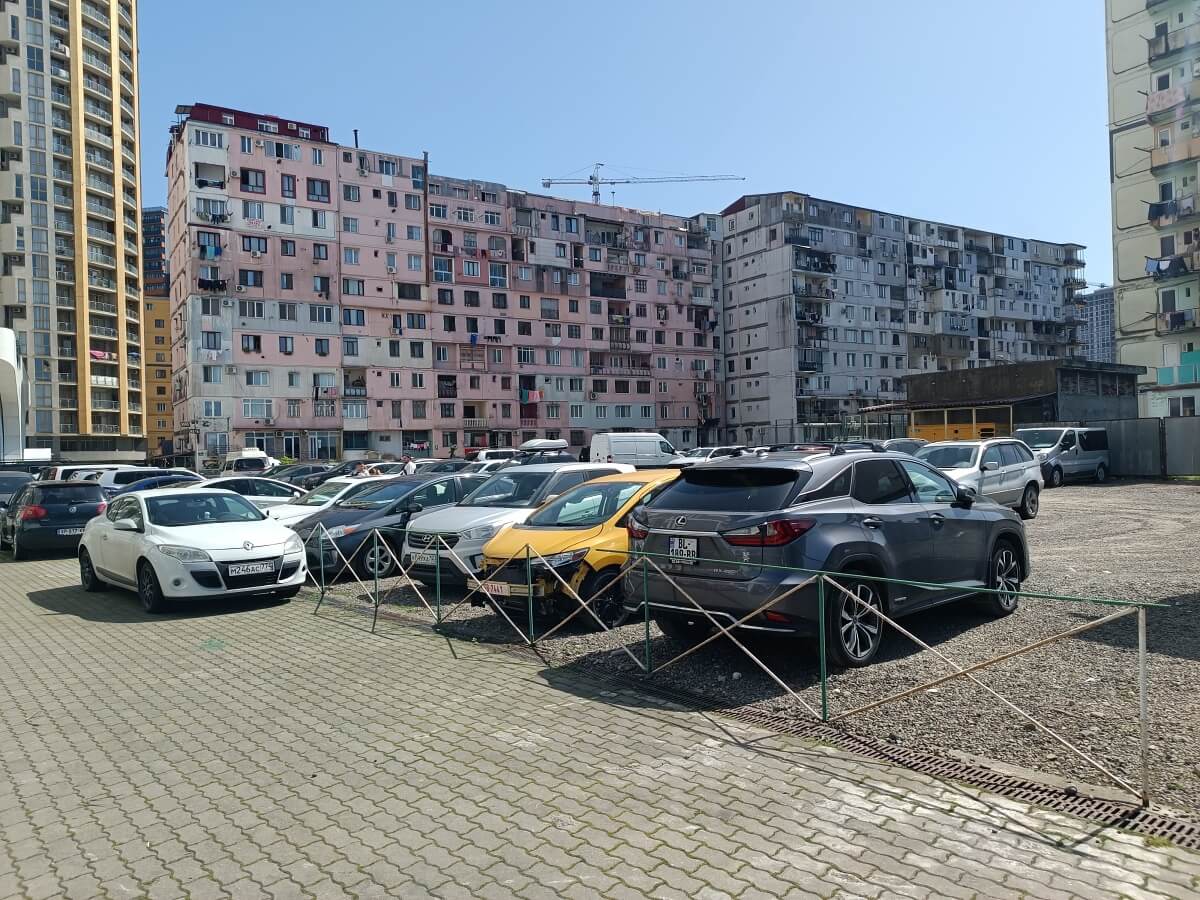
For now, however, the old nine-story Soviet panel buildings are still standing, though they have been visually overwhelmed by the surrounding skyscrapers. Sometimes you have to actively search for them among the towers:
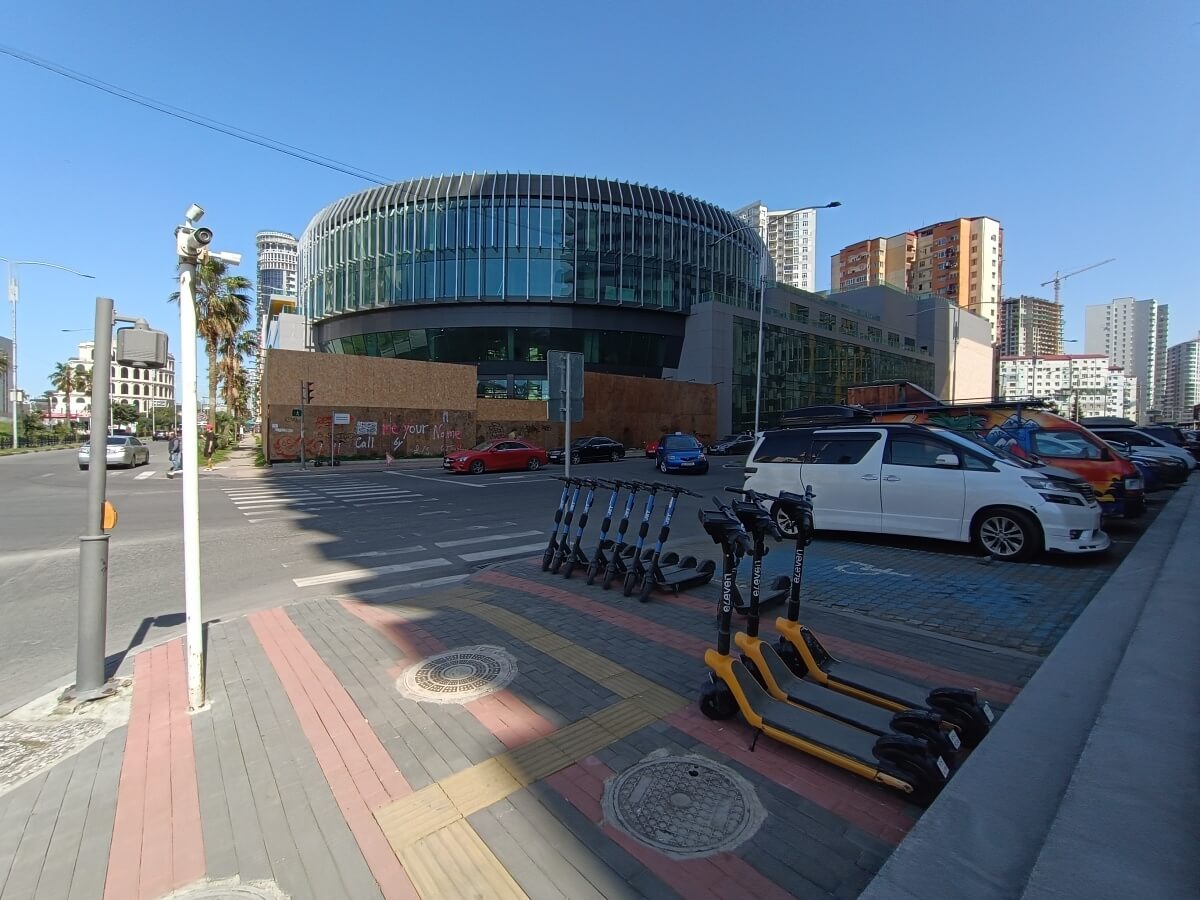
The new and largest shopping center in the city — Batumi Grand Mall:
This is how cities change.