June 13 tragedy and dangerous zone for construction
June 13 - a day that had a transformative impact on the consciousness of the residents of Georgia
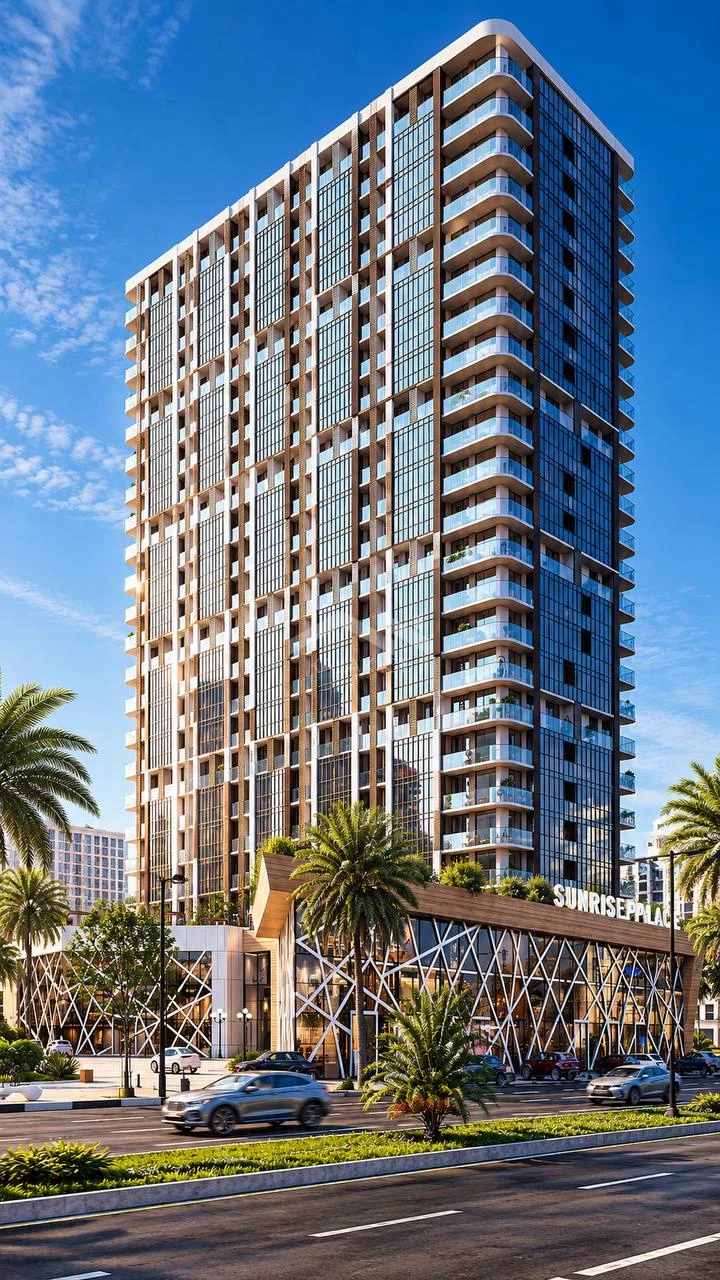
პეტრე ბაგრატიონის ქუჩა, 1
1
57 m²
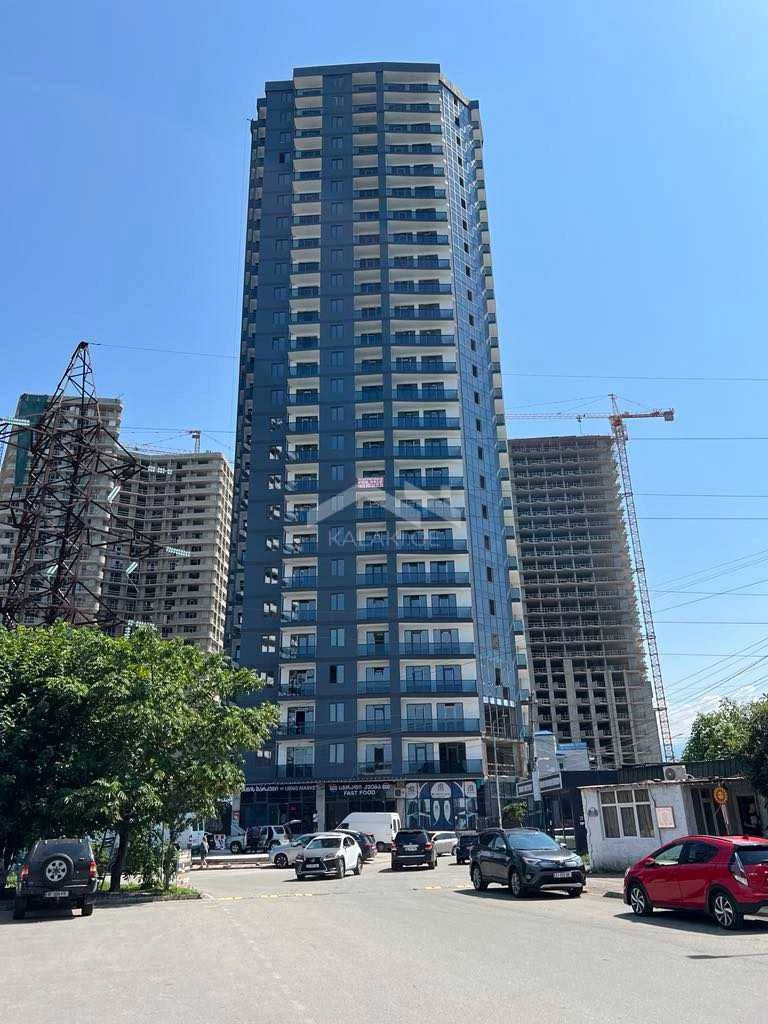
გრიგოლ ლორთქიფანიძის ქუჩა, 1
1
61.5 m²
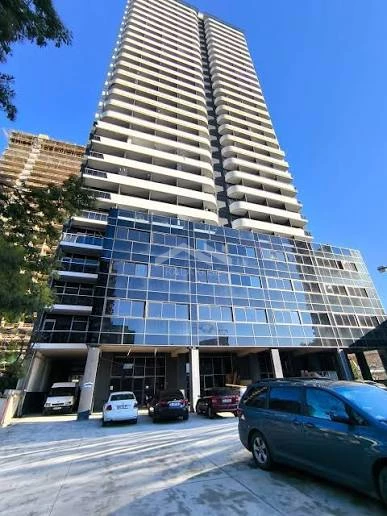
ანგისის ჩიხი, 1
1
55 m²
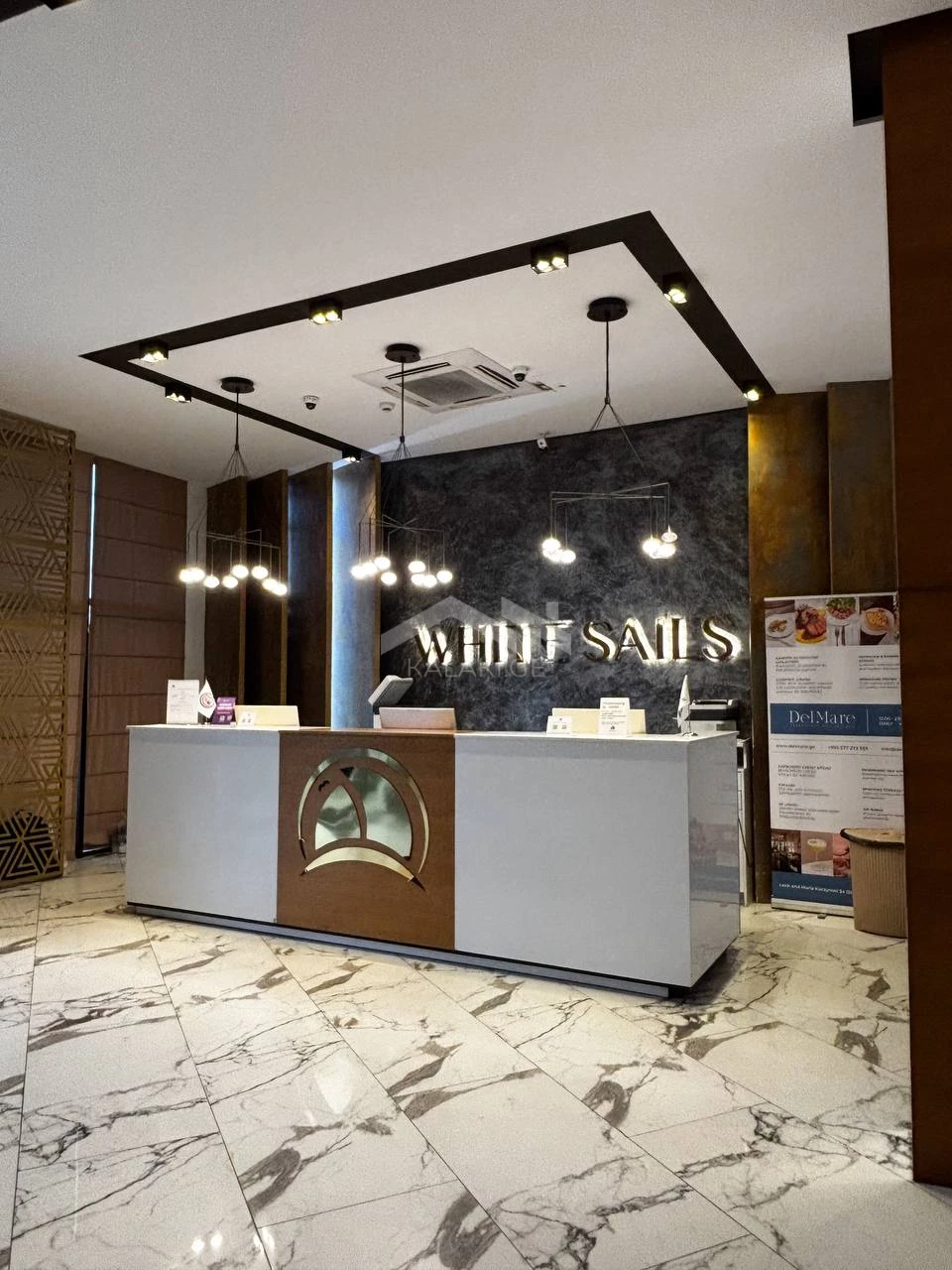
ლეხ და მარია კაჩინსკების ქუჩა, 1
1
35 m²
ანგისის ჩიხი, 1
1
46 m²
ანგისის ჩიხი, 1
1
80 m²
June 13 - a day that had a transformative impact on the consciousness of the residents of Georgia
June 13 - a day that had a transformative impact on the consciousness of the residents of Georgia. The tragic event that occurred in Tbilisi has entered the history of the country as one of the most severe days.Rain in Tbilisi and at this time, passing near the Vere Valley brings unpleasant emotions to the residents of Tbilisi, albeit unconsciously; however, for some, the arrival of rain is equivalent to death.
“Every rain is death for me. I am afraid of every rain. I am afraid that something will hurt me again and take me away. I remember everything as if it were yesterday. I last contacted my children at eleven o’clock in the evening, and then both of their phones were off.” – This is Manana Bakhia, the mother of Indira and Liza Zarandia, whose children were victims of the disaster that occurred on June 13, 2015.
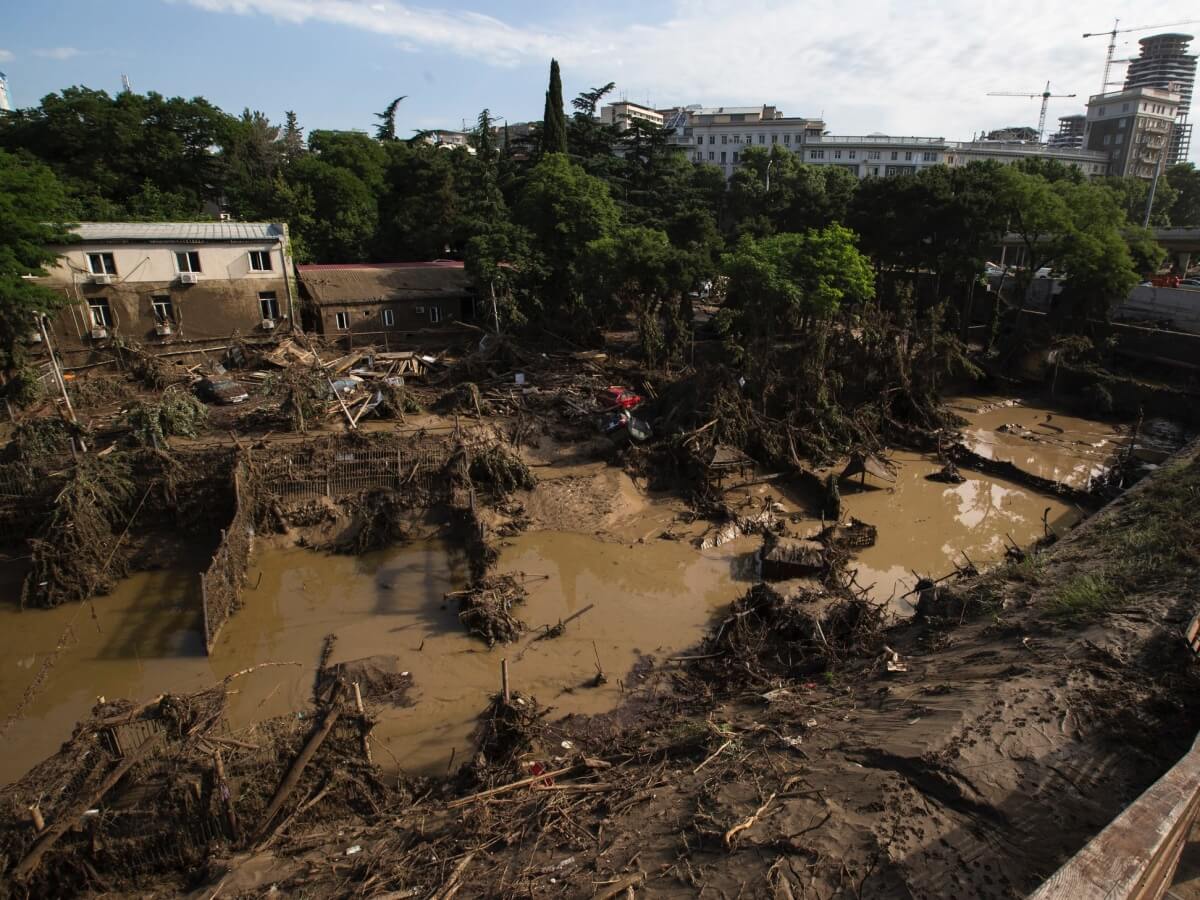
It all started like this – rain began in Tbilisi at 9 o’clock and gradually intensified. The amount of water in the streets is steadily increasing. In 4 hours, 35% of the annual rainfall norm fell here, covering the streets. People on the new road in the Vere River valley found themselves in danger. The late night further complicated their situation, and they were calling for help.
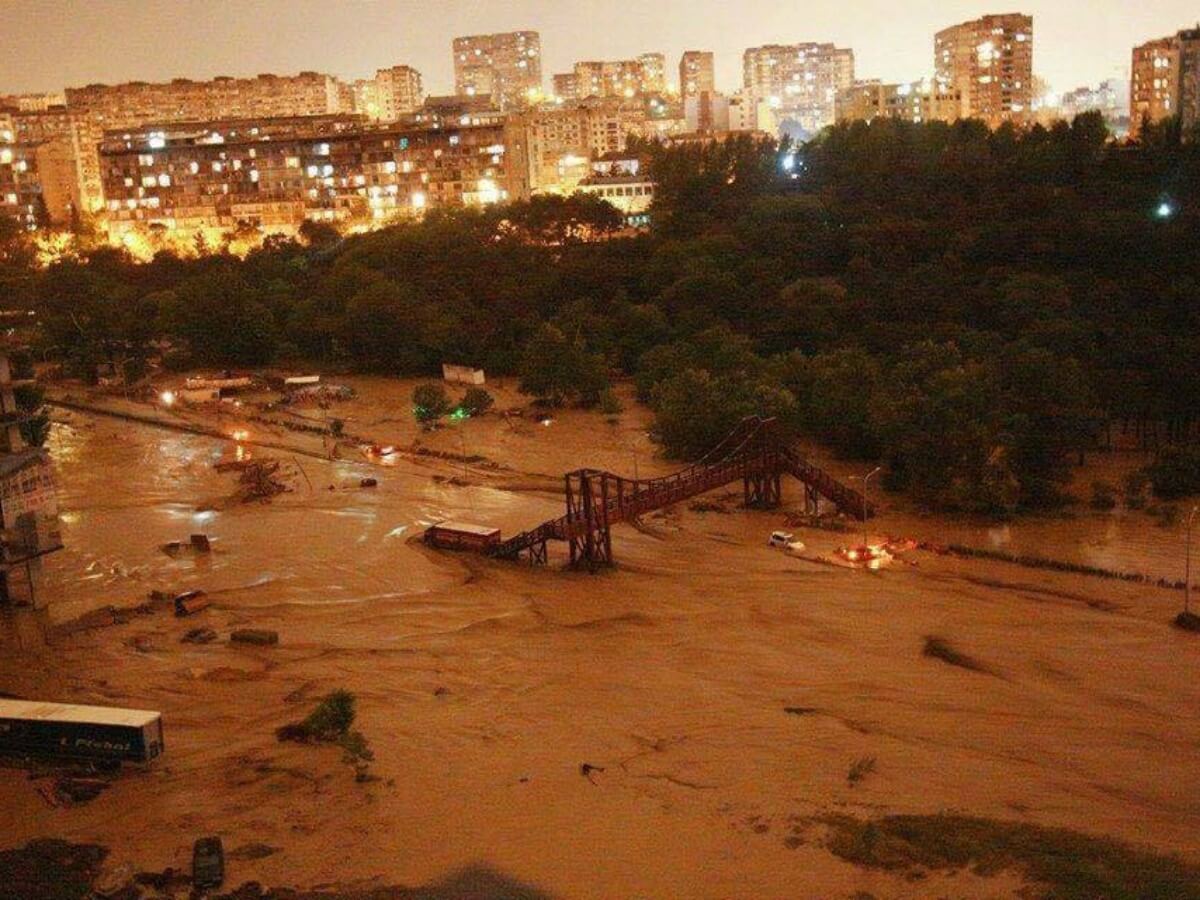
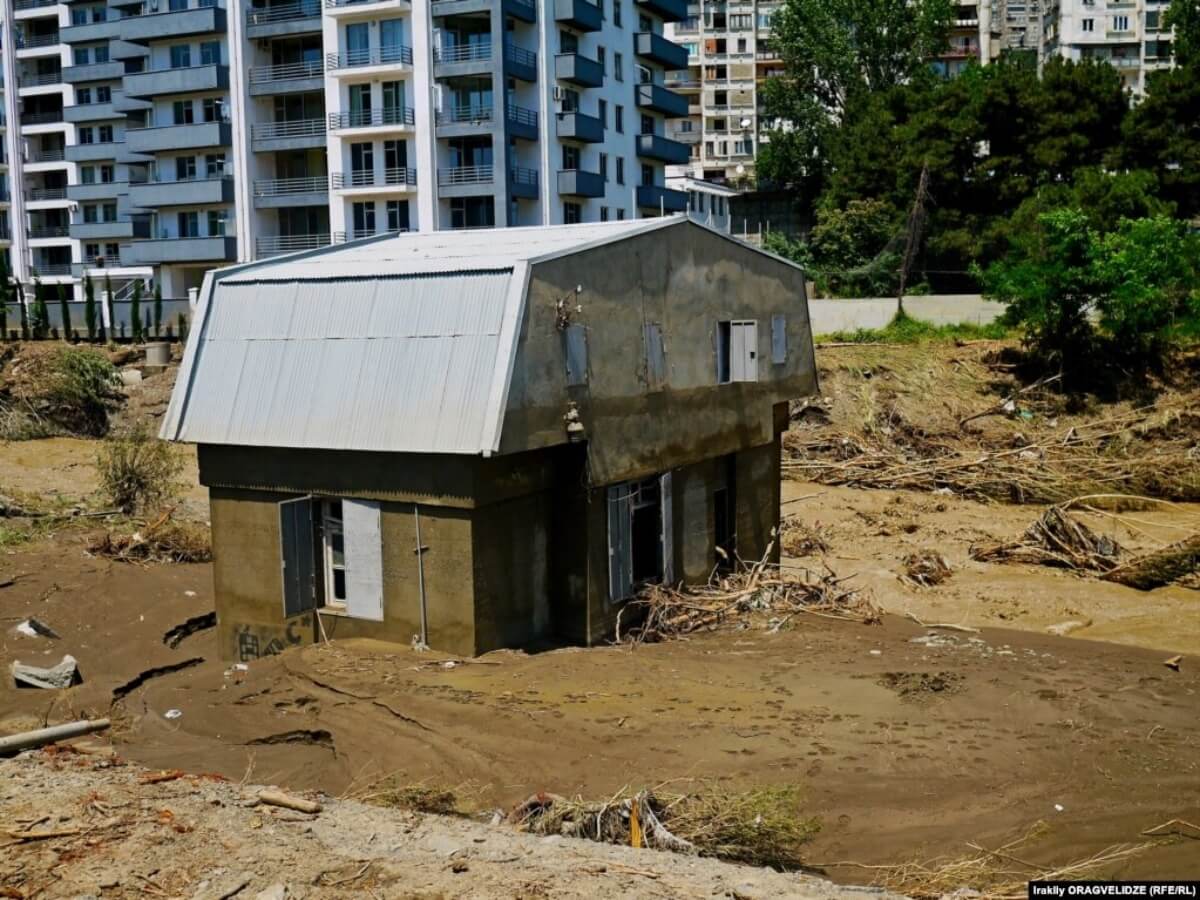
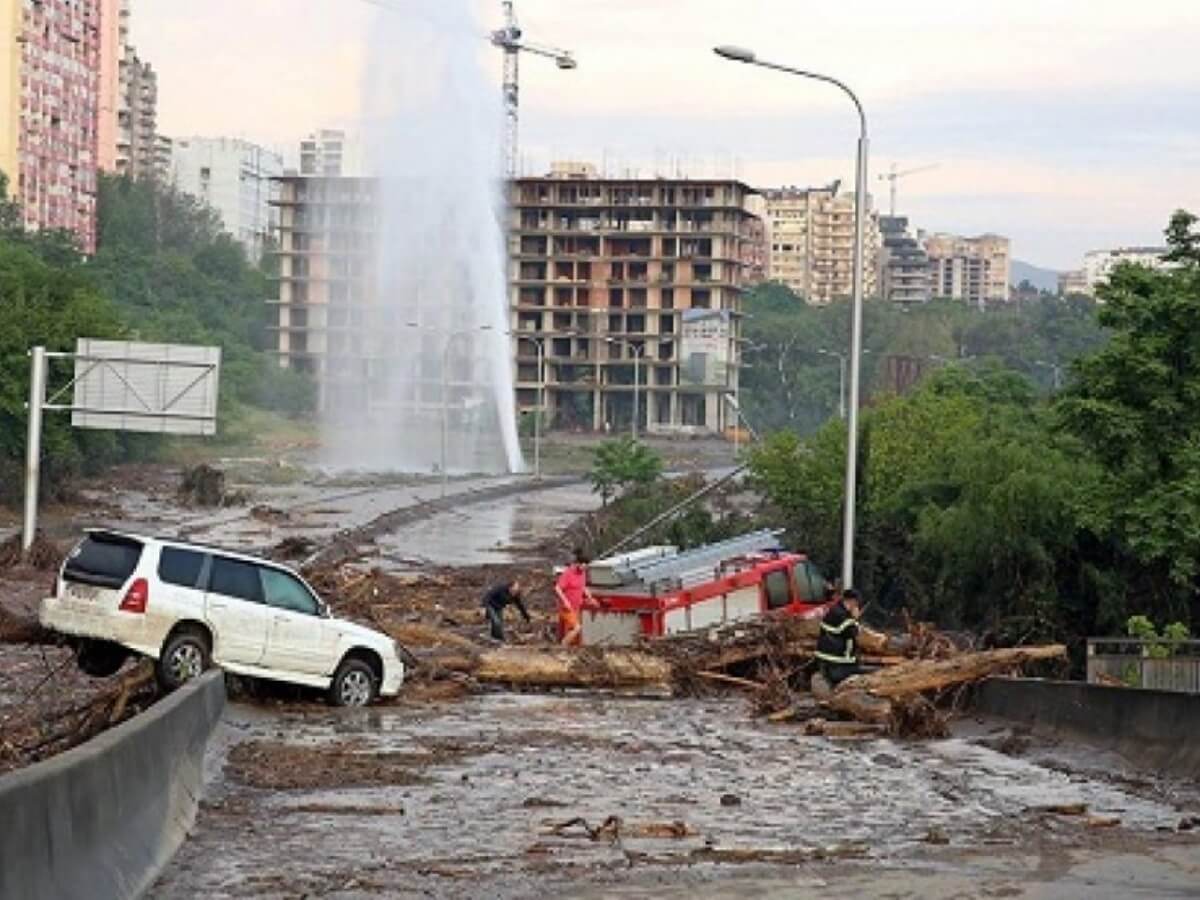
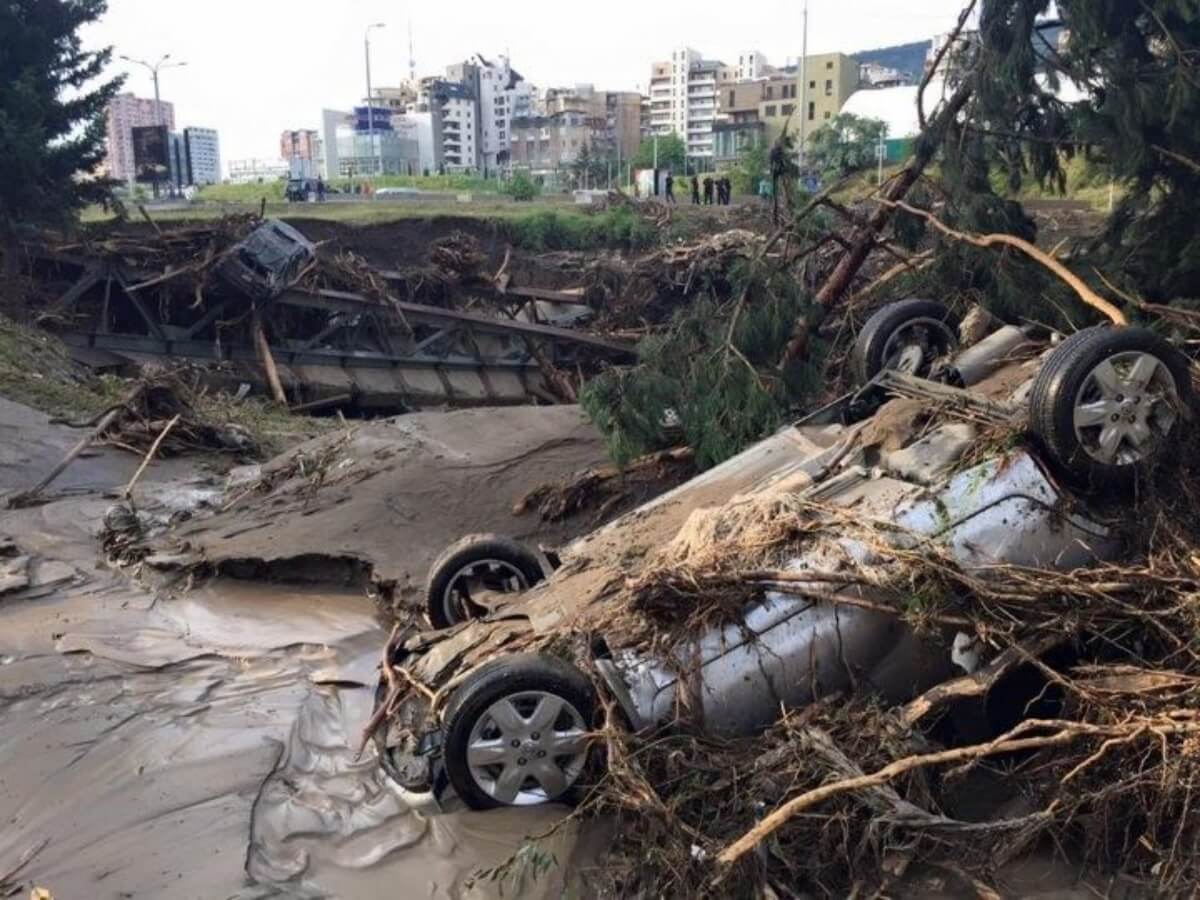
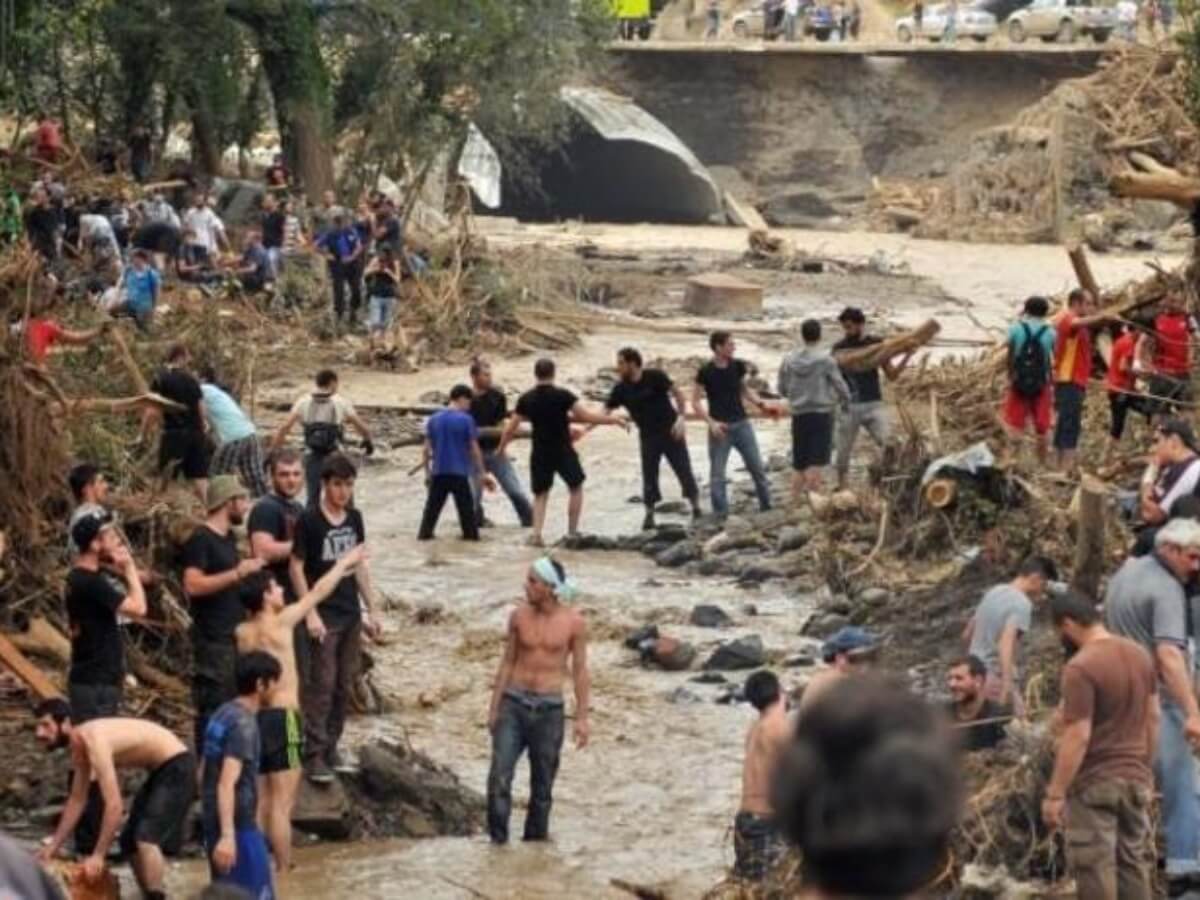
The flood that struck the Vere Valley swept away even houses. Roads, bridges, tunnels, retaining walls, and communication systems were destroyed. The territory of “Mziuri” and the zoo was completely flooded. Panic engulfed the city.
21 people lost their lives due to the disaster, two of whom are still considered missing. Another person was killed by a tiger that escaped from the zoo. Three zoo employees, Guliko Chitadze, her husband, and Givi Dvali, also fell victim to the flood. The disaster claimed the lives of the Zaranidze sisters, Ivlita Jibuti, and 11 other individuals. 37-year-old rescuer Zurab Muzashvili saved the lives of 7 people at the cost of his own.
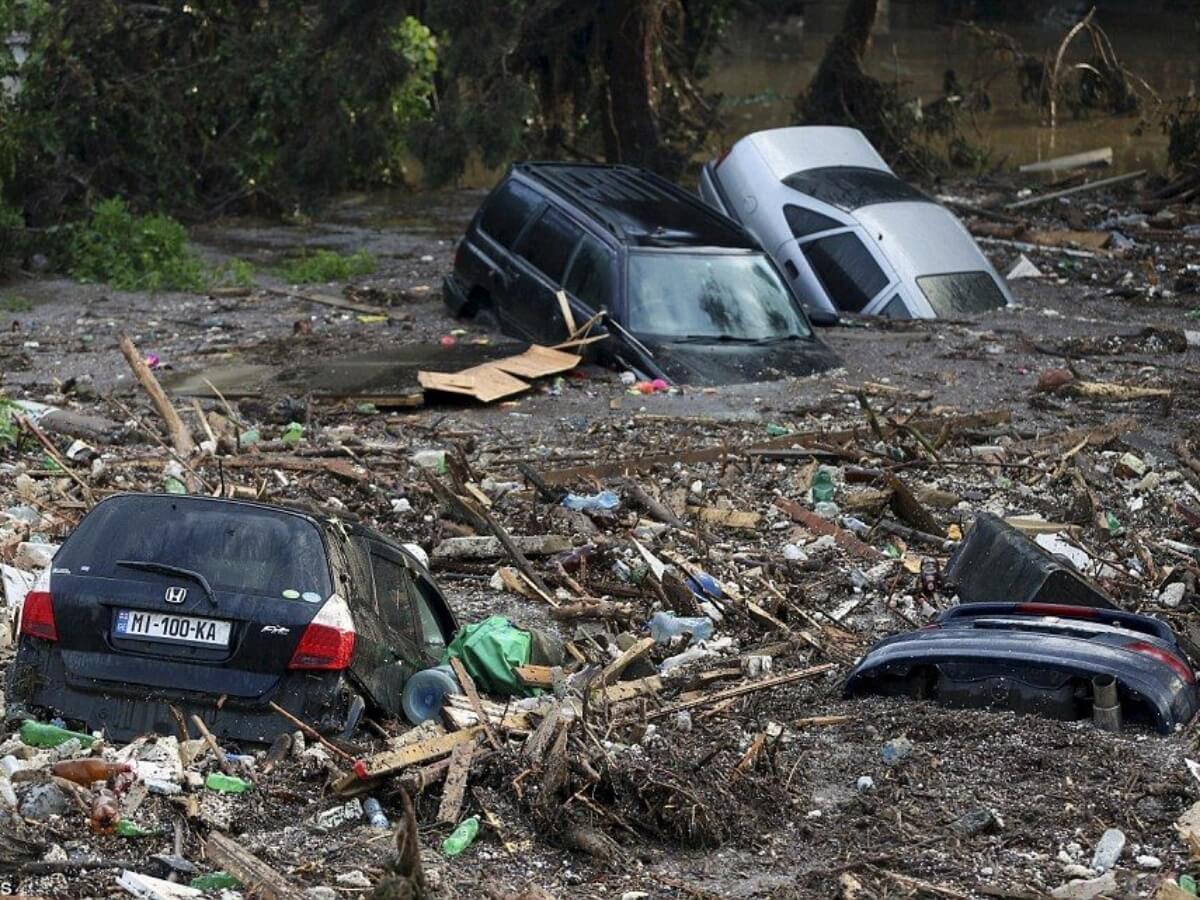
The city’s infrastructure was damaged, including the overpass connecting Vake and Saburtalo, the road connecting Kojori and Samadlo, and the section of the road from Akhaldaba to Tsqneti.
Approximately one million cubic meters of land mass collapse was caused by heavy rainfall. The debris flowed into the Vere River valley, causing the river to flood and overflow its banks.
Specialists linked the incident to a landslide on the road connecting Tsqneti and Bethania. The network of “Caucasus Environmental Non-Governmental Organizations” (CENN) explained that the main reason for the catastrophic effect of the severe water flow on the Vere River is the reckless, unconsidered, and unsubstantiated agricultural development of low-lying areas along the river’s banks, which began in the 1950s and continues to this day.
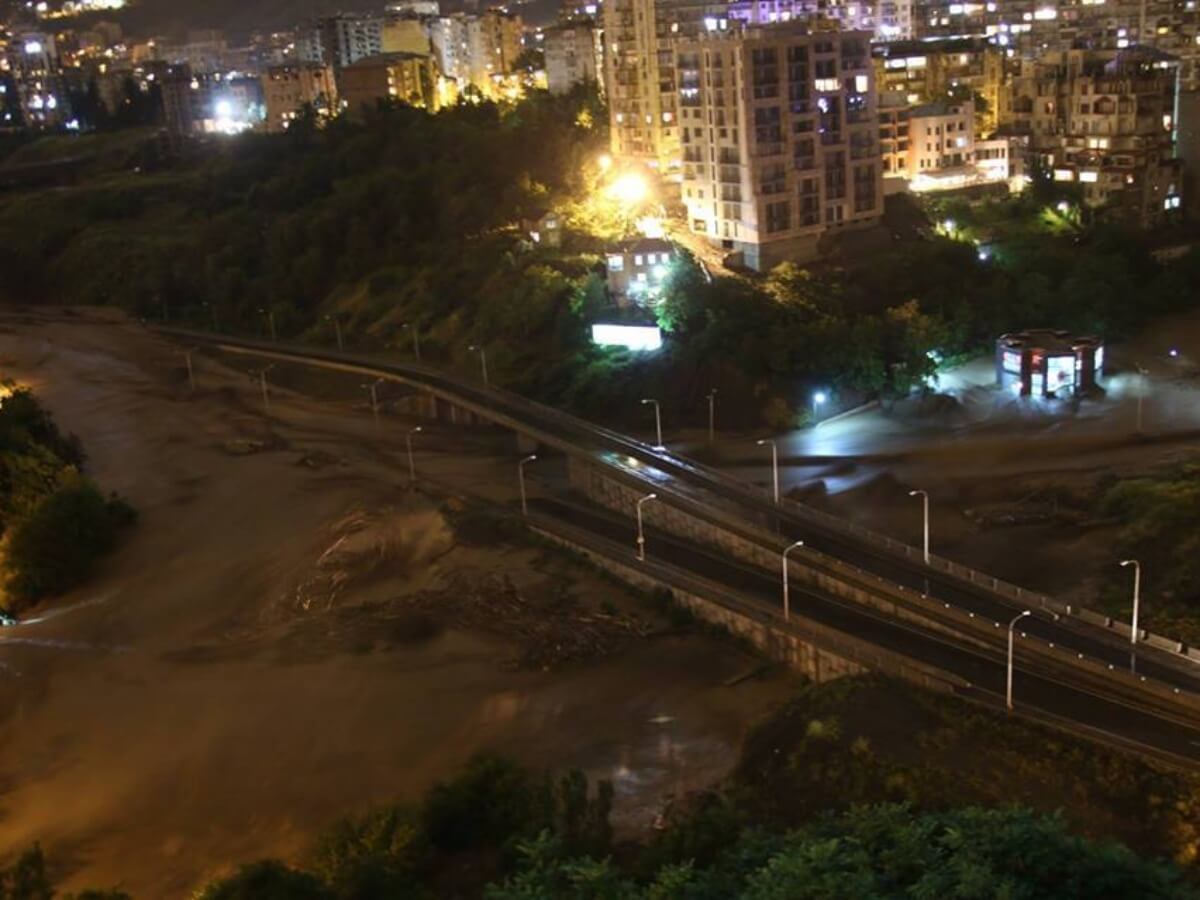
The struggle against human nature always ends in human defeat, as we were once again convinced on June 13, 2015. The footage that people saw on that day will never be erased from their memory.
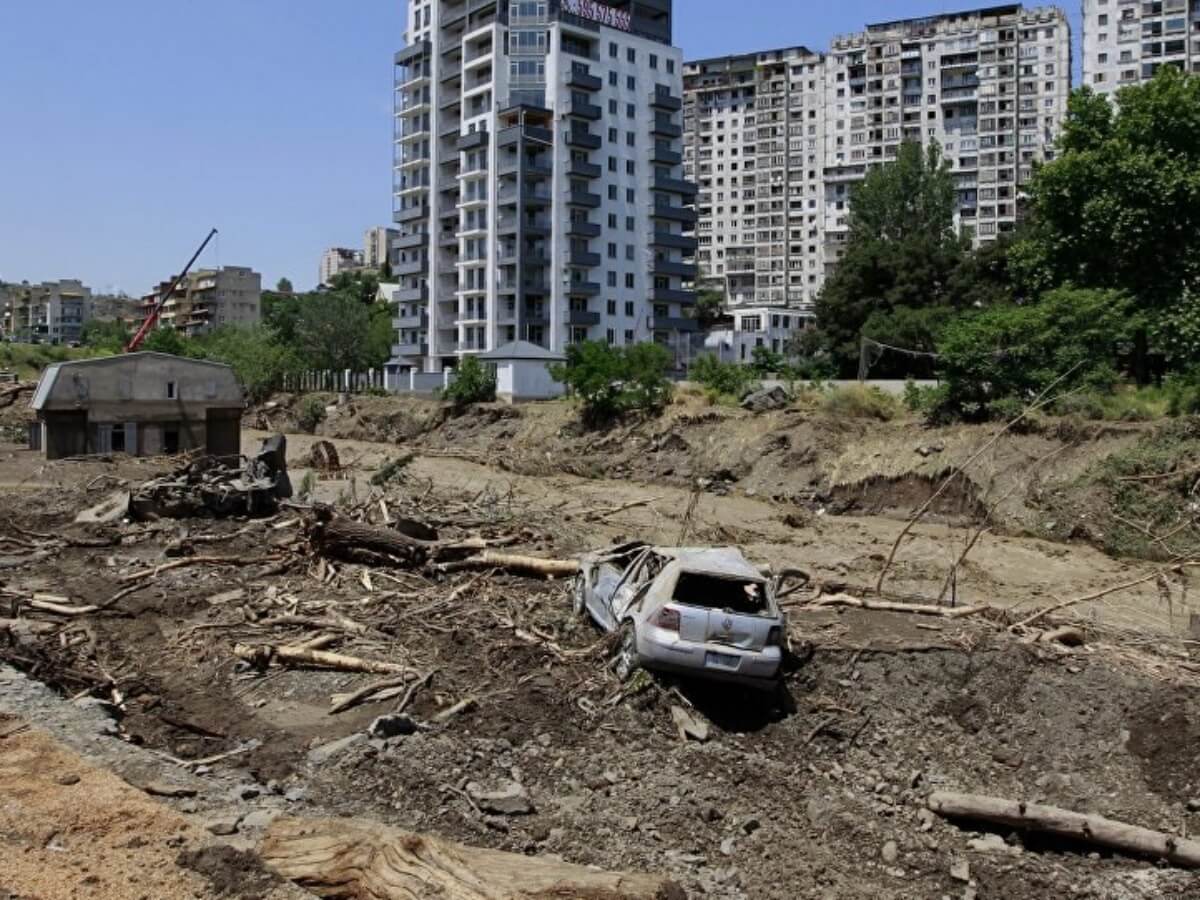
For 8 years since the tragedy, industry specialists unanimously note that construction in the murder zone is prohibited:
2016 – Nino Chkhobadze, Chairperson of the Green Movement / Friends of the Earth Georgia: – “At the time when the status of this zone was changed and it is no longer a recreational area, we had numerous meetings on these issues. We tied ribbons around the trees and demanded that they not be touched and not cut down, but no one took it into account. We spoke about the valley being hazardous. This valley remembers many tragedies. It was characterized by floods and landslides. It has become particularly dangerous since the road from Vake to Saburtalo was cut through with explosions. Rockfalls began because cracks appeared, the riverbed of Vere was altered, and the river reclaimed its bed.”
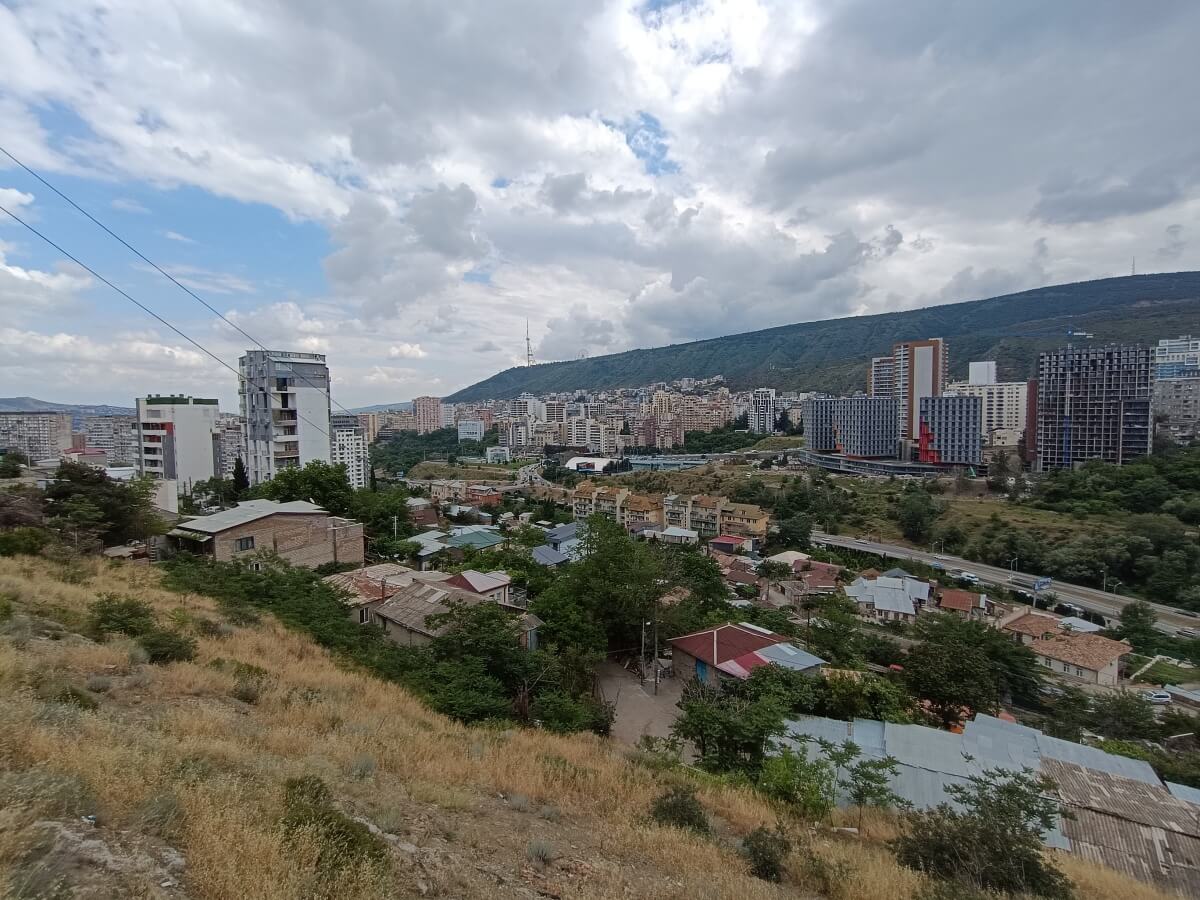
2018 – The National Environmental Agency has issued several dozen recommendations regarding landslide-prone areas. It has recently become known that developers may be prohibited from constructing in the vicinity of Nino Zhvania Street in Varazis Khevi. This was emphasized by the majoritarian deputy of Vake, Bidzina Gegidze. – “To prevent natural disasters, construction should be prohibited on the right bank of the Vere River, and special engineering structures for slope reinforcement should be constructed to protect already built buildings. The likelihood of activating landslide processes is high. The base of the mountain slope has already been cut, which increases the likelihood of natural processes being activated. Due to heavy rainfall in the area near the riverbed, there is a risk of blockage of the riverbed and overflow of water from the existing embankments as a result of a triggered landslide or mudflow.”
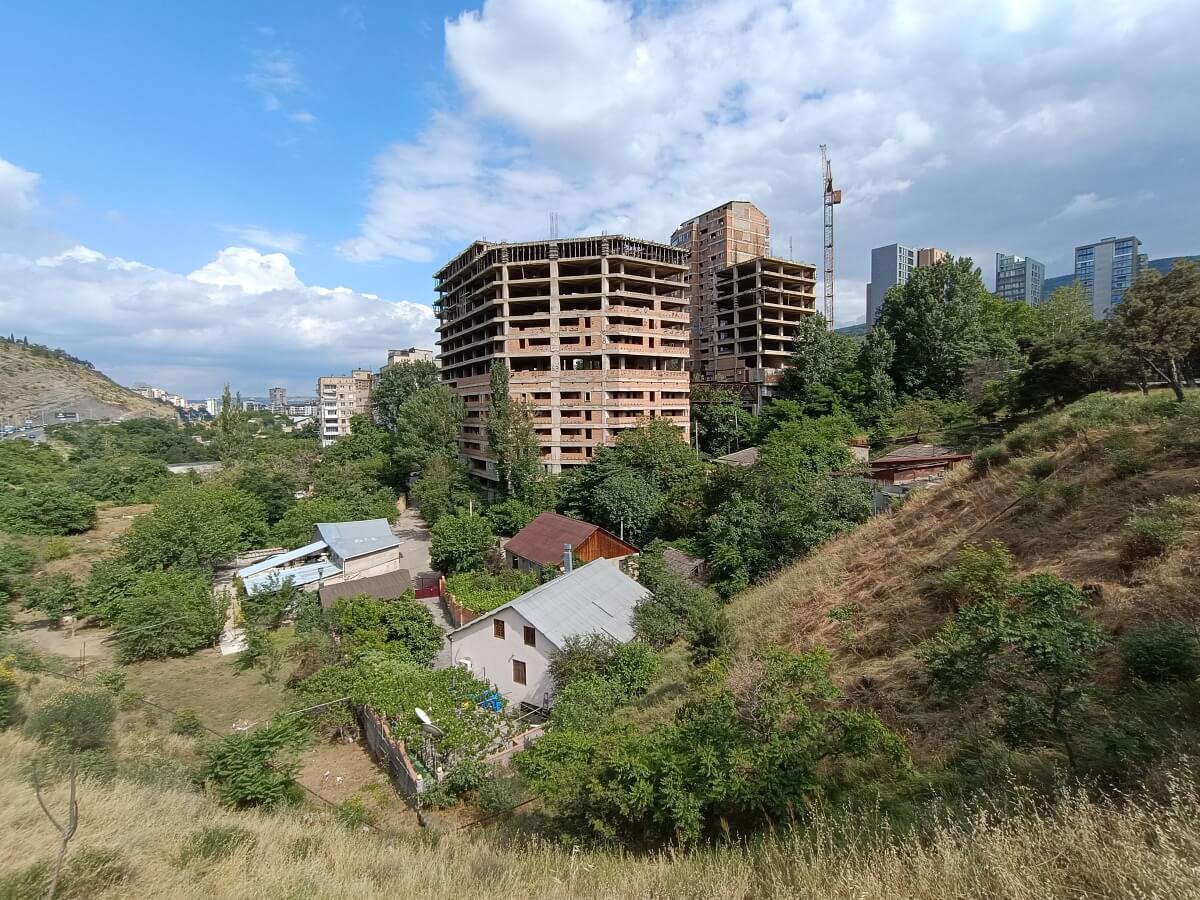
2020 is the year when all studies discuss the exit from the Vere Valley. One of them was conducted with the support of USAID by the United States Forest Service. To escape from the disaster, it is necessary to consider a three-stage set of recommendations. The first involves accurately defining the flood area and categorically prohibiting new constructions.
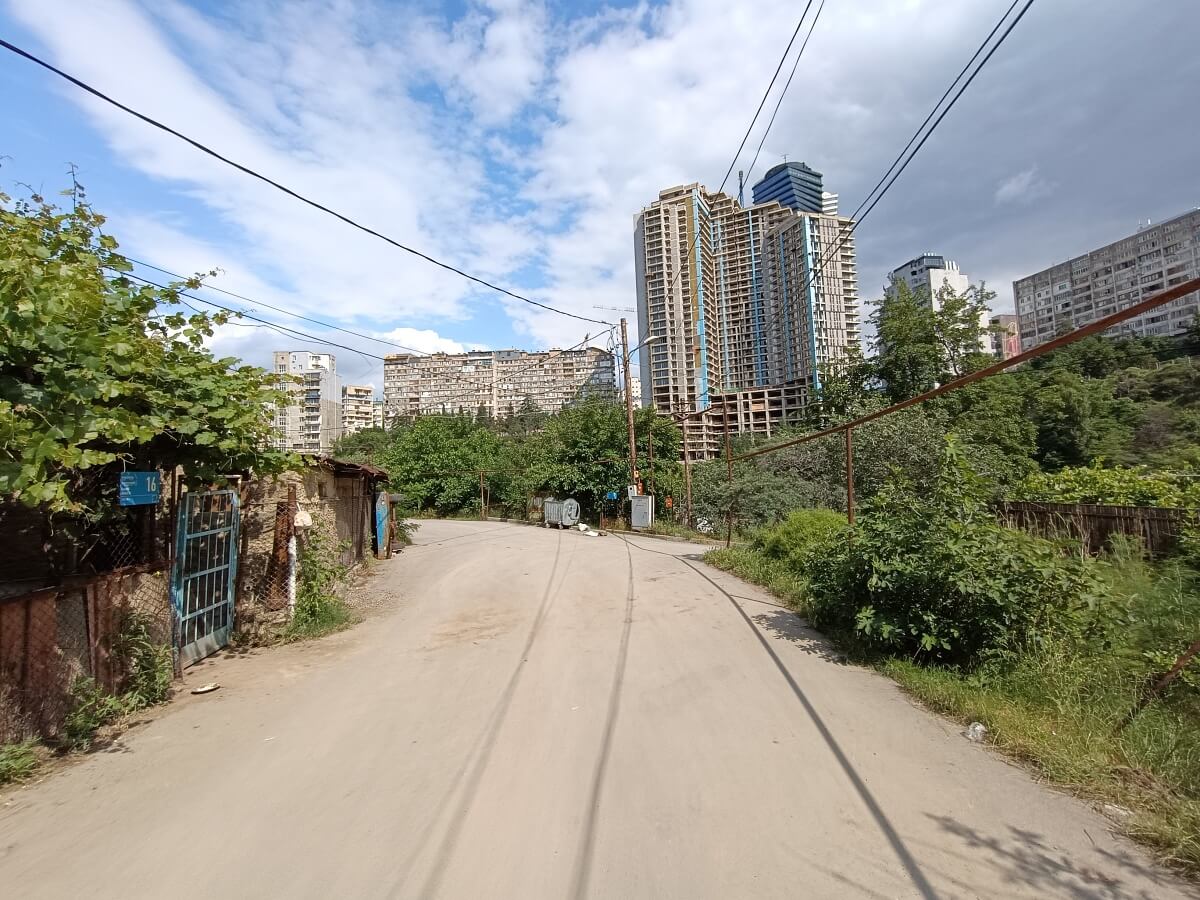
2022 year – the mayor of the capital, Kakha Kaladze, and the chairman of the Tbilisi City Council, Giorgi Tkemaladze, visited the landslide stabilization works near N11 Gabashvili Street in the Vere Valley. Construction of a reinforced concrete retaining wall is underway to stabilize the slope. – “This place posed a danger, and there was a significant request from the residents to implement this project, and of course, the relevant works are ongoing. Reinforcements are being made 9 meters deep underground. The wall will be approximately 140 meters wide and 9 meters high. After the completion of this project, the Vake District Administration will carry out landscaping and greening works. Most importantly, this is about the safety of the residents, and we see the scale of the works being carried out. The danger that the local population faced will be completely eliminated,” – stated Kakha Kaladze.
It was immediately announced that approximately 3 million lari would be spent to implement the project. The completion of the works was planned for February 2023.
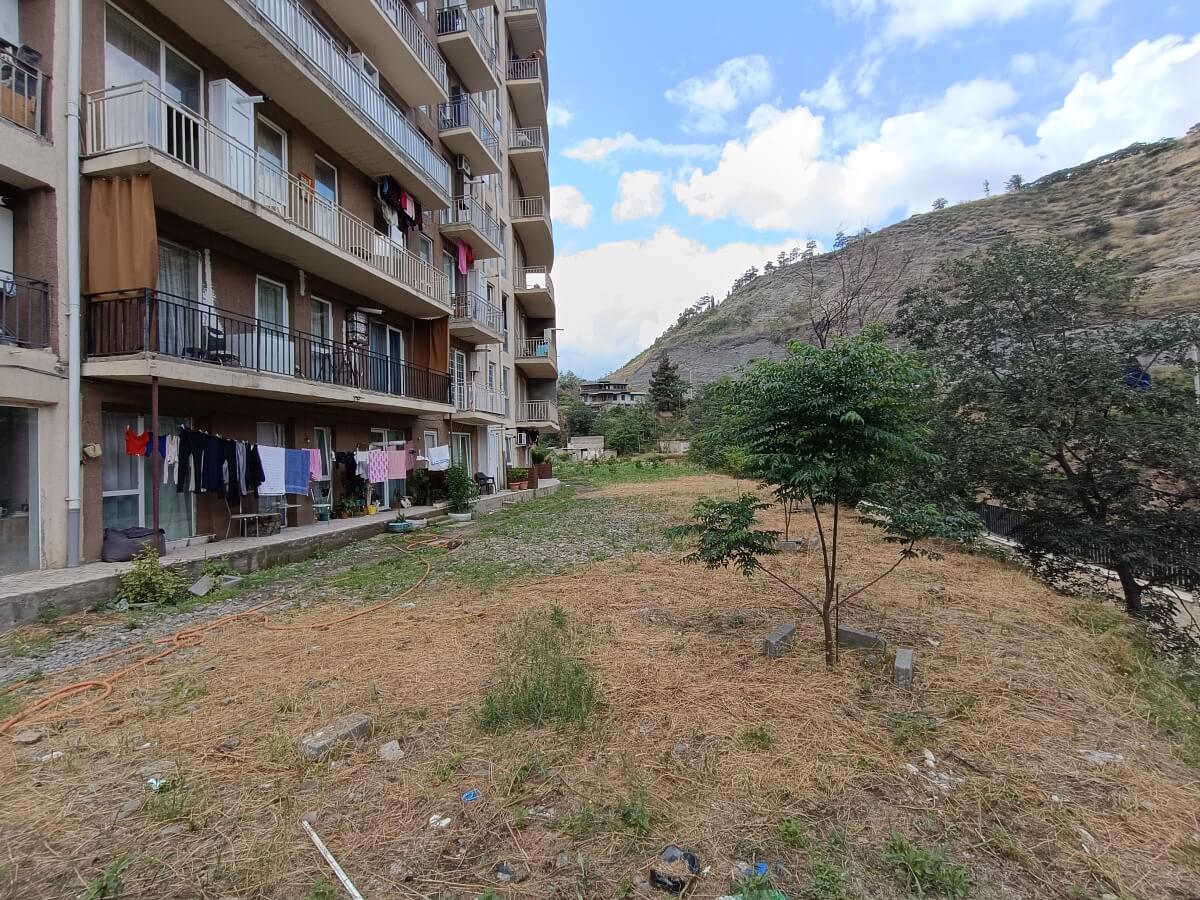
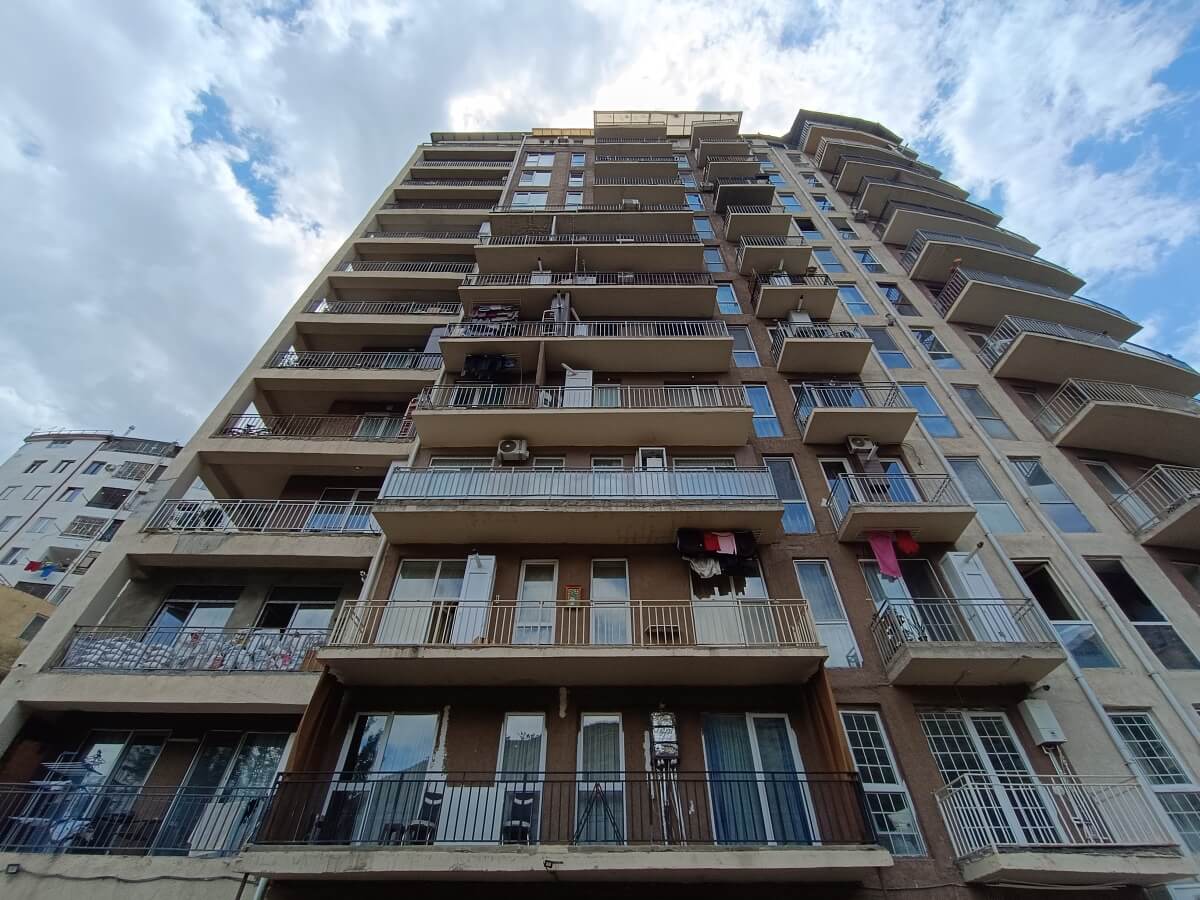
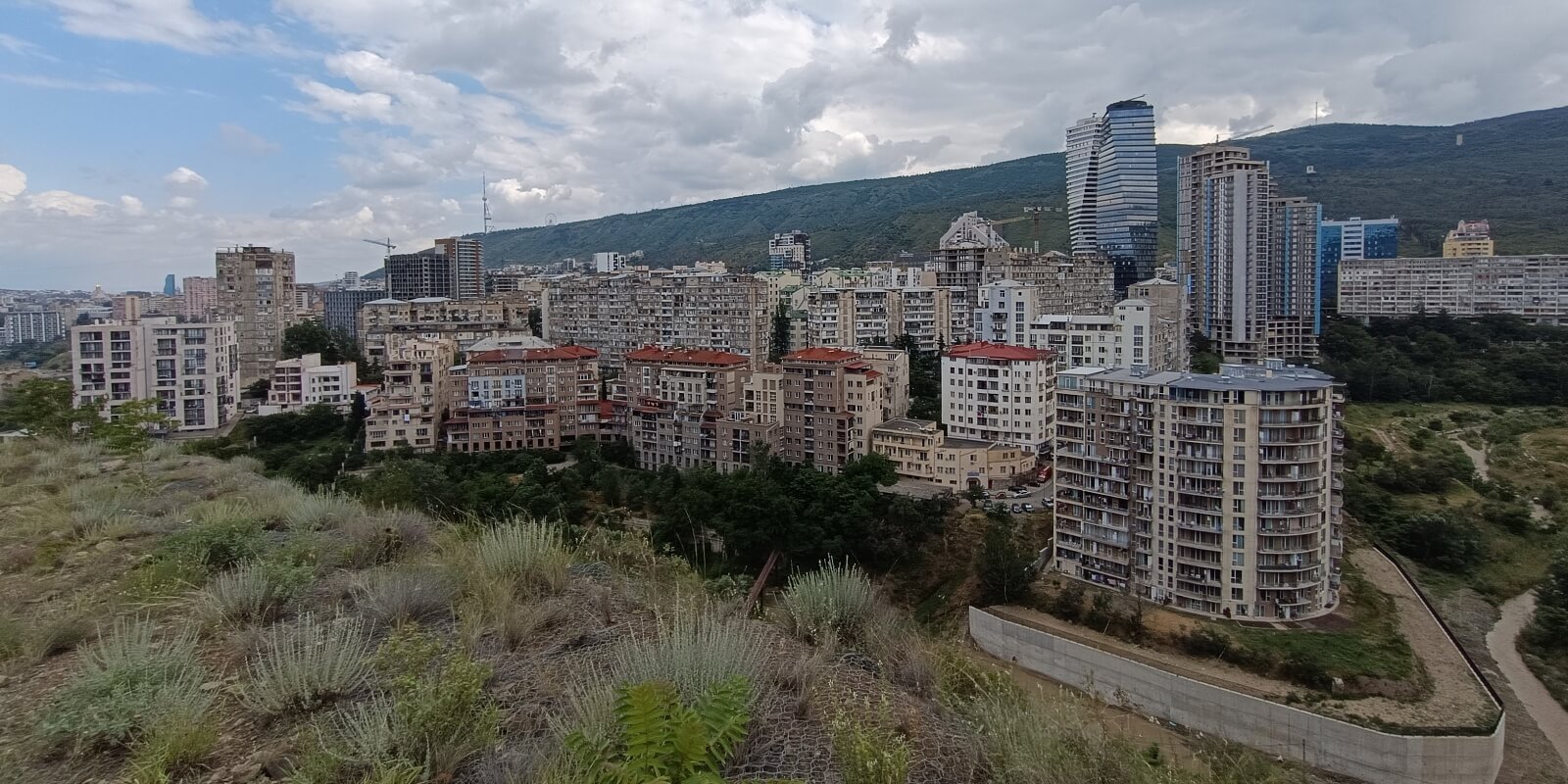
However, one of the most important recommendations made by specialists after the tragedy that occurred in the Vere Valley in 2015 was to reduce the risk of accidents in the future by keeping the riverbanks free from human intervention: from buildings, embankments, and vehicles. But what is happening 8 years later? – Construction continues along the river in the deadly zone. The disaster has not slowed down the pace of construction.
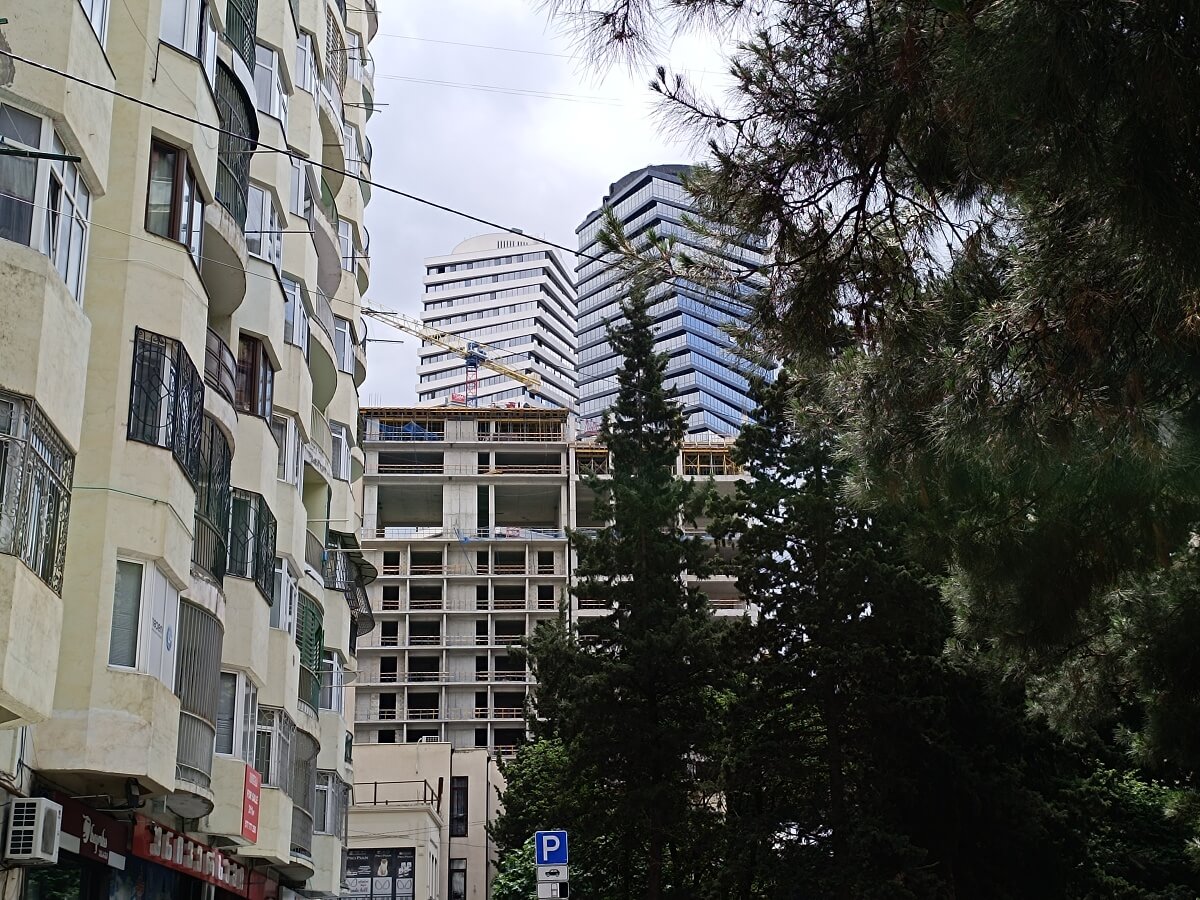
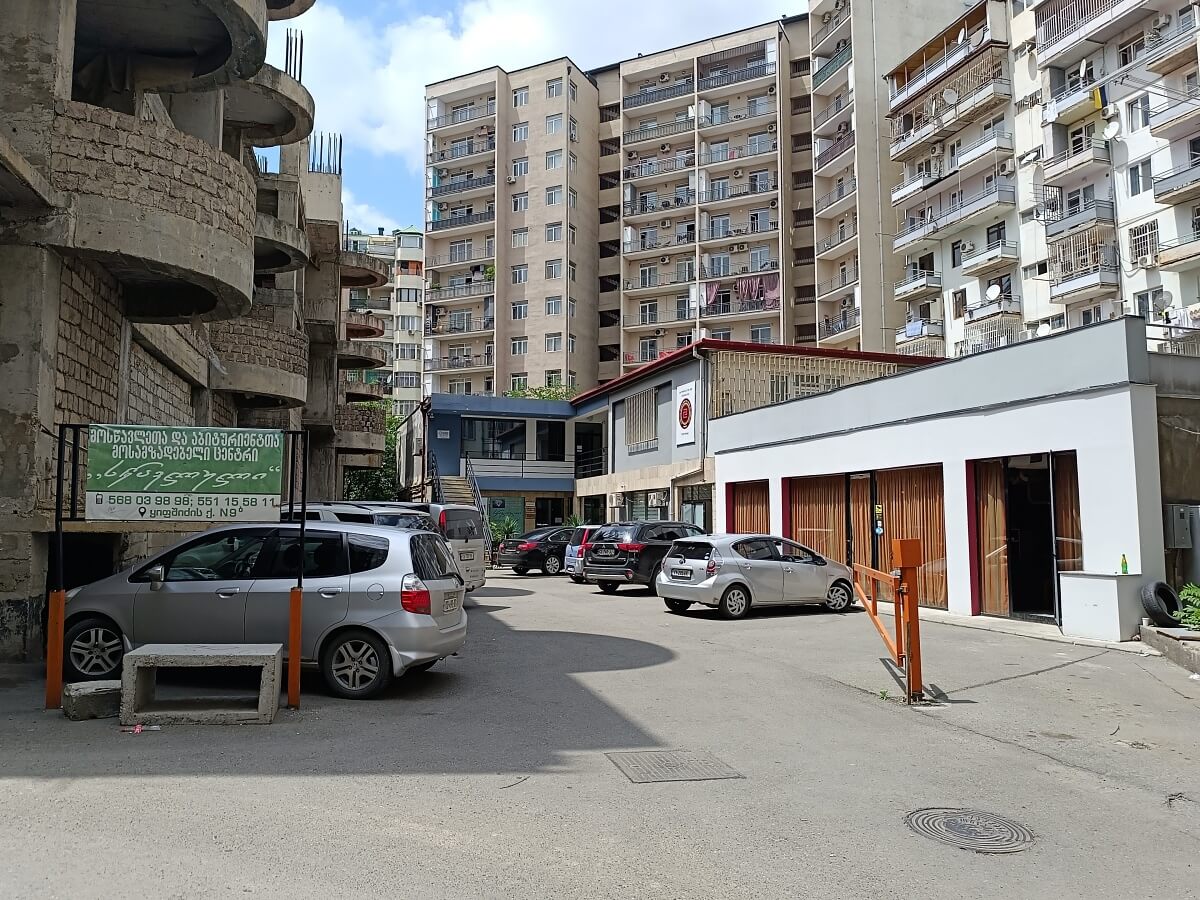
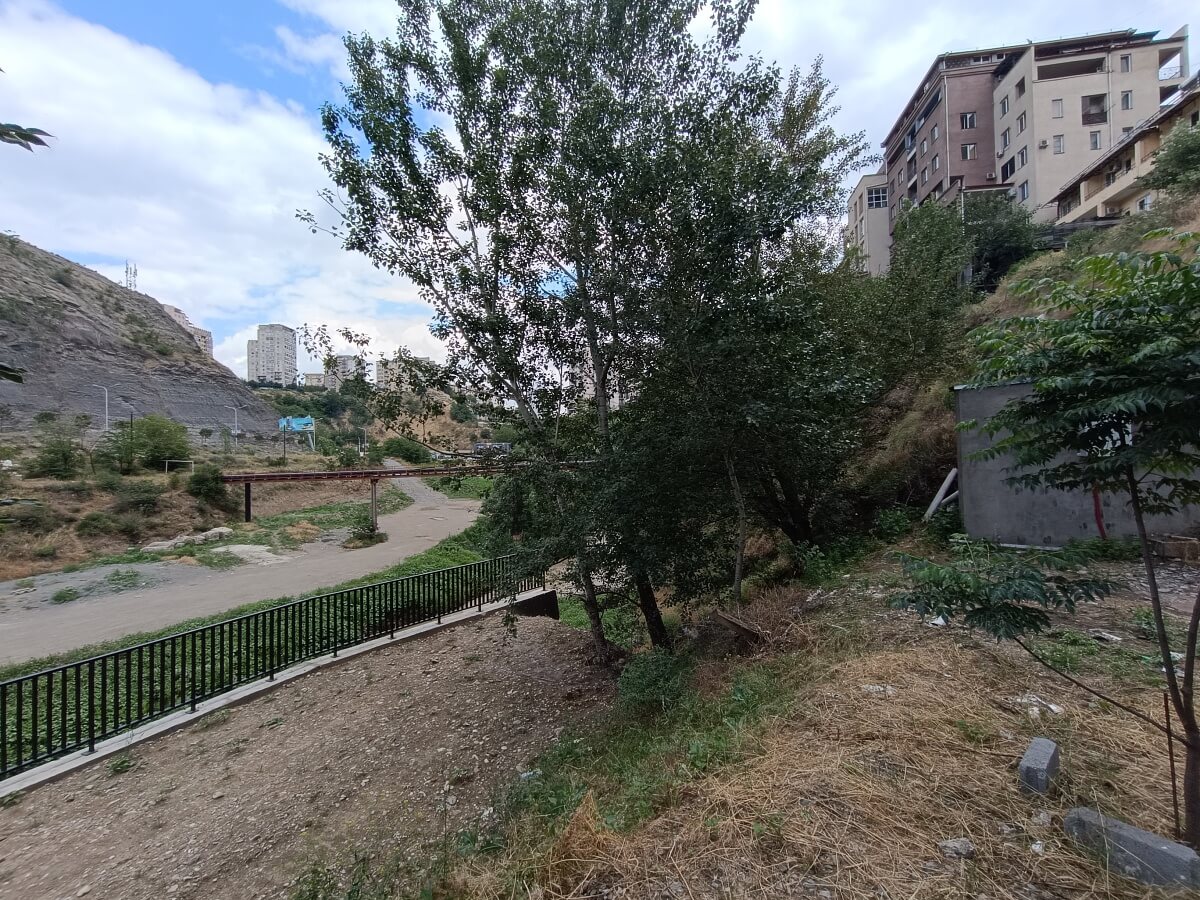
Is there a risk of a repeat of the tragedy of June 13, 2015? So far, geologists state that construction in the Vere Valley is not permissible. In their opinion, the risk of a natural disaster still exists – the detached mountain on the Tsqneti-Betania road still poses a landslide threat.
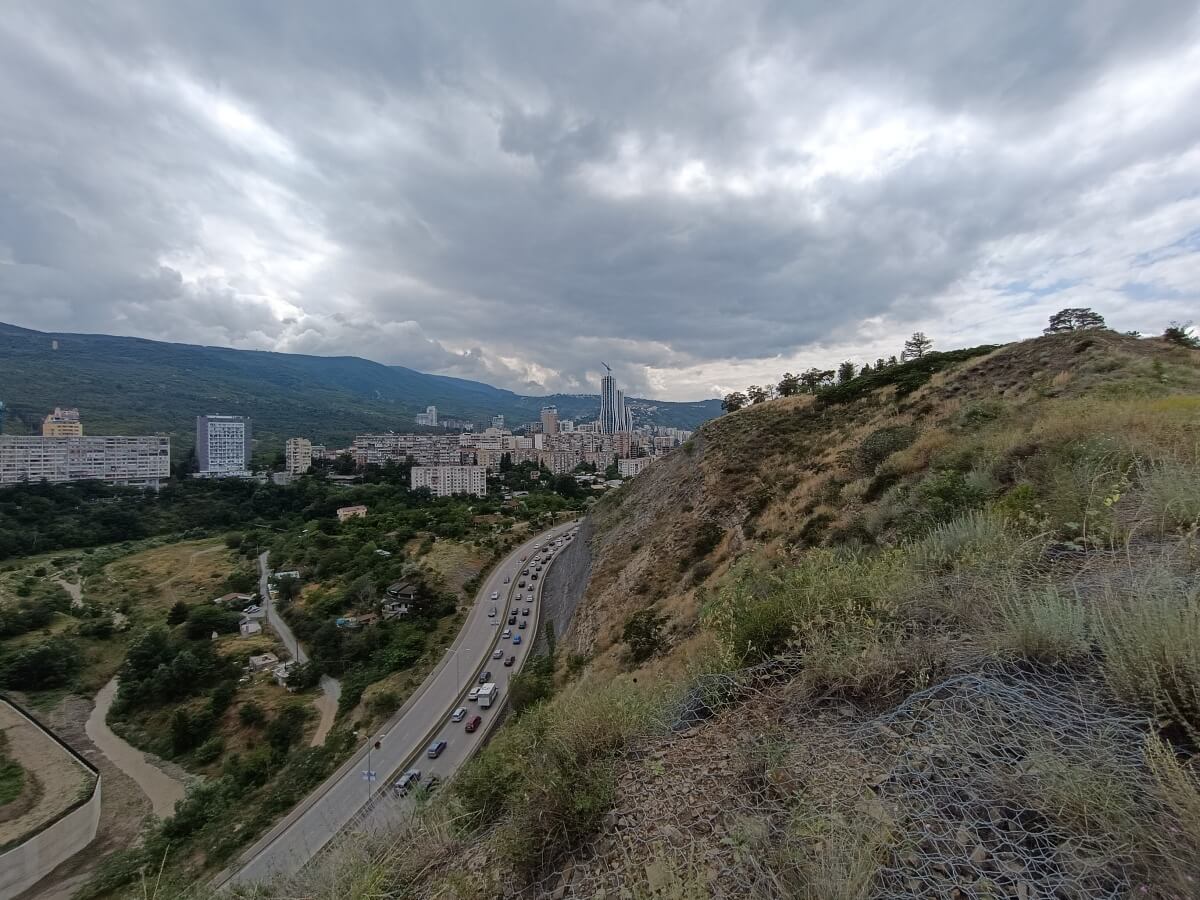
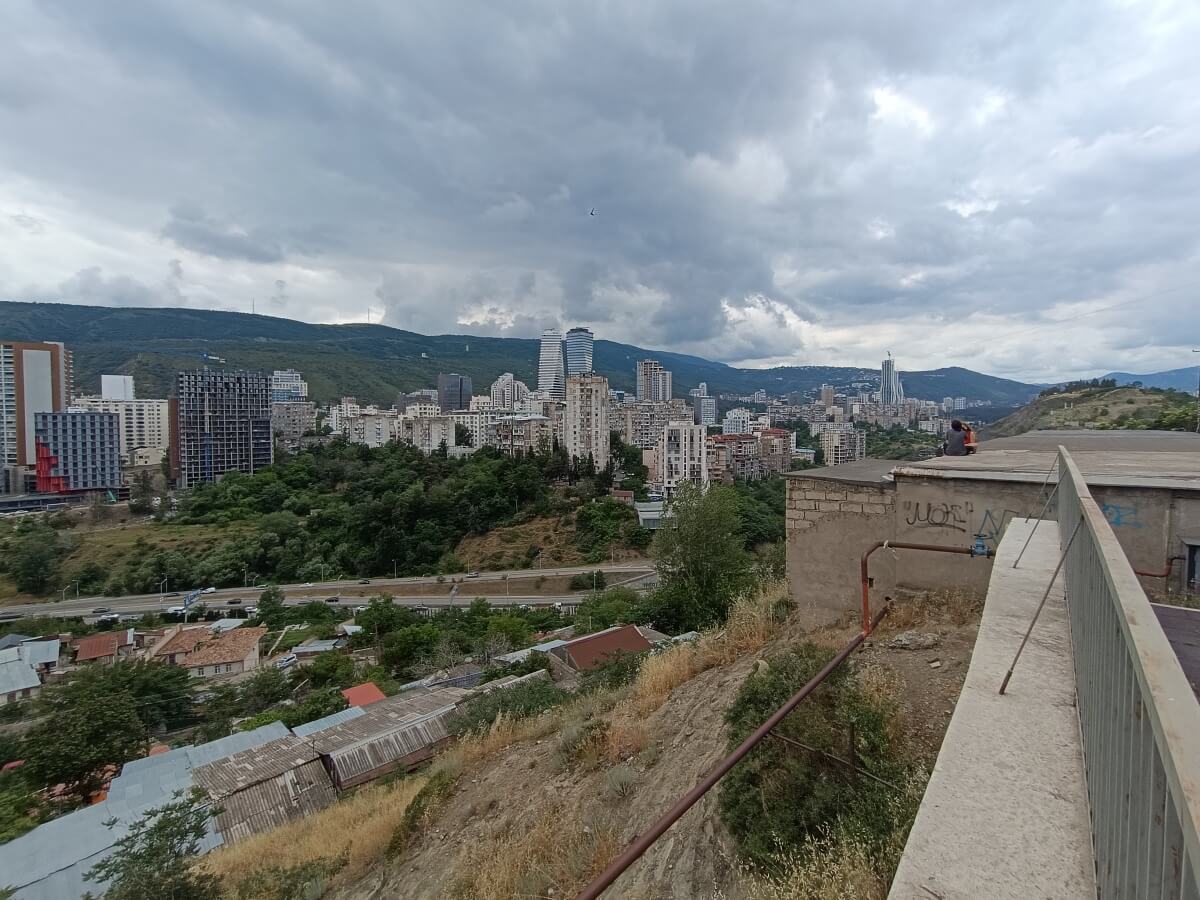
The director of the Institute of Earth Sciences and the National Center for Seismic Monitoring, Tea Godoladze, states that the ongoing construction in the disaster area clearly contradicts various conclusions of geologists – according to her, construction activities are not permitted in these locations. Tea Godoladze also talks about preventive measures and notes that the only work done in this area has been cosmetic repairs.
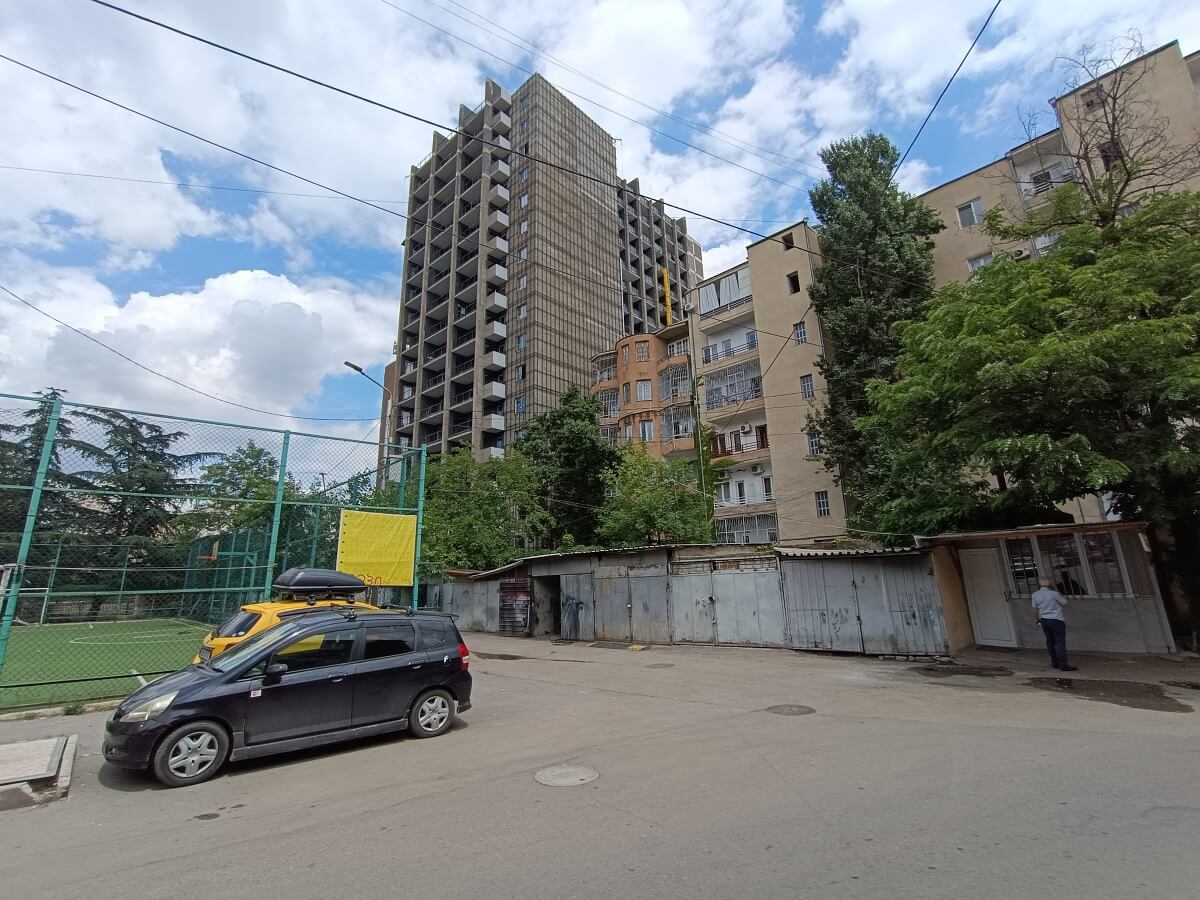
Residents have protested the construction of high-rise buildings in the Vere Valley for years. Citizens believe that building a building near the Vere River poses a risk. In addition, the residents state that the movement of heavy machinery also poses a threat to the nearby buildings, as the old structures are already cracked.
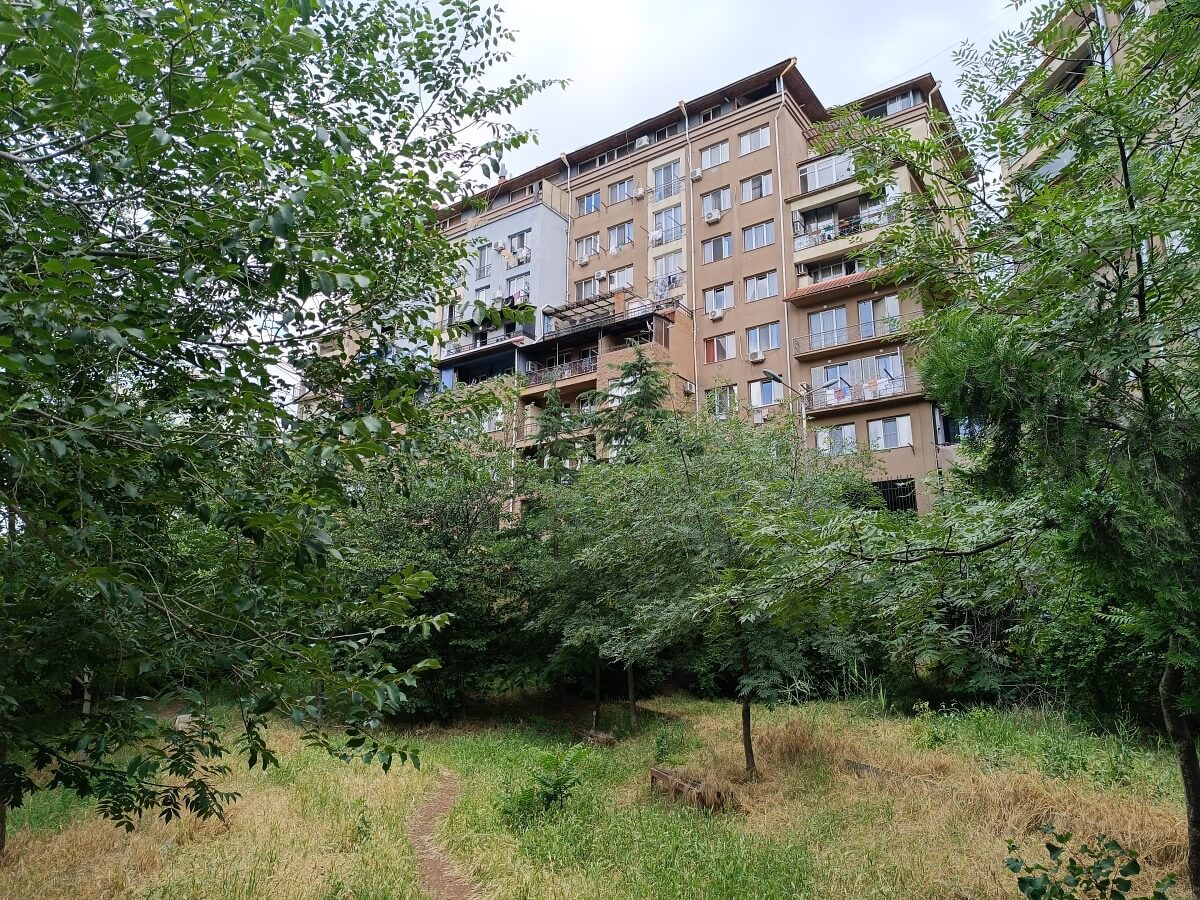
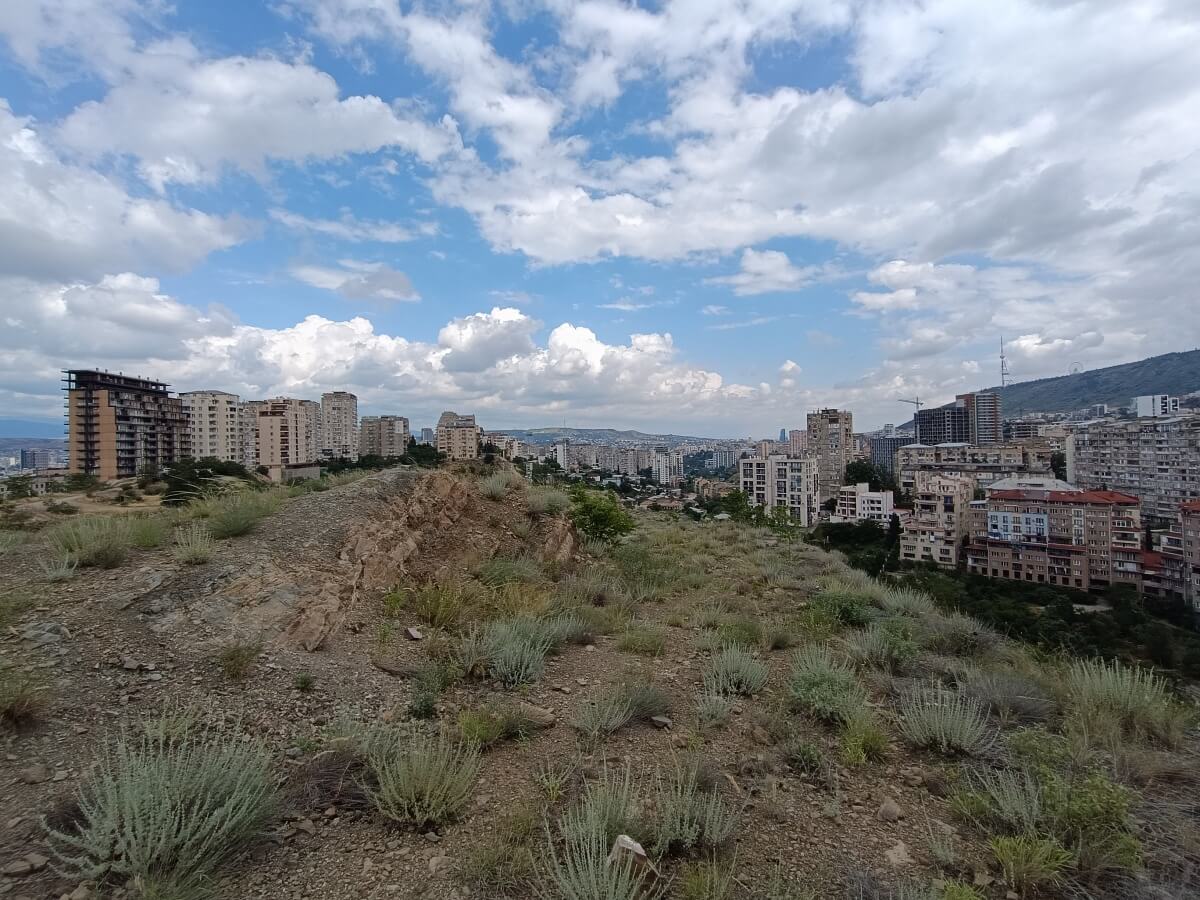
Prevention measures have been taken to combat the disaster. Among them, special radars have been installed in several locations. Scientists have been monitoring the Betania and Tskneti areas for years, but according to specialists regarding the rehabilitation of the Vere Valley, the valley still poses a risk. To eliminate the damage caused by the disaster that occurred on June 13-14, 40 million GEL has been allocated from the capital’s budget for the restoration and reconstruction of the damaged infrastructure by the municipal services.
