Rustaveli
A small district located between Batumi’s modern high-rise center and its historic old core, best known for May 6 Park and Lake Nuri.
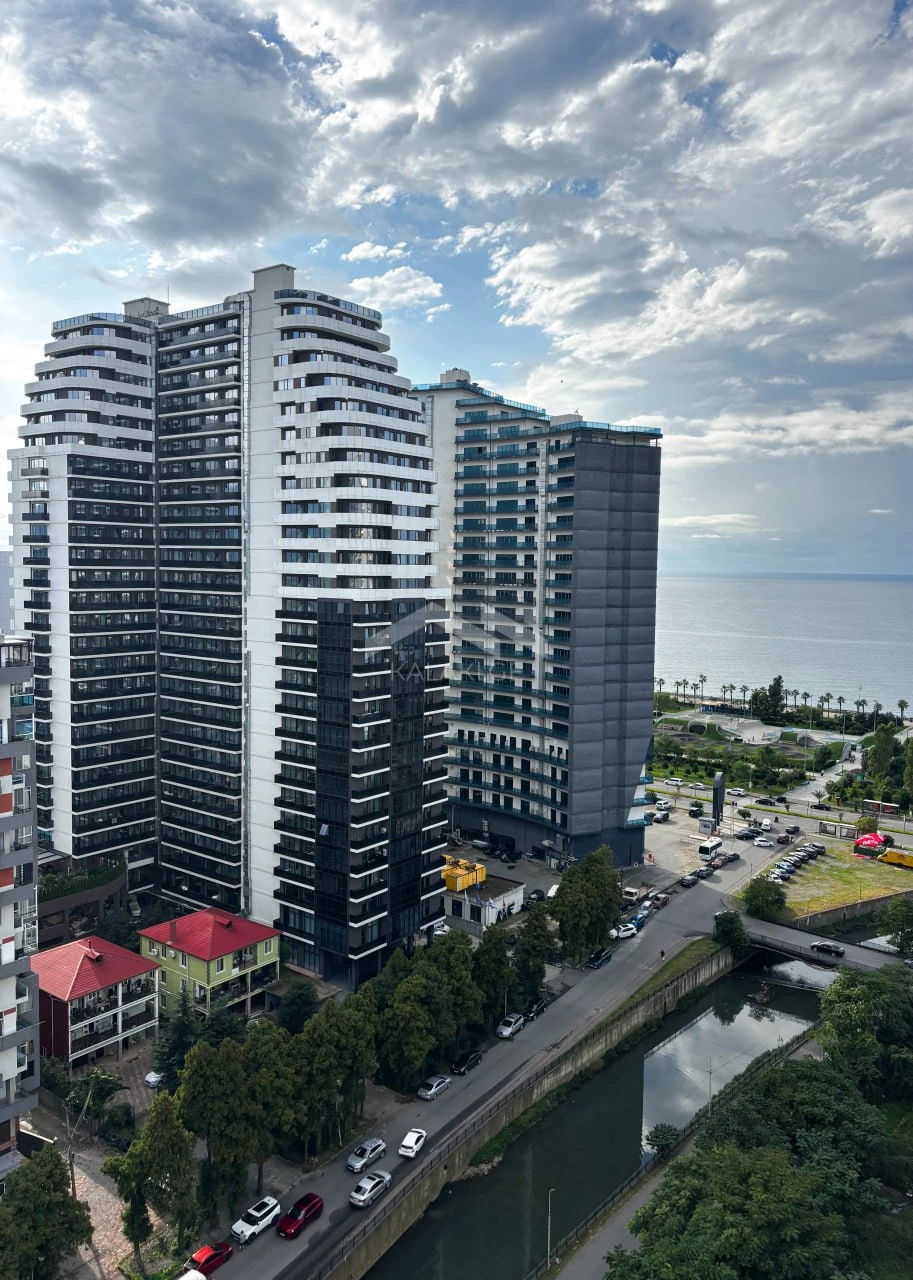
ანგისის ჩიხი, 1
1
80 m²
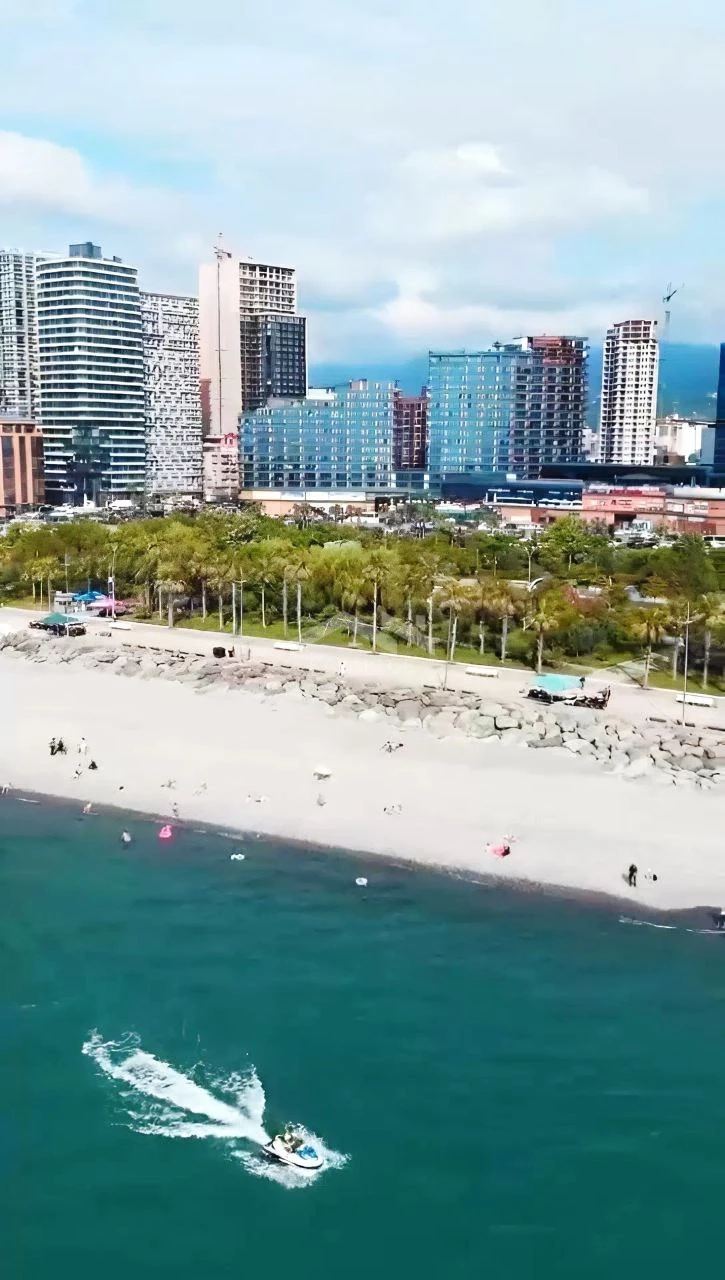
ანგისის ჩიხი, 1
1
80 m²
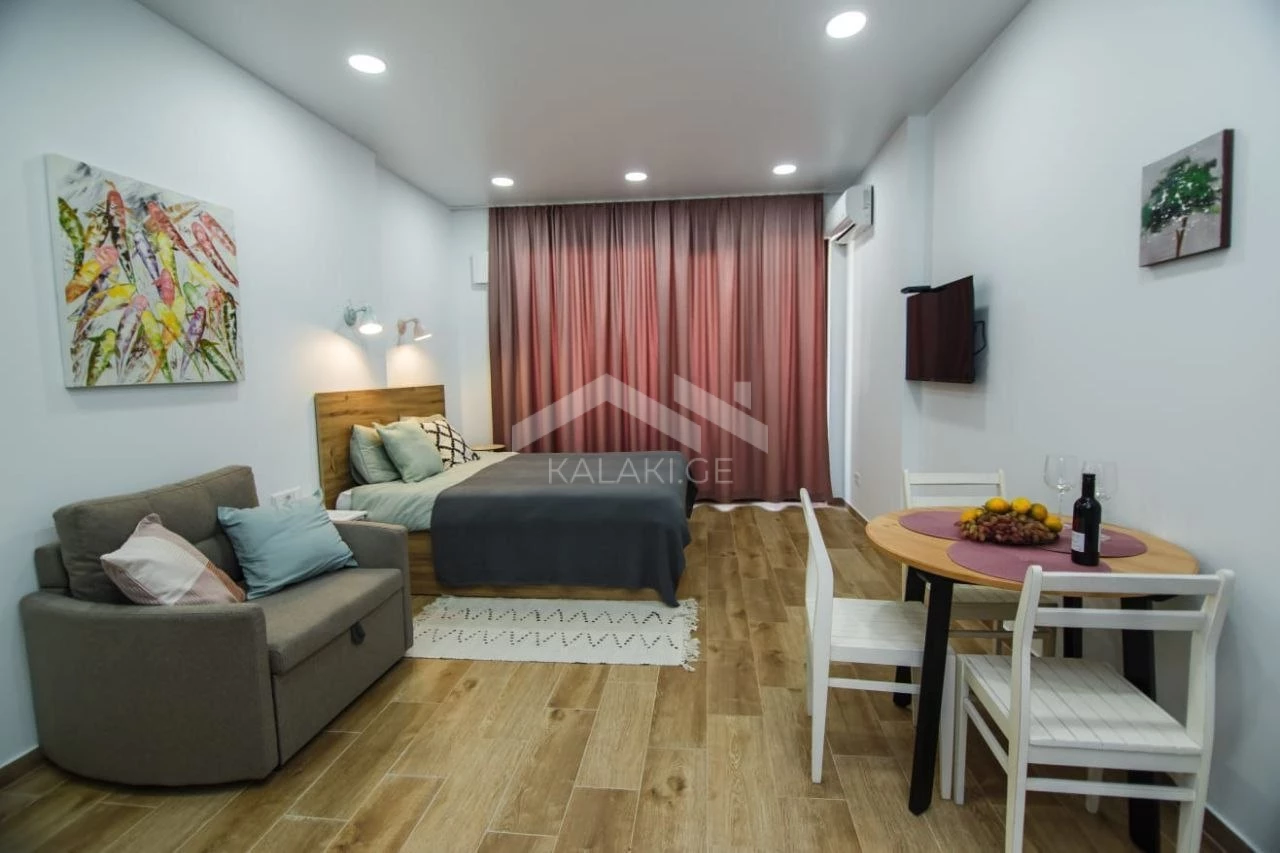
დავით მამულაძის ქუჩა, 1
1
33.4 m²
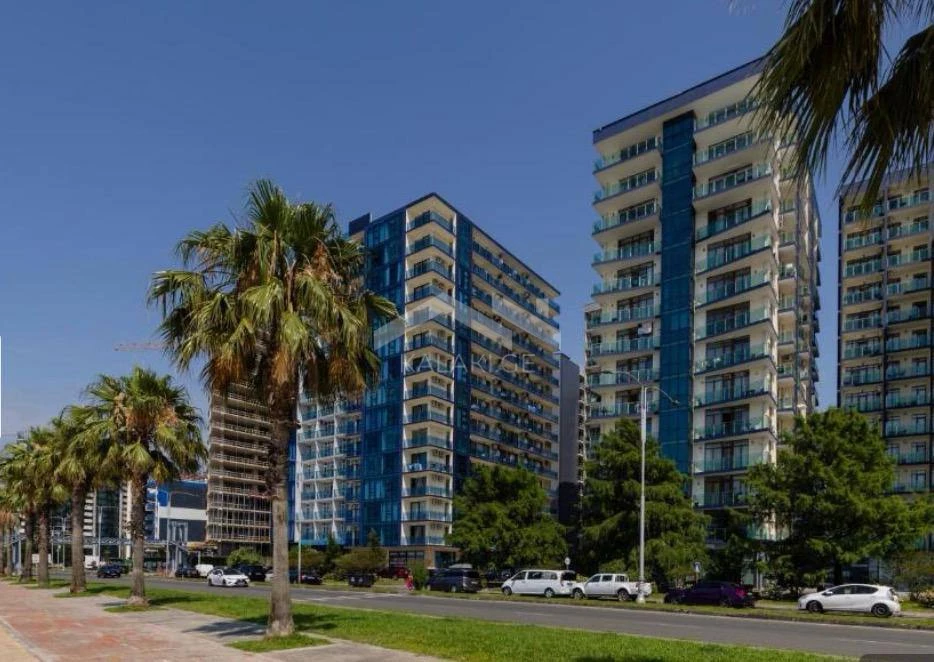
ლეხ და მარია კაჩინსკების ქუჩა, 1
1
27.7 m²
შარტავას ქუჩა, 1
1
43 m²
ანგისის ჩიხი, 1
1
55 m²
A small district located between Batumi’s modern high-rise center and its historic old core, best known for May 6 Park and Lake Nuri.
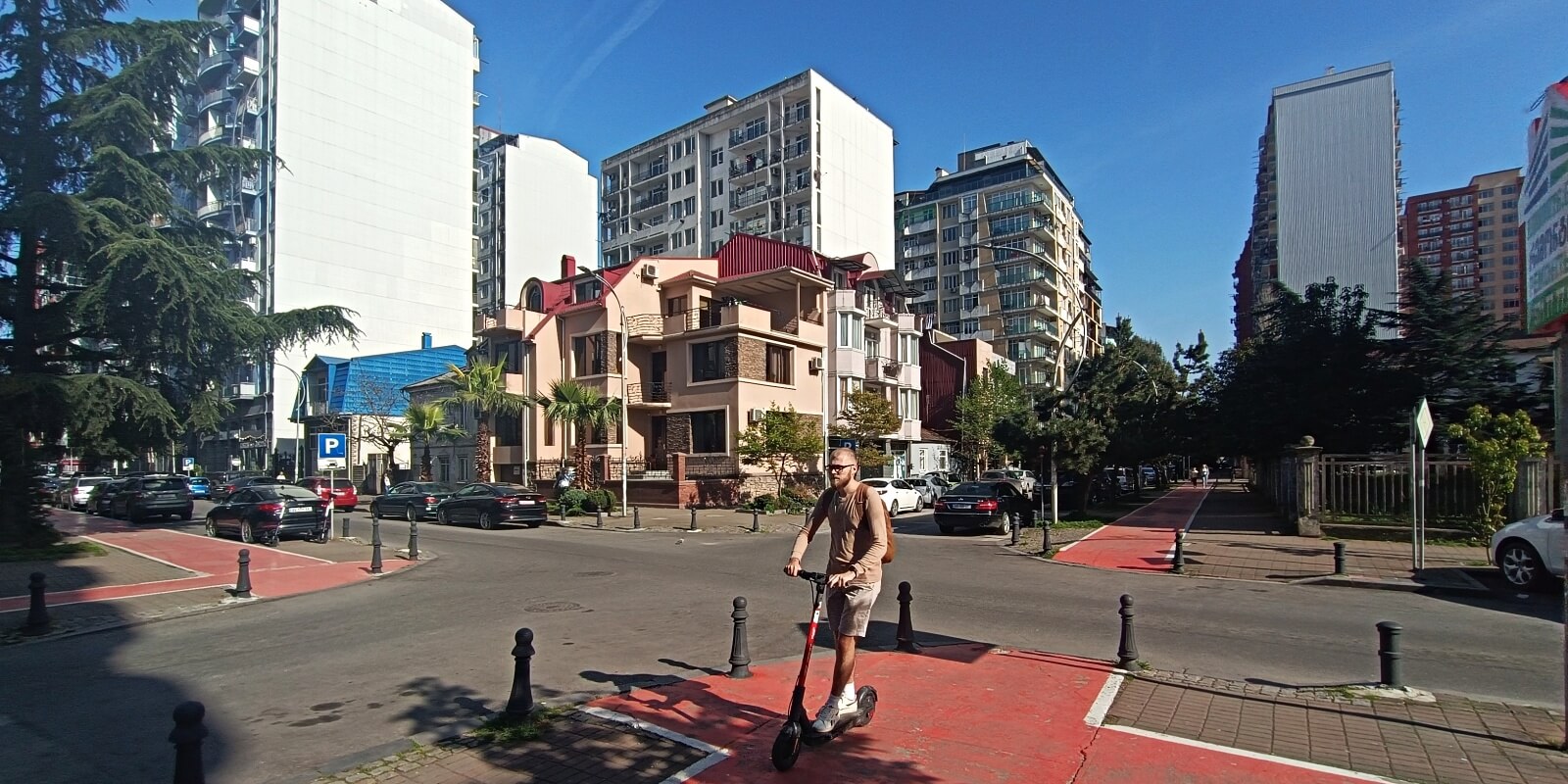
Rustaveli is the smallest district in Batumi, located between the historic center and the modern seaside skyline. The area includes part of the beach promenade, May 6 Park, and Lake Nuri, famous for its turtles and green surroundings. The district combines modern skyscrapers near the coast with Soviet-era residential buildings deeper inland, creating a diverse urban landscape and one of the city’s most recognizable and comfortable neighborhoods.
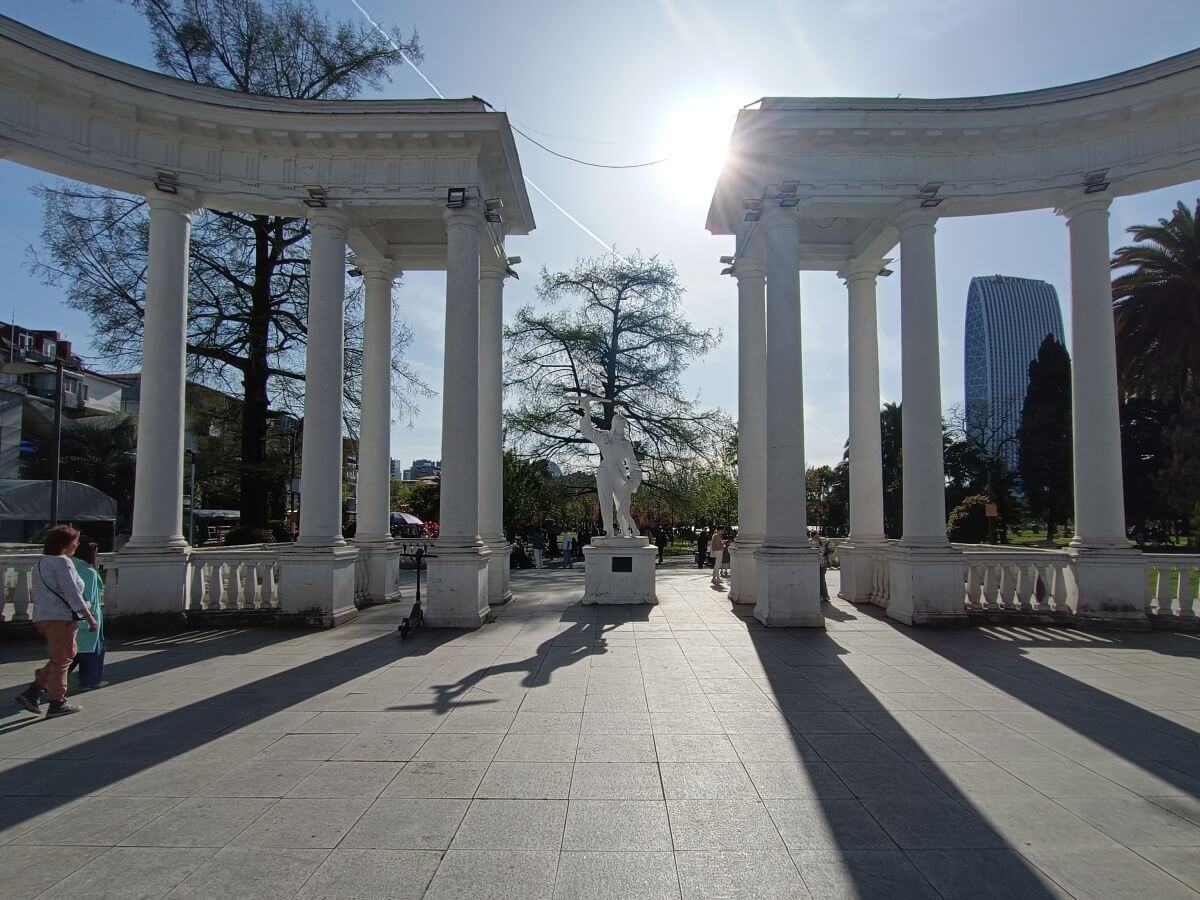
The classic arcade at the entrance to the park is practically a postcard image of Batumi — one of the city’s most recognizable landmarks. The arcade is complemented by a monument to pilot Fadiko Gogitidze, Georgia’s first female aviator, who tragically died during a training flight.
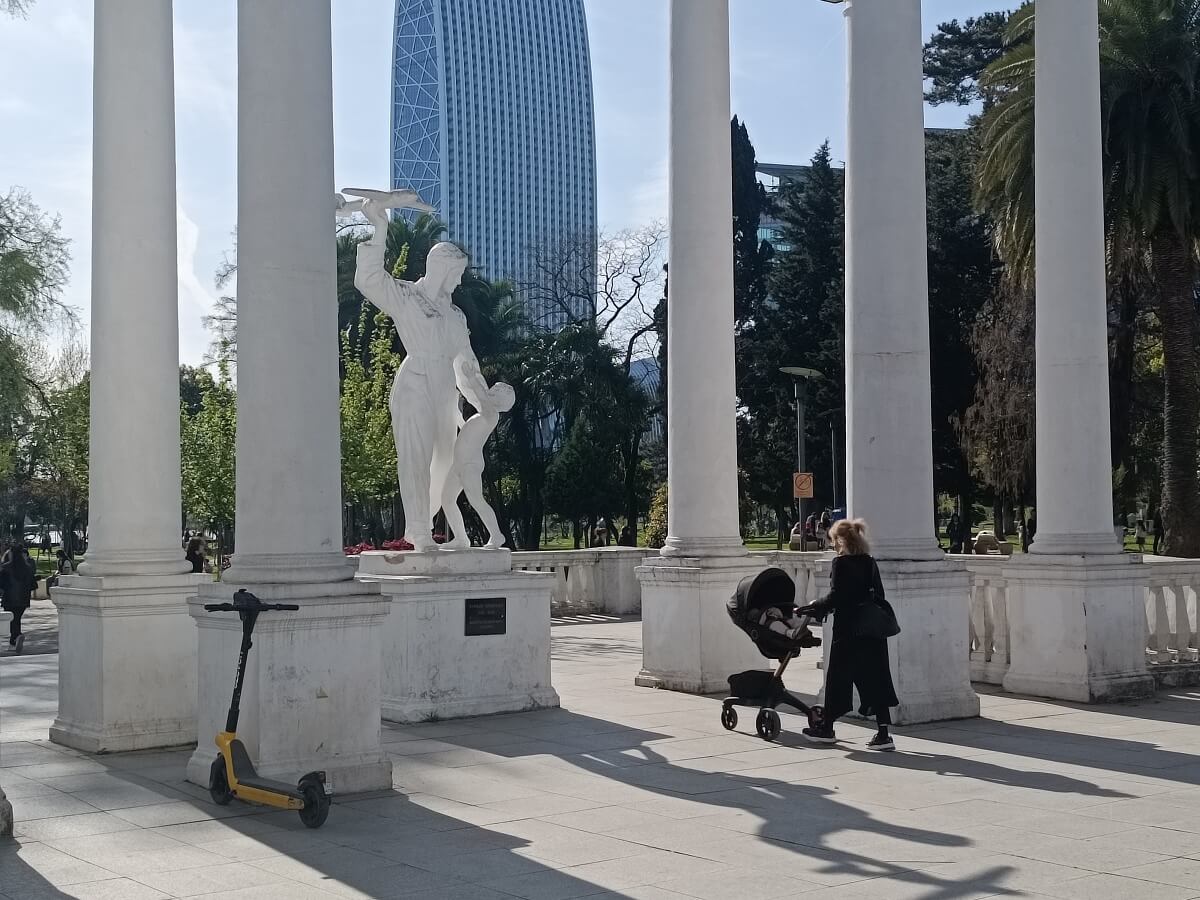
The city park surrounding Lake Nuri was originally established in the 19th century, yet it continues to be renovated and remains one of Batumi’s most popular recreational spaces.
A fountain designed to imitate a powerful stream of water capable of suspending a stone in midair:
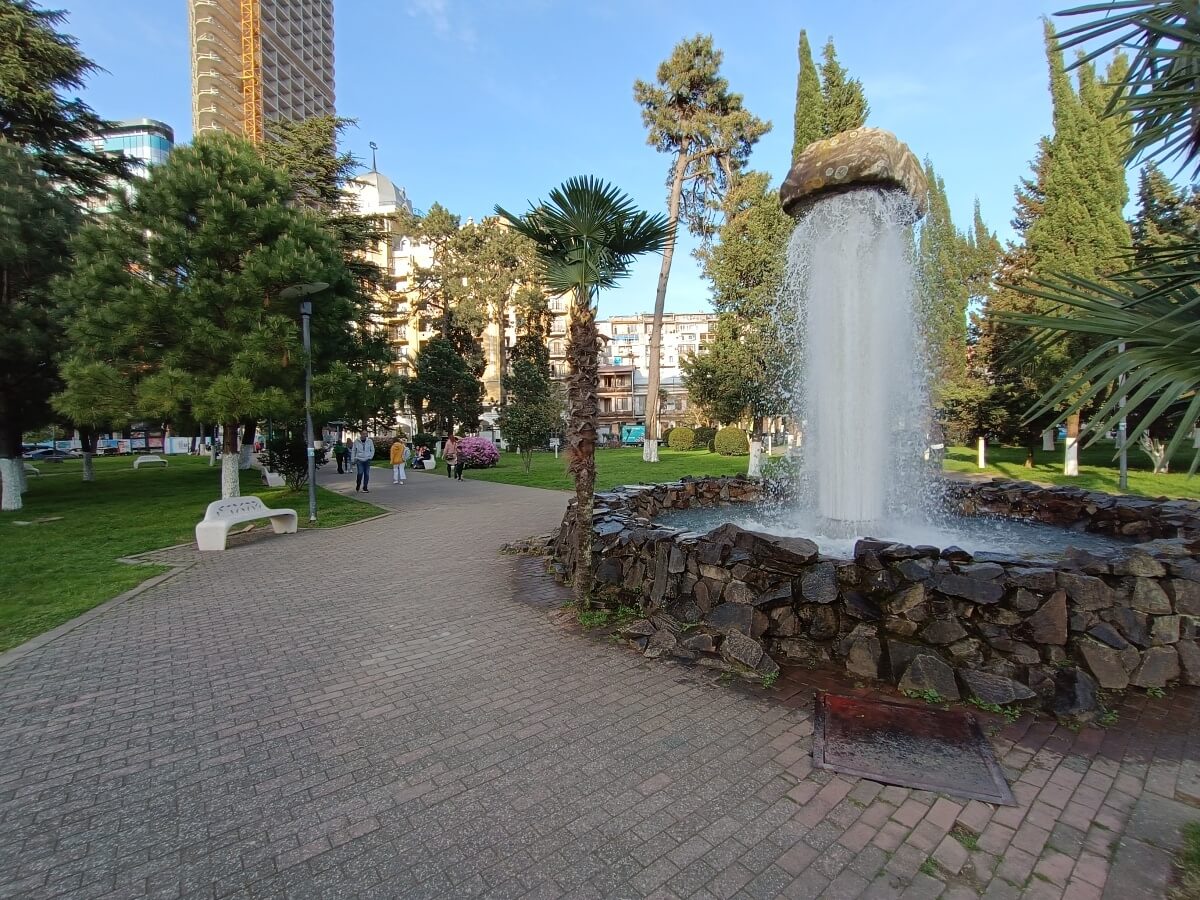
Rich greenery throughout the park:
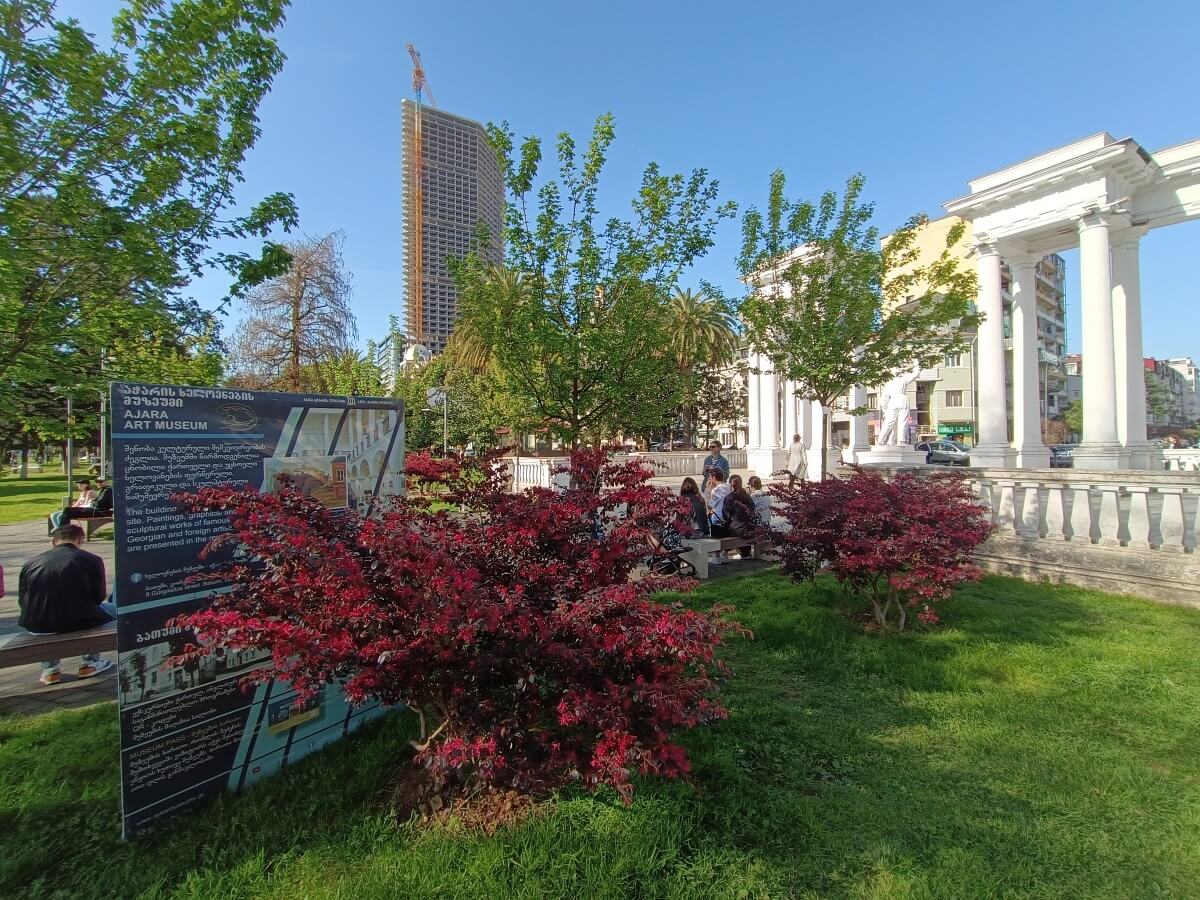
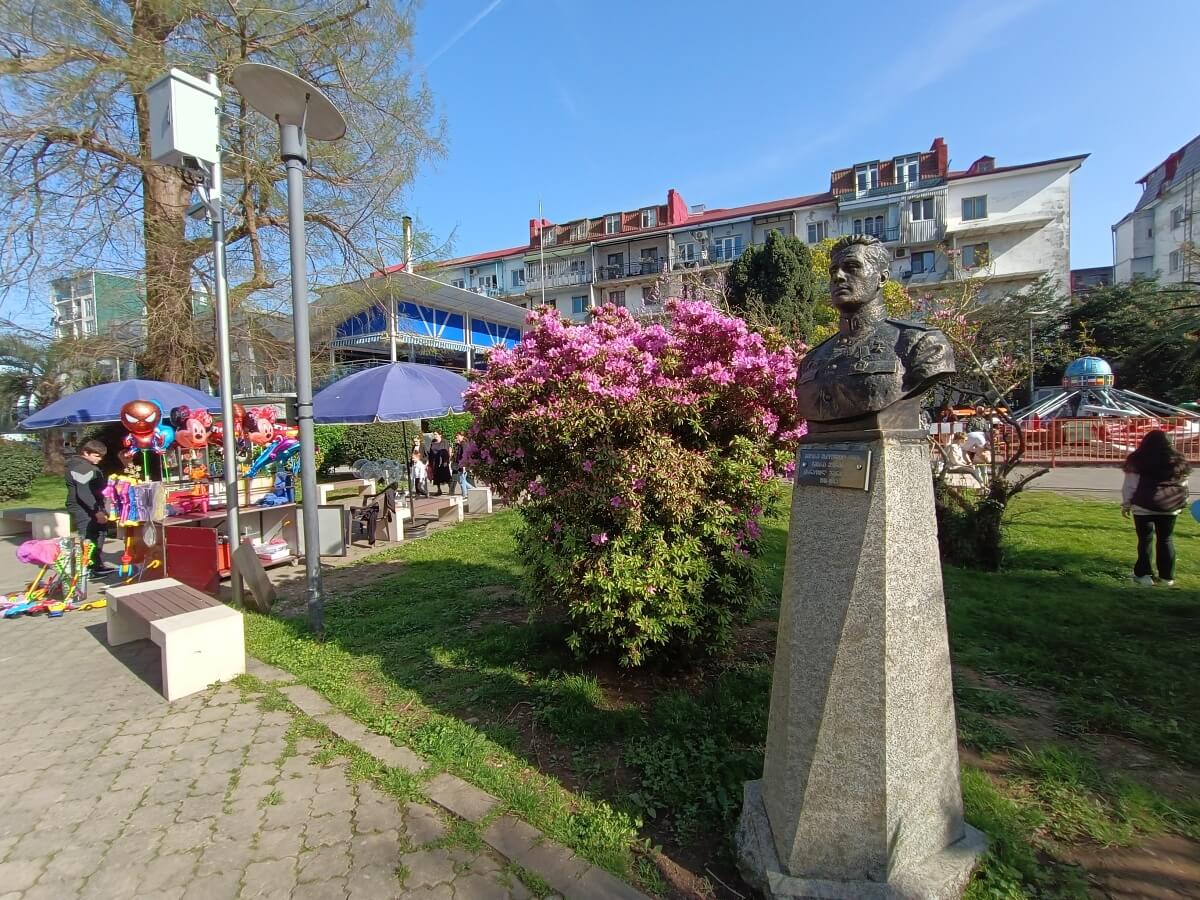
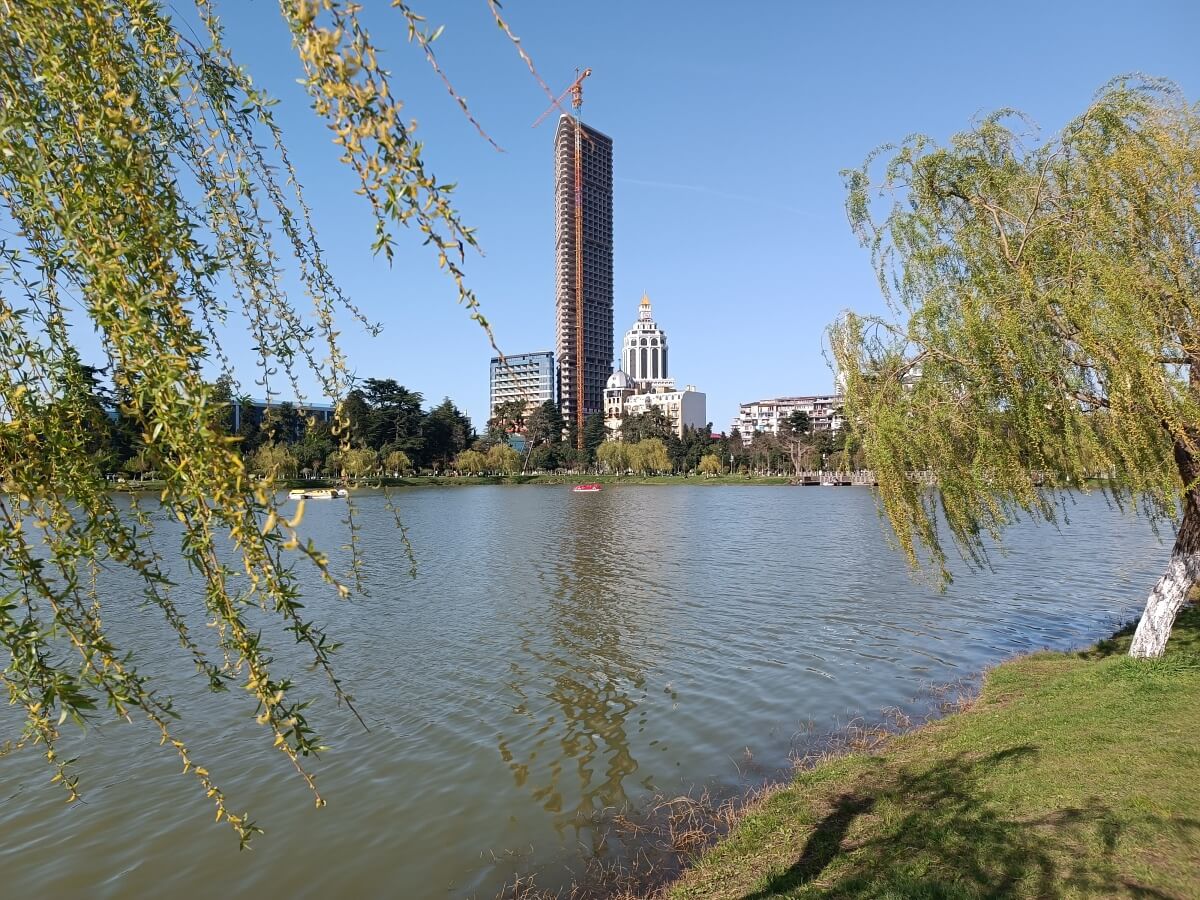
Modern development has largely spared Batumi’s oldest green zone, and the few new projects that have appeared here were carefully integrated into the existing urban environment. Among them is the ongoing construction of Azure Tower — the city’s fourth-tallest skyscraper, rising 47 stories above the district:
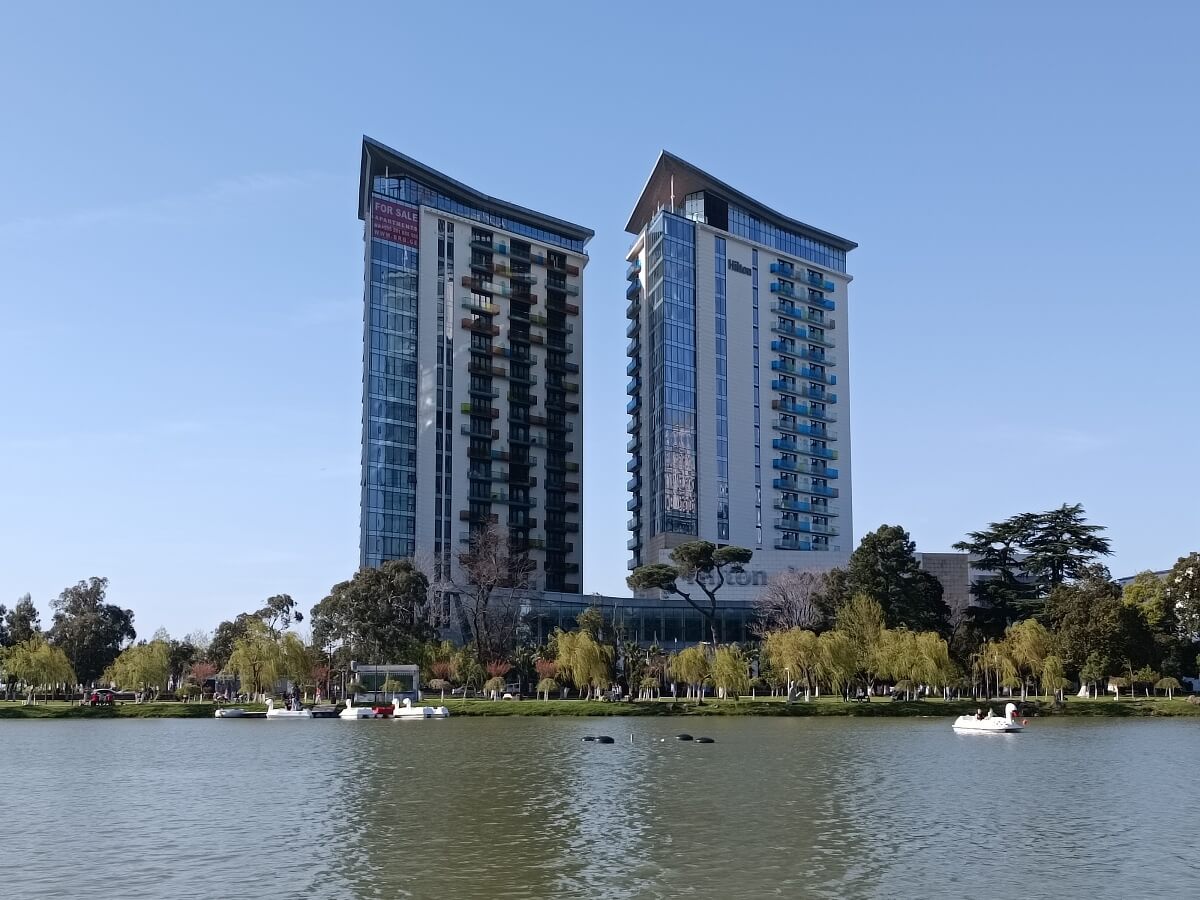
Hilton Batumi welcomes guests nearby:
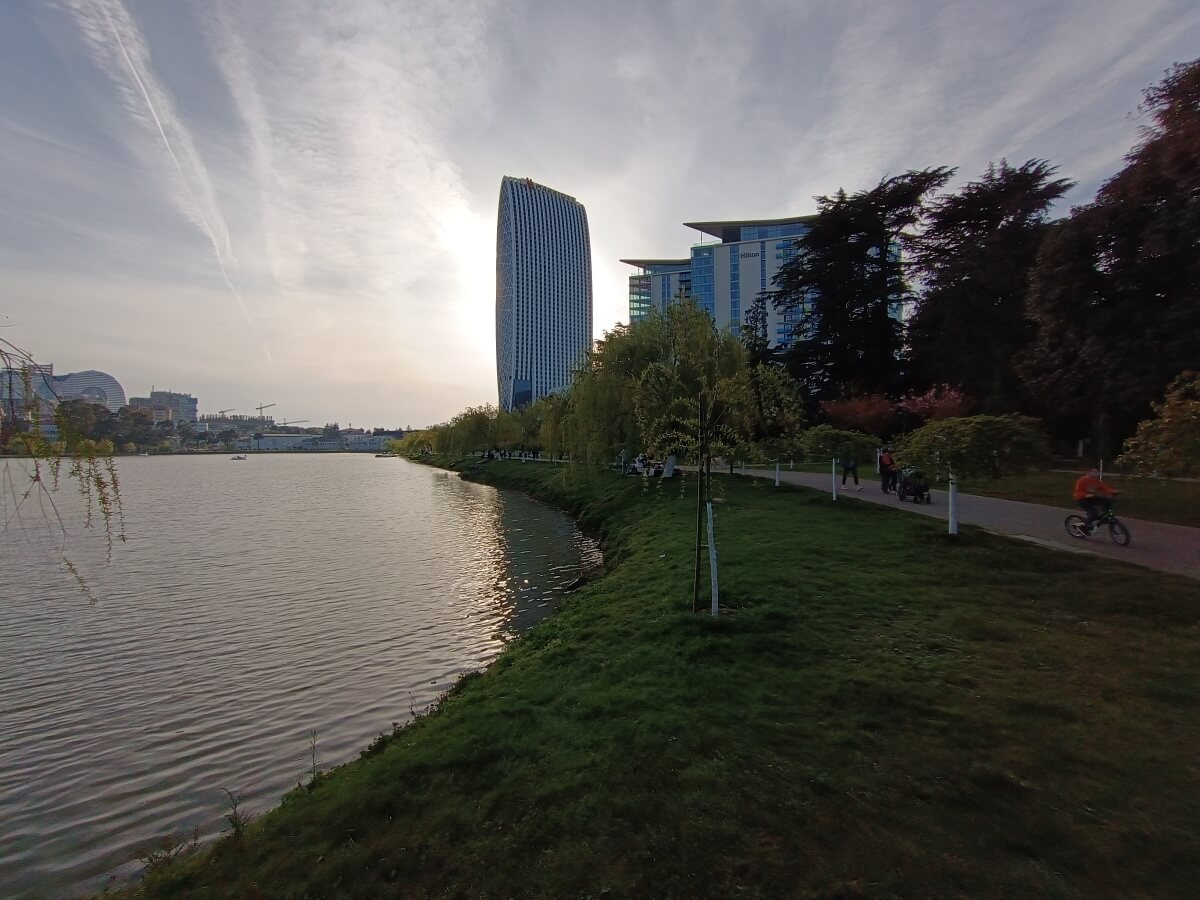
And the Alliance Privilege tower, which includes a Marriott hotel, is preparing to welcome future visitors:
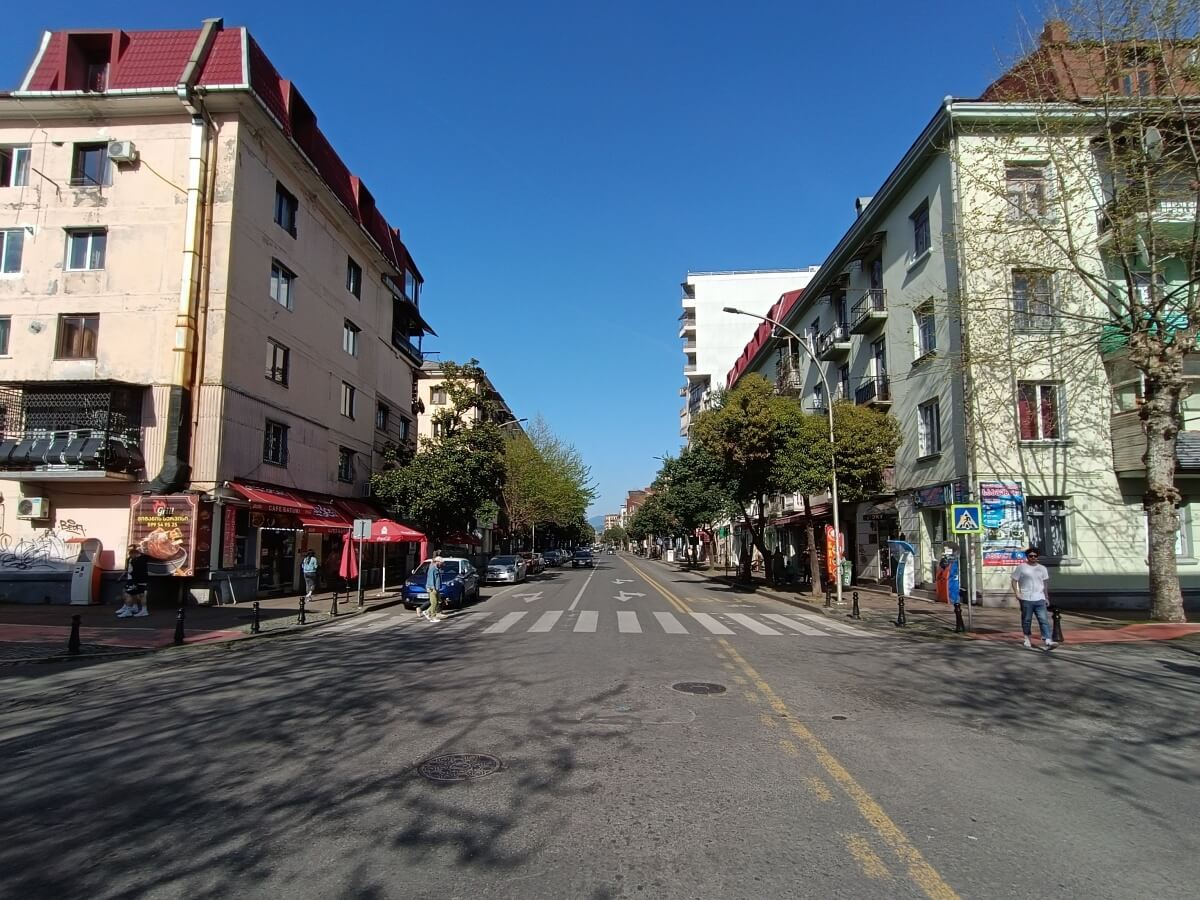
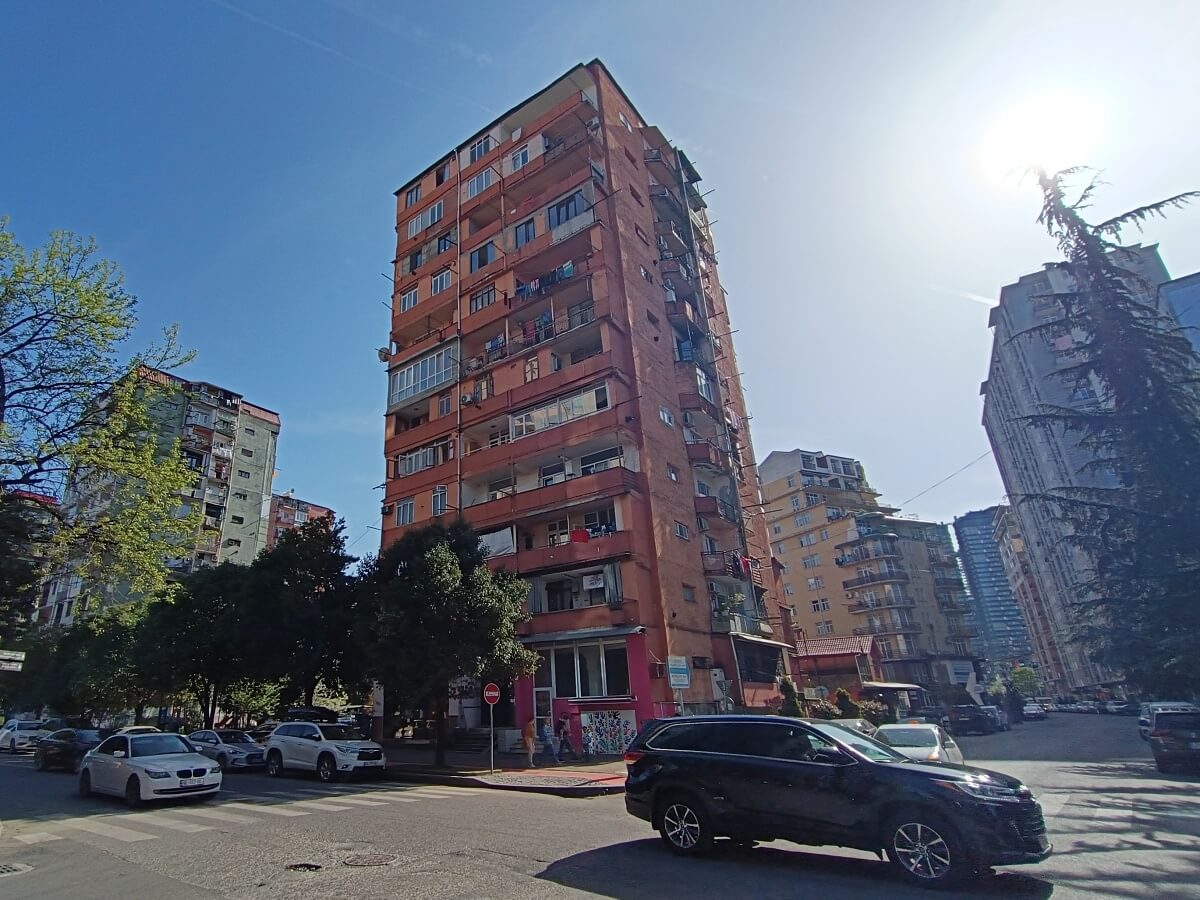
The blocks of the Rustaveli district follow an almost perfectly regular street grid, continuing the urban structure of the neighboring historic Old Town. However, most of the area was built up during the second half of the 20th century with standard brick and panel apartment buildings.
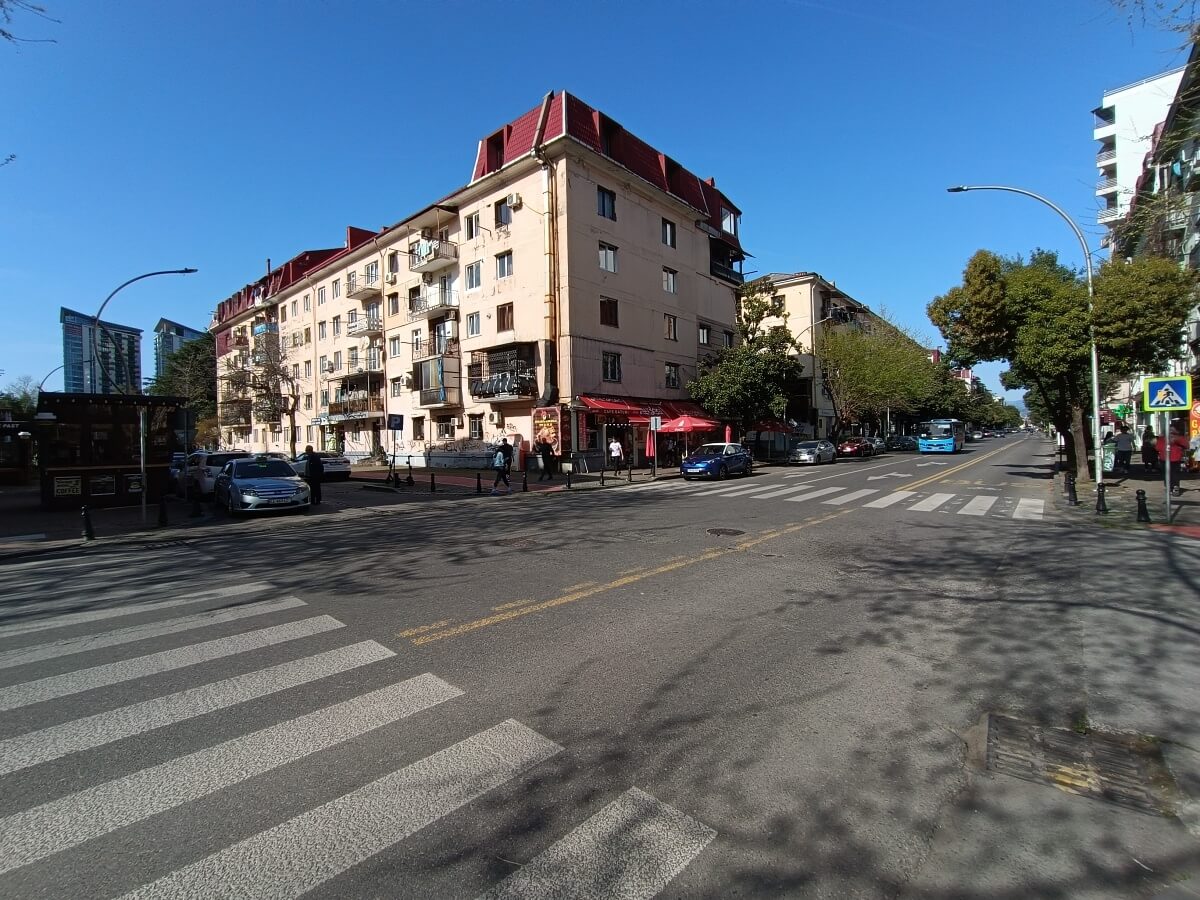
Along Gorgiladze Street:
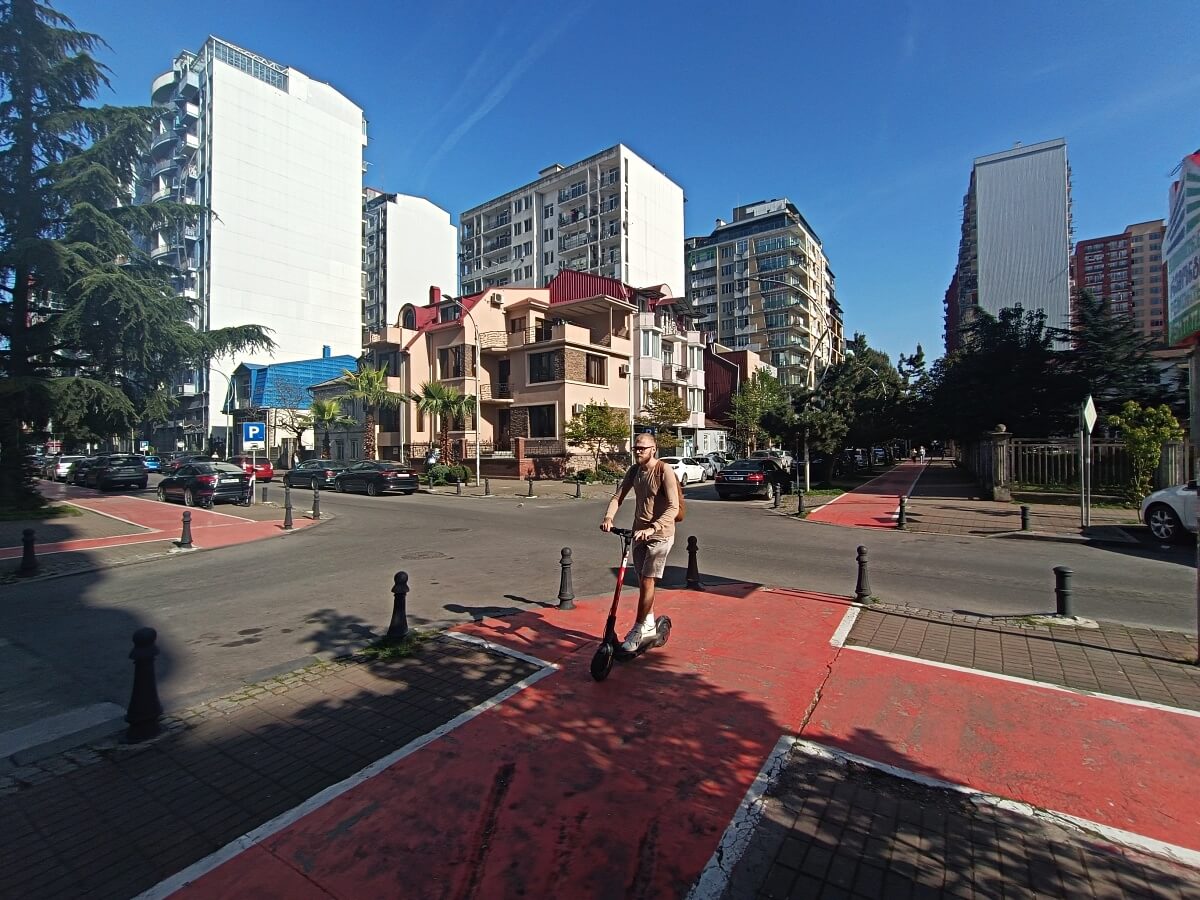
Parnavaz Mepe Street:
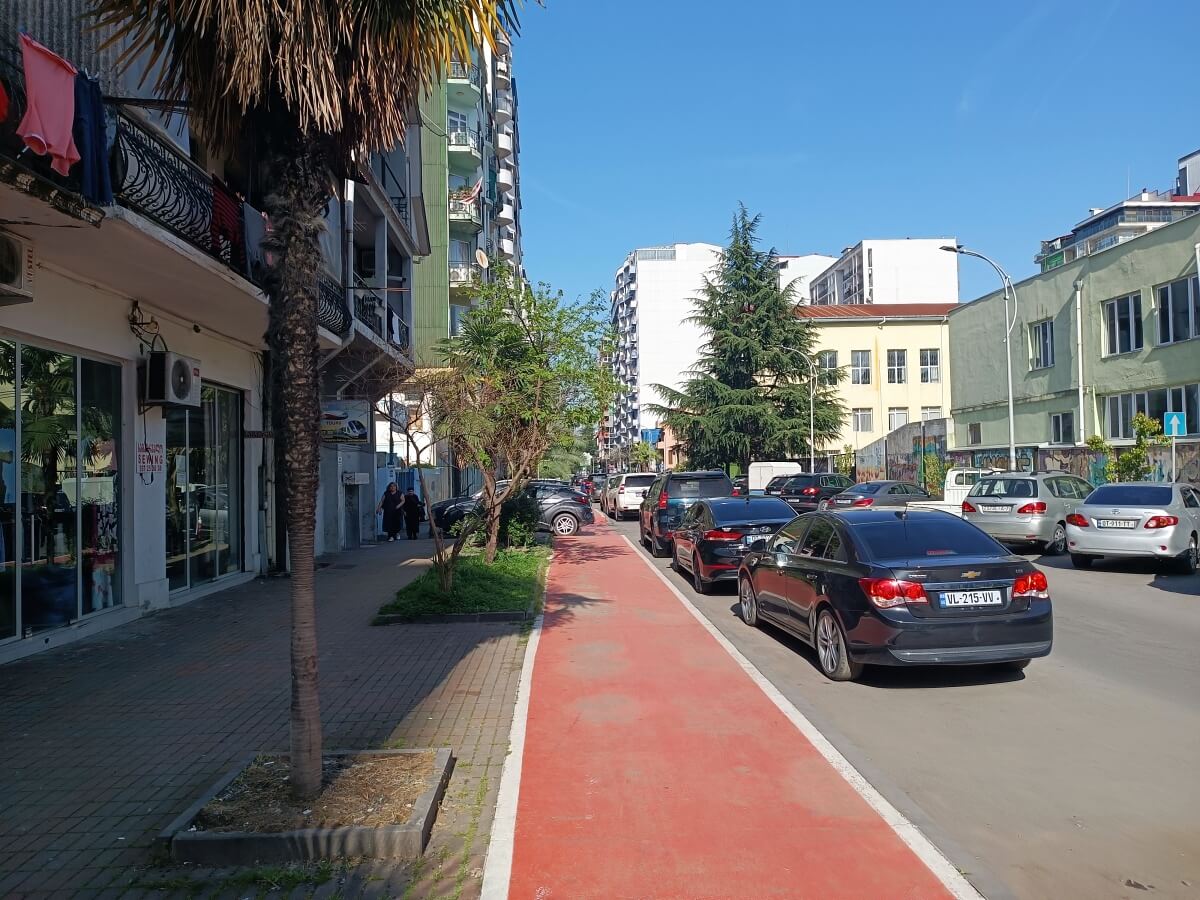
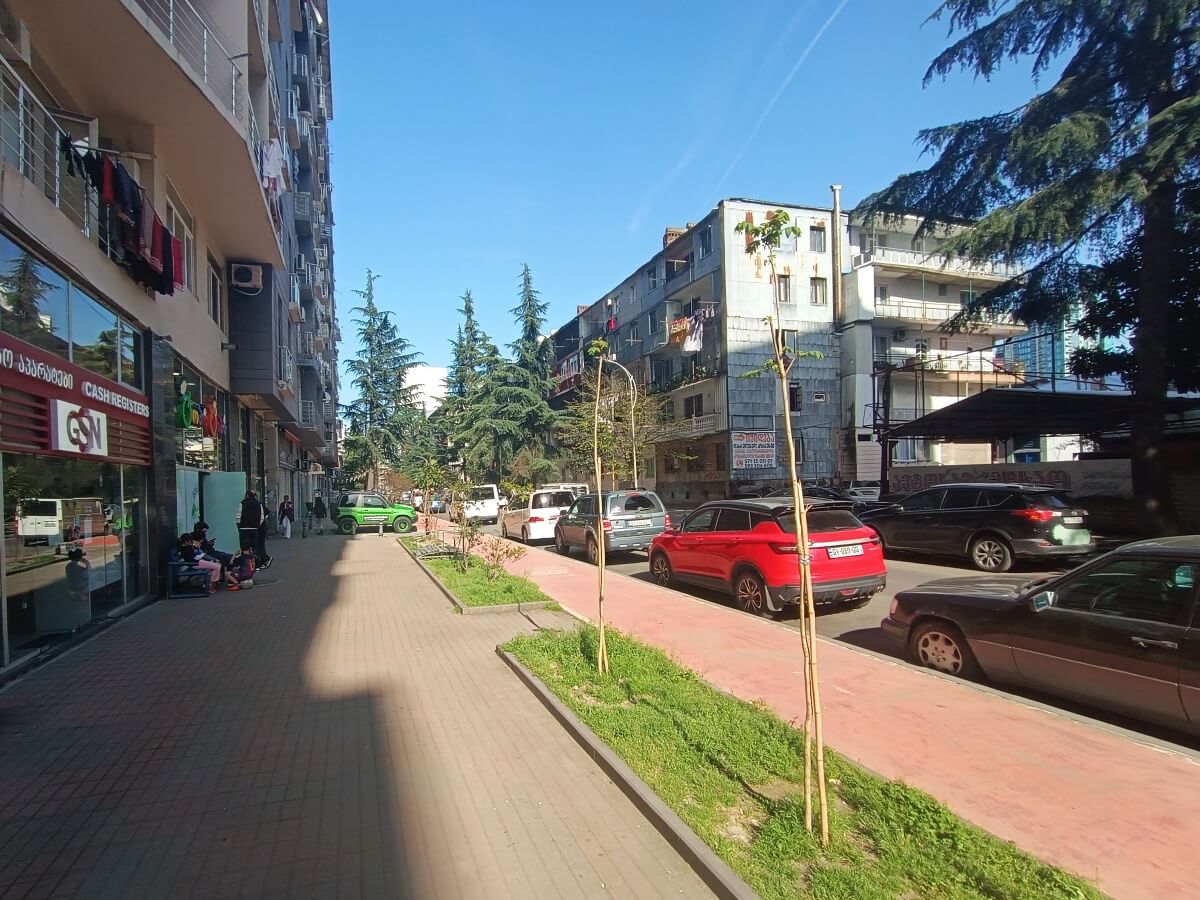
Vakhtang Gorgasali Street:
As throughout Batumi, many new residential developments have appeared here as well, replacing former private homes and older low-rise buildings. The density of construction is striking:
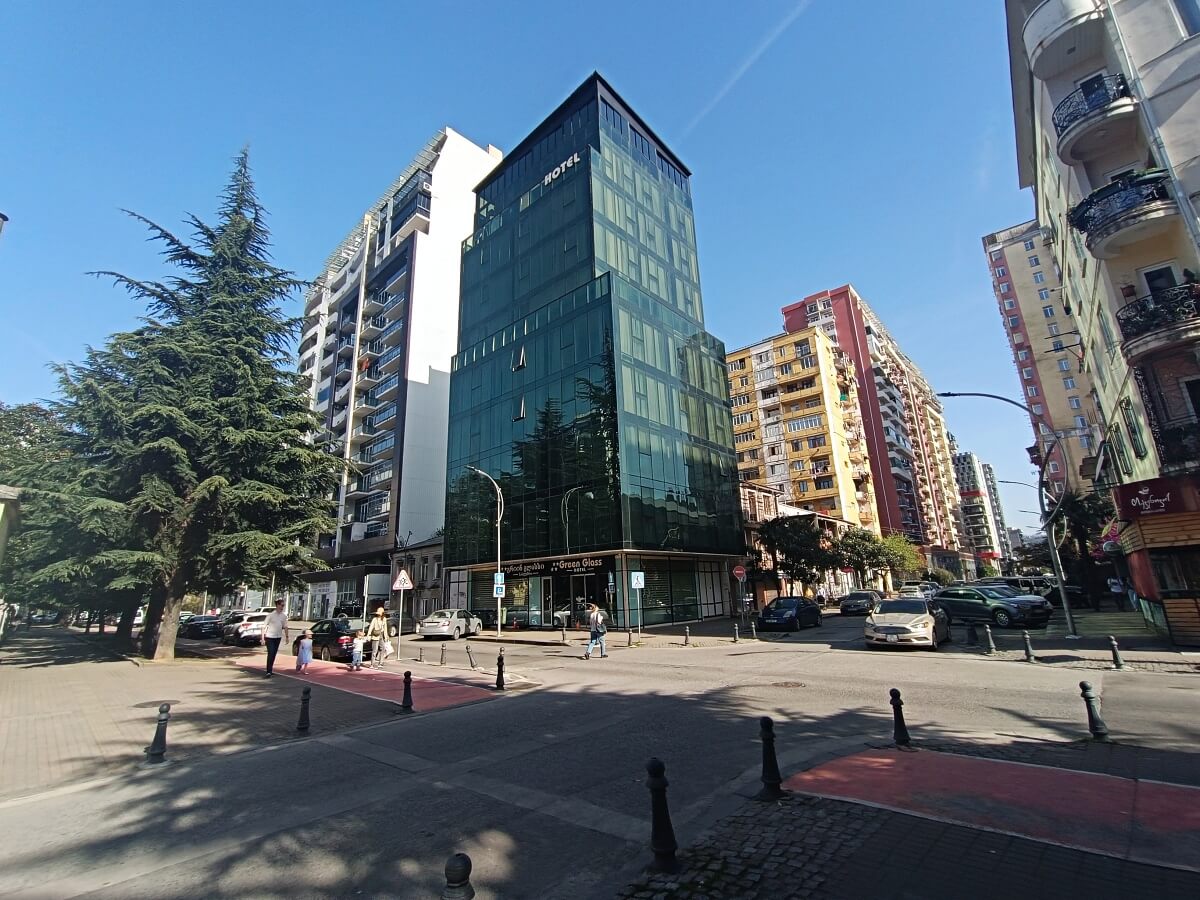
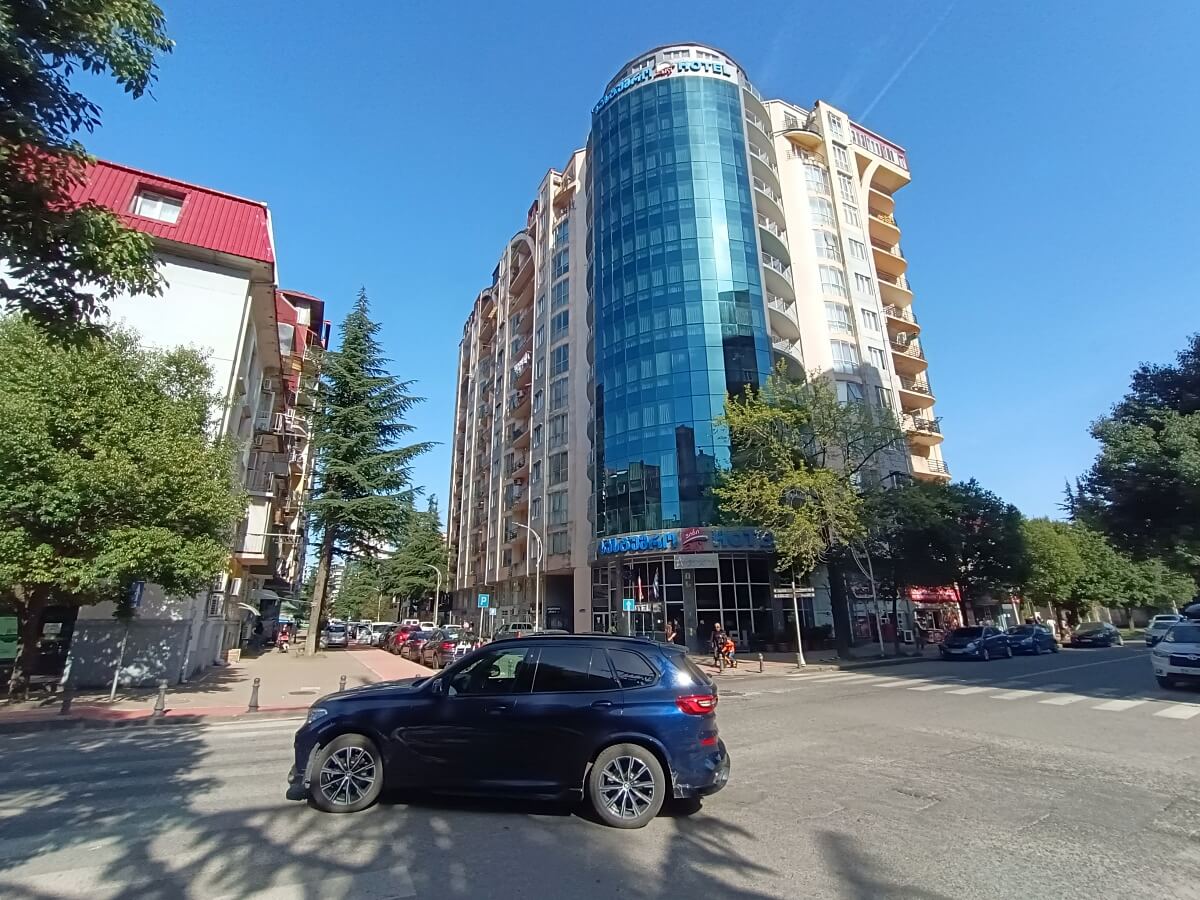
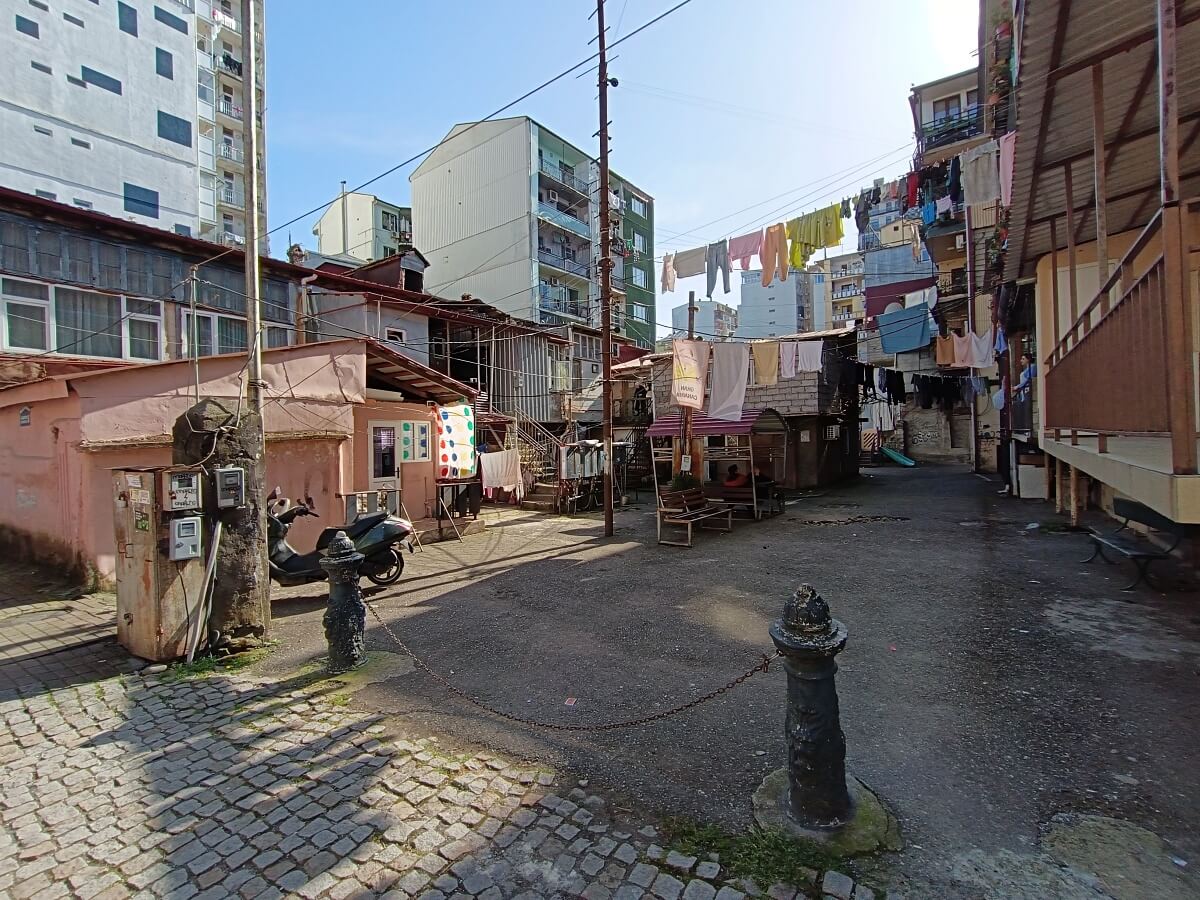
Traditional courtyards and small houses like this are gradually disappearing, making way for buildings that are far more commercially efficient:
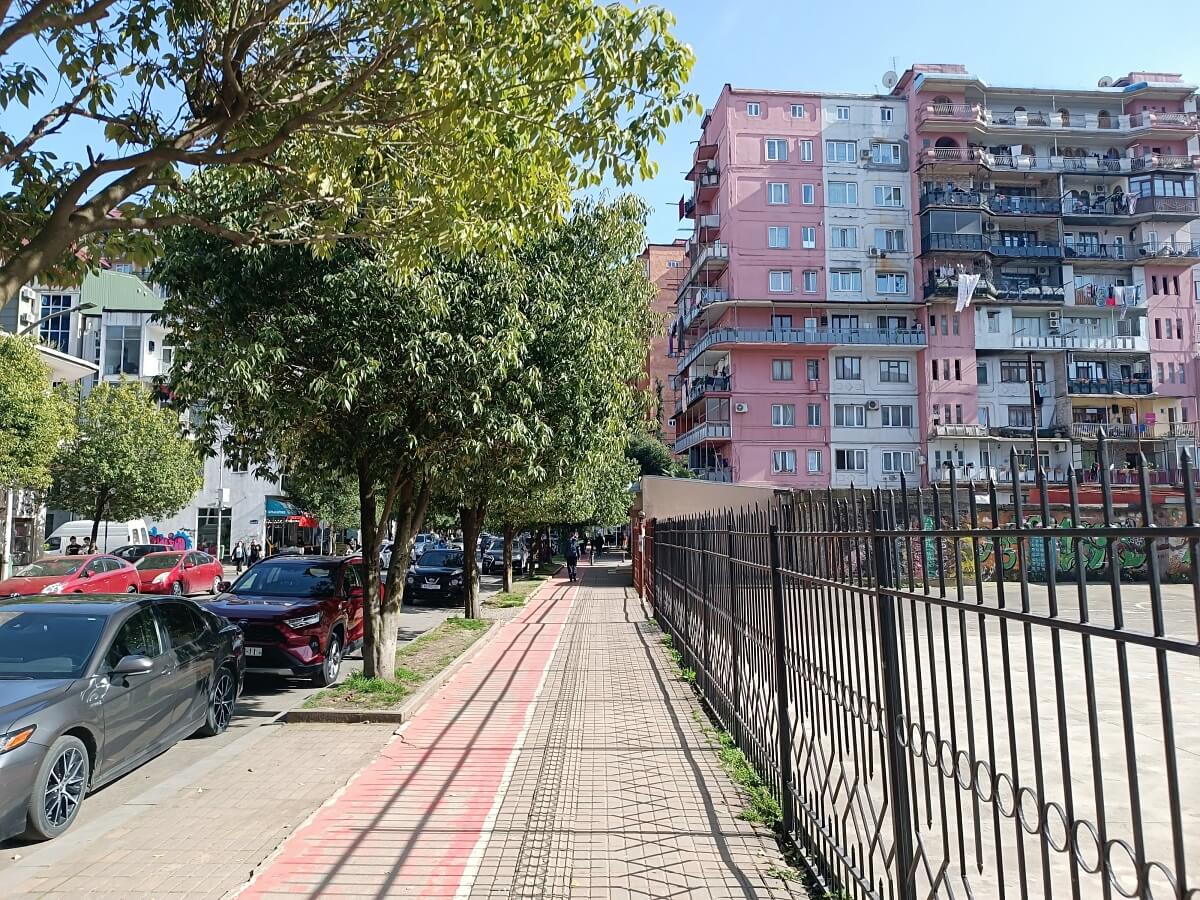
Still, the true foundation of the Rustaveli district remains its Soviet-era panel apartment blocks, even if they are now surrounded by modern high-rises:
The southeastern edge of the district is marked by Ilia Chavchavadze Street — one of Batumi’s major city arteries — separating Rustaveli from the neighboring Bagrationi district.
